
Asking “What time is it in Detroit?” is far more than a simple query about the current hour. For travelers, business professionals, and anyone planning a visit to the Motor City, understanding Detroit’s time zone is the fundamental first step in orchestrating a seamless and enriching experience. This question unlocks a deeper exploration into how time influences everything from flight schedules and hotel bookings to experiencing the city’s vibrant culture, iconic landmarks, and dynamic lifestyle. From the rhythmic pulse of its early morning coffee shops to the late-night buzz of its jazz clubs, Detroit’s clock dictates the rhythm of discovery.

This comprehensive guide will delve into Detroit’s time zone, its practical implications for travel and accommodation, and how to maximize every moment of your stay by understanding the city’s daily tempo. Whether you’re coordinating international calls, planning a day of sightseeing, or simply trying to catch the opening act at a local venue, mastering Detroit’s time is key to unlocking its full potential.
Understanding Detroit’s Time Zone: Your First Step to Seamless Travel
At its core, knowing the time in Detroit begins with understanding its geographical position within the global timekeeping system. Detroit, like most of the state of Michigan, operates on the Eastern Time Zone. This designation carries significant weight for anyone arriving from different parts of the world or even from other regions of the United States.
Eastern Time Explained
The Eastern Time Zone is observed across a vast swathe of the eastern United States and Canada, encompassing major metropolitan areas such as New York City, Miami, and Toronto. Specifically, Detroit adheres to Eastern Standard Time (EST) during the winter months, which is UTC-5 (five hours behind Coordinated Universal Time (UTC), formerly known as Greenwich Mean Time (GMT)).
However, like most of the US, Detroit observes Daylight Saving Time, which typically begins on the second Sunday in March and ends on the first Sunday in November. During this period, the city switches to Eastern Daylight Time (EDT), which is UTC-4 (four hours behind UTC). This annual shift means an extra hour of daylight in the evenings, profoundly affecting daily schedules and activities, particularly for tourism and outdoor experiences. It’s crucial for visitors to be aware of this transition to avoid any miscalculations in their itinerary. For instance, a business meeting scheduled at 9:00 AM in Detroit would be 6:00 AM on the West Coast (Pacific Time) and 2:00 PM in London (GMT/BST), making time zone calculations essential for anyone arriving from Europe or Asia.
Practical Implications for Travelers
The seemingly simple act of knowing the time in Detroit has profound practical implications for travelers. For those flying in, coordinating flight arrivals and departures means adjusting your internal clock to avoid missing connections or arriving at an inopportune moment. If you’re traveling from the West Coast of the US, you’ll gain three hours upon arrival, which can be a welcome bonus for early check-ins or starting your exploration sooner. Conversely, coming from Europe or Asia means a more significant time difference, necessitating careful planning to combat jet lag.
Business travelers must be particularly mindful. Conference calls, meeting schedules, and networking events are all set to Detroit’s clock. Miscalculating the time could lead to missed opportunities or, at best, a frantic scramble to catch up. Even for leisure travelers, knowing the time is vital for booking tours, making restaurant reservations, or catching a performance. Many attractions, such as the Henry Ford Museum or the Detroit Institute of Arts, have specific operating hours that align with the city’s daily rhythm. Always double-check opening and closing times against the local Detroit clock. Furthermore, for those embarking on a road trip across state lines, particularly from neighboring states like Ohio or Indiana which share the Eastern Time Zone, the transition is smooth. However, for those coming from the nearby Canadian city of Windsor, Ontario, which also observes Eastern Time, border crossing times are a more significant factor than time zones.
Detroit’s Day Unveiled: Maximizing Your Moments
Once you’ve aligned your internal clock with Detroit’s time, you’re ready to dive into the city’s offerings. Each part of the day presents unique opportunities for exploration, dining, and cultural immersion, catering to various travel styles and preferences. Understanding the ebb and flow of Detroit’s daily schedule allows you to craft an itinerary that truly maximizes your visit.
Morning in the Motor City: Early Birds and Breakfast Bites
As the sun rises over the Detroit River, the city slowly awakens, offering a serene start for early risers. Mornings in Detroit are perfect for peaceful strolls along the Detroit RiverWalk, where you can enjoy stunning views of the Detroit skyline and Windsor, Canada. Campus Martius Park also offers a tranquil urban oasis for a morning coffee and people-watching.
For breakfast, Detroit boasts an array of cafes and diners. Consider heading to Avalon International Breads for artisanal pastries and coffee, or Dime Store for a classic American brunch experience. Early morning is also an excellent time to visit popular museums and landmarks, beating the later crowds. The Henry Ford Museum and Greenfield Village open early, offering a deep dive into American innovation. Similarly, the Detroit Institute of Arts provides a quiet environment to appreciate its extensive collection, including the iconic Detroit Industry Murals by Diego Rivera. For music enthusiasts, an early visit to the Motown Museum allows for a reflective journey through the history of legendary artists like The Supremes and Marvin Gaye before the tour groups become larger.
Afternoon Adventures: Culture, Cuisine, and Detroit’s Heartbeat
Midday in Detroit is when the city truly comes alive, bustling with activity, making it ideal for exploring its diverse neighborhoods and culinary scene. Lunch is a serious affair, and no trip to Detroit is complete without trying a Coney Dog. Choose your allegiance between the legendary Lafayette Coney Island or American Coney Island, both serving up this Detroit staple with fierce rivalry.
Afternoon is prime time for discovering Detroit’s unique districts. Wander through historic Corktown, the city’s oldest neighborhood, with its charming Victorian homes and vibrant pubs. Explore Midtown, the cultural heart of Detroit, home to the Detroit Historical Museum, Wayne State University, and a burgeoning culinary scene. For shoppers, downtown offers unique boutiques like Shinola, known for its watches and handcrafted goods, or the rock-and-roll inspired fashion of John Varvatos. Don’t forget to visit Eastern Market on a Saturday for a lively sensory experience of local produce, artisanal foods, and unique crafts – just be sure to check its seasonal hours.
Evening in Detroit: Lights, Live Music, and Culinary Delights
As dusk settles and the city lights begin to twinkle, Detroit transforms into a hub of evening entertainment and culinary excellence. Dinner options are endless, ranging from upscale fine dining experiences like Selden Standard in Midtown or the vibrant flavors of Greektown with its authentic tavernas and casinos like Greektown Casino-Hotel.
Detroit truly shines after dark for its live music and entertainment scene. Catch a Broadway show or a major concert at the majestic Fox Theatre or the state-of-the-art Little Caesars Arena, home to the Detroit Red Wings and Detroit Pistons. Sports fans can also check the schedule for games at Comerica Park (home of the Detroit Tigers) or Ford Field (home of the Detroit Lions). For a more intimate musical experience, explore legendary jazz clubs like Baker’s Keyboard Lounge, one of the oldest jazz clubs in the world, or catch live performances at venues within the MGM Grand Detroit. Conclude your evening with panoramic skyline views and craft cocktails at a rooftop bar like The Monarch Club, offering a sophisticated end to a day of Detroit exploration.
Accommodation and Lifestyle: Timing Your Stay in the D
The importance of time extends deeply into your choice of accommodation and how you embrace the Detroit lifestyle. From booking the perfect hotel to navigating local transportation, an awareness of Detroit’s daily rhythm enhances every aspect of your stay.
Checking In and Out: Hotel Logistics
Hotel check-in and check-out times are rigidly tied to the local clock, typically around 3:00 PM or 4:00 PM for check-in and 11:00 AM or 12:00 PM for check-out. For travelers arriving on early morning flights or departing late in the evening, understanding these standard times is critical. Many hotels, ranging from the iconic Detroit Marriott at the Renaissance Center to boutique options like the Shinola Hotel or The Element Detroit at the Metropolitan, offer flexibility with early check-ins or late check-outs, often for an additional fee or based on availability. Communicating your travel schedule in advance with your chosen accommodation, whether it’s a luxury suite, a budget-friendly apartment, or a charming villa, can save you from inconvenient waiting times or rushing to depart.
Furthermore, booking travel packages often requires aligning flight times with accommodation availability. When comparing hotels through various booking platforms, pay attention to time zone disparities if you’re traveling across many time zones, as a “day” of stay might feel shorter or longer than expected. Facilities such as Trumbull & Porter, an Ascend Hotel Collection Member, located in Corktown, offer unique amenities that cater to different schedules, like 24-hour fitness centers or late-night dining options, which are invaluable for travelers adjusting to a new time zone.
Navigating Detroit’s Rhythms: Beyond the Clock
Beyond specific check-in times, understanding Detroit’s daily rhythms is crucial for navigating the city efficiently and enjoying its lifestyle. Rush hour, typically from 7:00 AM to 9:00 AM and 4:00 PM to 6:00 PM, can significantly impact travel times, especially if you’re driving or using public transport like the QLine or the People Mover. Planning your museum visits or attraction tours to avoid peak times can enhance your experience, allowing for more leisurely exploration. For instance, visiting the Motown Museum mid-morning or late afternoon might be less crowded than midday.
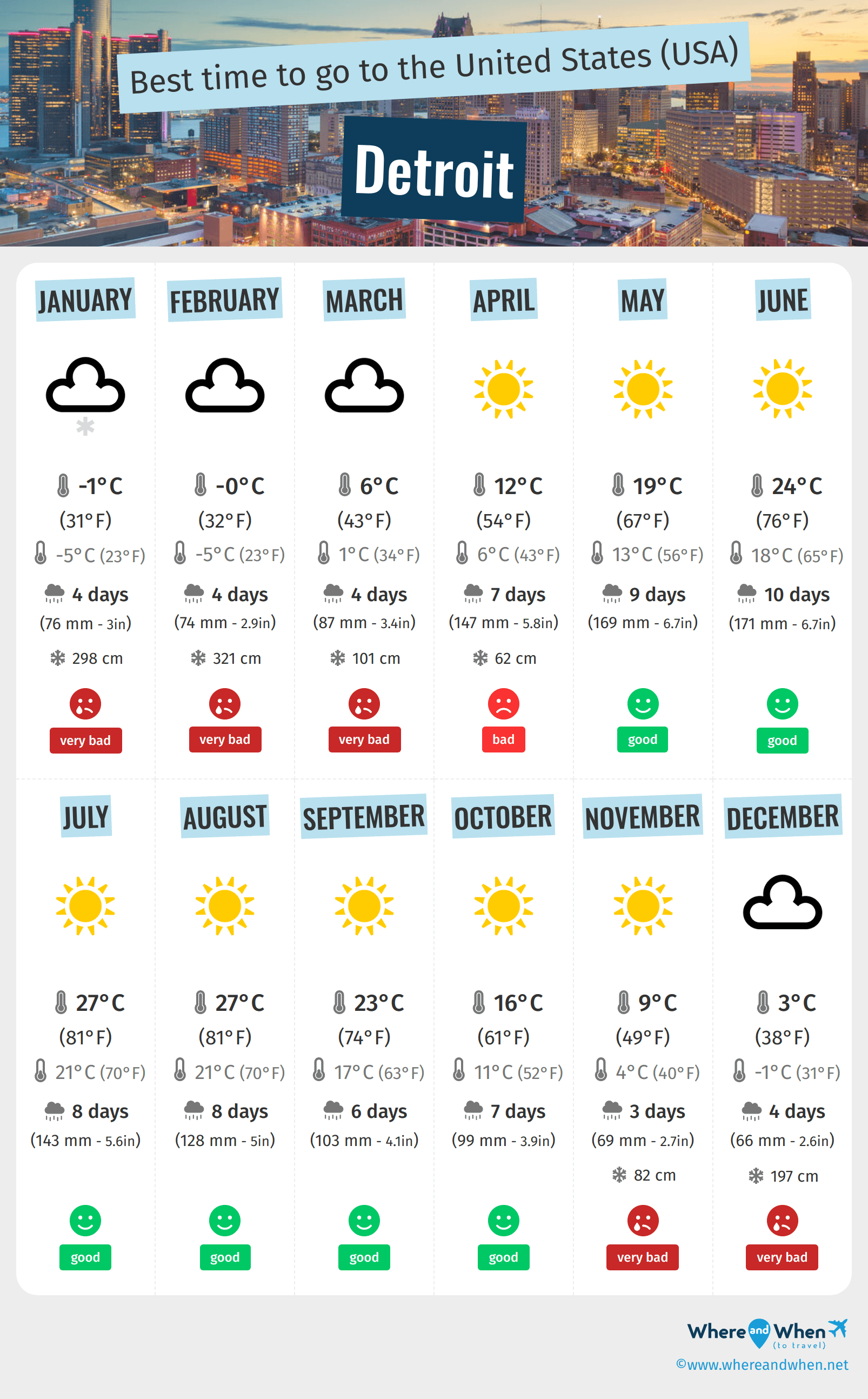
Seasonal changes also play a significant role. The longer daylight hours of EDT during summer provide ample time for outdoor activities, from exploring the Detroit Zoo to enjoying festivals on the RiverWalk. Conversely, the shorter days of EST in winter mean planning indoor activities or enjoying the festive lights of Campus Martius Park earlier in the evening. Detroit’s vibrant event calendar, from the Detroit Grand Prix in summer to the Movement Electronic Music Festival and the Detroit Jazz Festival, operates on strict schedules. Staying informed about these local happenings and their timings is essential for any cultural enthusiast planning their visit. The city’s lifestyle embraces both its historic roots and its modern resurgence, and understanding its temporal pulse allows you to become part of its exciting narrative, whether you’re seeking luxury travel, budget-friendly options, or a unique family trip.
Planning Your Trip to Detroit: A Timely Checklist
Mastering “What time is it in Detroit?” is more than a trivial detail; it’s a foundational element for a successful and memorable journey. By understanding the city’s time zone, its daily rhythms, and how these factors intertwine with travel logistics, accommodation, and lifestyle, you empower yourself to craft an itinerary that is both efficient and deeply rewarding.
As you embark on your Detroit adventure, keep this timely checklist in mind:
-
Before You Go:
- Confirm Time Zone: Always verify whether Detroit is observing EST or EDT for your travel dates.
- Flight & Train Schedules: Double-check all travel times against Detroit’s local clock, especially if you have connecting flights or tight schedules.
- Accommodation Bookings: Note standard check-in/out times for your hotel or rental and arrange for early arrivals or late departures if needed.
- Itinerary Planning: Map out your daily activities, including museum hours, restaurant reservations, and event start times, all adjusted to Detroit’s local time. Consider peak hours for popular attractions to minimize crowds.
- International Calls/Meetings: Clearly communicate time differences for any business or personal calls to avoid confusion.
-
During Your Trip:
- Adjust Your Devices: Ensure your phone, watch, and other devices automatically update to Detroit’s local time upon arrival.
- Stay Flexible: While planning is key, allow for some flexibility in your schedule to account for unexpected delays or spontaneous discoveries.
- Embrace the Rhythm: Let the city’s natural pace guide you, whether it’s an early morning jog on the RiverWalk or a late-night show at the Fox Theatre.
- Public Transport: Be mindful of rush hour when using the QLine or People Mover to estimate travel times accurately.
By approaching your trip with a keen awareness of time, you’re not just adhering to a schedule; you’re immersing yourself in the very pulse of Detroit. From its iconic landmarks to its hidden culinary gems and vibrant nightlife, every moment in the Motor City is a valuable opportunity. So, set your watch, plan your days, and get ready to experience all that Detroit has to offer, right on time.
LifeOutOfTheBox is a participant in the Amazon Services LLC Associates Program, an affiliate advertising program designed to provide a means for sites to earn advertising fees by advertising and linking to Amazon.com. Amazon, the Amazon logo, AmazonSupply, and the AmazonSupply logo are trademarks of Amazon.com, Inc. or its affiliates. As an Amazon Associate we earn affiliate commissions from qualifying purchases.