
Embarking on a journey from the historic streets of London to the bustling avenues of New York is a quintessential transatlantic experience, a bridge between two of the world’s most vibrant and influential cities. Whether you’re traveling for business, a much-anticipated holiday, or visiting loved ones, understanding the duration of this flight is often the first step in planning your adventure. This journey across the Atlantic Ocean connects the United Kingdom with the United States, representing a significant commitment of time and a gateway to diverse cultural experiences. The exact duration can vary due to a multitude of factors, from the type of aircraft and prevailing winds to the specific airports involved and whether your itinerary includes layovers. For many, this flight is more than just a means of transport; it’s the start of a new chapter, a dive into unique attractions, and an opportunity to explore world-class accommodation and lifestyle offerings on both sides of the pond.
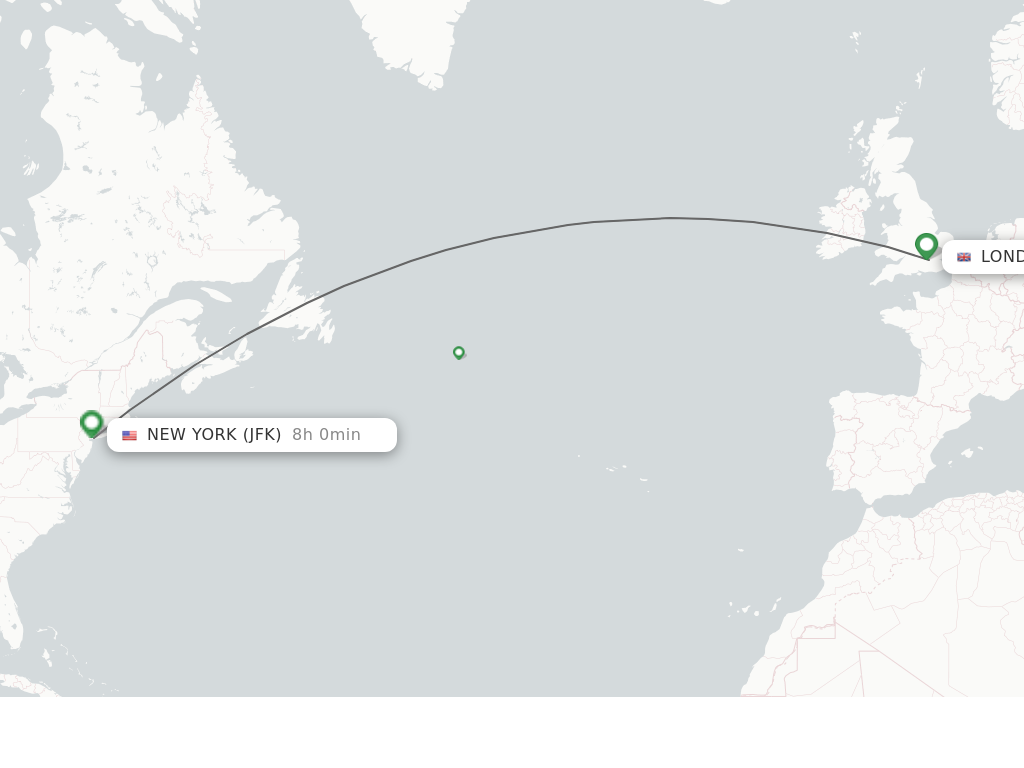
Understanding the Transatlantic Journey: London to New York Flight Durations
The flight path between London and New York is one of the busiest international air routes globally, served by numerous airlines offering a range of options. The core question, “How long is the flight?”, has a primary answer that varies depending on whether you opt for a direct or an indirect service. Both options have their merits and drawbacks, impacting not just the total travel time but also the overall travel experience, budgeting, and flexibility.
Direct Flights: The Fastest Route
For most travelers, a direct flight is the preferred choice for its efficiency and minimal disruption. A direct flight from London to New York typically spans between 7 to 8 hours. This duration applies to flights departing from major London airports like Heathrow Airport (LHR) or Gatwick Airport (LGW) and arriving at key New York metropolitan airports such as JFK International Airport (JFK) or Newark Liberty International Airport (EWR).
Airlines such as British Airways, Virgin Atlantic, American Airlines, United Airlines, and Delta Air Lines are among the primary carriers operating this route, offering multiple daily services. The consistency of these direct flights makes them a popular choice for both leisure and business travelers seeking to minimize travel time and maximize their stay in either city. While the duration is relatively fixed, minor variations can occur due to air traffic control, specific flight paths, and even the speed of ground operations at both ends. For those planning a tightly scheduled business trip or a short city break, the appeal of a direct flight is undeniable, allowing for more time exploring New York’s iconic Time Square, the majestic Empire State Building, or the serene beauty of Central Park.
Indirect Flights and the Impact of Layovers
While direct flights are the quickest, indirect flights, involving one or more layovers, are also a common option, often chosen for their potential cost savings or to break up a long journey. The duration of an indirect flight can vary significantly, ranging from 10 to 15 hours or even longer, depending on the layover city and the length of the stopover. Common layover cities for this route include major European hubs like Dublin, Amsterdam, or Reykjavik, or North American cities such as Boston, Chicago, or Toronto if flying eastbound.
When considering an indirect flight, it’s crucial to factor in not just the flight segments but also the time spent on the ground during layovers. A short layover of 1-2 hours might be efficient for connecting flights, but a longer one could offer an unexpected opportunity to briefly explore a new city, adding an extra layer to your travel experience. However, longer layovers also increase the risk of delays and can be more tiring. For travelers prioritizing budget over speed, or those who prefer to stretch their legs between flights, indirect options present a viable alternative. It’s important to research the reputation of the connecting airports and the efficiency of the airlines involved to ensure a smooth transition.
Key Factors Influencing Your Flight Time
Several elements converge to determine the precise duration of your transatlantic flight. Understanding these factors can help in managing expectations and even in making informed choices when booking your travel. From the engineering marvels of modern aircraft to the unpredictable forces of nature, each plays a role in shaping your journey across the sky.
Aircraft Type and Airspace Considerations
The type of aircraft plays a subtle yet significant role in flight duration. Modern long-haul jets, such as the Boeing 787 Dreamliner, Airbus A350, or the larger Boeing 747 and Airbus A380 often used by major carriers, are designed for efficiency and speed over long distances. While their cruising speeds are relatively similar, differences in climb performance, maximum speed, and fuel efficiency can lead to minor variations in overall flight time.
Beyond the aircraft itself, air traffic control and designated flight corridors also influence the journey. The North Atlantic Tracks, a structured system of routes across the Atlantic Ocean, are optimized daily based on prevailing winds, weather patterns, and traffic volume. These “tracks” guide aircraft and can dictate slight detours or more direct paths, which in turn affect the flight’s total duration. Pilots and air traffic controllers work in tandem to select the most efficient and safest route, constantly adjusting for optimal performance.
Weather, Wind, and Jet Stream Effects
Perhaps the most influential natural factor on transatlantic flight times is the weather, particularly the powerful jet stream. The jet stream is a fast-flowing, narrow, meandering air current found in the atmosphere, predominantly traveling from west to east.
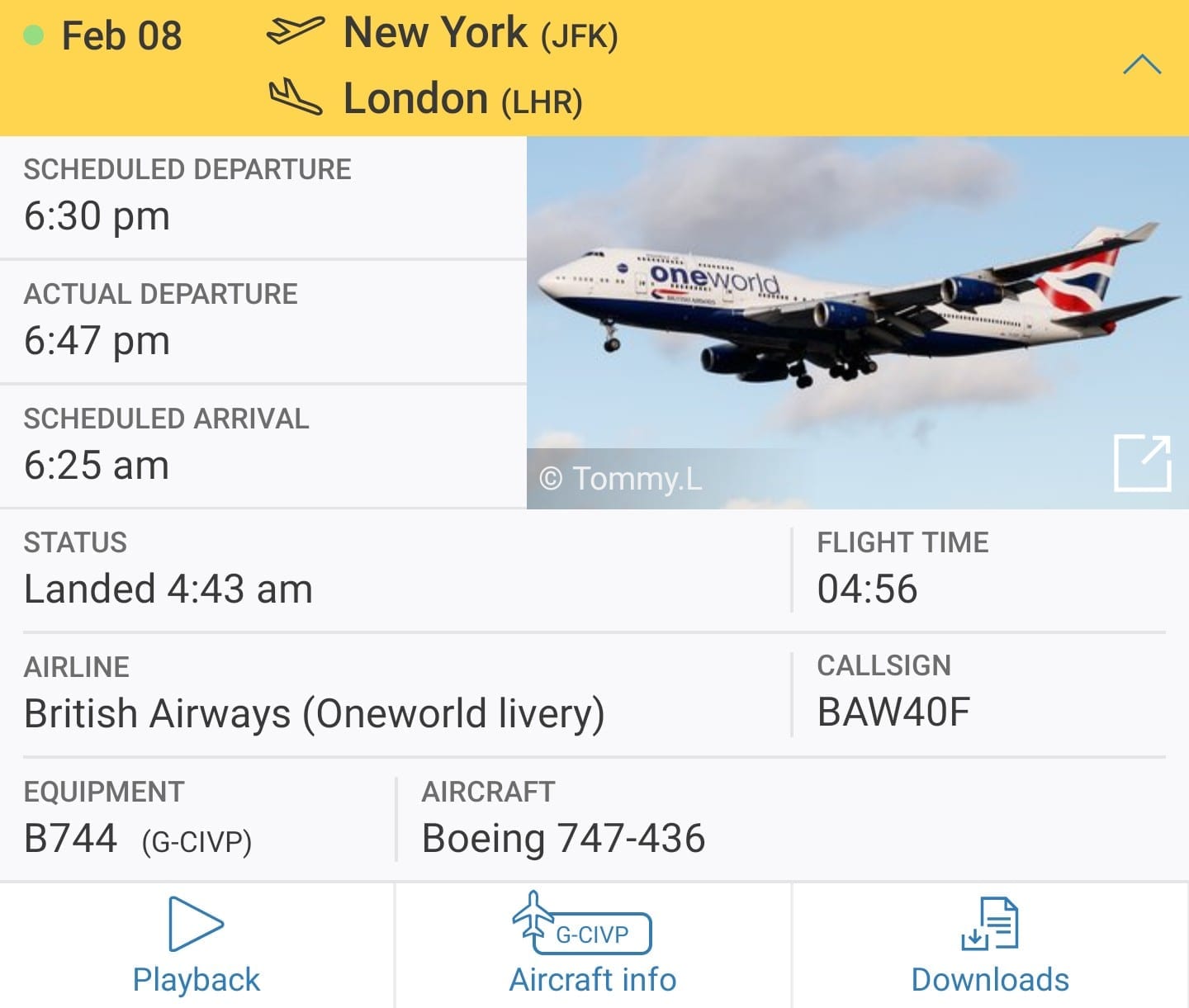
- Eastbound Flights (e.g., New York to London): When flying eastbound, aircraft often ride the jet stream, which acts as a powerful tailwind. This can significantly reduce flight times, often bringing them down to 6 to 7 hours. This is why the return journey from New York to London is generally shorter than the outbound flight.
- Westbound Flights (e.g., London to New York): Conversely, when flying westbound, aircraft often face the jet stream as a headwind. To conserve fuel and maintain comfort, pilots may fly at altitudes where the headwind is less severe or adjust their route to avoid the strongest currents. This resistance adds to the flight duration, which is why the London to New York leg typically takes longer, usually around 7 to 8 hours, sometimes stretching to 8.5 hours in adverse conditions.
Other weather phenomena, such as storms or turbulence, can also necessitate changes in altitude or routing, adding precious minutes to the journey. While these are usually minor, they are part of the complex calculations that go into modern aviation.
The Role of Airports and Ground Operations
The efficiency of the departure and arrival airports also plays a role in the perceived and actual travel time. Large international airports like Heathrow Airport and JFK International Airport are bustling hubs with complex ground operations.
- Taxiing Time: The time spent taxiing on the runway before takeoff and after landing can vary. At busy times, it’s not uncommon for an aircraft to spend 20-30 minutes, or even more, maneuvering to and from the gate. This is technically part of the ‘block time’ (gate-to-gate) but not always included in the ‘flight time’ estimate.
- Air Traffic Congestion: Air traffic control delays can occur due to high volumes of flights, especially during peak travel seasons or unexpected events. This might mean holding patterns in the air before landing or delayed take-off slots.
- Customs and Immigration: While not part of the flight duration itself, the time spent clearing customs and immigration upon arrival can significantly add to your overall journey time. JFK International Airport and Newark Liberty International Airport are known for their varying wait times, so factoring in an additional 1-2 hours for these procedures is always wise. The experience can be streamlined by utilizing services like Global Entry for eligible travelers, enhancing the overall arrival experience.
Beyond the Flight: Preparing for Your Transatlantic Experience
A transatlantic flight isn’t just about the hours spent in the air; it’s about preparing your body and mind for the transition across continents and time zones. Thoughtful preparation can significantly enhance your comfort during the journey and help you hit the ground running upon arrival.
Beating Jet Lag and Time Zone Management
The London to New York route involves a significant time difference – typically five hours. This means when you land in New York at, say, 3:00 PM local time, your body will still think it’s 8:00 PM London time. This disruption to your circadian rhythm is what causes jet lag, manifesting as fatigue, disorientation, and difficulty sleeping.
To combat jet lag, consider these tips:
- Adjust Before You Go: A few days before departure, try to shift your sleep schedule closer to New York time. Even an hour or two can make a difference.
- Hydrate: Drink plenty of water before, during, and after your flight. Avoid excessive alcohol and caffeine, which can exacerbate dehydration and jet lag.
- Adjust to Local Time Immediately: Upon arrival, try to align with the local time zone as quickly as possible. If it’s daytime, expose yourself to natural light and try to stay active. If it’s evening, aim for a regular bedtime, even if you don’t feel tired.
- Manage Sleep: Consider a short nap (20-30 minutes) on your first day if absolutely necessary, but avoid long naps that can further disrupt your sleep cycle. For some, a melatonin supplement can help regulate sleep patterns in the new time zone.

Understanding and proactively managing jet lag is crucial, whether you’re embarking on a crucial business meeting in Manhattan or eager to explore the Statue of Liberty and Brooklyn Bridge without feeling perpetually tired.
Essential Packing for Comfort and Convenience
A long-haul flight demands a well-thought-out packing strategy, especially for your carry-on luggage. Comfort, entertainment, and essential items should be your priorities.
- Comfortable Clothing: Wear loose-fitting, breathable layers. The cabin temperature can fluctuate, so layers allow you to adjust. Compression socks are also highly recommended to aid circulation and prevent swelling.
- Travel Pillow and Blanket: While some airlines provide these, having your own familiar and comfortable options can make a significant difference in getting some rest.
- Entertainment: Load your devices with movies, TV shows, podcasts, audiobooks, or e-books. While most airlines offer in-flight entertainment, having your own ensures you have something you truly enjoy. Don’t forget noise-canceling headphones to block out cabin noise.
- Snacks and Water Bottle: Although meals are provided, having your favorite snacks can be a lifesaver, especially if you have dietary restrictions or specific preferences. A reusable water bottle can be refilled after security.
- Toiletries: Pack a small bag with travel-sized toiletries like a toothbrush, toothpaste, moisturizer, lip balm, and hand sanitizer. Staying fresh can make a big difference in how you feel.
- Important Documents: Keep your passport, visa (if required), flight details, and accommodation bookings easily accessible. Consider digital copies as a backup.
This meticulous approach to packing can transform an eight-hour flight into a much more manageable and even enjoyable part of your travel experience, setting the stage for a positive exploration of New York.
In-Flight Entertainment and Productivity
Modern air travel has transformed the in-flight experience, offering a range of options to pass the time. Most major airlines on the London to New York route provide extensive in-flight entertainment systems with a wide selection of movies, TV shows, music, and games. Many also offer Wi-Fi, allowing passengers to stay connected, work, or stream their own content (often for a fee).
For those traveling for business, the flight can be an opportunity for uninterrupted work. With noise-canceling headphones, a fully charged laptop, and pre-downloaded documents, you can catch up on emails, prepare presentations, or tackle tasks without the distractions of an office or home environment. For leisure travelers, it’s a perfect chance to delve into a good book, plan your New York itinerary, or simply relax and enjoy the journey, perhaps even catching up on sleep before embarking on adventures in cities known for their vibrant culture and endless activities.
Arriving in the Big Apple: Your New York Welcome
Landing in New York marks the official end of your flight and the beginning of your urban exploration. Understanding the airport landscape and ground transportation options is essential for a smooth transition from the cabin to the city’s dynamic rhythm.
Navigating New York’s Major Airports
New York City is served by three primary airports: JFK International Airport, Newark Liberty International Airport, and LaGuardia Airport. Most international flights from London arrive at either JFK International Airport (located in Queens) or Newark Liberty International Airport (located in New Jersey but serving the New York area). LaGuardia Airport (also in Queens) primarily handles domestic flights.
- JFK International Airport (JFK): The largest and busiest of the three, JFK International Airport serves as a major international gateway. It has multiple terminals, each serving different airlines. Navigation within JFK International Airport is facilitated by the AirTrain, which connects all terminals, parking lots, and provides access to subway and Long Island Rail Road (LIRR) services into Manhattan and Brooklyn.
- Newark Liberty International Airport (EWR): Also a significant international hub, Newark Liberty International Airport is a convenient option for travelers staying on the west side of Manhattan or in New Jersey. Similar to JFK International Airport, it has an AirTrain system that connects to NJ Transit and Amtrak trains, offering direct routes to New York Penn Station in Manhattan.
Familiarizing yourself with your arrival airport and terminal beforehand can save valuable time and reduce stress, especially after a long flight.
From Airport to Accommodation: Transport Options
Once you’ve cleared customs and collected your luggage, a variety of transportation options await to take you to your chosen accommodation, whether it’s a luxury hotel suite in Midtown Manhattan, a boutique hotel in SoHo, or an apartment rental in Brooklyn.
- Public Transport: This is often the most cost-effective way to get into New York City. From JFK International Airport, the AirTrain connects to the A, E, and J subway lines. From Newark Liberty International Airport, the AirTrain links to NJ Transit trains that go directly to New York Penn Station. While public transport might take longer, it offers a true local experience and avoids potential traffic jams.
- Taxis/Ride-sharing Services: Taxis are readily available outside all terminals. For JFK International Airport, there’s a flat fare to Manhattan (plus tolls and surcharges). From Newark Liberty International Airport, taxi fares are metered. Ride-sharing apps like Uber and Lyft also operate from both airports, offering various service levels. These options provide convenience, especially if you have a lot of luggage or are traveling with a group.
- Shuttle Services: Shared-ride shuttles can be a good middle ground, offering door-to-door service at a price lower than a private taxi, though they may involve multiple stops.
- Private Car Services: For those prioritizing luxury and efficiency, pre-booked private car services offer a seamless and comfortable transfer directly to your accommodation, ideal for business travelers or those seeking a premium start to their New York experience.
Choosing the right transport largely depends on your budget, time constraints, and the amount of luggage you have. Regardless of your choice, the journey from the airport into the heart of New York provides your first glimpse of this incredible city, a transition from air travel to urban adventure.
Making the Most of Your London and New York Adventures
The journey from London to New York is more than just flight duration; it’s about the entire travel experience. Both cities offer an unparalleled array of destinations, attractions, and cultural experiences, making the planning as exciting as the trip itself.
Exploring London: Before You Depart
Before you embark on your transatlantic flight, take some time to immerse yourself in the wonders of London. From historical landmarks to vibrant cultural scenes, the city provides a rich tapestry of experiences. You could visit the iconic Buckingham Palace, explore the historic Tower of London, or marvel at the architectural grandeur of Westminster Abbey. Art and history enthusiasts will find endless enjoyment at the British Museum, home to a world-renowned collection of artifacts.
For a quintessential London experience, consider a stroll along the River Thames, taking in views of famous bridges and historical buildings. If you’re a fan of the performing arts, catching a show in the West End is a must. London also boasts an incredible culinary scene, ranging from traditional pubs to Michelin-starred restaurants, offering a taste for every budget and lifestyle. Accommodation options are equally diverse, from luxurious suites in Knightsbridge to charming boutique hotels in SoHo, ensuring a comfortable stay tailored to your preferences.
Discovering New York: After You Land
Upon arrival in New York, the city’s energy is immediately palpable. Known as the “Big Apple,” New York offers an endless array of attractions and activities. Your first few days could include a visit to the Statue of Liberty and Ellis Island, a pilgrimage to the Empire State Building for panoramic views, or a serene walk through Central Park.
Explore the vibrant atmosphere of Time Square, catch a world-class performance on Broadway, or wander through the artistic streets of Greenwich Village. Foodies will delight in New York’s diverse culinary landscape, from iconic pizza joints to high-end dining experiences. The city also offers unparalleled shopping, from luxury boutiques to unique vintage stores. When it comes to accommodation, New York caters to every taste, from opulent hotels in Midtown Manhattan to trendy apartments in Brooklyn, ensuring your stay is as memorable as your explorations.
In conclusion, while the direct flight from London to New York typically spans 7 to 8 hours, the overall journey is a rich tapestry of travel preparation, in-flight considerations, and exciting explorations on both ends. By understanding the factors influencing flight duration and preparing effectively, you can ensure your transatlantic adventure is as smooth and enjoyable as possible, truly embodying the spirit of global travel and discovery.
LifeOutOfTheBox is a participant in the Amazon Services LLC Associates Program, an affiliate advertising program designed to provide a means for sites to earn advertising fees by advertising and linking to Amazon.com. Amazon, the Amazon logo, AmazonSupply, and the AmazonSupply logo are trademarks of Amazon.com, Inc. or its affiliates. As an Amazon Associate we earn affiliate commissions from qualifying purchases.