
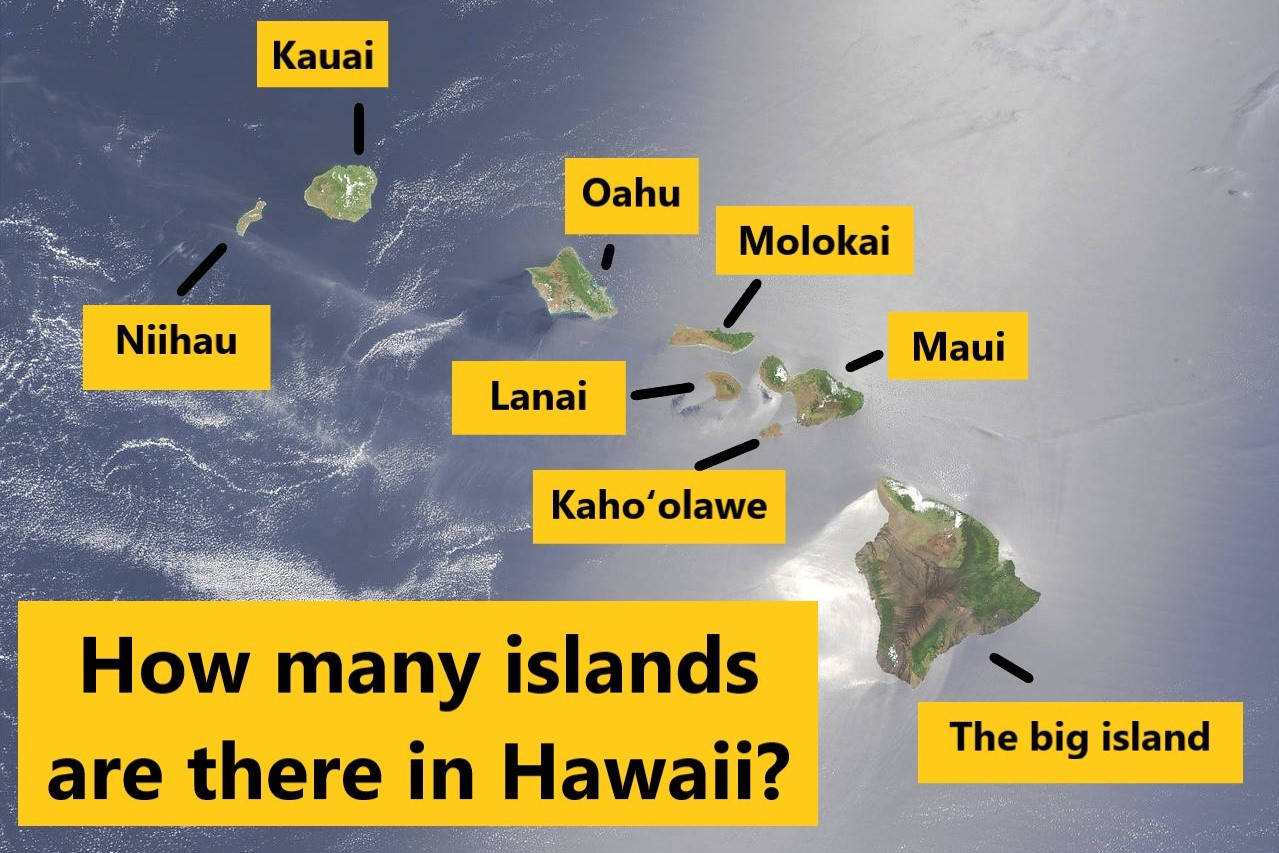
The allure of Hawaii is undeniable – a chain of volcanic islands rising majestically from the heart of the Pacific Ocean, famous for its breathtaking landscapes, vibrant culture, and unparalleled hospitality. When dreaming of a Hawaiian getaway, many travelers envision iconic scenes: the bustling shores of Waikiki, the dramatic cliffs of the Na Pali Coast, or the fiery depths of Kilauea Volcano. But how many islands truly make up this enchanting archipelago? The simple answer often surprises people, as the full scope of Hawaii’s landmass extends far beyond the popular tourist destinations.
While most visitors are familiar with the “main” eight islands, the State of Hawaii is actually comprised of hundreds of islands, islets, and atolls stretching over 1,500 miles. This incredible geographical spread makes Hawaii one of the world’s most isolated and unique island chains, offering a diverse array of experiences for every type of traveler. From luxury resorts and pristine beaches to rugged volcanic terrain and ancient cultural sites, understanding the full extent of Hawaii’s islands is the first step in planning an unforgettable journey. Whether you’re seeking adventure, relaxation, or deep cultural immersion, the vastness of this Pacific paradise means there’s always something new to discover.
Unveiling the Hawaiian Archipelago: More Than Meets the Eye
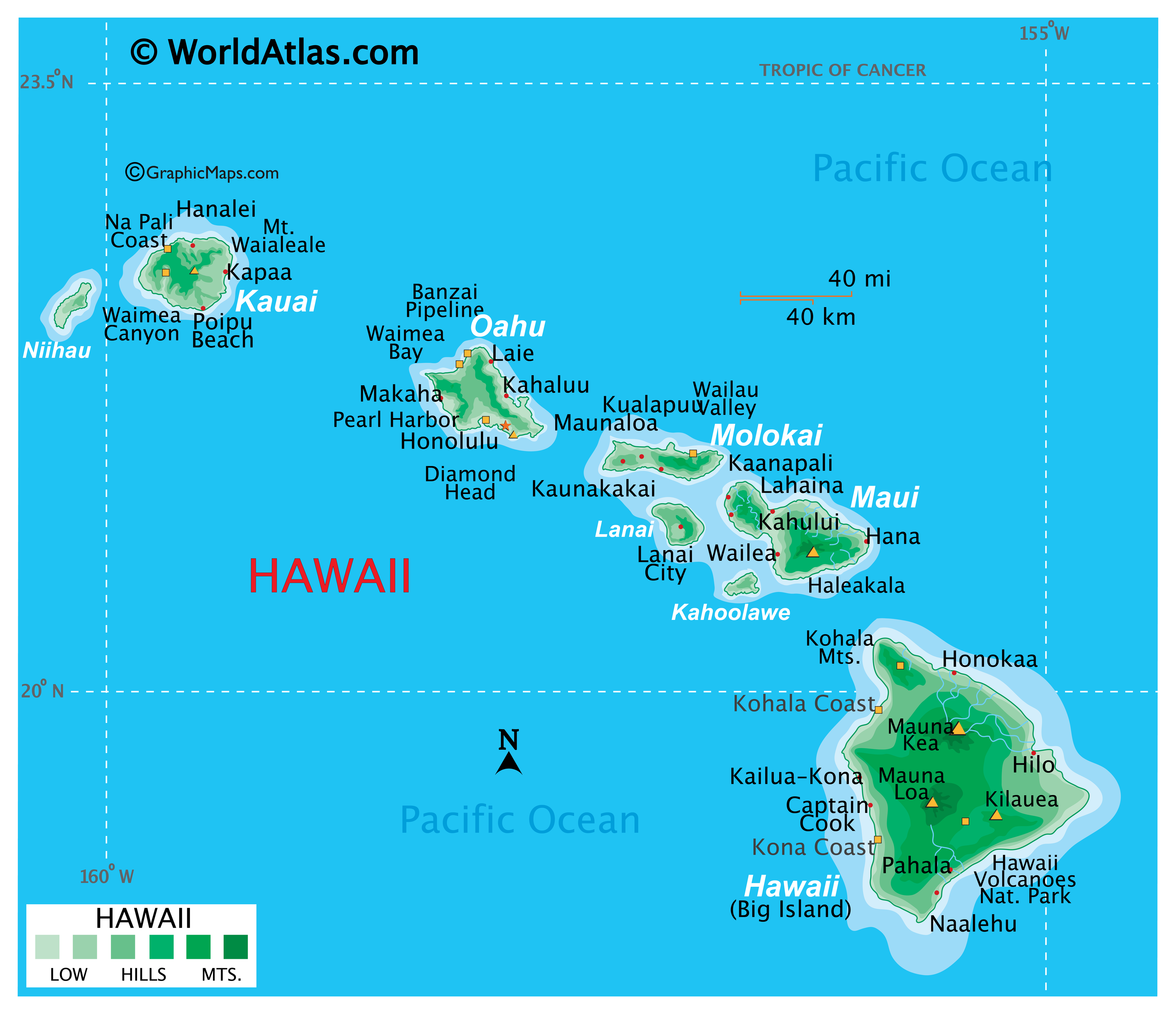
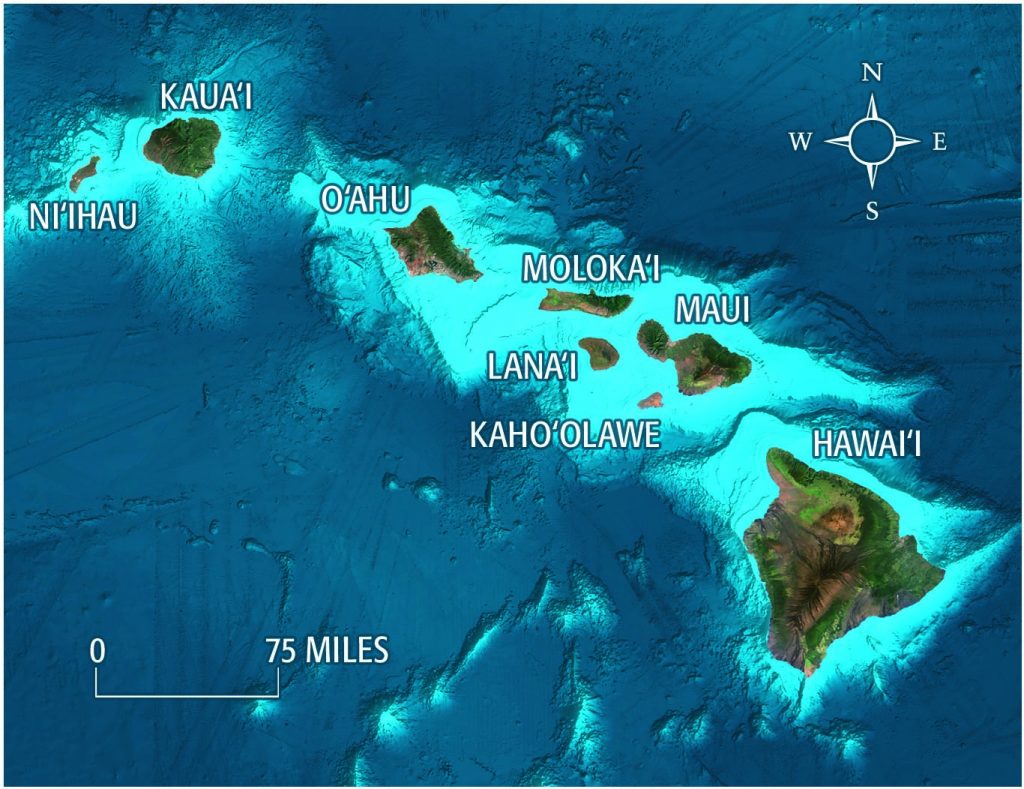
The common perception of Hawaii usually centers around its eight largest islands. However, the Hawaiian Archipelago is a sprawling collection of over 130 islands, islets, and atolls, forming a chain that traces the path of a volcanic hotspot over millions of years. This impressive geological formation includes everything from towering volcanic peaks to tiny, uninhabited coral islets, each playing a role in the natural and cultural tapestry of the state.
The islands are broadly divided into two main groups: the eight main Hawaiian Islands to the southeast, which are geologically younger and more frequently visited, and the Northwestern Hawaiian Islands (NWHI) to the northwest, which are older, smaller, and mostly uninhabited, forming one of the largest marine conservation areas in the world.
The Eight Main Hawaiian Islands: A Closer Look at the Heart of Paradise
These are the islands that capture the imagination of travelers worldwide, offering a vibrant mix of activities, accommodations, and unique landscapes. Each island boasts its own distinct personality, inviting visitors to craft their perfect Hawaiian experience.
-
Hawaii Island (The Big Island): As its name suggests, this is the largest island by far, almost twice the size of all the other islands combined. Known for its incredible geological diversity, the Big Island is home to five volcanoes, including the active Kilauea and the snow-capped peak of Mauna Kea, a prime stargazing destination. Travelers can explore the dramatic landscapes of Hawaii Volcanoes National Park, relax on black sand beaches, swim with manta rays off the Kona Coast, or savor world-renowned Kona Coffee grown on its fertile slopes. Accommodation ranges from luxury resorts like the Four Seasons Resort Hualalai to charming bed and breakfasts, catering to every lifestyle.
-
Maui: Often dubbed the “Valley Isle,” Maui is celebrated for its stunning beaches, world-class resorts, and the majestic dormant volcano Haleakala, where watching the sunrise is an almost spiritual experience. The legendary Road to Hana offers a scenic journey through lush rainforests, past cascading waterfalls, and breathtaking coastal views. Maui is also a premier destination for whale watching during the winter months, and its luxurious accommodations, such as the Ritz-Carlton Kapalua and the Grand Wailea, make it a favorite for luxury travelers and honeymooners.
-
Oahu: Known as “The Gathering Place,” Oahu is the most populous and developed island, blending vibrant city life with natural beauty. Honolulu, the state capital, offers an array of urban attractions, from high-end shopping and diverse culinary experiences to historical sites like Pearl Harbor National Memorial. The iconic Waikiki Beach is perfect for surfing lessons and sunbathing, while the island’s North Shore is famous for its legendary big wave surfing. Oahu provides a vast range of accommodation, from the historic Moana Surfrider to family-friendly apartments and budget hotels, suiting various travel styles.
-
Kauai: The “Garden Isle” lives up to its name with its incredibly lush, verdant landscapes, dramatic cliffs, and cascading waterfalls. The breathtaking Na Pali Coast is a sight to behold from a helicopter, boat tour, or challenging hike, while the vast Waimea Canyon, often called the “Grand Canyon of the Pacific,” offers stunning panoramic views. Kauai is ideal for nature lovers and adventure seekers, with activities like kayaking, zip-lining, and exploring botanical gardens. Resorts like the Grand Hyatt Kauai Resort & Spa offer luxurious retreats amidst its natural splendor.
-
Molokai: Known as the “Friendly Isle” and considered by many to be the most “Hawaiian” island, Molokai offers a glimpse into traditional Hawaii with fewer crowds and untouched natural beauty. It boasts the highest sea cliffs in the world along its northern coast and the historical Kalaupapa National Historical Park, once a leper colony, now a poignant testament to resilience. Accommodations are generally simpler, focusing on local guesthouses and small hotels, appealing to those seeking an authentic cultural experience.
-
Lanai: Once known as the “Pineapple Isle,” Lanai has transformed into a luxury destination, largely owned by Larry Ellison. It offers an exclusive escape with high-end resorts like the Four Seasons Resort Lanai and world-class golf courses. Beyond luxury, Lanai also provides rugged adventures, from off-roading to explore the otherworldly landscape of Keahiakawelo (Garden of the Gods) to snorkeling in the pristine waters of Manele Bay. It’s perfect for those seeking privacy and pampering, coupled with optional outdoor exploration.
-
Niihau: The “Forbidden Isle” is privately owned by the Robinson family and largely inaccessible to outsiders, preserving a unique Hawaiian way of life where the native language is still spoken predominantly. Limited tours (often helicopter or hunting excursions) are available, offering a rare glimpse into a truly untouched part of the archipelago. It emphasizes cultural preservation and a connection to ancient traditions, a truly unique aspect of Hawaiian heritage.
-
Kahoolawe: The smallest of the eight main islands, Kahoolawe is uninhabited and has a complex history, having been used as a bombing range by the U.S. military. Today, it is undergoing extensive cultural and environmental restoration efforts, managed by the Kahoolawe Island Reserve Commission. It serves as a powerful symbol of ecological healing and cultural revitalization, open only for Native Hawaiian cultural practices and supervised restoration work.
The Northwestern Hawaiian Islands: A Remote Natural Sanctuary
Beyond these eight main islands lies a vast stretch of smaller, older, and largely uninhabited islands, atolls, and shoals known as the Northwestern Hawaiian Islands (NWHI). These islands form the Papahānaumokuākea Marine National Monument, a UNESCO World Heritage site and one of the largest protected marine areas globally. This monument is critical for scientific research and the conservation of rare and endangered species.
- Ecological Significance: The NWHI are home to over 7,000 marine species, a quarter of which are endemic, found nowhere else on Earth. This includes monk seals, green sea turtles, and numerous seabird species. Islands like Midway Atoll are significant for their historical role in World War II and as critical nesting sites for albatross.
- Access: Public access to the NWHI is extremely limited, requiring special permits primarily for scientific research or cultural purposes. This strict protection ensures the preservation of their fragile ecosystems and unique biodiversity. While not a tourist destination in the traditional sense, their existence highlights the incredible natural heritage and vastness of the Hawaiian Archipelago.
Planning Your Hawaiian Adventure: Tailoring Your Experience
With such a diverse array of islands, planning a trip to Hawaii becomes an exciting exercise in personalization. Whether you’re a thrill-seeker, a luxury enthusiast, a budget-conscious backpacker, or planning a family vacation, there’s an island—or combination of islands—perfectly suited to your travel style.
Choosing Your Perfect Island(s)
Deciding which island(s) to visit depends heavily on your priorities and interests.
- For the Adventure Seeker: Hawaii Island (volcanoes, stargazing, diverse hiking), Kauai (Na Pali Coast hikes, kayaking, zip-lining), and Maui (Haleakala hikes, Road to Hana exploration) offer endless opportunities for outdoor excitement.
- For Luxury and Relaxation: Lanai (exclusive resorts, pristine beaches), Maui (world-class spas, fine dining), and parts of Oahu (high-end Waikiki hotels, upscale experiences) are ideal. Resorts like the Andaz Maui at Wailea Resort offer unparalleled indulgence.
- For Cultural Immersion: Molokai provides an authentic glimpse into traditional Hawaiian life. On other islands, seeking out local luaus, cultural centers, and small towns away from major tourist hubs can offer rich insights into local culture.
- For Family Fun: Oahu offers a fantastic mix of attractions like the Polynesian Cultural Center, Honolulu Zoo, and various beaches. Maui also boasts family-friendly resorts and activities like snorkeling at Molokini Crater.
- For Budget Travelers: While Hawaii can be expensive, options exist. Oahu generally offers the widest range of budget accommodations and food choices. Camping and vacation rentals can also provide more affordable long-term stay options across various islands.
Accommodation Options for Every Traveler
The diversity of Hawaii’s islands is matched by its vast selection of accommodation, ensuring that every lifestyle and budget can find a suitable home away from home.
- Luxury Resorts: Iconic names like the Fairmont Kea Lani on Maui or the St. Regis Princeville Resort (now 1 Hotel Hanalei Bay) on Kauai offer unparalleled amenities, gourmet dining, and stunning oceanfront views, perfect for a honeymoon or an indulgent escape. These establishments often boast private villas, world-class spas, and bespoke experiences.
- Boutique Hotels: For a more intimate and unique experience, boutique hotels often feature local art, personalized service, and a distinct charm, reflecting the local culture.
- Vacation Rentals (Villas, Apartments, Condos): Popular especially for families or longer stays, vacation rentals through platforms like Airbnb or VRBO provide a home-away-from-home feel, often with kitchens and multiple bedrooms. This option can be particularly cost-effective for groups or those looking to self-cater.
- Budget-Friendly Stays: Hostels, smaller independent hotels, and guesthouses on islands like Oahu and the Big Island offer more economical choices, allowing travelers to experience Hawaii without breaking the bank. Many offer essential amenities and a friendly atmosphere, perfect for solo travelers or those prioritizing experiences over lavish lodging.
Must-Do Activities and Landmarks
No matter which island you choose, Hawaii is brimming with attractions and experiences that embody its spirit and natural beauty.
- Surfing Lessons at Waikiki Beach: Learn the sport of kings in the legendary waters of Oahu.
- Visiting Pearl Harbor National Memorial: A poignant and important historical landmark on Oahu, offering insights into a pivotal moment in American history.
- Exploring Hawaii Volcanoes National Park: Witness the raw power of creation on the Big Island as you hike across volcanic landscapes and, if conditions permit, see flowing lava.
- Driving the Road to Hana: An epic scenic drive on Maui through lush rainforests, past countless waterfalls, and breathtaking coastal views.
- Helicopter Tour of the Na Pali Coast: Experience the dramatic, emerald cliffs of Kauai from a bird’s-eye perspective, an unforgettable landmark.
- Experiencing a Traditional Luau: Immerse yourself in Hawaiian culture with traditional food, music, and hula dancing, available on all major islands.
- Snorkeling or Diving at Molokini Crater: A crescent-shaped volcanic islet off the coast of Maui, renowned for its crystal-clear waters and abundant marine life.
- Stargazing at Mauna Kea: On the Big Island, the summit of this dormant volcano offers one of the clearest views of the night sky on Earth, home to world-class observatories.
Embracing the Spirit of Aloha: Tips for a Responsible Visit
Beyond the numbers of islands and lists of attractions, the true magic of Hawaii lies in its unique “Aloha Spirit” – a philosophy of love, peace, compassion, and mutual respect. To truly appreciate this paradise, responsible tourism is key.
Respecting Local Culture and Environment
- Malama Aina (Care for the Land): Embrace sustainable travel practices. Stay on marked trails, do not touch or disturb marine life (including coral), and dispose of waste properly. Remember that all marine life is protected by state and federal laws.
- Respect Local Customs: Be mindful of local traditions and etiquette. Learn a few Hawaiian phrases, participate respectfully in cultural activities, and understand that some areas are sacred or privately owned.
- Support Local Businesses: Choose locally owned restaurants, shops, and tour operators to contribute directly to the Hawaiian economy and culture. This is crucial for many local families and artists.
Navigating the Islands
- Inter-Island Flights: Traveling between the main islands is typically done via short flights on airlines like Hawaiian Airlines or Southwest Airlines. Booking these in advance is recommended, especially during peak seasons.
- Rental Cars: A rental car is essential for exploring most islands at your own pace, offering the freedom to discover hidden gems and avoid relying solely on limited public transport or expensive tours.
- Public Transportation: Oahu has the most extensive public bus system (TheBus), which is a budget-friendly way to get around Honolulu and surrounding areas. Other islands have more limited options, making rental cars a practical necessity.
Best Time to Visit
Hawaii enjoys a pleasant tropical climate year-round, but specific times offer unique advantages.
- Peak Season: December to April sees higher prices and more crowds, especially around holidays, as visitors escape winter. This is also prime whale-watching season.
- Shoulder Seasons: May, September, and October often offer a sweet spot with good weather, fewer crowds, and potentially lower prices for flights and accommodation.
- Summer: June to August is popular for families, with generally dry and sunny weather, though it can be hotter.
In conclusion, while the question “How many islands in Hawaii?” might initially conjure images of just a handful of well-known landmasses, the reality is far more expansive and intriguing. From the vibrant energy of Oahu to the serene seclusion of Lanai, and stretching to the protected ecological wonders of the Northwestern Hawaiian Islands, this archipelago offers a world of discovery. Each island, with its unique geology, culture, and array of activities and accommodation, contributes to the rich mosaic that is Hawaii. Whether you seek adventure, luxurious relaxation, or a deep dive into local culture, understanding the true count and character of these islands is the key to unlocking an unforgettable Hawaiian journey. Plan your itinerary wisely, embrace the Aloha Spirit, and prepare to be captivated by the timeless beauty of these Pacific gems.
LifeOutOfTheBox is a participant in the Amazon Services LLC Associates Program, an affiliate advertising program designed to provide a means for sites to earn advertising fees by advertising and linking to Amazon.com. Amazon, the Amazon logo, AmazonSupply, and the AmazonSupply logo are trademarks of Amazon.com, Inc. or its affiliates. As an Amazon Associate we earn affiliate commissions from qualifying purchases.