
The name Las Vegas conjures images of glittering neon, boundless entertainment, luxurious resorts, and an endless pursuit of fortune. It’s a city unlike any other, a testament to human ambition, resilience, and a touch of wild abandon, seemingly plucked from the barren Nevada desert. But who, or what, is truly responsible for the creation of this iconic global destination, often dubbed the “Entertainment Capital of the United States”? The answer isn’t a single person but rather a complex tapestry woven from indigenous history, daring explorers, ambitious developers, and even organized crime. It’s a story of natural resources, strategic location, audacious vision, and relentless reinvention, culminating in one of the world’s premier travel and lifestyle hubs.

From Desert Spring to Railroad Town: The Early Foundations
Long before the slot machines chimed and the fountains danced, the Las Vegas Valley was a verdant oasis, a crucial lifeline in an otherwise harsh desert landscape. Understanding its origins means tracing back through centuries of human interaction with this unique environment.
The Oasis in the Arid Landscape: Indigenous Roots
The very name “Las Vegas,” meaning “The Meadows” in Spanish, speaks to the valley’s most vital feature: artesian springs that fed lush grasslands. For thousands of years, these natural springs sustained indigenous communities, most notably the Southern Paiute people. They understood and respected the delicate ecosystem, utilizing the abundant water for sustenance and trade. Their presence here laid the groundwork for human settlement, recognizing the strategic importance of a reliable water source in an unforgiving region. The land itself, with its unique geological formations and natural beauty, became an early landmark, signaling the potential for a thriving community.
Spanish Explorers and Mormon Pioneers
The first Europeans to document the Las Vegas Valley arrived in the early 19th century. In 1829, a young scout named Rafael Rivera, part of an expedition led by Antonio Armijo on the Old Spanish Trail from New Mexico to California, stumbled upon the lush valley and its life-giving springs. It was his discovery that cemented the name “Las Vegas” on maps and in the lexicon of westward expansion. The valley quickly became a vital stopover for traders and travelers navigating the treacherous deserts.
Decades later, in 1855, a group of Mormon missionaries from Utah established a fort near the springs, attempting to convert the Southern Paiute and create a waystation between Salt Lake City and Los Angeles. While their settlement was short-lived, lasting only until 1857, it marked the first organized American attempt to colonize the area, demonstrating its burgeoning strategic significance for overland travel and potential agricultural development. The remnants of this fort remain today as a historic landmark, a tangible link to Las Vegas’s foundational past.
The Arrival of the Railroad and Official Birth
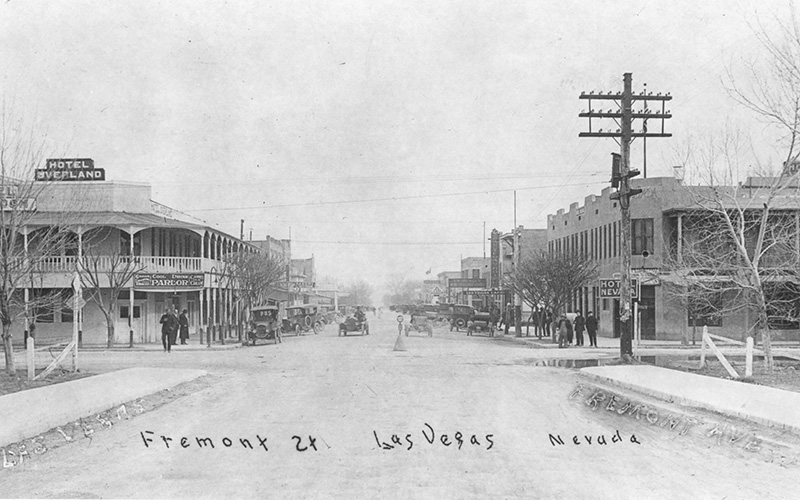
The true catalyst for the modern city of Las Vegas came with the advent of the railroad. In 1905, the Union Pacific Railroad, then known as the San Pedro, Los Angeles and Salt Lake Railroad, acquired the water rights to the Las Vegas springs. Recognizing the valley’s strategic position as a midway point between Los Angeles and Salt Lake City, the railroad company decided to establish a division point and held an auction for 1,200 lots of land.
On May 15, 1905, the auction took place, effectively marking the official birth of the city. The railroad provided a direct link for goods and people, transforming the remote outpost into a bustling hub. A small tent city quickly gave way to permanent structures, hotels, and businesses catering to railroad workers and travelers. This pivotal moment shifted Las Vegas from a mere stopping point to a burgeoning town, driven by industry and the promise of new opportunities. The railroad, owned by the Las Vegas Land and Water Company, effectively “created” the modern city’s footprint and initial economy.
The Dawn of Gambling and the Mob Era
While the railroad provided the infrastructure, it was a confluence of social and economic factors, coupled with daring (and sometimes dangerous) individuals, that truly molded Las Vegas into the gaming mecca it is today.
Prohibition’s Unintended Consequence: A Gambling Haven Emerges
The 1920s brought Prohibition to the United States, banning the sale of alcohol. However, Nevada, ever independent, quickly moved to legalize gambling in 1931. This legislative decision, combined with the onset of the Great Depression and the massive construction project of the Hoover Dam (just 30 miles southeast of Las Vegas), created the perfect storm. Thousands of dam workers, looking for entertainment and escape after grueling shifts, flocked to the nascent town. Gambling halls and speakeasies sprang up to cater to their needs, establishing Las Vegas’s reputation as a place where rules were bent and fortunes could be won or lost.
The construction of the Hoover Dam itself was a massive undertaking, drawing people from all over the country and funneling federal money into the region. This influx of population and capital provided the economic backbone that allowed the fledgling gambling industry to flourish, attracting enterprising individuals from across the United States.
The Visionaries and the Mob: Siegel’s Flamingo Dream
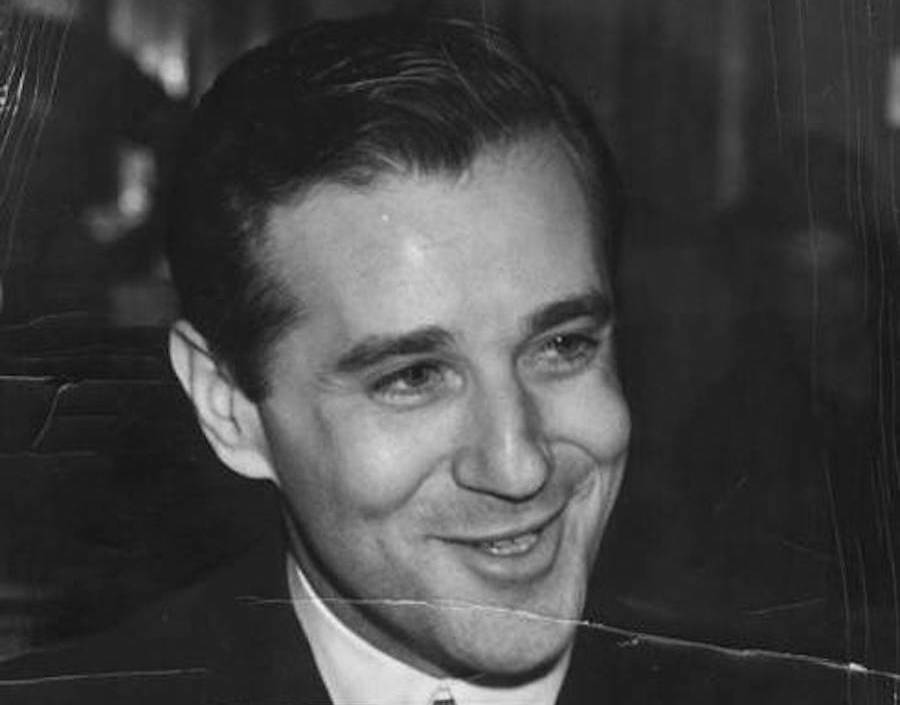
The 1940s marked a dramatic turning point with the arrival of notorious gangster Benjamin “Bugsy” Siegel. While not the first to establish a casino, Siegel envisioned something grander: a lavish, integrated resort that combined luxurious accommodation, fine dining, and top-tier entertainment with high-stakes gambling, appealing to a sophisticated clientele beyond just the local workers. His dream materialized in the Flamingo Las Vegas Hotel & Casino, which opened in 1946.
Despite initial financial struggles and Siegel’s violent demise shortly after its opening, the Flamingo set the blueprint for future Las Vegas resorts. It was a pioneering effort that birthed the concept of the modern “mega-resort” and gave rise to the legendary Las Vegas Strip. Other mob-backed ventures soon followed, including the Desert Inn (1950), the Sands Hotel and Casino (1952), the Riviera Hotel and Casino (1955), and the Stardust Resort and Casino (1958). These early resorts, with their opulent suites, celebrity performers, and thrilling casino floors, solidified Las Vegas’s reputation as a glamorous, if slightly illicit, destination for travel and experiences.
The Golden Age of Classic Resorts
The 1950s and 60s are often considered the “Golden Age” of Las Vegas. The Strip blossomed with more lavish properties, each vying to outdo the last in terms of entertainment and extravagance. Legendary entertainers like Frank Sinatra and the Rat Pack made Las Vegas their playground, drawing tourists from around the world. The city became synonymous with a certain kind of luxurious, adult-oriented lifestyle – a place where dreams were chased, and inhibitions were shed. This era cemented Las Vegas’s identity as the ultimate tourism destination for those seeking excitement and a break from the mundane.
Corporate Takeover and the Transformation into a Global Destination
The mob’s grip on Las Vegas, though instrumental in its early growth, began to loosen in the late 1960s and 70s, making way for a new era of corporate ownership and unprecedented expansion.
Howard Hughes: A New Era of Legitimacy
One of the most pivotal figures in Las Vegas’s shift from mob-controlled to corporate-owned was eccentric billionaire Howard Hughes. Arriving in 1966, Hughes began an unprecedented buying spree, acquiring major casinos like the Desert Inn, Sands, Frontier, and Silver Slipper. His investments, made with legitimate corporate funds, brought a new level of credibility and financial stability to the city. Hughes’ presence signaled to the world that Las Vegas was maturing, becoming a serious business venture rather than just a mob-fronted operation. His vision for a more legitimate and diversified economy laid the groundwork for future generations of developers.
Innovators and Mega-Resorts: Sarno, Kerkorian, and Wynn
The departure from mob control opened the floodgates for a new breed of visionaries who would revolutionize the Las Vegas experience, turning it into a true global tourism powerhouse.
- Jay Sarno: Sarno was the creative force behind Caesars Palace, which opened in 1966. He rejected the traditional “cowboy” or “rat pack” aesthetic, instead embracing an opulent Roman theme. Caesars Palace was not just a casino; it was an immersive experience, a resort designed to make guests feel like emperors. It featured luxurious accommodations, elaborate architecture, and a focus on high-end service, setting new standards for the scale and ambition of Las Vegas resorts.
- Kirk Kerkorian: A quiet but immensely impactful figure, Kerkorian was responsible for building some of the world’s largest hotels. He opened the International Hotel (later the Las Vegas Hilton) in 1969 and then, in 1973, the first MGM Grand, which was then the largest hotel in the world. Kerkorian’s strategy was volume and scale, aiming to attract a broader market with thousands of rooms and expansive facilities. His resorts were accommodation giants, fundamentally changing the landscape and capacity of the city.
- Steve Wynn: Often credited with ushering in the modern era of Las Vegas, Steve Wynn introduced the concept of the “themed resort” where every detail contributed to an immersive guest experience. His opening of The Mirage in 1989 was revolutionary. With its erupting volcano, lush tropical landscaping, and high-quality entertainment, The Mirage was the first truly modern mega-resort, combining luxury travel with a family-friendly appeal. Wynn continued this trend with Treasure Island (1993), featuring its pirate show, and the iconic Bellagio (1998), known for its spectacular Bellagio Fountains and art gallery. His properties elevated the standard for amenities, design, and overall guest experience, cementing Las Vegas as a benchmark for luxury hotels and resorts worldwide.
Diversifying the Entertainment Capital: Beyond Gambling
By the late 20th century, Las Vegas recognized the need to broaden its appeal beyond just gambling. Visionaries like Wynn and others spearheaded a movement to transform the city into a holistic entertainment, dining, shopping, and convention destination. Resorts began offering world-class restaurants from celebrity chefs, designer boutiques, elaborate shows (Cirque du Soleil made its Las Vegas debut in 1993 at Treasure Island), and family-friendly attractions like the Adventuredome at Circus Circus or the medieval theme of Excalibur Hotel & Casino.
This diversification attracted a wider demographic of tourists – families, business travelers, and those simply seeking a unique vacation experience. The strategy positioned Las Vegas not just as a gambling haven, but as a comprehensive travel destination, a place where local culture (albeit an invented one) and diverse activities could be enjoyed. The Fremont Street Experience in Downtown Las Vegas also emerged as a landmark attraction, revitalizing the city’s historic core.
The Ever-Evolving Skyline: Modern Las Vegas
Today, Las Vegas continues its relentless evolution, constantly rebuilding and reimagining itself to stay relevant and captivating for a global audience. The city is a living monument to architectural ambition and a dynamic force in the travel industry.
A Hub for Lifestyle and Luxury Travel
The early 2000s saw a new wave of ultra-luxury resorts, such as Wynn Las Vegas and Encore at Wynn Las Vegas, The Palazzo and The Venetian Resort Las Vegas, CityCenter (comprising Aria, Vdara, and Mandarin Oriental, now Waldorf Astoria). These properties emphasized sophisticated design, personalized service, and a focus on experiences beyond the casino floor, including high-end spas, exclusive clubs, and world-class shopping. Iconic landmarks like the replica Eiffel Tower at Paris Las Vegas or the Statue of Liberty at New York-New York Hotel & Casino create a sense of global pilgrimage right on the Strip.
Las Vegas has solidified its position as a leading destination for luxury travel, offering accommodation options that range from lavish suites to sprawling villas. It’s also become a thriving center for conventions and trade shows like CES, attracting business travelers alongside leisure tourists. Beyond the Strip, the surrounding Nevada landscape offers a different kind of attraction, with natural landmarks like the Grand Canyon, Red Rock Canyon National Conservation Area, and Mount Charleston offering outdoor adventures just a short drive away.
The Future of the Entertainment Capital
The narrative of Las Vegas’s creation is ongoing. Recent developments, such as the Resorts World Las Vegas complex and the state-of-the-art Allegiant Stadium (home to the Las Vegas Raiders), showcase the city’s commitment to continuous growth and diversification. The city has embraced professional sports, hosting events like Formula 1 races and potentially attracting National Basketball Association and Major League Baseball teams like the Oakland Athletics. This strategic move reinforces its status as a dynamic global hub for tourism, events, and a vibrant lifestyle.
In essence, no single individual “created” Las Vegas. Instead, it is the collective brainchild of a diverse cast of characters: the indigenous peoples who first discovered its life-giving springs, the Spanish explorers who named it, the railroad barons who laid its tracks, the early American settlers and dam workers who fueled its initial growth, the infamous figures who dared to dream big in the face of prohibition, and the brilliant entrepreneurs who transformed it into a legitimate, corporate-driven empire.
Las Vegas is a living, breathing testament to ingenuity and ambition, a constantly evolving landscape of travel experiences, luxurious accommodations, and iconic landmarks. It is, and always has been, a city of dreamers and doers, continually redefining what a destination can be. Its creation is an ongoing saga, etched in neon lights and built on the foundation of a desert oasis, inviting millions each year to be part of its extraordinary story.
LifeOutOfTheBox is a participant in the Amazon Services LLC Associates Program, an affiliate advertising program designed to provide a means for sites to earn advertising fees by advertising and linking to Amazon.com. Amazon, the Amazon logo, AmazonSupply, and the AmazonSupply logo are trademarks of Amazon.com, Inc. or its affiliates. As an Amazon Associate we earn affiliate commissions from qualifying purchases.