
The majestic landscapes of Los Angeles, a glittering gem in California, are renowned globally for their diverse beauty, from sun-kissed beaches to rugged mountains and vibrant urban sprawls. Millions flock here annually, drawn by the promise of Hollywood glamour, world-class attractions, and an unparalleled lifestyle. Yet, beneath this allure lies a delicate environmental balance, particularly susceptible to the ravages of wildfires. The question “What caused the fire in Los Angeles?” is one that frequently echoes, not just in times of crisis, but as a perennial concern for residents, local authorities, and, crucially, the extensive network of global travelers, hoteliers, and tourism stakeholders who contribute to the city’s dynamic economy.
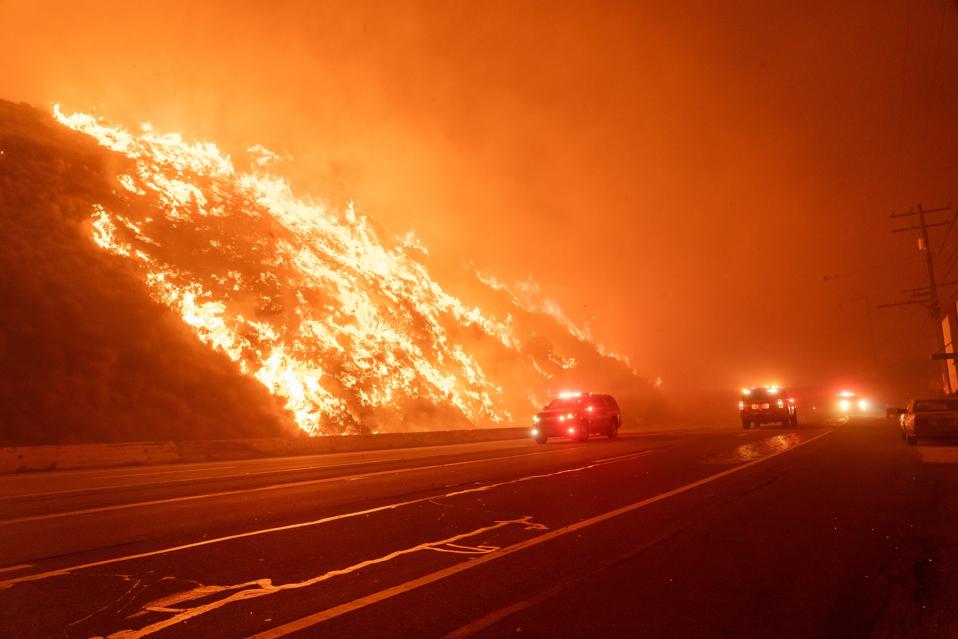
For those planning a dream vacation, considering a business stay, or investing in the local accommodation sector, understanding the genesis and broader implications of these fires is paramount. It’s not merely about pinpointing a single spark; it’s about comprehending the complex interplay of environmental factors, human activity, and the robust resilience that defines this iconic destination. This article delves into the underlying causes of fires in Los Angeles, examines their immediate and long-term impacts on travel, tourism, and hospitality, and offers insights for navigating future visits to this remarkable, yet ecologically sensitive, region.
Understanding Wildfires in Southern California
Wildfires are an inherent, albeit destructive, part of Southern California’s ecosystem. While often appearing as sudden, catastrophic events, their occurrence is rooted in a predictable, if dangerous, combination of climatic conditions and geographical characteristics. For travelers and those in the hospitality industry, a fundamental understanding of these factors is key to appreciating the local context and making informed decisions.
The Environmental Context of Los Angeles Fires
The Mediterranean climate of Los Angeles is a double-edged sword. While it blesses the region with abundant sunshine and mild winters, it also creates prolonged dry seasons, typically extending from late spring through late autumn. During these months, the native vegetation, primarily chaparral and scrub brush, becomes extraordinarily parched, turning into highly flammable fuel. This dryness is exacerbated by the infamous Santa Ana winds – powerful, hot, and dry gusts that sweep down from the high deserts and interior plateaus, funneling through mountain passes and canyons towards the coast. These winds act as a natural bellows, intensifying small fires into raging infernos and dramatically accelerating their spread across vast distances and challenging terrains, such as the Santa Monica Mountains or the hillsides of Malibu and Calabasas.
The topography of Los Angeles also plays a critical role. The city and its surrounding communities are nestled among canyons, hills, and mountain ranges, including the San Gabriel Mountains. This wildland-urban interface (WUI) – where human development meets undeveloped natural areas – creates a perilous zone where fires can quickly threaten homes, businesses, and essential infrastructure, bringing the issue directly into the realm of daily life and significantly impacting travel and accommodation options.
Common Causes: Natural and Human Factors
While lightning strikes can occasionally ignite wildfires, especially during rare summer thunderstorms, the overwhelming majority of fires in Los Angeles and across California are human-caused. These human ignitions range from accidental to negligent, and in some tragic instances, deliberate.
One of the most frequent culprits involves faulty or improperly maintained utility infrastructure. Power lines, particularly in windy conditions, can arc, or fall, sparking vegetation below. This has been a significant contributing factor in numerous large-scale infernos, prompting increased scrutiny and investment in grid hardening by utility companies.
Other common human-related causes include:
- Arson: Deliberate acts of fire-setting, often with devastating consequences.
- Equipment use: Sparks from construction equipment, vehicle exhaust systems, or agricultural machinery.
- Recreational activities: Unattended campfires, discarded cigarettes, fireworks, or even improperly doused barbecues.
- Miscellaneous accidents: Discarded glass bottles magnifying sunlight, sparks from grinding or welding, and even vehicle collisions.
Understanding these causes is crucial for prevention efforts and for travelers to recognize the importance of respecting local fire regulations, especially during peak fire season. The California Department of Forestry and Fire Protection (CAL FIRE) and local fire departments continuously emphasize public awareness campaigns to mitigate these risks.
Immediate Impact on Travel and Tourism in Los Angeles
When wildfires erupt near Los Angeles, the effects are felt almost immediately across the tourism and hospitality sectors. From airport operations to hotel bookings, the ripple effect can significantly alter travel plans and experiences for thousands of visitors.
Disruption to Travel Plans and Logistics
One of the most immediate consequences of a large fire is the disruption to transportation networks. Major roadways, especially those passing through affected areas or serving as evacuation routes, are often closed. Iconic scenic drives like portions of the Pacific Coast Highway in Malibu can become inaccessible, forcing travelers to reroute or cancel excursions. Even inland routes connecting Los Angeles to destinations in Ventura County or Orange County can experience significant delays due to smoke, reduced visibility, or emergency vehicle presence.
Air travel can also be impacted. While Los Angeles International Airport (LAX) is rarely directly threatened by fire, smoke plumes can lead to air quality alerts and, in severe cases, cause flight delays or cancellations due to reduced visibility or operational adjustments for inbound and outbound flights. Travelers relying on public transportation or ride-sharing services may also face challenges, including longer travel times and fewer available options, especially when navigating areas under evacuation orders or near active fire zones.
Safety Concerns for Visitors and Residents
The primary concern during a fire event is, undoubtedly, safety. For tourists, this translates into several critical considerations. Air quality is a major factor; even if a fire is miles away, smoke can travel significant distances, leading to unhealthy air conditions. Visitors, particularly those with respiratory sensitivities, should monitor air quality reports from sources like the National Weather Service or local air quality management districts.
Evacuation orders are another serious concern. While tourists are unlikely to be in primary evacuation zones unless staying in remote areas or specific residential communities, understanding the local emergency response system is vital. Hotels and accommodation providers are typically well-versed in these protocols and will provide guidance to their guests. However, it underscores the importance of travel insurance that covers fire-related disruptions and encourages travelers to stay informed through official channels rather than relying solely on social media.
Impact on Hotels and Accommodation

The hospitality sector in Los Angeles is particularly vulnerable to the direct and indirect impacts of wildfires. Hotels and resorts located in fire-prone areas, such as those nestled in the hills of Malibu or Beverly Hills, may face direct threats, leading to pre-emptive evacuations or closures. This can include luxury properties like the Hotel Bel-Air or boutique resorts designed for exclusivity. Such closures result in immediate booking cancellations, significant revenue loss, and the complex task of relocating guests.
Even hotels outside the immediate danger zone can experience an adverse impact. Guests might cancel reservations out of caution, even if their chosen accommodation is perfectly safe. Furthermore, hotels often play a crucial role in housing evacuees and emergency personnel, shifting their operational focus from leisure tourism to community support. This highlights the adaptability of the accommodation industry but also the financial strain these events can impose. For investors and property owners, assessing fire risk and implementing robust emergency plans are critical components of responsible business practice in this region.
Protecting Los Angeles’s Iconic Landmarks and Attractions
Los Angeles is a city defined by its landmarks and attractions, drawing millions from across the United States and the globe. During fire events, significant resources are dedicated to protecting these cultural and natural treasures, safeguarding not only their physical integrity but also the very essence of what makes Los Angeles a world-class travel destination.
Vulnerable Natural and Cultural Sites
Many of Los Angeles’s most beloved sites are situated in or near areas prone to wildfires. Griffith Park, a sprawling urban oasis home to the Griffith Observatory and hiking trails, is a prime example. Its extensive chaparral-covered hillsides are vulnerable, and fires here have historically threatened the park’s natural beauty and its iconic structures, including the nearby Hollywood Sign.
Similarly, cultural institutions such as the Getty Center, with its stunning architecture and priceless art collection, are strategically built into hillsides that offer breathtaking views but also pose potential fire risks. While these institutions employ advanced fire suppression systems and defensible space strategies, their proximity to wildlands means they are always on high alert during fire season. Other attractions, even if not directly threatened, can still be affected. Smoke plumes can obscure famous views, deterring visitors from areas like Hollywood or Downtown Los Angeles, and temporary closures of nearby natural spaces can impact eco-tourism.
Major theme parks like Universal Studios Hollywood or Disneyland (a short drive away in Anaheim) are typically located in more urbanized areas, but their operations can still be impacted by regional air quality issues or travel disruptions affecting visitor flow. The perception of safety across the entire region becomes a critical factor for families planning vacations.
Resilience and Recovery Efforts
The protection of these sites is a testament to the city’s robust emergency response capabilities. Firefighters and emergency services deploy cutting-edge technology and strategic planning to create fire breaks, use aerial attacks, and implement structural protection measures. Beyond immediate firefighting efforts, recovery is a multi-faceted process that often begins even before a fire is fully contained. This involves erosion control to prevent mudslides on denuded hillsides, reforestation efforts, and community support programs.
From a tourism perspective, the rapid communication and transparency from local authorities and tourism boards are crucial. Reassuring visitors that Los Angeles remains open for business, highlighting unaffected areas, and providing clear guidance on safe travel are vital to minimizing long-term damage to the city’s reputation as a premier destination. The resilience shown by local communities, businesses, and emergency services in the face of these challenges is a powerful narrative of strength and adaptability that travelers often admire and wish to support.
Navigating Future Travel to Los Angeles: A Lifestyle Perspective
For discerning travelers, families, and business professionals alike, the recurring nature of wildfires in Los Angeles demands a proactive and informed approach to trip planning. While the allure of the city remains undimmed, a mindful lifestyle perspective can ensure a safer and more enjoyable experience.
Essential Tips for Travelers During Fire Season
Traveling to Los Angeles during its traditional fire season (roughly May to November, but increasingly year-round) requires a few extra precautions:
- Stay Informed: Before and during your trip, regularly check official sources like the California Department of Forestry and Fire Protection (CAL FIRE), local news outlets, and the National Weather Service for fire alerts and air quality reports. Apps that provide real-time air quality data can be invaluable.
- Flexibility is Key: Build flexibility into your itinerary. Book accommodations and flights with generous cancellation policies. Consider travel insurance that specifically covers fire-related disruptions, including trip interruption or cancellation due to evacuations or air quality issues.
- Understand Your Location: When booking hotels or short-term rentals, particularly in areas like Malibu, Calabasas, Westwood, or Pasadena, be aware of their proximity to wildland areas. Ask about the property’s fire safety measures and emergency protocols. Prestigious hotels such as the Four Seasons Hotel Los Angeles at Beverly Hills and The Peninsula Beverly Hills, while typically in urban centers, maintain rigorous safety standards.
- Pack Smart: If traveling during fire season, consider bringing N95 masks for potential smoke exposure, especially if you have respiratory conditions.
- Respect Local Regulations: Pay attention to any burn bans or restrictions on outdoor activities like barbecues or campfires. Many areas are incredibly sensitive.
Supporting Local Tourism Post-Fire
One of the most effective ways to contribute to Los Angeles’s recovery and resilience after a fire event is simply to continue visiting, safely and responsibly. While news reports often focus on the areas most severely impacted, the vast majority of Los Angeles remains open and eager to welcome tourists.
By choosing to patronize local businesses, dine at restaurants, visit attractions, and stay in hotels that were unaffected, travelers directly support the city’s economy and the livelihoods of its residents. Tourism is a vital artery for Los Angeles, and a swift return to normalcy in visitor numbers sends a powerful message of confidence. Exploring diverse neighborhoods, from the beaches of Santa Monica to the cultural hubs of Downtown Los Angeles, ensures that tourist dollars benefit a broad spectrum of the community.

Long-term Planning and Sustainable Tourism
For the long-term, a lifestyle aligned with sustainable tourism practices is increasingly important for visitors to Los Angeles. This involves understanding the environmental challenges of the region and making choices that minimize impact. For example, opting for eco-certified accommodations like the hypothetical Eco-Luxe Retreat Los Angeles, participating in responsible outdoor activities, and being mindful of resource consumption (especially water, which is critical in a dry climate) are all part of a sustainable travel ethos.
Hoteliers and accommodation providers are also playing a part, with many investing in fire-resistant landscaping, advanced warning systems, and community engagement programs. Resorts like The Ritz-Carlton, Laguna Niguel (though further south) exemplify how luxury accommodations can integrate environmental considerations. By choosing to support businesses that prioritize sustainability and disaster preparedness, travelers contribute to a more resilient future for Los Angeles, ensuring its beauty and appeal for generations to come.
In conclusion, the question “What caused the fire in Los Angeles?” opens a wider conversation about environmental vulnerability, community resilience, and the responsible enjoyment of one of the world’s most captivating destinations. While the threats are real, Los Angeles continues to thrive, adapt, and welcome visitors with open arms, confident in its ability to manage these challenges while offering an unforgettable experience. Informed and conscious travel is the best way to support this enduring spirit.
LifeOutOfTheBox is a participant in the Amazon Services LLC Associates Program, an affiliate advertising program designed to provide a means for sites to earn advertising fees by advertising and linking to Amazon.com. Amazon, the Amazon logo, AmazonSupply, and the AmazonSupply logo are trademarks of Amazon.com, Inc. or its affiliates. As an Amazon Associate we earn affiliate commissions from qualifying purchases.