
Mississippi, a state steeped in history and vibrant culture, offers travelers a profoundly enriching experience. From its sprawling natural beauty along the Mississippi River to the soulful sounds of the Blues Trail, the Magnolia State invites exploration at every turn. Yet, beneath the surface of picturesque landscapes and charming Southern hospitality lies a complex and pivotal history, one inextricably linked to the institution of slavery and its eventual abolition. For those seeking to truly understand the fabric of the United States, particularly the South, delving into when and how Mississippi abolished slavery is not merely an academic exercise but a vital step in appreciating the journey toward freedom and equality that continues to resonate today.

This journey through history offers a unique lens for the discerning traveler, transforming a simple visit into an educational and profoundly moving experience. Understanding the timeline of abolition in Mississippi reveals not just dates, but the deep societal and political struggles that shaped the state and the nation. It encourages visitors to engage with the stories, the landmarks, and the legacy that define modern Mississippi, fostering a richer appreciation for its local culture and the resilience of its people. This article will unravel the intricate layers of Mississippi’s emancipation story, providing context for travelers eager to explore its historical sites, engage with its heritage, and reflect on the enduring impact of this pivotal period.
The Unfolding Narrative: A Timeline of Abolition in Mississippi
The question “When did Mississippi abolish slavery?” does not have a single, straightforward answer, but rather a layered historical narrative that spans several critical decades. Its abolition was not a singular event but a process, marked by national decrees, devastating conflict, constitutional amendments, and even a surprising, centuries-long administrative oversight. Understanding this timeline is crucial for any visitor wishing to connect with the state’s profound historical landmarks and cultural experiences.
Secession and the Confederacy: A State Divided
The story of slavery’s abolition in Mississippi begins, paradoxically, with its staunch defense. In 1861, Mississippi became the second state to secede from the Union and join the Confederate States of America. The state’s declaration of secession explicitly cited the protection of slavery as its primary motivation, underscoring its immense economic and social importance to Mississippi’s antebellum society. At the time, enslaved people constituted over half of the state’s population, making it one of the most significant slaveholding states in the United States.
This period saw a deepening divide, where the legal institution of slavery remained fiercely protected under Confederate law, even as the drums of the Civil War began to beat. Travelers visiting sites like the Old Capitol Museum in Jackson can gain insight into the legislative debates and passionate arguments that led to secession, effectively setting the stage for the dramatic changes that would follow. The very architecture and exhibits within such landmarks serve as powerful reminders of the ideologies that once governed the state, providing a tangible connection to this fraught era.
The Emancipation Proclamation and the Civil War’s End
While the Civil War raged, President Abraham Lincoln issued the Emancipation Proclamation on January 1, 1863. This landmark executive order declared all enslaved people in Confederate states, including Mississippi, to be free. However, the immediate impact on Mississippi was limited, as the state was still under Confederate control. The proclamation acted more as a strategic wartime measure and a moral declaration, shifting the war’s objectives and bolstering the Union cause.
True freedom for enslaved people in Mississippi largely came with the advance of Union troops and the eventual collapse of the Confederacy. As Union forces, led by figures like Ulysses S. Grant, gained control of key areas, particularly after the decisive Siege of Vicksburg in July 1863, enslaved individuals began to self-emancipate, fleeing to Union lines. The ultimate defeat of the Confederate States of America in April 1865 effectively brought an end to the institution of slavery across the South, marking a de facto abolition in Mississippi even before constitutional ratification. Travelers can visit the Vicksburg National Military Park to walk the battlefields and contemplate the immense human cost of this conflict, which ultimately paved the way for freedom. The stories told here resonate deeply with the theme of liberty and the struggle to achieve it.
The Thirteenth Amendment: A National Mandate, a State’s Delay
The formal, legal abolition of slavery across the United States came with the ratification of the Thirteenth Amendment to the Constitution. Proposed by Congress in January 1865, it was ratified by the necessary three-fourths of the states and officially declared part of the Constitution on December 6, 1865. This amendment unequivocally stated: “Neither slavery nor involuntary servitude, except as a punishment for crime whereof the party shall have been duly convicted, shall exist within the United States, or any place subject to their jurisdiction.”
While this date marks the national abolition, Mississippi’s unique journey continued. In December 1865, under a provisional Reconstruction government, the Mississippi Legislature rejected the Thirteenth Amendment, a clear indicator of the lingering resistance to fundamental change and the complex political landscape of the post-Civil War era. This rejection, while not preventing the national amendment from taking effect, highlighted the deep-seated divisions and the state’s struggle to come to terms with its defeat and the mandated end of slavery. This initial refusal contributes to the layered answer of when abolition truly “happened” in Mississippi, demonstrating a legal and ideological reluctance that persisted for decades.
Mississippi’s Unique Path to Ratification: A Century-Long Oversight
The story of Mississippi’s relationship with the Thirteenth Amendment takes an even more astonishing turn in the 20th and early 21st centuries. After its initial rejection in 1865, the state never officially filed its ratification paperwork for the amendment, leading to an extraordinary administrative oversight that lasted for nearly 150 years. This historical anomaly adds another dimension to understanding the state’s engagement with its past, offering a powerful narrative for those interested in the long arc of civil rights and justice.
The Lingering Legacy: Symbolic and Official Ratification
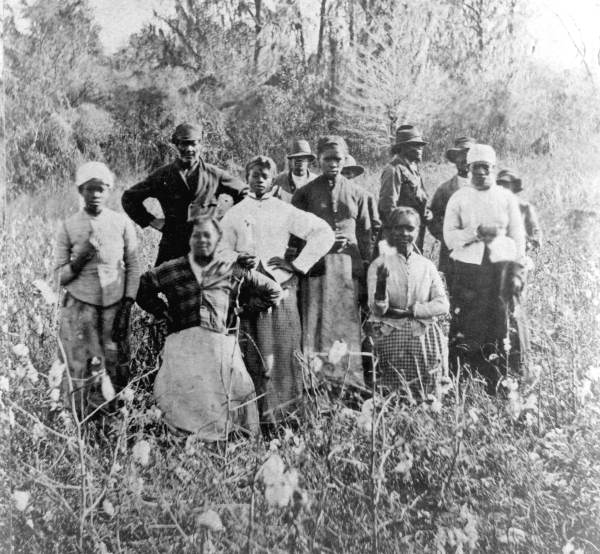
It wasn’t until 1995 that Mississippi finally took a symbolic step toward acknowledging the Thirteenth Amendment. Prompted by the Steven Spielberg film “Amistad” and a student’s research, the Mississippi Legislature passed a resolution to ratify the amendment. This gesture, while important, was largely symbolic at the time because the original 1865 rejection was still legally on the books, and no official notification of ratification was sent to the U.S. Archivist.
The true “abolition” date in terms of Mississippi’s formal compliance with the Thirteenth Amendment occurred even more recently. In 2013, sparked by a determined medical school professor, Ranjan Batra, who noticed the anomaly, the state finally completed the necessary bureaucratic steps. On February 7, 2013, Mississippi officially notified the U.S. Archivist that it had ratified the Thirteenth Amendment, making it the very last state to formally do so. This date, nearly 150 years after the amendment’s national ratification, is a fascinating and often surprising coda to Mississippi’s complex journey. It underscores how deeply intertwined legal, political, and social histories are, and how their reverberations can extend far into the future. For those interested in the minutiae of historical processes and their profound implications, this administrative detail is a powerful reminder of how history is constantly being re-evaluated and formally acknowledged.
Why the Delay? Understanding Historical Context
The protracted delay in Mississippi’s official ratification of the Thirteenth Amendment can be attributed to several factors rooted in the state’s post-Civil War political and social climate. After Reconstruction, a period marked by federal intervention to protect the rights of freed slaves, white conservative Democrats regained control of the state government. This era saw the systematic dismantling of Black political power and the implementation of Jim Crow laws, which enforced racial segregation and disenfranchisement. In this environment, the formal act of ratifying an amendment abolishing slavery was likely seen as either unnecessary (given its national enforcement) or politically unpalatable to a state leadership that was actively engaged in upholding white supremacy and a new form of racial subjugation.
The oversight was not necessarily an act of deliberate defiance for nearly a century, but rather a reflection of a government prioritizing other agendas and a general administrative neglect of a historical document that, by the 20th century, was already firmly part of the U.S. Constitution. It speaks volumes about the priorities and societal norms of the time, where the concerns of racial equality were largely sidelined in favor of maintaining a strict social hierarchy. This context is vital for travelers visiting Mississippi’s historical sites, as it explains why the path to true freedom and equality was so arduous and protracted, extending far beyond the end of the Civil War.
Journeying Through History: Experiencing Mississippi’s Freedom Trail Today
Understanding Mississippi’s complex emancipation story enriches any travel itinerary, transforming a casual visit into a profound exploration of heritage and resilience. The state offers numerous opportunities to engage with this history, from world-class museums to poignant historical sites, allowing visitors to connect with the struggles and triumphs of the past.
Historical Landmarks and Museums: Windows to the Past
For those passionate about history and cultural tourism, Mississippi presents a compelling array of landmarks. The Mississippi Civil Rights Museum in Jackson is an essential stop. This award-winning institution offers an immersive and emotionally powerful journey through the Civil Rights Movement, intricately linking it to the legacy of slavery and the fight for freedom. Its interactive exhibits and poignant narratives provide a vital context for understanding how the abolition of slavery was just the beginning of a much longer struggle for full equality.
In Jackson, you can also visit the Medgar Evers Home Museum, the former residence of the courageous civil rights leader, offering a personal glimpse into the lives of those who fought for change. Further south, the charming city of Natchez provides a different perspective. Here, antebellum mansions stand as stark reminders of the wealth generated by enslaved labor. While some plantations once romanticized the past, many now offer tours that bravely confront the realities of slavery, interpreting the lives of the enslaved alongside the grandeur of the owners. The Natchez National Historical Park provides balanced perspectives on both the planter class and the enslaved communities, offering a nuanced view of this complex period.
Traveling to the Mississippi Deltas reveals yet another layer of history, where the legacy of plantation life influenced the birth of the blues, a genre born from the joys and sorrows of African American communities. The Blues Trail markers throughout the region tell stories of incredible resilience and cultural innovation, linking directly back to the experiences of formerly enslaved people and their descendants. Each of these sites serves as a powerful classroom, allowing travelers to walk in the footsteps of history and gain a deeper understanding of the American experience.
Culinary and Cultural Immersion: Tastes of Heritage
Beyond historical sites, Mississippi’s local culture offers a living connection to its past. The state’s vibrant culinary scene, particularly its soul food traditions, is deeply rooted in African American heritage, reflecting resilience and creativity in the face of adversity. Exploring local eateries in cities like Jackson or Natchez allows visitors to savor dishes that have evolved through generations, embodying stories of survival, adaptation, and celebration. This culinary journey is an authentic way to taste the heritage that emerged from the post-abolition era and continues to thrive today.
Furthermore, the music of Mississippi, especially the blues, is a direct cultural descendant of the experiences of formerly enslaved people and their descendants. Visiting juke joints or blues clubs, particularly in the Mississippi Deltas, offers an immersive experience where the echoes of the past can be heard in every note. Attending local festivals or community events also provides opportunities to engage with the contemporary culture that has been shaped by this rich and complex history, allowing for a more holistic understanding of Mississippi.

Planning Your Historical Getaway: Travel Tips and Accommodations
For those planning a historical exploration of Mississippi, choosing the right accommodations and organizing your itinerary are key. Cities like Jackson, Vicksburg, and Natchez serve as excellent bases, offering a range of hotels from historic boutique properties to modern resorts. In Jackson, you can find luxurious suites near the Mississippi Civil Rights Museum, allowing for convenient access to key sites. Natchez boasts charming bed and breakfasts often located in beautifully preserved historic homes, providing an authentic Southern experience. For budget-conscious travelers, there are plenty of affordable hotels and apartment rentals available, ensuring that this educational journey is accessible to all.
Consider a multi-city itinerary that allows you to fully immerse yourself in the various facets of Mississippi’s history. Start in Jackson for the Civil Rights narrative, move to Vicksburg for the Civil War perspective, and then travel to Natchez for a deeper look into the antebellum era and its complex legacies. Integrating local culinary experiences and opportunities to hear live blues music will complete your cultural immersion. Booking your accommodations in advance, especially during peak travel seasons, is always recommended to ensure the best rates and availability. Whether you prefer the amenities of a full-service resort or the unique character of a historic inn, Mississippi offers diverse options to suit every lifestyle and preference, making your journey through its emancipation story both comfortable and memorable.
The journey through Mississippi’s emancipation story is a compelling one, full of historical nuance, profound struggle, and enduring lessons. While the legal abolition of slavery was largely completed by the ratification of the Thirteenth Amendment in December 1865, Mississippi’s own formal recognition extended for nearly 150 more years, finally concluding in 2013. This unique timeline serves as a powerful reminder of the long and arduous path toward freedom and equality in the United States. For travelers, engaging with this history offers an unparalleled opportunity to deepen understanding, appreciate resilience, and connect with the vibrant culture that has emerged from these complex origins. Exploring Mississippi’s historical landmarks, engaging with its local culture, and choosing accommodations that enhance your experience will undoubtedly make for a truly meaningful and unforgettable journey through a pivotal chapter of American history.
LifeOutOfTheBox is a participant in the Amazon Services LLC Associates Program, an affiliate advertising program designed to provide a means for sites to earn advertising fees by advertising and linking to Amazon.com. Amazon, the Amazon logo, AmazonSupply, and the AmazonSupply logo are trademarks of Amazon.com, Inc. or its affiliates. As an Amazon Associate we earn affiliate commissions from qualifying purchases.