
Florida, often dubbed the Sunshine State, beckons millions of travelers each year with its pristine beaches, world-famous theme parks, vibrant cities, and unique natural landscapes. From the bustling streets of Miami to the magical realms of Orlando and the historic charm of St. Augustine, there’s an endless array of experiences waiting. However, for those planning a trip, understanding the state’s distinct weather patterns is crucial, especially concerning its rainy season. Far from a constant downpour, Florida’s wet season is a unique meteorological phenomenon that shapes travel experiences and local life alike. Knowing when it occurs, what to expect, and how to plan around it can transform a potentially damp holiday into an unforgettable adventure.
Understanding Florida’s Distinct Wet Season
The concept of a “rainy season” in Florida might conjure images of incessant drizzle, but the reality is much more nuanced and often quite manageable. Unlike some tropical destinations that experience prolonged periods of overcast skies and heavy precipitation, Florida’s wet season is characterized by predictable, albeit intense, afternoon thunderstorms. These daily meteorological events are a quintessential part of the Florida summer and fall experience, influencing everything from outdoor activities to the lushness of the natural environment.
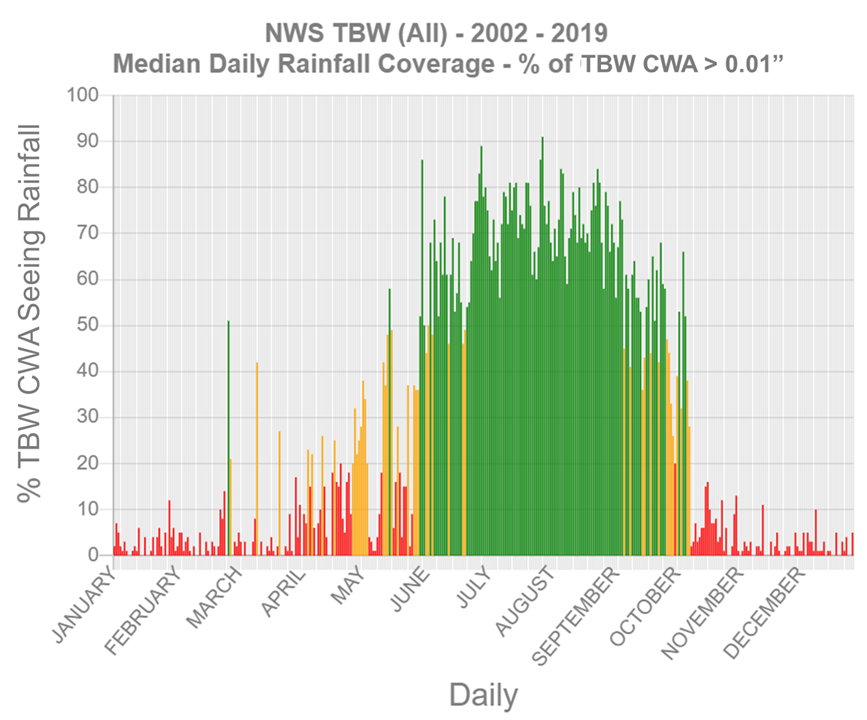
The Typical Timeline: June to November
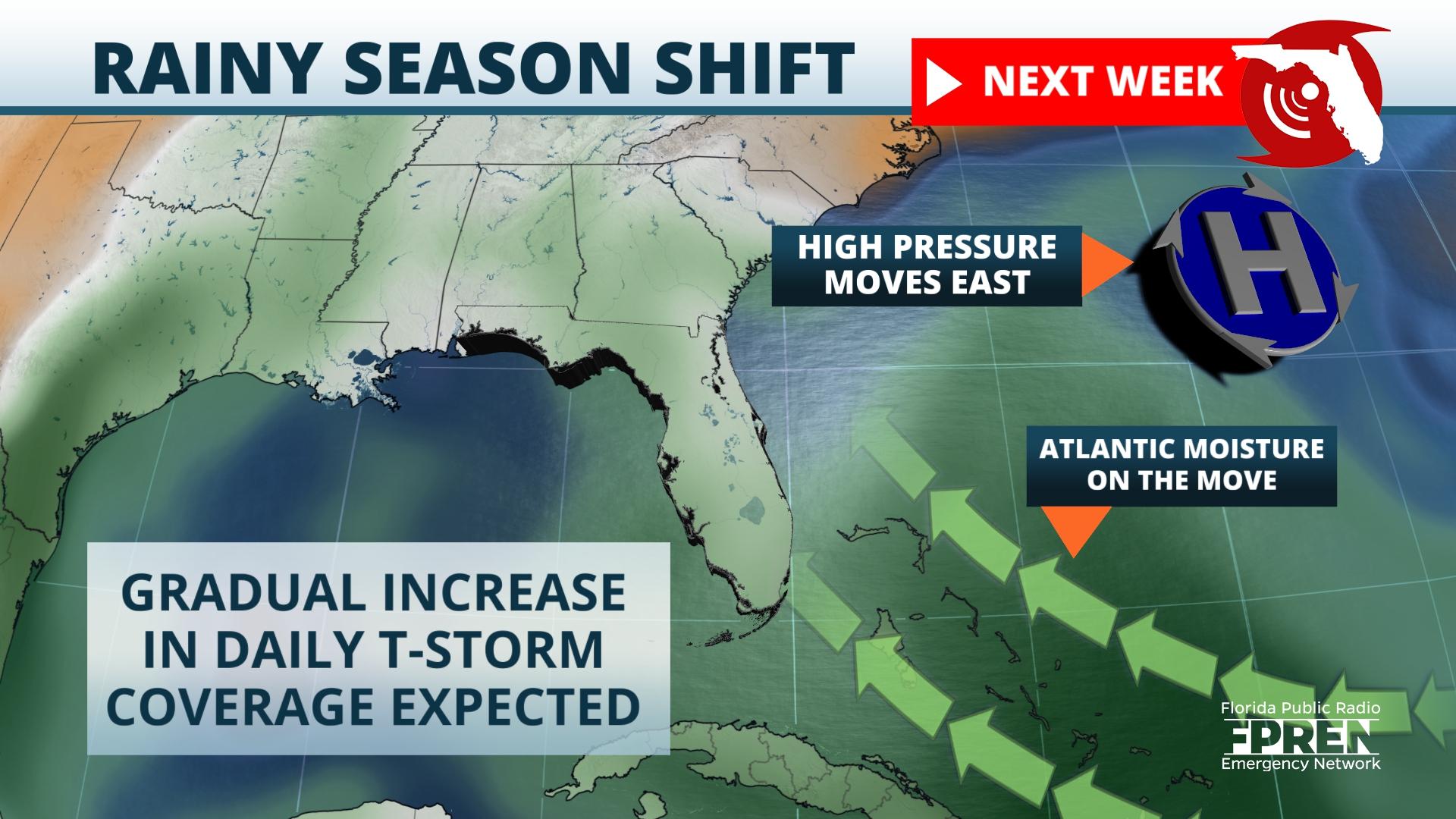
The Florida rainy season generally commences in early June and extends through early November, roughly coinciding with the Atlantic hurricane season. This period marks a significant shift from the drier, cooler winters and springs. As temperatures rise and humidity levels climb, the atmosphere becomes ripe for daily convective activity. The onset usually begins gradually in June, intensifies through July and August, and then slowly tapers off as autumn progresses.
During these months, the state experiences a notable increase in rainfall volume and frequency. This doesn’t mean every day is a wash-out; rather, travelers should anticipate a higher chance of encountering a rain shower or thunderstorm, typically in the late afternoon or early evening. Mornings often start with glorious sunshine and clear skies, providing ample opportunity for outdoor pursuits before the clouds gather. This pattern is largely driven by sea breezes colliding inland, forcing warm, moist air upwards to form thunderheads.
Characteristics of Florida Showers: Brief and Intense
One of the most defining characteristics of the Florida rainy season is the nature of its rainfall: brief, heavy downpours that often clear as quickly as they arrive. These aren’t the all-day drizzles many might associate with rainy weather in other parts of the world. Instead, expect powerful thunderstorms that can last anywhere from 30 minutes to a couple of hours. The intensity can be surprising, with streets briefly flooding and lightning displays that are both dramatic and beautiful.
Following these intense bursts, the skies frequently clear, leaving behind a freshly washed landscape, cooler temperatures, and often a stunning sunset. The humidity, which builds throughout the day, can feel oppressive before the rain, but often offers a welcome respite afterward. This pattern allows visitors to schedule their outdoor activities for the mornings and early afternoons, reserving the late afternoon for indoor attractions or a relaxing break back at their chosen accommodation. Understanding this rhythm is key to planning a successful trip during these months.
Regional Nuances: North, Central, and South Florida
While the general rainy season timeline applies statewide, there are subtle yet important regional variations across Florida’s diverse geography. These differences can impact the intensity and frequency of rain, as well as the overall climate experience.
In South Florida, encompassing cities like Miami, Fort Lauderdale, Naples, and the Florida Keys, the rainy season tends to be more pronounced and can sometimes start earlier and end later than in other parts of the state. The subtropical climate here means higher average temperatures and humidity year-round, making the summer thunderstorms a regular, almost daily, occurrence. Proximity to the Caribbean and the Bahamas also means this region is more directly impacted by tropical systems.
Central Florida, home to Orlando, Tampa, and Sarasota, experiences the classic pattern of afternoon thunderstorms driven by sea breezes converging from both the Atlantic Coast and Gulf Coast. While intense, these storms are often localized, meaning one side of a city might experience heavy rain while another remains dry. Theme park visitors in Orlando are particularly accustomed to these pop-up showers, with many attractions designed to keep guests entertained indoors during inclement weather.
North Florida, including the Panhandle and cities like Jacksonville and St. Augustine, has a climate that transitions from subtropical to more temperate. While it still experiences a rainy season, the daily thunderstorms might be slightly less frequent and the overall humidity a touch lower compared to South Florida. The threat of tropical systems, however, remains a factor, especially for coastal areas along the Gulf Coast. Understanding these regional nuances helps tailor travel plans, from selecting the best time to visit particular destinations to choosing the most suitable accommodation.
Navigating Your Florida Vacation During the Rainy Season
Traveling to Florida during its rainy season doesn’t mean your vacation is destined for disappointment. In fact, with a bit of foresight and flexibility, it can be an incredibly rewarding experience. The key is to understand the rhythm of the weather and plan accordingly, ensuring you make the most of every sunny moment and have engaging alternatives for when the clouds gather.
Planning Ahead: Maximizing Sunny Hours
The predictable nature of Florida’s afternoon showers is a traveler’s best friend. Most days begin with clear, sunny skies, offering prime conditions for outdoor activities. The strategy is simple: plan your main outdoor excursions for the mornings. This could mean hitting the beach before lunch, enjoying a round of golf, exploring nature trails, or getting an early start at a theme park. By late morning or early afternoon, keep an eye on the sky and local weather forecasts. Mobile weather apps are invaluable for tracking radar and anticipating when and where the rain might hit.
Flexibility is paramount. Instead of rigid itineraries, have a loose plan with alternative indoor options. If a storm rolls in earlier than expected, be prepared to shift gears. Many Florida attractions, including Walt Disney World Resort and Universal Studios Florida, are adept at handling rain, with numerous covered queues and indoor rides or shows. Even beaches can be enjoyed, as the rain often brings a refreshing break from the heat, and the clear-up is usually quick. For those considering a cruise from Florida, the ship provides an excellent shelter during any passing showers at port, and sunny skies are often just a short sail away.
Embracing Indoor Adventures and Attractions
When the rain does arrive, Florida offers a wealth of fantastic indoor activities that can easily fill an afternoon. This is where the state truly shines, catering to all interests and ages.
For culture enthusiasts, there are world-class museums such as the Salvador Dalí Museum in St. Petersburg, the Pérez Art Museum Miami in Miami, or the many historical sites and architecture to explore in St. Augustine. Families can dive into the underwater world at aquariums like the Florida Aquarium in Tampa or the Clearwater Marine Aquarium. The Kennedy Space Center Visitor Complex near Cape Canaveral offers fascinating exhibits and experiences largely indoors, perfect for a rainy day.
Shopping malls and outlets across the state, such as Sawgrass Mills in Sunrise or the Mall at Millenia in Orlando, provide excellent opportunities for retail therapy. For those seeking relaxation, many hotels and resorts boast luxurious spas offering a tranquil escape. And of course, Florida’s culinary scene is vibrant; a rainy afternoon is ideal for enjoying a leisurely meal at a top-rated restaurant, sampling local seafood, or exploring unique dining experiences that showcase the state’s diverse culture. From luxury travel experiences to budget-friendly options, there are indoor alternatives for every lifestyle.
Packing Smart for Florida’s Humid Climate

When packing for a Florida trip during the rainy season, comfort and practicality should be your guiding principles.
- Lightweight, breathable clothing: Opt for fabrics like cotton, linen, or moisture-wicking synthetics. The temperatures will be warm to hot, and humidity levels high, so quick-drying materials are a plus.
- Rain gear: A lightweight, packable rain jacket or a small travel umbrella is essential. Don’t underestimate the intensity of Florida’s downpours!
- Waterproof or water-resistant footwear: Sandals, flip-flops, or water shoes are practical for navigating wet streets and puddles. Consider an extra pair of shoes that can dry quickly.
- Sun protection: Even on rainy days, the sun can be intense when it’s out. Sunscreen, sunglasses, and a wide-brimmed hat are still crucial.
- Insect repellent: The combination of warmth and moisture can lead to an increase in mosquitoes, especially around dawn and dusk.
- Waterproof bag or phone case: To protect electronics and valuables from unexpected showers.
Remember that Florida’s weather can change quickly, so layering, even with light items, can be beneficial.
Accommodation Choices for Rainy Day Comfort
Selecting the right accommodation can significantly enhance your experience during the rainy season. Look for hotels, resorts, or apartment rentals that offer excellent indoor amenities.
- Hotels with indoor pools: A fantastic alternative when outdoor swimming is rained out.
- Resorts with extensive indoor facilities: This could include game rooms, kids’ clubs, spas, fitness centers, or multiple dining options. A resort like the Grand Hyatt Hotel in Tampa or a large property within Walt Disney World Resort will have plenty of covered walkways and indoor activities.
- Apartment or villa rentals: These often come with fully equipped kitchens, allowing you to prepare meals indoors and enjoy a cozy evening if the weather keeps you in. They can also offer more space, which is great for families.
- Proximity to indoor attractions: Consider staying near major shopping districts, museums, or entertainment complexes, minimizing travel time in the rain.
- Flexible booking and cancellation policies: Especially during hurricane season, having the option to adjust or cancel plans without significant penalties provides peace of mind.
Reading reviews from previous guests can also offer insights into how properties handle rainy weather and the quality of their indoor amenities. Whether you’re planning a budget trip or a luxury travel experience, smart accommodation choices can make all the difference.
The Upside of Off-Peak Travel: Advantages of the Rainy Season
While the thought of rain might deter some, savvy travelers know that the Florida rainy season, particularly the summer months, comes with a host of advantages that can lead to a more enjoyable and often more affordable vacation. Embracing this “off-peak” period can transform your travel experience, offering unique perks that the dry season simply cannot.
Fewer Crowds, More Space
One of the most significant benefits of visiting Florida during the rainy season is the noticeable reduction in crowds. With many families scheduling their trips during spring break or the winter holidays, the summer months (despite school holidays) see fewer tourists due to the perception of heat and rain. This means:
- Shorter lines at theme parks: Attractions like Universal Studios Florida and Busch Gardens Tampa Bay become more manageable, allowing you to experience more rides and shows with less waiting.
- Less crowded beaches: Enjoy wider stretches of sand and more personal space along the Atlantic and Gulf Coasts.
- Easier access to popular restaurants and attractions: No need for reservations months in advance, and more flexibility for spontaneous plans.
- More serene natural parks: Explore places like Everglades National Park with fewer people, offering a more intimate connection with nature.
For those who prefer a more relaxed pace and hate battling crowds, this period offers a tranquil escape, making your travel experience feel more exclusive and personalized.
Attractive Deals on Flights and Accommodation
Another compelling reason to consider a rainy season trip is the potential for significant savings. The dip in demand during this period often leads to more competitive pricing across the tourism sector.
- Lower airfares: Airlines frequently offer promotional rates to fill seats during the less popular summer months.
- Reduced hotel rates: Many hotels, resorts, and vacation rentals, from luxury villas to budget-friendly suites, offer discounted prices to attract guests. This allows for potential upgrades or longer stays within the same budget. You might find incredible deals on properties that are typically out of reach during peak season, turning a standard trip into a luxury travel experience.
- Special packages and promotions: Look out for bundled deals on accommodation and attraction tickets, or added perks like resort credits and complimentary experiences.
For budget travelers, this translates into a more affordable vacation without compromising on quality. For those accustomed to luxury, it means getting more value for their money or experiencing premium amenities at a lower cost.
Lush Landscapes and Vibrant Nature
The abundant rainfall during Florida’s wet season breathes incredible life into the state’s already stunning natural environment.
- Vibrant greenery: The intense afternoon showers transform the landscape into a lush, vibrant tapestry of greens. Gardens, parks, and wilderness areas are at their most verdant.
- Wildlife activity: The increased water levels and vegetation can lead to heightened wildlife activity, particularly in wetland areas like the Everglades National Park. Birdwatching, in particular, can be exceptional.
- Dramatic skies: The towering cumulus clouds and dramatic sunsets after a summer storm offer breathtaking photography opportunities. The air often feels fresher, and the colors of nature pop against the freshly washed backdrop.
For nature lovers and photographers, the rainy season presents a unique opportunity to witness Florida’s natural beauty in a different, often more spectacular, light. It’s a chance to see the state’s true character, where water is a life-giving force shaping its unique ecosystems.
Coexisting with Hurricane Season: Preparedness and Peace of Mind
An unavoidable aspect of Florida’s rainy season is its direct overlap with hurricane season. While this might raise concerns for some travelers, understanding the realities and taking appropriate precautions can ensure a safe and enjoyable trip. Florida is exceptionally well-prepared for tropical weather events, and modern forecasting provides ample warning.
Overlap with the Rainy Season
The Atlantic hurricane season officially runs from June 1st to November 30th, precisely mirroring the bulk of Florida’s rainy period. During these months, the conditions in the Atlantic Ocean, Caribbean Sea, and Gulf of Mexico are conducive to the formation of tropical depressions, storms, and hurricanes. It’s important to remember that most days during hurricane season are calm and sunny, and a direct hurricane strike is a relatively rare event for any single location. However, the potential for such events requires a level of awareness and preparedness.
Staying Informed and Prepared
For travelers visiting Florida during this time, proactive measures are key to peace of mind:
- Monitor weather forecasts: Pay close attention to tropical weather advisories from reputable sources like the National Hurricane Center. Updates are frequent and widely available.
- Travel Insurance: Consider purchasing comprehensive travel insurance that covers hurricane-related cancellations or interruptions. Carefully read the policy details regarding coverage for named storms.
- Hotel Policies: Familiarize yourself with your accommodation’s hurricane policy, which often includes options for rebooking or refunds if a storm directly impacts your travel plans. Many resorts and hotels in Florida have robust plans in place.
- Emergency Plans: While unlikely to be needed, it’s wise to know about local evacuation routes and emergency shelters, especially if you’re staying in a coastal area.
The infrastructure in Florida is designed to withstand tropical weather, and residents are highly experienced in navigating these periods. Major tourism hubs, particularly the large theme parks in Orlando, have sophisticated protocols to ensure guest safety and minimize disruption.
Choosing Resilient Destinations and Accommodations
When booking your trip during hurricane season, certain considerations can offer an added layer of security:
- Inland vs. Coastal: While coastal areas are beautiful, inland destinations like Orlando tend to be less directly impacted by storm surges and coastal flooding, though heavy rains and wind are still possible.
- Modern Construction: Newer hotels and resorts are typically built to more stringent hurricane codes, offering greater structural integrity.
- Full-Service Resorts: Choosing a large resort that offers multiple dining options, entertainment, and amenities on-site means you’ll have everything you need without having to venture out in inclement weather, should a tropical storm pass through. These are often great for family trips as well, providing structured activities for all ages.
While the notion of hurricane season might seem daunting, it’s crucial to put it into perspective. Millions of visitors enjoy Florida every year during these months without incident. With smart planning, staying informed, and a flexible mindset, your Florida vacation during the rainy season can be just as magical and memorable, if not more so, than a trip during the peak dry season. Embracing the unique aspects of Florida’s climate opens up opportunities for fantastic deals, fewer crowds, and a truly authentic Sunshine State experience.
LifeOutOfTheBox is a participant in the Amazon Services LLC Associates Program, an affiliate advertising program designed to provide a means for sites to earn advertising fees by advertising and linking to Amazon.com. Amazon, the Amazon logo, AmazonSupply, and the AmazonSupply logo are trademarks of Amazon.com, Inc. or its affiliates. As an Amazon Associate we earn affiliate commissions from qualifying purchases.