
For many families, the idea of exploring the world, experiencing new cultures, or simply enjoying a relaxing getaway is an integral part of their lifestyle. Whether it’s a spontaneous weekend trip to a charming Florida beach town, an educational journey to historical St. Augustine, or a dream vacation to a faraway continent, travel offers unparalleled opportunities for growth, learning, and creating cherished memories. However, for families with school-aged children, the allure of travel often comes with a significant logistical hurdle: school absences. The sunshine state, with its myriad attractions from the bustling metropolis of Miami to the theme park capital of Orlando, presents an irresistible invitation to explore. Yet, understanding the regulations around how many absences are allowed in a school year in Florida is paramount for parents looking to balance their children’s education with enriching travel experiences.
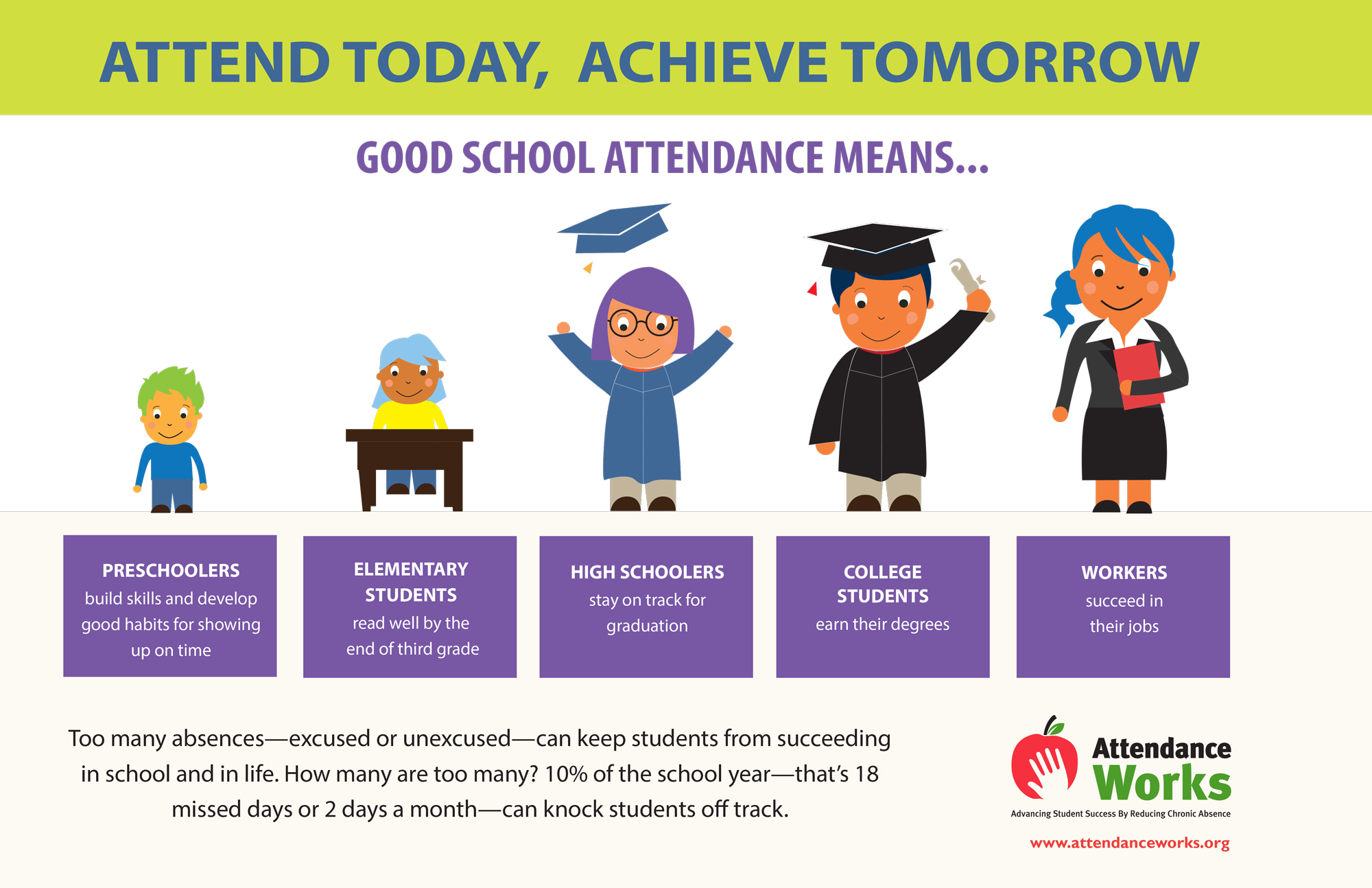
This article delves into the nuances of Florida’s school attendance policies, offering practical insights for parents who wish to integrate travel into their family’s lifestyle without compromising academic progress. We’ll explore the legal framework, provide tips for communicating with school authorities, and suggest ways to transform travel into a powerful educational tool.
Understanding Florida’s Truancy Laws and Attendance Policies
At the heart of any decision to take a child out of school for travel is an understanding of the relevant state and local attendance laws. In Florida, school attendance is compulsory for children between the ages of 6 and 16. The state emphasizes regular attendance as a critical factor in academic success, and as such, has established guidelines to address absenteeism. While there isn’t a universal number of “allowed” absences that applies uniformly across the state, the framework is built around distinguishing between excused and unexcused absences.
Defining “Excused” vs. “Unexcused” Absences
The distinction between excused and unexcused absences is crucial. Generally, excused absences are those deemed legitimate by the school district and may include:
- Illness or injury of the student.
- Medical or dental appointments.
- Death in the immediate family.
- Religious holidays.
- Participation in certain school-approved activities or events.
- Court appearances.
Unexcused absences, on the other hand, are absences not falling under these categories or those for which proper documentation or notification was not provided. Traveling for leisure during school hours typically falls into the category of an unexcused absence, unless specific arrangements or prior approvals are made with the school administration, often under specific district policies for “educational travel.”
The Role of Local School Districts
While Florida provides a general framework, the specifics of attendance policies, including the number of unexcused absences before intervention, are largely determined by individual school districts and even individual schools. A family residing in Tampa might encounter slightly different procedures or thresholds than a family in Jacksonville or Key West.
Most districts initiate a truancy warning process once a student accumulates a certain number of unexcused absences, often around five to ten within a semester or year. This process typically involves parental notification, conferences, and potentially the development of an attendance intervention plan. Consistent unexcused absences can lead to more severe consequences, including referral to truancy courts or other legal actions, though these are typically reserved for persistent and unaddressed attendance issues. Therefore, it is imperative for parents to consult their specific school district’s attendance policy, usually available on the district’s website or directly from the school office. This proactive step is the first and most important in responsibly planning any travel during the school year.
Potential Consequences of Excessive Absences
Beyond legal ramifications, excessive absences, whether excused or unexcused, can have a tangible impact on a child’s academic performance. Missed classroom instruction, fallen behind on assignments, and a lack of participation can affect grades and overall comprehension. For students in high school, attendance can also play a role in exam eligibility, credit accumulation, and even scholarships. For families committed to a lifestyle of travel, understanding these potential consequences underscores the importance of strategic planning and transparent communication with educational institutions.
The Allure of Travel: Why Families Consider School-Year Trips
Despite the complexities of attendance policies, many families are drawn to the idea of traveling during the school year. The motivations are diverse, reflecting a modern approach to education and family bonding. The unique opportunities presented by exploring destinations like Walt Disney World Resort or the historical streets of St. Augustine are often seen as extensions of the classroom.
Off-Peak Travel Benefits: Cost and Crowds
One of the most compelling reasons for school-year travel is the distinct advantage of off-peak seasons. Traveling outside of traditional school breaks (summer, winter holidays, spring break) often means significantly lower costs for flights, accommodations, and attractions. Hotels and resorts, from luxury chains like Ritz-Carlton or Waldorf Astoria to family-friendly options like the Four Seasons Resort Orlando at Walt Disney World Resort, frequently offer more attractive rates. Moreover, popular destinations like Universal Studios Florida or the beaches of South Beach are far less crowded, allowing for a more relaxed and immersive experience. Imagine enjoying the rides at Busch Gardens Tampa Bay with minimal wait times, or exploring the Kennedy Space Center Visitor Complex without the overwhelming throngs. These experiences can be significantly enhanced during quieter periods.
Experiential Learning Beyond the Classroom
For many parents, travel is not merely a vacation but an invaluable educational tool. A visit to Everglades National Park can teach children about ecosystems and conservation far more vividly than any textbook. Exploring historic sites in Europe or museums in Asia offers direct encounters with history, art, and culture. Learning a few phrases of Spanish before a trip to South America or understanding local customs in the Caribbean can spark a lifelong interest in languages and global citizenship. These immersive experiences foster critical thinking, adaptability, and a broader worldview—skills that are increasingly vital in today’s interconnected world. When framed correctly, and with appropriate pre- and post-trip activities, travel can transform “absences” into “alternative learning days.”

Creating Lasting Family Memories
Beyond the academic benefits, school-year travel provides unique opportunities for family bonding. The shared adventure, the challenges overcome, and the joy of discovery forge bonds that last a lifetime. Away from the daily routines and distractions, families can truly connect, creating stories and memories that become part of their shared identity. From navigating new cities to trying exotic foods, these moments are often the most cherished aspects of family life, contributing significantly to a child’s social and emotional development. The “lifestyle” aspect of lifeoutofthebox.com truly comes into play here, emphasizing travel as a core component of a rich and fulfilling family experience.
Planning Your Educational Getaway: Making Absences Count
Once the decision is made to travel during the school year, the focus shifts to meticulous planning. This isn’t just about booking flights and hotels; it’s about strategizing to minimize academic disruption and maximize the educational value of the trip. The key is to approach the absence not as a break from learning, but as a shift in learning environment.
Choosing the Right Destination: Learning Opportunities in Florida and Beyond
When selecting a destination, consider its educational potential. Florida itself offers a treasure trove of learning opportunities. A trip to the Kennedy Space Center Visitor Complex can be a science lesson come alive. Exploring the historical forts of St. Augustine provides a direct link to American history. Even theme parks like Universal Studios Florida can be used to discuss physics (roller coasters), engineering, and cultural representation. For those venturing further, the choice could be a vibrant city known for its museums, a natural wonder like a national park, or a cultural immersion experience. Consider destinations where your child’s current curriculum might align with real-world experiences, be it history, science, geography, or even art.
Pre-Trip Preparation: Assignments and Communication
Effective communication with the school is paramount. Schedule a meeting with your child’s teacher(s) and the school administration well in advance of your proposed travel dates.
- Explain your rationale: Frame the trip as an educational opportunity, not just a vacation.
- Request assignments: Ask for any work that will be missed, or for a list of topics that will be covered during their absence.
- Propose alternative learning activities: Offer to have your child keep a travel journal, conduct research on historical sites, or even create a presentation upon their return.
- Confirm attendance policies: Reiterate your understanding of the school’s policy on excused versus unexcused absences and any necessary documentation.
- Accommodation bookings: If staying at a resort like Loews Portofino Bay Hotel or a charming boutique hotel on Amelia Island, ensure you have flexibility with your booking in case school plans change.
Before departure, help your child complete as much work as possible. Pack necessary textbooks or workbooks. During the trip, designate specific times for schoolwork, even if it’s just 30 minutes each day. Encourage them to actively engage with the environment, ask questions, and make connections to what they’ve learned in class.
Post-Trip Integration: Sharing Experiences
Upon returning, facilitate your child’s reintegration into the classroom. Ensure all missed work is completed promptly. Encourage them to share their experiences with classmates and teachers. This could be through an oral presentation, a visual display, a written report, or even digital storytelling. This not only reinforces their learning but also demonstrates to the school that the absence was purposeful and enriching. Many schools appreciate seeing how an “educational travel” experience truly contributed to a child’s development.
Balancing Academics and Adventure: The Long-Term Perspective
The decision to take a child out of school for travel is a personal one, weighing academic obligations against the unique benefits of experiential learning and family bonding. It’s a testament to a modern lifestyle where education extends beyond classroom walls.
The Value of Global Citizenship and Cultural Immersion
In a rapidly globalizing world, fostering global citizenship is more important than ever. Travel provides unparalleled opportunities for children to encounter diverse cultures, understand different perspectives, and develop empathy. Whether it’s experiencing the vibrant arts scene in Miami, exploring the unique ecosystem of Sanibel Island, or venturing to international destinations, these immersions help children become adaptable, open-minded individuals ready to thrive in a complex world. They learn to appreciate local traditions, understand varying economic realities, and see themselves as part of a larger global community. This kind of learning is hard to replicate in a textbook. Even exploring national treasures like Dry Tortugas National Park instills a sense of responsibility towards our planet.
Fostering Independence and Adaptability
Traveling, especially to unfamiliar places, requires children to step out of their comfort zones. They learn problem-solving skills, how to adapt to new situations, and how to interact with people from different backgrounds. Navigating an airport, ordering food in a foreign language, or managing a budget are practical life skills that foster independence and resilience. These experiences contribute to a child’s overall character development, preparing them for future challenges and opportunities. The “life out of the box” philosophy champions these very attributes.
The Art of Strategic Travel Planning
Ultimately, successful school-year travel comes down to strategic planning and responsible execution. It’s about careful communication with the school, thoughtful itinerary development, and a commitment to ensuring academic responsibilities are met. With a clear understanding of Florida’s attendance guidelines and a proactive approach, families can confidently integrate enriching travel experiences into their lives, proving that learning doesn’t always have to happen within the traditional confines of a classroom. It’s about designing a lifestyle that embraces both education and adventure, creating well-rounded individuals ready for the world.
By taking the time to understand the rules and collaborate with educators, parents can unlock a world of possibilities for their children, proving that sometimes, the best lessons are learned far from home.
LifeOutOfTheBox is a participant in the Amazon Services LLC Associates Program, an affiliate advertising program designed to provide a means for sites to earn advertising fees by advertising and linking to Amazon.com. Amazon, the Amazon logo, AmazonSupply, and the AmazonSupply logo are trademarks of Amazon.com, Inc. or its affiliates. As an Amazon Associate we earn affiliate commissions from qualifying purchases.