
Embarking on a journey across the Atlantic from the historic streets of London, United Kingdom, to the bustling metropolis of New York, United States, is an experience that promises adventure, discovery, and a significant shift in culture and scenery. For many prospective travelers, the immediate and most pressing question is often: “How long is the flight?” While seemingly straightforward, the answer is nuanced, influenced by a myriad of factors ranging from aircraft type and wind conditions to specific departure and arrival airports.
Generally, a direct flight connecting these two iconic global cities typically spans approximately 7 to 8 hours when flying westward from Europe to North America. However, this is merely an average, and the actual duration can fluctuate. This comprehensive guide will delve into the specifics of this transatlantic route, exploring the variables that affect flight times, what you can expect during your journey, and how to maximize your travel experience both before and after you touch down in either city. Understanding these elements is crucial for effective trip planning, enabling you to book the best flights, manage potential jet lag, and ensure a seamless transition from one vibrant destination to another. Whether you’re planning a luxury travel escape, a budget-conscious adventure, a family trip, or a vital business stay, knowing the intricacies of this flight path is your first step to an unforgettable voyage.
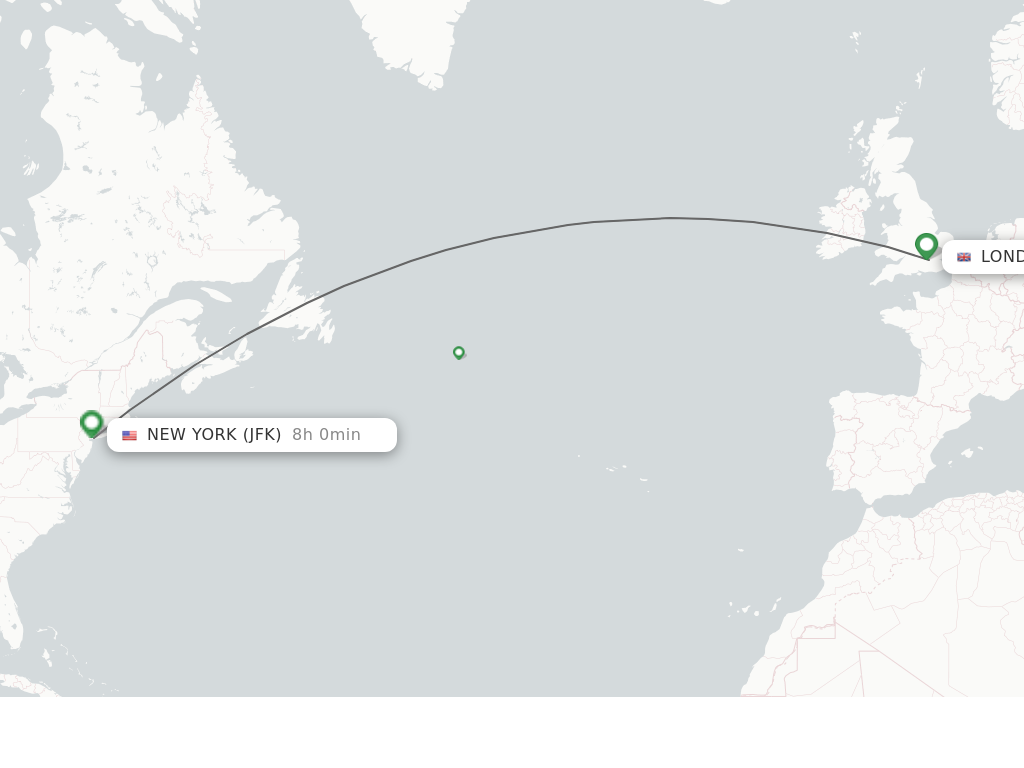
Understanding Flight Duration from London to New York
The journey from London to New York is a cornerstone of international travel, connecting two of the world’s most influential financial and cultural hubs. However, pinning down an exact flight duration is challenging due to several dynamic variables.
Direct vs. Connecting Flights
The most significant factor determining your total travel time is whether you opt for a direct (non-stop) flight or one with layovers.
- Direct Flights: As mentioned, these typically take 7 to 8 hours flying westward. This is the most efficient way to travel in terms of actual airborne time, though you still need to account for airport check-in, security, boarding, and deplaning.
- Connecting Flights: While direct flights are abundant on this popular route, some travelers might choose connecting flights due to cost, airline preference, or a desire to visit an intermediate city. A connecting flight will significantly extend your travel time, adding at least 3-4 hours for a layover, plus the duration of the additional flight segment(s). Depending on the layover city and connection time, total travel duration can easily stretch to 12-18 hours or more. While offering potential savings, this option requires careful consideration of the trade-off with comfort and convenience, especially for long-haul journeys.
Key Factors Influencing Flight Time
Beyond the type of flight, several operational and environmental factors contribute to the variability of transatlantic flight durations:
Aircraft Type and Speed
Modern passenger jets, such as the Boeing 747, 777, 787 Dreamliner, and Airbus A330, A350, and A380, are designed for long-haul efficiency. While they fly at similar cruising speeds (around 550-600 miles per hour or 885-965 km/h), subtle differences in aerodynamics, engine efficiency, and operational cruising altitudes can lead to minor variations in flight time. Newer aircraft models often offer slightly improved efficiency, which can translate to marginally shorter flight times and a more comfortable journey for passengers. The selection of aircraft by major airlines like British Airways, Virgin Atlantic, American Airlines, Delta Air Lines, and United Airlines often depends on route demand and operational efficiency.
Wind Conditions and the Jet Stream
Perhaps the most influential natural factor on transatlantic flight times is the jet stream – a narrow band of strong westerly winds that blows at high altitudes.
- Westbound Flights (London to New York): Flying against the jet stream significantly increases flight duration. These headwind conditions can add anywhere from 30 minutes to over an hour to the journey, pushing the average flight time towards the higher end of the 7-8 hour range, or even slightly beyond.
- Eastbound Flights (New York to London): Conversely, flying with the jet stream (tailwind) dramatically shortens the flight time, often reducing it to 6 to 7 hours. This is why a return journey almost always feels quicker. Pilots actively seek out or avoid the jet stream depending on their direction of travel to optimize fuel consumption and flight duration, a sophisticated aspect of flight planning.
Air Traffic Control and Route Optimization
Air traffic control (ATC) plays a crucial role in managing the thousands of flights crossing the Atlantic daily. Routes are meticulously planned to ensure safety and efficiency, but unexpected events can lead to delays or rerouting:
- Congestion: Busy airspace around major hubs like London Heathrow or New York JFK can cause holding patterns or ground delays.
- Weather: Adverse weather conditions at either end or along the flight path can necessitate route changes, leading to longer flight times.
- Security: Unforeseen security measures can also impact take-off or landing slots.
Airlines continually optimize flight paths, leveraging sophisticated meteorological data to find the most efficient routes, balancing fuel consumption with arrival times. This dynamic route optimization is a constant effort to minimize both time and cost.
Departure and Arrival Airports
The specific airports you fly into and out of can also have a minor impact on flight time, mainly due to their geographical location and potential for congestion:
- In London: Most transatlantic flights depart from London Heathrow Airport (LHR), a major international hub known for its extensive long-haul connections. London Gatwick Airport (LGW) also serves transatlantic routes, though less frequently for New York. These airports have varying distances from the city center and different air traffic patterns.
- In New York: The primary gateway is John F. Kennedy International Airport (JFK), located in Queens and handling the vast majority of international flights. Other options include Newark Liberty International Airport (EWR) in New Jersey, and to a lesser extent, LaGuardia Airport (LGA) which primarily handles domestic flights but may connect via a hub. The slight geographical differences between JFK and Newark can result in minimal differences in flight time, but usually, it’s the ground travel to your final destination in New York City that is more significantly affected.
What to Expect During Your Transatlantic Journey
A flight from London to New York is more than just a means of transport; it’s an integral part of your travel experience. Being prepared for the journey itself can significantly enhance your comfort and enjoyment.
Major Airports Serving the Route
Understanding your starting and ending points is key to a smooth journey. Both London and New York City boast world-class airports.
London’s Gateways: Heathrow and Gatwick
- London Heathrow Airport (LHR): As one of the busiest airports globally, Heathrow is the primary hub for flights to New York. It offers an extensive range of amenities, including luxury lounges, diverse dining options, and duty-free shopping. Getting to Heathrow is convenient via the Heathrow Express train, London Underground (Piccadilly Line), or various bus and taxi services. For those seeking premium experiences, the airport hosts numerous airline lounges from carriers like British Airways, Virgin Atlantic, and American Airlines, offering unparalleled comfort before your long flight.
- London Gatwick Airport (LGW): While smaller than Heathrow, Gatwick also provides direct services to New York, often with airlines like British Airways and Norwegian Air Shuttle. It’s accessible via the Gatwick Express train from Victoria Station and offers a good selection of shops and restaurants.
New York’s International Hubs: JFK, Newark, and LaGuardia
- John F. Kennedy International Airport (JFK): The main international gateway to New York, JFK is situated in Queens and serves the majority of flights from London. It’s a vast complex with multiple terminals, each offering a range of services. Ground transportation options include the AirTrain JFK connecting to subway and commuter rail lines, as well as taxis and ride-sharing services into Manhattan and other boroughs.
- Newark Liberty International Airport (EWR): Located in New Jersey, Newark is another major airport serving the New York City metropolitan area. It’s often a hub for United Airlines and offers good connectivity to Manhattan via the AirTrain Newark and NJ Transit trains.
- LaGuardia Airport (LGA): Primarily handling domestic and some short-haul international flights, LaGuardia is less common for direct transatlantic routes from London. However, its proximity to Manhattan makes it a convenient option for domestic connections if your itinerary involves further travel within the United States.

In-Flight Experience and Amenities
The duration of a transatlantic flight makes the in-flight experience paramount. Airlines operating this route are highly competitive, offering a range of services designed to make the journey as comfortable as possible.
Major Airlines and Their Offerings
Leading airlines like British Airways, Virgin Atlantic, American Airlines, Delta Air Lines, United Airlines, JetBlue, and Aer Lingus frequently operate direct flights. Each airline strives to differentiate its product, especially across various cabin classes.
Cabin Classes and Comfort
- Economy Class: The most common option, offering standard seating, meals, and in-flight entertainment. While space can be limited, modern aircraft are designed to maximize comfort with ergonomic seating and personal screens.
- Premium Economy Class: A popular choice for those seeking extra comfort without the Business Class price tag. It typically features wider seats, more legroom, enhanced meal service, and priority boarding.
- Business Class: A significant upgrade, offering lie-flat seats (often direct aisle access), gourmet dining, extensive entertainment options, and dedicated service. This is a favorite for business travelers and those on luxury vacations.
- First Class: The pinnacle of air travel, providing private suites, personalized service, exquisite dining, and access to exclusive lounges. This is the ultimate in luxury travel, transforming the flight into an experience in itself.
Regardless of your chosen cabin, you can expect an individual seat-back entertainment system loaded with movies, TV shows, music, and games. Most airlines also offer Wi-Fi services (often for a fee), allowing you to stay connected. Meals and beverages are typically complimentary, with special dietary options available upon request in advance. It’s advisable to wear comfortable clothing, stay hydrated, and bring noise-canceling headphones to enhance your journey.
Managing Jet Lag
Crossing five time zones means jet lag is almost inevitable when flying from London to New York. However, several strategies can help mitigate its effects:
- Adjust Before You Fly: A few days before departure, try to gradually shift your sleep schedule towards New York time.
- Hydrate: Drink plenty of water before, during, and after your flight. Avoid excessive alcohol and caffeine, which can exacerbate dehydration.
- Sleep on the Plane: Try to sleep during the flight, especially during the hours it would be night in New York. Eye masks and earplugs can be very helpful.
- Embrace the New Time Zone Immediately: Upon arrival, adjust your activities to local time. If it’s daytime, try to stay awake and expose yourself to natural light. If it’s night, try to sleep, even if you’re not tired.
- Light Exercise: A gentle walk or light physical activity can help reset your body clock and boost energy levels.
- Plan a Relaxed First Day: Avoid scheduling demanding activities immediately after arrival. Give your body time to adjust.
Maximizing Your Experience in London and New York
Beyond the flight itself, the allure of traveling between London and New York lies in the incredible experiences each city offers. From historic landmarks to vibrant cultural scenes, planning your stay is just as exciting as the journey. Our travel guides and insights into local culture, food, and activities can help you craft the perfect itinerary.
Pre-Flight London Exploration
If you have some extra time in London before your flight, take the opportunity to immerse yourself in its rich heritage and dynamic lifestyle.
- Iconic Landmarks: Visit Buckingham Palace to witness the Changing of the Guard, explore the historic Tower of London and its Crown Jewels, or marvel at the architectural grandeur of Westminster Abbey and Big Ben. For panoramic views, a ride on the London Eye is a must.
- World-Class Museums: Delve into art and history at the British Museum, home to global treasures; the National Gallery in Trafalgar Square; or the contemporary art space of Tate Modern.
- Cultural Experiences: Catch a world-renowned show in the West End, wander through the charming streets of Covent Garden, or enjoy a traditional afternoon tea.
- Shopping: From luxury boutiques on Bond Street to the eclectic stalls of Camden Market, London offers diverse shopping experiences.
Choosing the right accommodation in London can significantly enhance your visit. Whether you prefer the opulent suites of The Ritz London, the stylish design of a boutique hotel like The Hoxton in Shoreditch, or a budget-friendly apartment, options abound to suit every lifestyle and travel budget.
Post-Flight New York Adventures
Upon arrival in New York, a city that truly never sleeps, you’ll find an endless array of attractions to explore.
- Iconic Landmarks: Kick off your NYC adventure with a visit to the Statue of Liberty and Ellis Island, ascend the Empire State Building or Rockefeller Center for breathtaking skyline views, and experience the dazzling lights of Times Square.
- Green Spaces and Culture: Find tranquility amidst the urban jungle in Central Park, or delve into art and history at the Metropolitan Museum of Art or the Museum of Modern Art.
- Neighborhood Exploration: Wander through the chic boutiques of SoHo, explore the historic charm of Greenwich Village, discover the vibrant street art of Brooklyn, or immerse yourself in the financial world of Wall Street.
- Culinary Scene: New York is a global culinary capital, offering everything from Michelin-starred restaurants to iconic street food. Be sure to try a classic New York slice of pizza, a hot dog from a street vendor, or explore the diverse ethnic cuisines found in neighborhoods across the five boroughs.
- Shopping: From the flagship stores on Fifth Avenue to unique finds in Williamsburg and Greenwich Village, shopping in NYC is an experience in itself.
- Entertainment: Catch a legendary Broadway show, enjoy live music in a jazz club, or explore the city’s vibrant nightlife.

Choosing Your Accommodation in Both Cities
Selecting the right accommodation is pivotal for an enjoyable trip, whether for a short stay or a longer exploration. Our platform offers comprehensive insights into various hotels, resorts, apartments, and villas, complete with booking tips, reviews, and comparison tools.
- Luxury Stays: In New York, establishments like The St. Regis New York or The Plaza Hotel offer unparalleled elegance and service, embodying the essence of luxury travel. These hotels often come with exquisite suites, world-class amenities, and prime locations near major attractions.
- Boutique Hotels: For a more unique and personalized experience, consider boutique hotels that often reflect the local culture and design aesthetic, such as The Hoxton in Williamsburg, Brooklyn, or The Ludlow Hotel on the Lower East Side.
- Budget-Friendly Options: Both cities offer a range of hostels, budget hotels, and extended-stay apartments for travelers focused on budget travel without compromising on essential amenities. Comparison websites and reviews are invaluable for finding the best value.
- Family and Business Stays: Look for hotels with specific amenities like family suites, kids’ clubs, or dedicated business centers and meeting rooms to cater to your specific travel needs. Location, proximity to transport links, and positive reviews are key considerations across all categories.
Thorough research into accommodation options, considering factors like location, amenities, and guest reviews, can significantly enhance your travel experience and contribute to a memorable trip.
In conclusion, the flight from London to New York is a quintessential transatlantic journey, typically lasting 7 to 8 hours for a direct westbound flight. While factors like wind conditions, aircraft type, and air traffic can influence this duration, meticulous planning and an understanding of what to expect can ensure a smooth and enjoyable experience. Both London and New York offer a wealth of attractions, from iconic landmarks and world-class museums to diverse culinary scenes and vibrant cultural experiences. By utilizing travel guides, choosing appropriate accommodation, and preparing for the journey, you can transform a simple flight into an unforgettable part of your global adventure. Whether you are driven by business, leisure, or the pursuit of new cultural experiences, the journey between these two magnificent cities is always worth the effort.
LifeOutOfTheBox is a participant in the Amazon Services LLC Associates Program, an affiliate advertising program designed to provide a means for sites to earn advertising fees by advertising and linking to Amazon.com. Amazon, the Amazon logo, AmazonSupply, and the AmazonSupply logo are trademarks of Amazon.com, Inc. or its affiliates. As an Amazon Associate we earn affiliate commissions from qualifying purchases.