
The question of how many terms a mayor can serve in New York is more than just a matter of political procedure; it’s a pivotal element that profoundly shapes the trajectory, identity, and global appeal of New York City. The city’s dynamic pulse, its iconic landmarks, its diverse lifestyle offerings, and its thriving tourism sector are all intricately linked to the vision, stability, and long-term planning capabilities of its chief executive. Understanding these term limits provides insight into the cycles of leadership that have sculpted one of the world’s most visited and celebrated destinations, from the development of groundbreaking infrastructure to the flourishing of its vibrant cultural scene.
For visitors planning a trip or considering extended accommodation in the city, the stability and strategic direction provided by mayoral administrations are often unseen but deeply felt. Policies on public safety, infrastructure improvements, zoning for new hotels and attractions, and support for the arts directly influence the visitor experience. From the cleanliness of Central Park to the efficiency of public transport connecting neighborhoods like Greenwich Village to Harlem, the mayor’s office plays a critical role. This article delves into the specifics of mayoral term limits in New York City, exploring their historical evolution and, crucially, how these governmental structures reverberate across the city’s vast tapestry of travel, culture, and urban life.
The Foundations of Mayoral Term Limits in New York City
The system of mayoral term limits in New York City is a fascinating reflection of democratic ideals striving to balance continuity with the infusion of fresh perspectives. Designed to prevent the entrenchment of power and encourage responsiveness to an ever-evolving populace, these regulations are fundamental to the city’s governance.
Understanding the Current Regulations
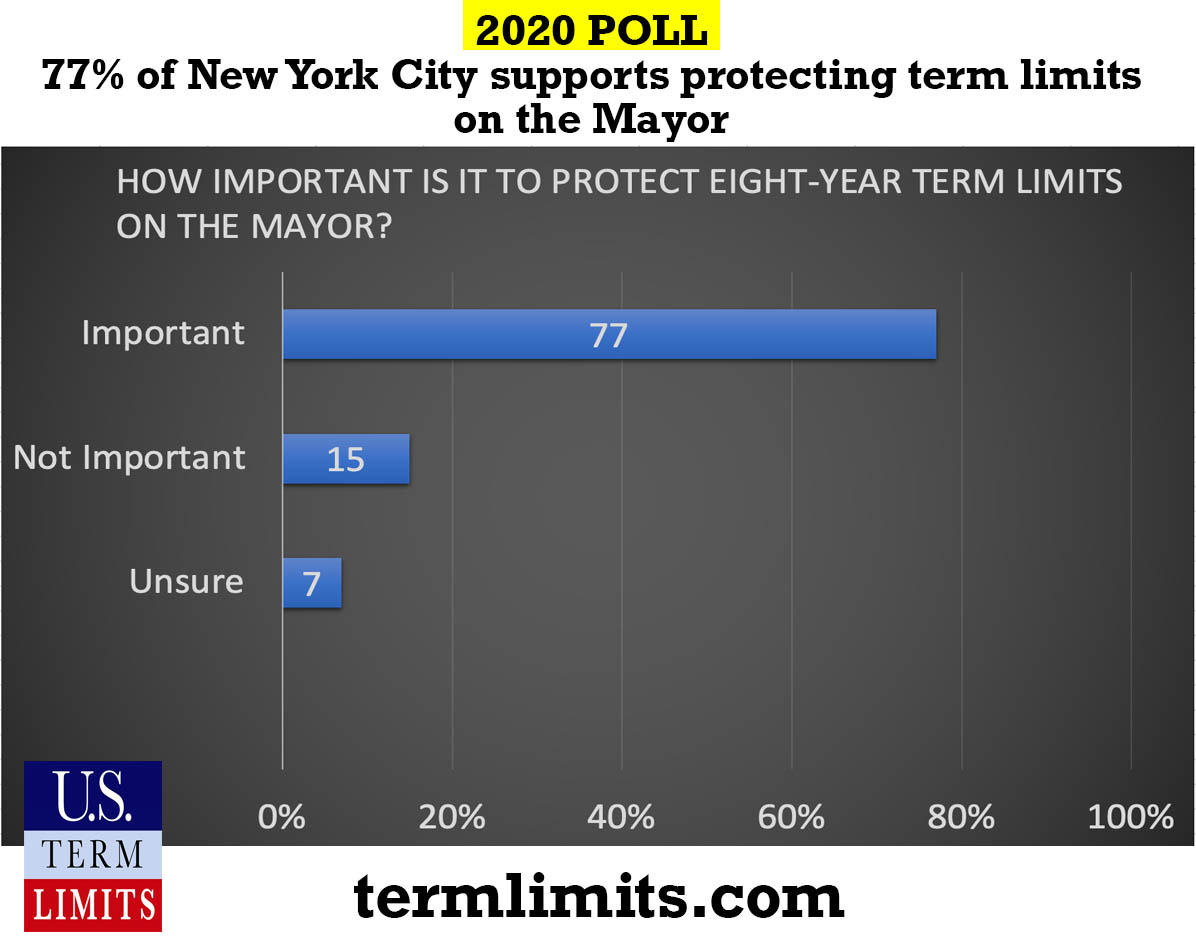
Currently, the Mayor of New York City is limited to serving two consecutive four-year terms. This means a mayor can serve for a maximum of eight continuous years. After completing two terms, the individual is ineligible to run for a third consecutive term. However, the law does permit a former mayor to run again for the office after a break, typically of at least one term. This provision ensures that while uninterrupted tenure is capped, experienced leaders are not permanently barred from returning to public service if the electorate desires.
This structure reflects a carefully considered balance. On one hand, allowing two terms grants a mayor sufficient time to develop and implement long-term policies and projects, which is crucial for a city as vast and complex as New York. Visionary initiatives, whether they concern urban planning, economic development, or social programs, often require years to come to fruition. A two-term limit provides the necessary runway for such endeavors, allowing leaders to move beyond short-term fixes and truly impact the city’s future. For instance, major infrastructure upgrades like the expansion of public transit or the revitalization of waterfront areas like those near DUMBO often span multiple years and require consistent political will.
On the other hand, the cap at two consecutive terms prevents any single individual from accumulating excessive power or becoming overly detached from the immediate needs of the citizenry. It ensures a regular infusion of new leadership, fresh ideas, and different approaches to tackle the city’s myriad challenges. This regular turnover can foster innovation, keep the political system agile, and prevent stagnation, which is vital for a global hub that thrives on its dynamism and adaptability.
Historical Context and the Bloomberg Exception
The current two-term limit was not always the rule, nor has it been without its controversies. The concept of mayoral term limits in New York City first took hold in 1993, when voters approved a ballot initiative limiting mayors to two consecutive terms. This change was largely driven by a desire for greater accountability and to prevent extended political dynasties.
However, the most notable deviation from this rule occurred in 2008. Amidst a significant economic downturn, the New York City Council voted to extend term limits for all city officials, including the mayor, from two to three consecutive terms. This highly contentious decision was championed by then-Mayor Michael Bloomberg, who argued that his experienced leadership was indispensable during a period of financial crisis and that a third term would allow him to guide the city through recovery. The extension enabled Michael Bloomberg to run for and win a third term in 2009, making him the only mayor since the implementation of modern term limits to serve twelve continuous years.
While supporters lauded Bloomberg’s continuity during a challenging era, critics viewed the move as undemocratic and a self-serving alteration of voter-approved rules. The controversy underscored the tension between the desire for stable, experienced leadership and the democratic principle of regular electoral turnover. Following Bloomberg’s third term, in 2010, New York City voters overwhelmingly approved a new referendum that reinstated the two-consecutive-term limit, effectively reversing the 2008 decision and solidifying the current framework.
This historical episode highlights the city’s ongoing dialogue about the optimal balance of power, experience, and democratic renewal. The debate over term limits is not merely an academic exercise; it has real-world implications for how a mayor can shape the city’s future, influencing everything from the skyline to the cultural offerings that draw millions of visitors annually.
The Mayor’s Influence on New York City’s Landscape and Lifestyle
The mayor’s office in New York City is arguably one of the most powerful municipal positions in the United States. Beyond policy and governance, a mayor’s vision, initiatives, and even their personal priorities profoundly shape the physical landscape, economic vitality, and overall lifestyle that both residents and visitors experience. This influence extends directly into the domains of travel, tourism, and accommodation.
Shaping the Urban Experience: From Landmarks to Luxury Travel
A mayor’s tenure often leaves an indelible mark on New York City’s physical environment and its reputation as a global destination. Mayoral administrations are responsible for overseeing massive public works projects, urban planning, and the preservation of historical sites, all of which contribute to the city’s allure.

Landmarks and Infrastructure: Mayors initiate and support the development or revitalization of major infrastructure projects that become future landmarks or enhance existing ones. Consider the transformation of neglected industrial areas into vibrant public spaces like the High Line or the extensive efforts in maintaining iconic sites like Central Park and the Brooklyn Bridge. These efforts are not just about civic duty; they are strategic investments in the city’s appeal to visitors. The preservation of historical architecture in SoHo or the ongoing development in areas like Hudson Yards are often championed and steered by mayoral priorities.
Travel and Tourism Promotion: A mayor’s administration plays a direct role in fostering tourism. Policies on public safety, the efficiency of transportation networks connecting areas like Lower Manhattan to cultural hubs, and funding for cultural institutions like the Metropolitan Museum of Art or the Broadway theater district all contribute to the city’s attractiveness. Mayors often spearhead campaigns to promote New York City as a premier travel destination, supporting events, festivals, and initiatives that draw global attention and visitors. The perception of New York City as a safe, vibrant, and accessible place to visit is heavily influenced by mayoral leadership.
Lifestyle and Visitor Experience: The choices made by mayoral administrations can shape the very fabric of New York City’s diverse lifestyle offerings, catering to a spectrum from luxury to budget travel. Policies promoting green spaces, supporting local arts scenes in neighborhoods like Greenwich Village, or fostering culinary innovation contribute to the rich tapestry of experiences available. A mayor’s vision for the city can enhance high-end experiences, such as the opulence offered by The Plaza Hotel or the sophisticated dining around Columbus Circle, while also ensuring that affordable cultural activities and diverse food markets remain accessible, appealing to a broader range of visitors and residents alike.
Economic Development and the Hospitality Sector
The hospitality sector, encompassing hotels, accommodation providers, restaurants, and entertainment venues, is a cornerstone of New York City’s economy. Mayoral policies are instrumental in fostering an environment where these businesses can thrive.
Hotels and Accommodation: Mayoral decisions on zoning laws, development incentives, and urban planning directly impact where and how new hotels and accommodation options are built. For example, policies encouraging development in areas like Times Square have led to a boom in high-rise hotels, while efforts to preserve the character of historic districts can foster the growth of boutique hotels. Mayors can streamline permitting processes, offer tax abatements for hotel construction, or invest in public transportation that improves accessibility to new hotel zones. The presence of luxury options like the St. Regis New York or the Mandarin Oriental New York often depends on a supportive economic and regulatory environment curated by the city’s leadership.
Tourism and Local Culture: Beyond physical infrastructure, mayors actively support the intangible aspects that make New York City a unique destination. Funding for cultural festivals, community events, and local business initiatives in diverse neighborhoods like Harlem or Flushing directly enriches the tourism experience. By promoting the city’s incredible culinary scene, from Michelin-starred restaurants to vibrant street food vendors, mayors contribute to New York’s reputation as a gastronomic capital. Policies that support small businesses, encourage nightlife, and ensure a vibrant street life contribute to the “local culture” aspect that many tourists seek. A strong mayoral presence can ensure a consistent narrative of a welcoming, exciting, and culturally rich city.
The Enduring Impact of Mayoral Legacies on a Global City
The limited terms a mayor can serve in New York City underscore the weight of their responsibility and the urgency of their vision. While two terms may seem brief in the long history of a city like New York, the strategic decisions made during these eight years can leave an enduring legacy that reverberates for decades, impacting its global standing, its economic health, and the daily lives of its millions of residents and visitors.
A Mayor’s Vision and the Future of New York
The concept of a two-term limit often pushes mayors to think strategically about their impact and legacy. It forces them to prioritize and implement projects that can realistically be completed or set firmly in motion within their tenure. This can lead to a focus on transformative initiatives rather than incremental changes. A mayor’s long-term vision might encompass anything from pioneering environmental policies that make New York City a leader in sustainability to promoting technological innovation that attracts global companies to areas like Silicon Alley.
Consider the impact of various administrations on specific elements of New York City’s appeal:
- Safety and Public Order: Significant reductions in crime rates, often championed by mayors like Rudy Giuliani and continued by others, fundamentally changed the perception of the city, making it a much more attractive and safer destination for travel and tourism.
- Cultural Investment: Mayoral support for cultural institutions, from the large museums to smaller community theaters, ensures that New York City remains a vibrant artistic hub, a draw for visitors seeking world-class entertainment and unique cultural experiences.
- Urban Renewal: Large-scale urban development projects, such as the revitalization of Times Square or the creation of new public parks and waterfront access, are often the result of multi-year mayoral initiatives that reshape the city’s landmarks and appeal.
A mayor’s ability to articulate and execute a compelling vision is crucial for maintaining New York City’s status as a global leader in finance, culture, and tourism. Their leadership defines the “brand New York,” influencing how the city is perceived worldwide—whether as a beacon of innovation, a center for luxury experiences, or a welcoming hub for diverse communities. This brand, in turn, impacts everything from international travel bookings to the occupancy rates of hotels like the Waldorf Astoria or the Ritz-Carlton Central Park.
Navigating Challenges and Embracing Opportunities
Mayors of New York City face an extraordinary array of challenges, from economic recessions and public health crises to social inequalities and climate change. How an administration responds to these pressures, and the policies it puts in place, have direct implications for the city’s functionality, resilience, and appeal to both residents and visitors.
For instance, during times of crisis, a mayor’s leadership can either reassure or deter potential tourists and investors. The robust response to events like the 9/11 attacks or the COVID-19 pandemic showcased the city’s resilience and its ability to rebuild and adapt, a narrative largely shaped by its political leadership. Mayors must continuously balance the needs of diverse populations, ensuring that critical services are maintained, that neighborhoods are safe, and that opportunities for growth are fostered.
Furthermore, term-limited mayors are often driven to identify and capitalize on new opportunities to enhance the city’s future. This could involve promoting emerging industries, investing in green technology, or developing new tourist attractions like Coney Island‘s revitalization or the expansion of public art initiatives. The continuous evolution of New York City, its ability to reinvent itself while preserving its rich history, is heavily reliant on the strategic foresight and bold decision-making of its mayors. Their time in office, though finite, is a crucial period for steering this global metropolis through its next chapter, leaving a legacy that resonates across its iconic landmarks, its bustling streets, and the memorable experiences it offers to millions worldwide.
In conclusion, the question of mayoral term limits in New York City is far more than a dry constitutional matter. It is a dynamic aspect of governance that profoundly influences the very essence of the city. The current framework of two consecutive four-year terms, with its historical nuances and the notable Michael Bloomberg exception, strikes a delicate balance between experienced leadership and democratic renewal. This balance directly shapes the city’s trajectory, influencing everything from urban development and the preservation of landmarks like the Statue of Liberty and the Empire State Building to the vibrancy of its lifestyle and the robustness of its tourism and hospitality sectors.
A mayor’s tenure dictates the pace of change, the focus of investment, and the overall narrative of New York City on the global stage. For those captivated by New York’s energy, whether as a visitor enjoying a Broadway show, a guest in a luxury hotel near Wall Street, or a long-term resident, understanding the cycles of its leadership provides a deeper appreciation for the forces that continuously mold this unparalleled global metropolis. The enduring impact of mayoral legacies ensures that New York City remains a beacon of innovation, culture, and opportunity, a testament to the powerful interplay between governance and the vibrant urban environment it creates.
LifeOutOfTheBox is a participant in the Amazon Services LLC Associates Program, an affiliate advertising program designed to provide a means for sites to earn advertising fees by advertising and linking to Amazon.com. Amazon, the Amazon logo, AmazonSupply, and the AmazonSupply logo are trademarks of Amazon.com, Inc. or its affiliates. As an Amazon Associate we earn affiliate commissions from qualifying purchases.