
The question “How far is Oregon?” is more than just a query about geographical distance; it’s an invitation to explore a captivating corner of the United States known for its unparalleled natural beauty, vibrant cities, and distinctive culture. Situated in the heart of the Pacific Northwest, Oregon beckons travelers with its dramatic coastline, majestic mountains, lush forests, and high deserts. Understanding how “far” Oregon is means considering not only the miles but also the journey itself, the time it takes, and the rich tapestry of experiences awaiting upon arrival. For those planning a trip, whether it’s a quick weekend getaway or an extended exploration, delving into the accessibility, attractions, and accommodations of the Beaver State is the first step toward an unforgettable adventure.
Defining “Far”: Distance, Time, and Accessibility to the Beaver State
Measuring the distance to Oregon involves a multifaceted approach, extending beyond mere mileage to encompass the practicalities of travel time, transportation options, and the overall convenience of reaching this diverse state. Its strategic location makes it accessible from various points across the continent, offering a gateway to an array of unforgettable travel experiences.
Measuring the Miles to the Beaver State
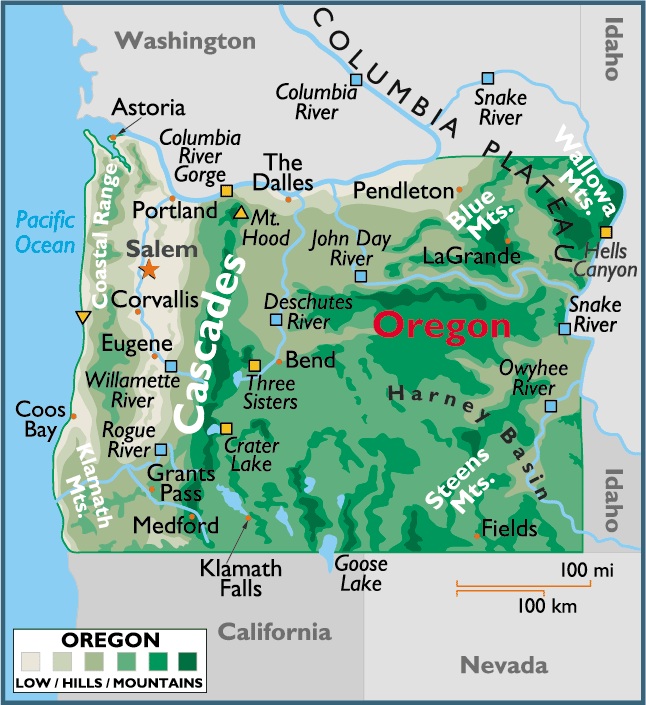
Oregon shares its borders with Washington to the north, Idaho to the east, and California and Nevada to the south, while its western edge is kissed by the vast Pacific Ocean. The “far-ness” of Oregon largely depends on your starting point.
For instance, from major West Coast hubs:
- From Seattle, Washington, to Portland, Oregon, the distance is approximately 175 miles (280 km), typically a 3-hour drive.
- From San Francisco, California, to Portland, it’s about 635 miles (1020 km), roughly a 10-hour drive.
- From Los Angeles, California, the journey to Portland spans approximately 965 miles (1550 km), taking around 15 hours by car.
Traveling from further afield in the United States naturally increases the distance and time commitment:
- From Denver, Colorado, Portland is about 1,250 miles (2010 km), a drive of approximately 19-20 hours.
- From Chicago, Illinois, you’re looking at around 2,100 miles (3380 km), a 30-32 hour drive.
- From New York City, the distance stretches to roughly 2,850 miles (4590 km), which translates to a driving time of 42-45 hours.
These figures illustrate that while Oregon is a significant journey from the East Coast, it is comfortably within reach for a road trip from many Western and Central states.
Journeying by Air, Land, and Rail
Modern travel options make Oregon surprisingly accessible, even from distant locales.
By Air:
Portland International Airport (PDX) serves as the primary gateway to Oregon, offering direct flights from major cities across the United States, Canada, and beyond. For example:
- Flights from Seattle to PDX are less than an hour.
- From San Francisco or Los Angeles, direct flights take around 1.5 to 2 hours.
- From Denver, flight time is approximately 2.5 hours.
- From Chicago, it’s about 4 hours.
- From New York, direct flights typically range from 5 to 6 hours.
Airlines like United Airlines, Delta Air Lines, and Southwest Airlines frequently service PDX, making air travel a convenient and time-efficient option for most. Smaller regional airports in cities like Eugene and Medford also offer connections, easing access to specific parts of the state.
By Road:
For many, a road trip to Oregon is an integral part of the experience, offering the freedom to explore at leisure. Major interstate highways, including I-5 running north-south and I-84 running east-west, provide excellent access. The scenic drives, particularly along the Columbia River Gorge or the Oregon Coast Highway (US 101), are destinations in themselves, showcasing the state’s diverse beauty even before reaching your primary destination.
By Rail:
Amtrak offers a scenic way to reach Oregon, with services connecting to Portland and other cities. The Coast Starlight route, stretching from Los Angeles to Seattle, is particularly renowned for its breathtaking views of the Pacific Ocean and the Cascade Range. This mode of travel allows visitors to sit back, relax, and soak in the landscapes, transforming the journey into part of the vacation.
Considering these options, “how far” Oregon is becomes less about an intimidating number and more about choosing the travel style that best suits your adventure.
Unveiling Oregon’s Diverse Landscapes and Attractions
Once you’ve navigated the journey and arrived in Oregon, you’ll discover a state brimming with natural wonders, vibrant cities, and unique cultural experiences that cater to every type of traveler. From the rugged shores of the Pacific Ocean to the snow-capped peaks of the Cascade Range, Oregon offers an endless array of attractions and activities.
Coastal Charms and Mountain Majesty
The geographical diversity of Oregon is arguably its most compelling feature.
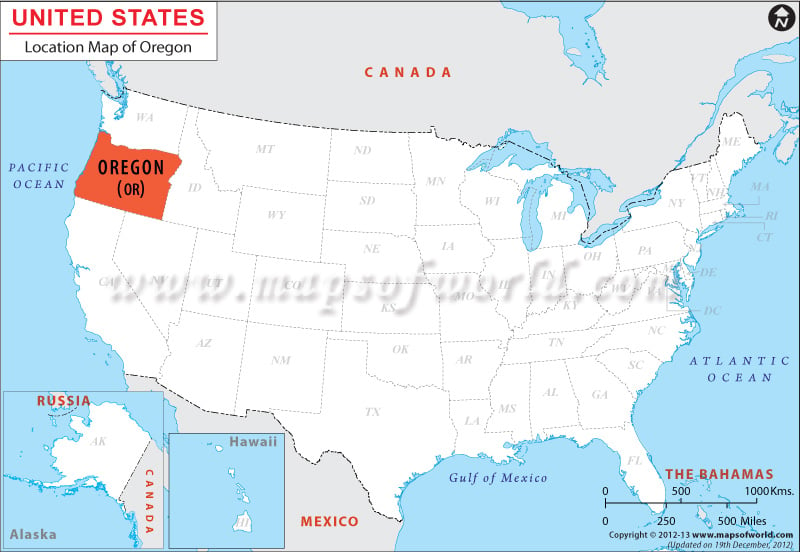
The Oregon Coast is a testament to raw, untamed beauty. Miles of public beaches, dramatic sea stacks, and charming coastal towns define this iconic region. Places like Cannon Beach, famous for its iconic Haystack Rock, offer picturesque scenery, tidepooling adventures, and art galleries. Further south, the Samuel H. Boardman State Scenic Corridor near Brookings provides breathtaking viewpoints and natural bridges carved by the relentless ocean. Quaint towns such as Astoria, Tillamook, and Florence offer a glimpse into maritime history, delicious seafood, and local delicacies like the famous Tillamook cheese. Whether you’re seeking serene beach walks, exhilarating whale watching, or simply the freshest seafood, the Oregon Coast delivers.
Inland, the towering Cascade Range dominates the skyline, home to magnificent peaks like Mount Hood, Mount Bachelor, and the unique geological wonder of Crater Lake National Park. Mount Hood, the state’s highest peak, is an outdoor enthusiast’s paradise, offering year-round skiing at Timberline Lodge, hiking trails, and stunning alpine scenery. Crater Lake National Park, formed by the collapse of an ancient volcano, boasts the deepest lake in the United States with water of an astonishingly intense blue. Hiking, boat tours to Wizard Island, and simply marveling at the panoramic views are essential experiences here.
The Columbia River Gorge, a National Scenic Area, is another jewel, famous for its dramatic waterfalls, including the iconic Multnomah Falls, and opportunities for windsurfing and kitesurfing in Hood River. Beyond the mountains and coast, Oregon also surprises with its vast High Desert region in Central Oregon, centered around Bend, offering high-altitude recreation, ancient volcanic landscapes, and unique geological formations like the Painted Hills within the John Day Fossil Beds National Monument.
Urban Adventures and Culinary Delights
While nature steals much of the spotlight, Oregon’s cities offer a vibrant contrast, blending urban sophistication with a laid-back, progressive ethos.
Portland, the state’s largest city, is a hub of creativity, culinary innovation, and quirky charm. Known for its thriving food cart scene, craft breweries, and coffee culture, Portland is a foodie’s dream. Beyond gastronomy, visitors can explore the serene International Rose Test Garden and Japanese Garden in Washington Park, wander through the vast independent bookstore, Powell’s City of Books, or delve into local history at the Oregon Zoo. The city’s neighborhoods, each with its distinct character, invite exploration, from the upscale boutiques of the Pearl District to the bohemian vibe of Hawthorne.
Eugene, often called “Track Town USA,” is a haven for outdoor enthusiasts and sports fans, nestled along the Willamette River. It boasts a strong farm-to-table movement, numerous craft breweries, and is a gateway to the nearby Oregon Coast and Cascade Mountains.
Ashland, in Southern Oregon, is renowned for the Oregon Shakespeare Festival, an internationally recognized theater event. This cultural gem draws visitors worldwide and is complemented by a charming downtown, beautiful parks, and access to the burgeoning Southern Oregon wine country.
The Willamette Valley, stretching south from Portland and encompassing cities like Salem (the state capital), is one of the world’s premier Pinot Noir wine regions. Wine enthusiasts can embark on scenic tours, visiting numerous vineyards and tasting rooms. Beyond wine, the valley offers picturesque farmlands, charming small towns like McMinnville, and botanical wonders like the Oregon Garden in Silverton.
Planning Your Oregon Stay: Accommodation and Lifestyle Choices
A trip to Oregon can be tailored to virtually any preference and budget, with a vast array of accommodation options and lifestyle choices that reflect the state’s diverse offerings. From luxurious resorts to cozy campsites, finding the perfect place to stay is an integral part of crafting your ideal Oregon experience.
From Boutique Hotels to Scenic Retreats
Oregon’s accommodation landscape is as varied as its geography. In major cities like Portland, you’ll find a sophisticated selection of hotels ranging from high-end luxury establishments to trendy boutique hotels that capture the city’s unique vibe. The Kimpton RiverPlace Hotel, nestled along the Willamette River, offers an upscale experience with scenic views, while the Ace Hotel Portland in the downtown area provides a chic, minimalist stay popular with a younger, design-conscious crowd. Boutique hotels in various neighborhoods immerse visitors in the local culture, often featuring local art, food, and design.
Beyond the urban centers, Oregon excels in offering unique, scenic retreats. Along the Oregon Coast, options range from charming B&Bs overlooking the Pacific Ocean to luxurious resorts with spas and oceanfront dining in towns like Cannon Beach or Pacific City. In the Willamette Valley wine country, properties like The Allison Inn & Spa offer a refined escape amidst vineyards, blending luxury with a strong connection to local agriculture and wellness. For those exploring the Cascade Range, the historic Timberline Lodge on Mount Hood provides an unparalleled mountain experience, while in Bend and Central Oregon, you’ll find modern resorts with access to golf courses, ski slopes, and the Deschutes River.
For a truly immersive experience, vacation rentals (apartments, villas, cabins) are widely available, especially for longer stays or larger groups. These often provide more space, privacy, and the convenience of home-like amenities, perfect for family trips or those seeking a taste of local living. Camping and glamping options are abundant across the state’s many state parks, national forests, and private campgrounds, allowing direct access to Oregon’s spectacular natural environments.
Tailoring Your Trip: Luxury, Budget, and Family Travel
Oregon’s flexibility extends to matching various travel lifestyles:
- Luxury Travel: For the discerning traveler, Oregon offers high-end experiences, from five-star hotels and private villa rentals to exclusive wine tours, gourmet dining, and spa retreats. Helicopter tours over Crater Lake National Park or private guided fishing trips on the Rogue River exemplify the bespoke adventures available.
- Budget Travel: Oregon is also remarkably friendly to budget travelers. Free access to all state parks and numerous public lands, along with an abundance of hiking trails and scenic viewpoints, means you can enjoy breathtaking natural beauty without spending a dime. Affordable accommodation can be found in hostels in Portland and Eugene, motels along major routes, and abundant camping opportunities. The food cart scene in Portland offers gourmet meals at a fraction of restaurant prices.
- Family Trips: Oregon is an ideal destination for families. Its diverse attractions appeal to all ages: sandy beaches for building sandcastles, gentle hikes suitable for little legs, interactive museums like the Oregon Museum of Science and Industry (OMSI) in Portland, and wildlife viewing opportunities along the coast and in state parks. Family-friendly resorts and vacation rentals provide comfortable bases for exploration.
- Business Stays: While primarily known for leisure, Portland and Salem also cater to business travelers with modern conference facilities, business hotels, and excellent connectivity. The city’s thriving tech and creative industries often draw professionals looking for vibrant urban experiences after work.
Booking ahead is always advisable, especially during peak seasons (summer and fall), to secure the best rates and preferred accommodations. Utilizing comparison websites and direct booking with hotels can help ensure you find the perfect match for your travel style and budget.
Navigating Oregon: Essential Travel Tips and Planning
To fully appreciate how “far” Oregon can take you, smart planning is key. Preparing for your visit ensures a smooth and enriching experience, allowing you to maximize your time exploring this captivating state.

Best Times to Visit and Getting Around
When to Visit:
Oregon truly shines throughout the year, but the “best” time to visit largely depends on your desired activities:
- Summer (June – August): This is peak tourist season, offering warm, sunny weather perfect for exploring the Oregon Coast, hiking in the Cascade Mountains, and enjoying outdoor festivals in Portland. However, popular attractions will be crowded, and accommodation prices higher.
- Fall (September – November): A favorite for many, fall brings stunning foliage, particularly in the Columbia River Gorge and Willamette Valley wine country. The weather is generally pleasant, and crowds thin out, making it ideal for wine tasting, scenic drives, and cultural events like the Oregon Shakespeare Festival in Ashland.
- Winter (December – February): For winter sports enthusiasts, this is the time to hit the slopes of Mount Hood or Mount Bachelor. The Oregon Coast offers dramatic storm watching, and cities like Portland sparkle with holiday lights. Bear in mind that mountain passes may require snow chains.
- Spring (March – May): Witness Oregon come alive with blooming wildflowers, lush green landscapes, and fewer crowds. It’s an excellent time for river rafting, exploring the Oregon Garden, and enjoying the milder weather before the summer rush.
Getting Around:
While public transportation in Portland (MAX Light Rail, streetcar, buses) is excellent for urban exploration, a rental car is highly recommended for experiencing the full breadth of Oregon’s natural wonders. The state’s vastness and the distribution of its attractions make driving the most flexible and efficient option. Be aware that road conditions can vary, especially in winter in the mountains, so always check forecasts and road reports before setting out.
Local Culture and Tips:
Oregon is known for its independent spirit, environmental consciousness, and a strong emphasis on local products. Embrace the farm-to-table dining, explore farmers’ markets, and respect the state’s commitment to sustainability. Tipping is customary in restaurants and for services. Remember that sales tax is zero in Oregon, a pleasant surprise for shoppers!
In conclusion, “How far is Oregon?” transcends a simple measurement. It speaks to the journey, the discovery, and the profound experiences that await. Whether you’re drawn by the majestic Columbia River Gorge, the serene beauty of Crater Lake National Park, the vibrant urban pulse of Portland, or the dramatic allure of the Oregon Coast, the distance to this Pacific Northwest gem is a journey well worth taking. With proper planning, comfortable accommodation, and an adventurous spirit, your trip to Oregon promises to be an unforgettable chapter in your travelogue.
LifeOutOfTheBox is a participant in the Amazon Services LLC Associates Program, an affiliate advertising program designed to provide a means for sites to earn advertising fees by advertising and linking to Amazon.com. Amazon, the Amazon logo, AmazonSupply, and the AmazonSupply logo are trademarks of Amazon.com, Inc. or its affiliates. As an Amazon Associate we earn affiliate commissions from qualifying purchases.