
The question “How far is Seattle?” isn’t just about miles or kilometers on a map; it’s about the journey, the accessibility, and ultimately, the richness of the experience awaiting you in the heart of the Pacific Northwest. From bustling urban centers to serene natural landscapes, Seattle offers a unique blend of innovation, culture, and outdoor adventure that beckons travelers from around the globe. Whether you’re contemplating a quick weekend getaway, a lengthy business stay, or a leisurely family vacation, understanding the various facets of reaching and enjoying this vibrant United States city is crucial to planning an unforgettable trip.
Seattle, often called the “Emerald City” for its lush greenery, is a nexus of technological advancement, artistic expression, and unparalleled natural beauty. Home to global giants like Amazon and a significant presence for Microsoft and Boeing, it’s a city that buzzes with innovation, yet retains a deeply rooted connection to its maritime heritage and the stunning wilderness that surrounds it. This guide delves into everything from travel logistics and accommodation options to the iconic landmarks and local lifestyle that define the Seattle experience, ensuring you’re well-equipped to answer “how far” in terms of both physical distance and the depth of what you’ll discover.
Calculating Your Journey: Proximity and Travel Modes
Understanding the distance to Seattle involves more than just a direct measurement; it requires considering the available modes of transport, travel times, and the starting point of your adventure. Whether you prefer the speed of air travel, the scenic vistas of a road trip, or the unique charm of rail or sea, Seattle is remarkably accessible.
By Air: Connecting Flights and Major Hubs
For most long-distance travelers, flying is the most efficient way to reach Seattle. The city is served primarily by Seattle-Tacoma International Airport (Sea-Tac), a major hub in the Pacific Northwest. Sea-Tac offers direct flights to numerous cities across the United States, Canada, Asia, and Europe, making it a convenient gateway for international and domestic visitors alike.
From major US cities, flight times vary significantly:
- From Los Angeles or San Francisco: Approximately 2.5 to 3 hours, a relatively short hop that makes Seattle an ideal weekend escape from California.
- From Chicago or Dallas: Roughly 4 to 4.5 hours, providing a comfortable journey across the central United States.
- From New York or Miami: Expect longer flights, typically around 5.5 to 6.5 hours, but direct routes are plentiful, minimizing travel hassle.
- From Denver or Boston: Between 3 to 4.5 hours and 5 to 6 hours respectively, with good connectivity.
Airlines such as Alaska Airlines (with its main hub at Sea-Tac), Delta, United, American, and Southwest all operate extensive services to and from Seattle. Travelers are advised to book flights in advance, especially during peak seasons (summer and major holidays) to secure the best fares and availability. The Link Light Rail provides a convenient and affordable connection from Sea-Tac directly to downtown Seattle, making onward travel seamless upon arrival.
By Road: Scenic Drives and Distances
For those who prefer the open road, Seattle is accessible via a network of interstates, primarily I-5, which runs north-south along the West Coast. A road trip offers the flexibility to explore charming towns and natural wonders along the way, turning the journey into part of the adventure.
- From Portland, Oregon: A mere 175 miles (280 km) away, the drive takes approximately 3 hours, offering a pleasant journey through the Pacific Northwest countryside.
- From Vancouver BC, Canada: About 140 miles (225 km), the drive is around 2.5 to 3 hours, depending on border crossing times, which can fluctuate significantly.
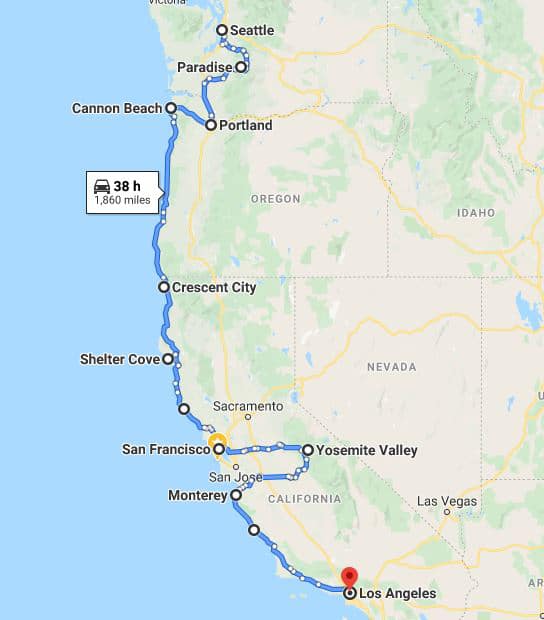
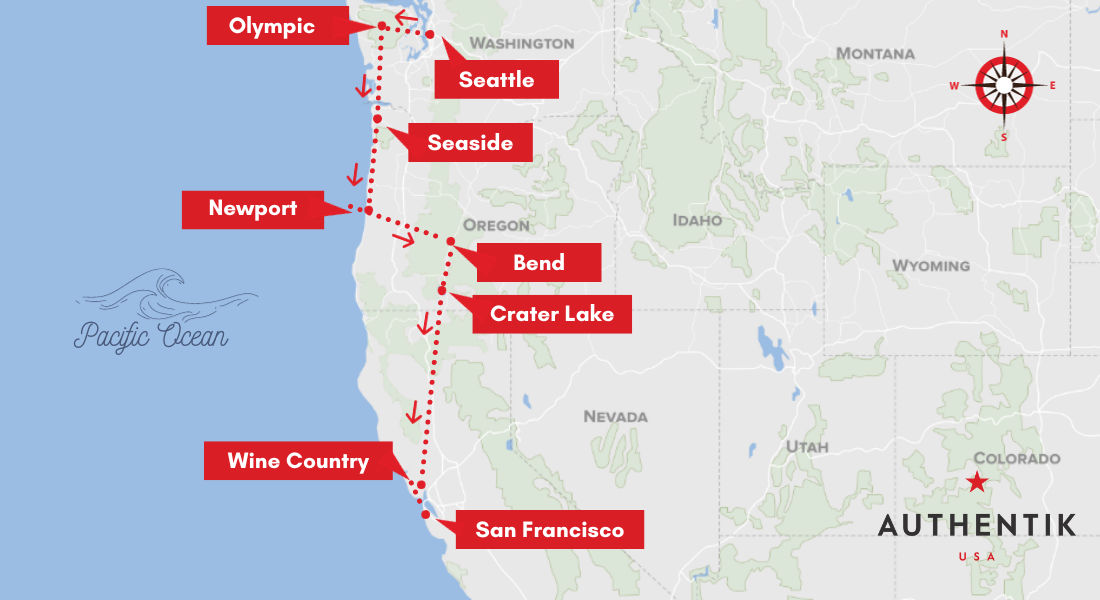
- From San Francisco, California: Roughly 800 miles (1,290 km), this is a substantial road trip, taking around 12-14 hours of pure driving time. It’s best broken up into a multi-day journey, perhaps with an overnight stop in a city like Redding or Ashland.
- From Boise, Idaho: Approximately 490 miles (790 km), requiring an 8-9 hour drive through diverse landscapes.
Driving to Seattle also allows for easy exploration of nearby natural attractions like Mount Rainier National Park, Olympic National Park, and Mount St. Helens. Remember to factor in potential traffic, especially around urban areas during rush hour, and consider the availability of electric vehicle charging stations if you’re traveling sustainably.
By Rail and Sea: Unique Travel Experiences
For a more leisurely and scenic journey, consider traveling to Seattle by train or even by ferry or cruise ship.
- By Rail: Amtrak offers train services to Seattle via its Coast Starlight route, connecting Los Angeles to Seattle with stops in major cities like Oakland, Sacramento, and Portland. The journey is an experience in itself, with stunning views of the Pacific coastline, mountains, and forests. Amtrak also connects Seattle to Vancouver BC via the Cascades service, offering an easy cross-border trip.
- By Sea: Seattle is a major port for Alaska cruises, serving as a departure point for many unforgettable voyages. For those exploring the local region, the Washington State Ferries provide a unique way to travel to islands like Bainbridge Island or the Olympic Peninsula, offering breathtaking views of the Seattle skyline and Puget Sound. While not direct travel to Seattle for most, it’s an integral part of experiencing the broader Seattle area and its maritime culture.
Beyond the Miles: What Awaits You in Seattle?
Once you’ve navigated the “how far,” the more exciting question becomes “what awaits me?” Seattle is a city brimming with iconic landmarks, a distinctive culinary scene, and unparalleled opportunities for outdoor exploration, catering to a diverse range of interests and lifestyles.
Iconic Landmarks and Cultural Gems
Seattle’s skyline is instantly recognizable, largely due to its most famous landmark: the Space Needle. Built for the 1962 World’s Fair, it offers panoramic views of the city, Mount Rainier, and the surrounding waters. Adjacent to it, the Chihuly Garden and Glass showcases dazzling glass art installations, creating a vibrant spectacle of color and form.
No visit to Seattle is complete without a trip to Pike Place Market. This historic public market, established in 1907, is a sensory feast with its flying fish, artisanal crafts, fresh produce, and an array of unique eateries. It’s a true hub of local culture and an absolute must-see.
Beyond these staples, the city boasts a rich array of cultural institutions. The Museum of Pop Culture (MoPOP) is an architectural marvel dedicated to contemporary popular culture, featuring exhibits on music legends like Jimi Hendrix and Kurt Cobain, science fiction, and video games. The stunning architecture of the Seattle Public Library downtown branch is a landmark in itself, a testament to modern design and a welcoming space for discovery. For history buffs, the Museum of Flight near Sea-Tac is an aerospace wonderland, showcasing an impressive collection of aircraft and artifacts.
Culinary Delights and Local Flavors
Seattle’s food scene is as diverse as its population. Given its coastal location, fresh seafood is a staple, with offerings ranging from succulent Alaskan salmon and Dungeness crab to fresh oysters from Puget Sound. You can savor these delicacies in upscale restaurants on the Waterfront, or in casual fish-and-chips shops.

The city is, of course, synonymous with coffee. As the birthplace of Starbucks, Seattle embraces its coffee culture with countless independent cafes, specialty roasters, and the immersive Starbucks Reserve Roastery experience. Beyond coffee and seafood, Seattle offers an incredible array of international cuisines, from vibrant Asian fusion to authentic Mexican and Ethiopian dishes, reflecting its multicultural fabric. Don’t forget to explore the craft beer and wine scene, with numerous microbreweries and urban wineries contributing to the local flavor.
Outdoor Adventures and Natural Beauty
The “how far” to Seattle question quickly fades when confronted with the city’s breathtaking natural surroundings. Seattle is nestled between Puget Sound to the west and Lake Washington to the east, with the majestic Cascade Mountains (home to Mount Rainier) to the east and the Olympic Mountains to the west.
Within the city limits, green spaces like Discovery Park in Magnolia offer miles of trails, beaches, and stunning views of the Sound and mountains. Gas Works Park provides unique industrial-chic landscapes and iconic skyline views, especially popular at sunset. For a classic photo opportunity, Kerry Park in Queen Anne offers arguably the best panoramic vista of the Space Needle with Mount Rainier in the background.
Just a short drive away, national parks beckon. Mount Rainier National Park is an adventurer’s paradise with hiking trails, alpine meadows, and glacier-capped peaks. Olympic National Park, a UNESCO World Heritage site, boasts diverse ecosystems from temperate rainforests to rugged coastline. Opportunities for kayaking, paddleboarding, sailing, and whale watching abound in Puget Sound and the surrounding lakes. Even a simple walk around Green Lake Park or along the shores of Golden Gardens Park can be a rejuvenating experience.
Planning Your Stay: Accommodation and Lifestyle Choices
To truly appreciate Seattle, careful consideration of where to stay and how to tailor your trip to your lifestyle is essential. The city offers a wide spectrum of accommodation options, from opulent luxury hotels to cozy boutique stays and practical long-term rentals, ensuring every type of traveler finds their perfect base.
Diverse Accommodation Options
Seattle’s hotel landscape is as varied as its attractions. For those seeking luxury, the Four Seasons Hotel Seattle and the Fairmont Olympic Hotel offer exquisite service, gourmet dining, and prime downtown locations, often with stunning views of the Puget Sound or the city skyline. These establishments provide a lavish experience, complete with high-end amenities, spas, and concierge services, making them ideal for discerning travelers and special occasions.
Boutique hotels, such as The Edgewater Hotel, provide a more intimate and unique experience. The Edgewater Hotel, famous for hosting The Beatles, offers a distinct Pacific Northwest lodge feel right on Pier 67, with rooms overlooking the water. Other popular choices include The Hotel Max for its art-centric vibe or Hotel Theodore for its classic elegance.
For budget-conscious travelers, Seattle also provides a range of affordable hotels and hostels, particularly in neighborhoods a little further from the core downtown area. Additionally, the rise of vacation rentals via platforms like Airbnb offers a fantastic opportunity for longer stays, family trips, or those desiring a more local, residential experience. These can range from charming apartments in historic districts to modern lofts with city views. When choosing accommodation, it’s always wise to check reviews and compare prices to ensure the best fit for your needs and budget.
Tailoring Your Trip: Luxury, Budget, Family, or Business
Seattle excels at catering to different travel lifestyles:
- Luxury Travel: Beyond the high-end hotels, luxury in Seattle can mean private culinary tours, yacht charters on Lake Union, exclusive shopping experiences at high-end retailers like Nordstrom (which originated in Seattle), or bespoke adventures into the surrounding wilderness with expert guides.
- Budget Travel: Seattle can be explored on a budget. Many of its best attractions, like Pike Place Market (for window shopping and cheap eats), Gas Works Park, and Kerry Park, are free. Public transportation is efficient, and a myriad of affordable dining options are available, especially in diverse neighborhoods.
- Family Trips: Seattle is incredibly family-friendly. Kids will love the Seattle Aquarium, Woodland Park Zoo, the interactive exhibits at MoPOP, and a ride on the Great Wheel for stunning views. Many parks, like Green Lake Park, offer playgrounds and open spaces for children to enjoy.
- Business Stays: For business travelers, Seattle’s downtown core and South Lake Union district are well-equipped with modern hotels, conference facilities, and excellent connectivity. The city’s strong tech industry presence means many hotels cater specifically to business needs, offering robust Wi-Fi, meeting rooms, and executive lounges.
Neighborhoods to Consider
Choosing the right neighborhood significantly impacts your Seattle experience:
- Downtown: Best for first-time visitors, offering easy access to the Space Needle, Pike Place Market, shopping, and public transport.
- Belltown: North of downtown, known for its vibrant nightlife, trendy restaurants, and boutique shops.
- Queen Anne: Offers beautiful residential areas, stunning views from Kerry Park, and easy access to the Seattle Center attractions.
- Capitol Hill: The city’s lively cultural hub, with a vibrant LGBTQ+ scene, independent boutiques, diverse dining, and a thriving nightlife.
- South Lake Union: A rapidly developing area, home to Amazon headquarters, modern hotels, and easy access to Lake Union for watersports.
- Fremont: Known as the “Center of the Universe,” with eclectic art (including the Fremont Troll), quirky shops, and microbreweries.
- Ballard: A historic maritime neighborhood with a Nordic heritage, offering a charming main street, the Ballard Locks, and a strong craft beer scene.
- West Seattle: Offers stunning beaches (Alki Beach) with views of the city skyline, a relaxed vibe, and a strong community feel.
Making the Most of Your Seattle Experience
Beyond figuring out “how far” and “where to stay,” maximizing your trip to Seattle involves understanding the best times to visit, how to navigate the city, and a few essential travel tips.
Navigating the City
Seattle is a relatively compact city, and its downtown core is highly walkable, making it easy to explore major attractions on foot. For longer distances, the city offers an efficient public transportation system. The Link Light Rail connects Sea-Tac to downtown and the University of Washington, making it convenient for airport transfers and exploring different districts. A comprehensive bus network, operated by King County Metro, covers the entire city and surrounding areas. For unique experiences, consider the Seattle Streetcar which services South Lake Union and First Hill, or the iconic Monorail that connects Seattle Center to downtown. Ride-sharing services are also readily available.
Best Time to Visit
The “best” time to visit Seattle largely depends on your priorities:
- Summer (June-August): Offers the warmest, driest weather with long daylight hours, perfect for outdoor activities and exploring national parks. This is peak tourist season, so expect larger crowds and higher prices for flights and accommodations.
- Spring (April-May) and Fall (September-October): These shoulder seasons provide a wonderful balance of pleasant weather, fewer crowds, and often better deals. Spring bursts with blooming flowers, while fall showcases stunning foliage. Rain is more common but typically mild.
- Winter (November-March): Is the rainy season, but don’t let that deter you. The city embraces its cozy coffee shops, vibrant indoor attractions, and a festive atmosphere during the holidays. It’s also the best time for budget travelers to find deals.
Essential Travel Tips
- Pack Layers: Seattle’s weather can be unpredictable, even in summer. Layers are key, and a waterproof jacket is always a good idea, regardless of the season.
- Book in Advance: Especially if traveling during peak season or for major events, secure flights, hotels, and popular tours well in advance.
- Embrace the Coffee Culture: Don’t just visit the original Starbucks; explore the local coffee scene.
- Utilize City Passes: Consider a CityPASS if you plan to visit multiple major attractions like the Space Needle, MoPOP, and the Seattle Aquarium, as it can offer significant savings.
- Explore Beyond Downtown: While downtown has many highlights, venture into diverse neighborhoods like Fremont, Ballard, or Capitol Hill to experience the true local vibe and discover hidden gems.
In conclusion, “How far is Seattle?” is a question best answered by not just the physical distance, but by the depth of experiences and memories that await you. Whether you arrive by air, road, or rail, the journey to the Emerald City is merely the beginning of an adventure filled with iconic landmarks, culinary delights, and breathtaking natural beauty. By planning your travel, choosing the right accommodation, and embracing the diverse lifestyle offerings, Seattle will feel less like a distant destination and more like a welcoming home away from home.
LifeOutOfTheBox is a participant in the Amazon Services LLC Associates Program, an affiliate advertising program designed to provide a means for sites to earn advertising fees by advertising and linking to Amazon.com. Amazon, the Amazon logo, AmazonSupply, and the AmazonSupply logo are trademarks of Amazon.com, Inc. or its affiliates. As an Amazon Associate we earn affiliate commissions from qualifying purchases.