
For many travelers dreaming of a Florida getaway, images of sun-kissed beaches, swaying palm trees, and encounters with fascinating marine life often come to mind. Florida is a vibrant tapestry of natural beauty and exciting attractions, from the thrilling rides of Orlando’s theme parks to the serene landscapes of the Everglades. But amidst this idyllic vision, a question might occasionally pop into a curious traveler’s mind, especially for those venturing beyond resort walls: “Are there skunks in Florida?” The definitive answer is yes, skunks are indeed residents of the Sunshine State. While they might not be as iconic as the alligators or manatees, these distinctive creatures play their part in Florida’s diverse ecosystem. Understanding their presence, habits, and how to coexist with them responsibly is a valuable piece of knowledge for any visitor, enhancing their travel experience and ensuring a smooth, scent-free adventure.
Florida’s Wild Side: Unveiling the Sunshine State’s Nocturnal Residents
Florida boasts an incredibly rich biodiversity, and its varied landscapes, from dense forests and expansive wetlands to bustling urban peripheries, provide suitable habitats for a wide array of wildlife, including skunks. Far from being confined to specific remote areas, skunks can be found across the entire state, adapting remarkably well to both wild and human-dominated environments. Knowing which species inhabit the region and where they typically reside can help travelers appreciate the natural surroundings more deeply while also being mindful of potential encounters.
The Skunk Species of Florida: Striped and Spotted
When discussing skunks in Florida, we are primarily referring to two species, each with its unique characteristics and distribution patterns:
-
Striped Skunk (Mephitis mephitis): This is perhaps the most recognizable skunk species, famous for its glossy black fur adorned with a prominent white stripe that typically forks near the shoulders and continues down both sides of its bushy tail. Striped Skunks are widespread throughout North America, and Florida is no exception. They are incredibly adaptable, thriving in a variety of habitats, which explains their common presence across rural, suburban, and even some urban areas of the state. Their diet is opportunistic, consisting of insects, small rodents, eggs, fruits, and even human refuse, making them comfortable foraging near human dwellings.
-
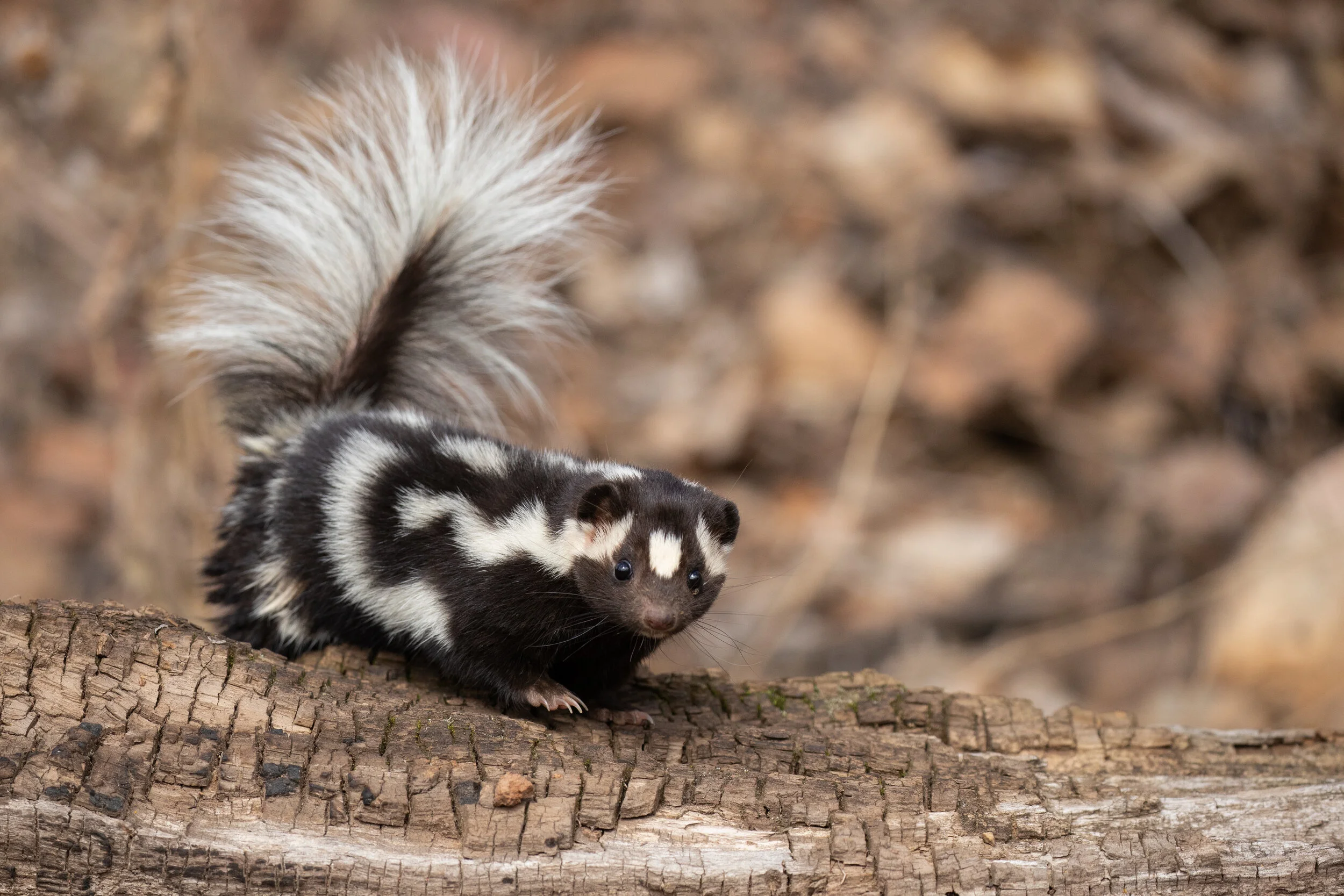
Eastern Spotted Skunk (Spilogale putorius): While less common and often more elusive than their striped cousins, Eastern Spotted Skunks also call Florida home. These smaller skunks are distinguished by their black fur patterned with broken white stripes and spots, giving them a more fragmented, intricate appearance. They are known for their unique “handstand” display when threatened, stomping their feet and raising their hindquarters to aim their spray with remarkable accuracy. Eastern Spotted Skunks prefer more dense, undisturbed habitats, such as woodlands, forest edges, and shrubby areas, often making them less likely to be encountered in highly urbanized settings compared to Striped Skunks. However, they are still present throughout much of the state, particularly in less developed regions.
Where Skunks Call Home: Habitats and Hotspots
Skunks are not picky when it comes to finding a place to live, which contributes to their widespread presence across Florida. Their adaptability means they can be found in almost any environment that offers food, water, and shelter.
- Natural Landscapes: In wilder areas, skunks frequently inhabit forests, grasslands, swamps, and marshes. Iconic Florida landmarks like Everglades National Park, Ocala National Forest, and various state parks provide ideal natural environments for these creatures. Here, they forage for insects, small animals, and plant matter, often utilizing abandoned burrows or natural crevices for dens.
- Suburban and Urban Edges: This is where travelers are most likely to encounter skunks. As human development expands, skunks readily adapt to suburban neighborhoods, golf courses, parks, and even the fringes of larger cities like Miami, Tampa, or Jacksonville. They are drawn to these areas by readily available food sources, such as discarded food, pet food left outdoors, and the abundance of insects and grubs in manicured lawns. Under porches, decks, or in brush piles, they find safe denning sites.
- Agricultural Areas: Farms and agricultural lands also provide fertile grounds for skunks, offering ample food and cover. They play a role in pest control by eating insects and rodents, making them a natural part of these landscapes.
Understanding their habitat preferences highlights that an encounter isn’t necessarily limited to remote wilderness; it can happen in a city park or even near your accommodation if proper precautions aren’t taken.
Encountering Wildlife: A Traveler’s Guide to Skunks in Florida
For travelers exploring Florida, the prospect of encountering wildlife is often part of the charm, whether it’s spotting a dolphin off the Florida Keys or seeing an alligator in its natural habitat. However, a skunk encounter brings with it a unique set of considerations, primarily related to their potent defensive spray. Equipped with the right knowledge, travelers can minimize risks and enjoy their Florida experience without any unexpected aromatic souvenirs.
Understanding Skunk Behavior: What Every Visitor Should Know
Skunks are generally docile and non-aggressive animals. Their infamous spray is a defensive mechanism, reserved for moments when they feel severely threatened and cannot escape. They prefer to avoid confrontation and will usually give ample warnings before resorting to spraying.
- Nocturnal Habits: Skunks are primarily nocturnal, meaning they are most active during the night. This is when they forage for food and water. Daytime sightings are less common but can occur, especially if a skunk is disturbed or seeking food.
- Warning Signs: Before spraying, a skunk will often try to deter a perceived threat through a series of warning behaviors:
- Stomping Feet: They may stomp their front feet rapidly on the ground.
- Hissing or Growling: Vocalizations can also be a warning.
- Tail Raising: The most obvious warning is when the skunk raises its tail high, often with the fur bristled, and turns its back to the threat. This is a critical signal to retreat immediately.
- Range of Spray: A skunk can accurately spray its musky, oily fluid up to 10-15 feet, and the odor can be detected much further. The spray can cause temporary blindness and nausea in addition to its overpowering smell.
Knowing these behaviors is key to avoiding an unpleasant interaction. If you see a skunk exhibiting any of these warning signs, your best course of action is to slowly and calmly back away.
Preventing Unwanted Encounters: Tips for Travelers and Accommodations
Prevention is always better than cure, especially when it comes to skunks. Both travelers and accommodation providers can take proactive steps to minimize the chances of an unwanted encounter.
- Secure Food and Garbage: This is paramount. Skunks are attracted to food sources.
- For Travelers: When camping or staying in accommodations with outdoor spaces (like villas or apartments), always store food in sealed containers and secure all trash in animal-proof bins. Never leave pet food bowls outside overnight.
- For Accommodations: Hotels, resorts, and vacation rentals should ensure all outdoor trash receptacles are sturdy, sealed, and regularly emptied. Outdoor dining areas should be thoroughly cleaned nightly.
- Keep Pets on Leash: If traveling with pets, particularly dogs, always keep them on a leash, especially during dawn, dusk, and nighttime walks. Dogs are often curious and may approach a skunk, leading to a spray incident.
- Avoid Feeding Wildlife: While it might seem harmless, feeding wildlife habituates them to humans and encourages them to frequent areas where people are present, increasing the likelihood of encounters.
- Illuminate Outdoor Areas: Skunks prefer to operate under the cover of darkness. Well-lit pathways and outdoor areas around your accommodation can act as a deterrent.
- Inspect Before Entering: Before letting pets out or stepping into a dimly lit area like a patio or garden at night, quickly scan the surroundings with a flashlight.
- Close Garage Doors/Sheds: If staying in a rental home, ensure garage doors and sheds are closed, as these can provide attractive denning sites.
By adhering to these simple guidelines, travelers can significantly reduce the risk of a skunk encounter during their Florida vacation.
What to Do If You Encounter a Skunk (or Get Sprayed!)

Even with the best precautions, an encounter can sometimes happen. If you spot a skunk:
- Stay Calm: Avoid sudden movements or loud noises that could startle the animal.
- Maintain Distance: Give the skunk plenty of space.
- Retreat Slowly: Slowly back away from the animal, keeping an eye on its behavior. Do not turn your back and run, as this might trigger a chase response.
If the unfortunate event of a skunk spray occurs, either to you or your pet, immediate action is crucial:
- For Pets: Do NOT use tomato juice – it’s an old wives’ tale and largely ineffective. A proven and effective solution is a mixture of:
- 1 quart of 3% hydrogen peroxide
- 1/4 cup baking soda
- 1-2 teaspoons liquid dish soap
Apply this mixture liberally to the affected area (avoiding the eyes and mouth) while wearing rubber gloves. Let it sit for 5-10 minutes, then rinse thoroughly. Repeat if necessary. Follow up with a regular pet shampoo bath. It’s wise to have these ingredients on hand if you know you’ll be in skunk territory. Many pet stores in Florida also sell commercial skunk odor removers.
- For Humans: If sprayed on skin or hair, wash immediately with the hydrogen peroxide/baking soda/dish soap solution. For clothes, try soaking them in a similar solution or a strong detergent before multiple washes. Items that are heavily saturated with the spray may need to be discarded, as the odor can be incredibly persistent. If your car or accommodation gets sprayed, professional cleaning might be necessary. Inform your hotel or accommodation provider immediately so they can assist or advise on cleaning protocols.
Beyond the Scent: Exploring Florida’s Diverse Ecosystems
While skunks are a part of Florida’s wildlife, they are just one thread in a rich and vibrant natural tapestry. A trip to the Sunshine State offers countless opportunities to connect with nature, and understanding the role of all creatures, big and small, enhances the experience. The state’s commitment to conservation makes it a prime destination for eco-tourism and wildlife observation, provided visitors act responsibly.
Wildlife Conservation and Responsible Tourism
Florida’s unique ecosystems, from the vast wetlands of the Everglades to the pristine beaches of Sanibel Island, are home to an incredible array of species, many of which are endangered or unique to the region. Responsible tourism plays a vital role in protecting these natural treasures.
- Support Local Conservation Efforts: Many attractions and organizations, such as the Florida Fish and Wildlife Conservation Commission (FWC), are dedicated to preserving Florida’s wildlife and habitats. Visitors can support these efforts by visiting nature parks, wildlife refuges, and educational centers, where they can learn about local species and the challenges they face.
- Leave No Trace: Practice “Leave No Trace” principles wherever you go. This means packing out everything you pack in, staying on marked trails, and respecting natural environments.
- Observe from a Distance: Whether it’s a skunk, an alligator, a manatee, or a bird, always observe wildlife from a safe and respectful distance. Never approach, feed, or harass animals. This protects both you and the wildlife.
- Educate Yourself: Learning about the local flora and fauna before your trip can enrich your experience and help you make informed decisions that benefit conservation.
Florida’s Natural Wonders: From Everglades to Beaches
Beyond the potential for skunk sightings, Florida offers a breathtaking array of natural attractions that draw millions of visitors annually.
- Everglades National Park: A UNESCO World Heritage Site, this vast wetland ecosystem is an unparalleled destination for wildlife viewing, airboat tours, and hiking. It’s home to alligators, crocodiles, wading birds, panthers, and, yes, skunks.
- Florida Keys: This archipelago offers incredible opportunities for snorkeling, diving, fishing, and boating in crystal-clear waters, showcasing vibrant coral reefs and diverse marine life. Key West, at the end of the Keys, is a destination rich in history and laid-back charm.
- Gulf Coast Beaches: Destinations like Clearwater Beach, Siesta Key Beach, and Naples are renowned for their soft, white sands and calm, warm waters, perfect for relaxation and family fun.
- Atlantic Coast: From the historic charm of St. Augustine to the vibrant nightlife of South Beach in Miami, the Atlantic Coast offers a blend of cultural experiences and beautiful beachfronts. Kennedy Space Center Visitor Complex on the Space Coast provides a different kind of marvel.
- Central Florida Lakes and Forests: Beyond the theme parks, areas around Kissimmee and Lake Okeechobee offer freshwater fishing, boating, and pristine natural forests, such as those found in Ocala National Forest, where wildlife thrives.
Experiencing these natural wonders with an awareness of their inhabitants, including skunks, adds a layer of depth to your travel narrative and fosters a greater appreciation for Florida’s wild heart.
Staying Safe and Sound: Accommodations and Wildlife Awareness
When planning your Florida trip, your choice of accommodation and your understanding of local wildlife can significantly impact your overall experience. Whether you opt for a luxurious resort, a cozy boutique hotel, a spacious villa, or a budget-friendly apartment, being wildlife-aware is an integral part of a seamless and enjoyable stay. Accommodation providers also play a crucial role in educating guests and maintaining environments that minimize human-wildlife conflicts.
Choosing Wildlife-Aware Florida Accommodations
Not all accommodations are created equal when it comes to wildlife management. If minimizing encounters is a priority, especially with nocturnal animals like skunks, consider these factors when booking:
- Location: Resorts or hotels situated directly bordering natural areas, undeveloped land, or dense vegetation might naturally have a higher likelihood of wildlife sightings. If you prefer a more contained environment, a property in a denser urban or suburban core might be preferable. However, remember skunks are adaptable, so even city parks can host them.
- Reviews and Amenities: Look for guest reviews that mention wildlife (positively or negatively). Some properties actively promote their wildlife-friendly policies or even offer guided nature walks. For example, a resort like Walt Disney World Resort is meticulously managed for guest safety and experience, including wildlife.
- Waste Management: A good indicator of a wildlife-aware property is its waste management system. Are trash cans secure and emptied regularly? Is outdoor dining waste promptly cleared? These practices deter scavengers like skunks, raccoons, and opossums.
- Fencing and Lighting: While not always foolproof, properties with good perimeter fencing, especially around gardens, pools, and children’s play areas, can help deter larger wildlife. Adequate lighting in common outdoor areas also helps.
- Staff Knowledge: Reputable hotels and resorts often have staff who are knowledgeable about local wildlife and can provide advice on what to do if an animal is spotted. Don’t hesitate to ask reception or concierges about local wildlife advisories.
If you’re staying in a private villa or apartment, the responsibility often falls more on you to implement preventive measures, especially regarding outdoor food and garbage storage.

Enjoying Florida Responsibly: Coexisting with Nature
Ultimately, the presence of skunks in Florida is a reminder that the state is a living ecosystem, not just a curated tourist destination. Coexisting peacefully with its natural inhabitants is part of the Florida experience.
- Awareness, Not Fear: The goal isn’t to instill fear, but to foster awareness. A skunk sighting doesn’t have to ruin your trip. In fact, a respectful distant observation can be a unique wildlife experience.
- Respect Boundaries: Understand that you are a visitor in their natural habitat, even in urban green spaces. Respecting their space and avoiding interventions like feeding or attempting to touch them is crucial.
- Travel with Preparedness: For families or those with pets, carrying a small “skunk kit” (hydrogen peroxide, baking soda, dish soap) can provide peace of mind, especially if you plan on exploring areas where wildlife is more prevalent.
- Report Concerns: If you notice unusual animal behavior, such as a skunk acting aggressively or appearing sick during the day, report it to local animal control or your accommodation management. Such behavior can sometimes indicate rabies or other illnesses.
In conclusion, yes, skunks are a natural part of Florida’s diverse wildlife. While their distinctive defense mechanism is well-known, understanding their habits and practicing simple precautions can ensure your Florida vacation remains a pleasant and memorable journey, filled with sunshine, adventure, and perhaps even a unique, scent-free wildlife encounter. Embrace the full spectrum of Florida’s natural beauty, including its more fragrant residents, and you’ll find an even richer appreciation for the Sunshine State.
LifeOutOfTheBox is a participant in the Amazon Services LLC Associates Program, an affiliate advertising program designed to provide a means for sites to earn advertising fees by advertising and linking to Amazon.com. Amazon, the Amazon logo, AmazonSupply, and the AmazonSupply logo are trademarks of Amazon.com, Inc. or its affiliates. As an Amazon Associate we earn affiliate commissions from qualifying purchases.