
The question “How far is New York City from Boston?” is more than a simple query about miles; it’s an invitation to explore the myriad ways two of America’s most historic and vibrant metropolises are connected, both geographically and culturally. These iconic East Coast hubs offer a fascinating contrast: New York City with its towering skyscrapers, relentless energy, and global influence, and Boston with its charming cobblestone streets, rich colonial history, and intellectual prowess. The journey between them is a well-trodden path, beloved by business travelers, tourists, and locals alike, each seeking a different kind of experience.
Whether you’re planning a quick business trip, a leisurely family vacation, or a deep dive into the historical tapestry of the Northeast, understanding the distance, travel options, and unique attractions of each city is paramount. This guide delves into the practicalities of making the journey, from calculating actual travel times and costs to discovering the best places to stay and the must-see landmarks. We’ll explore how to tailor your trip to your lifestyle, ensuring that every mile between New York and Boston is part of an unforgettable adventure.
The Geographic Reality: Unpacking the Distance and Ideal Routes
At its core, the distance between New York City and Boston is straightforward, yet the reality of travel makes it a nuanced consideration. Understanding both the direct measurement and the practical driving routes is essential for planning.
Direct Distance vs. Driving Distance
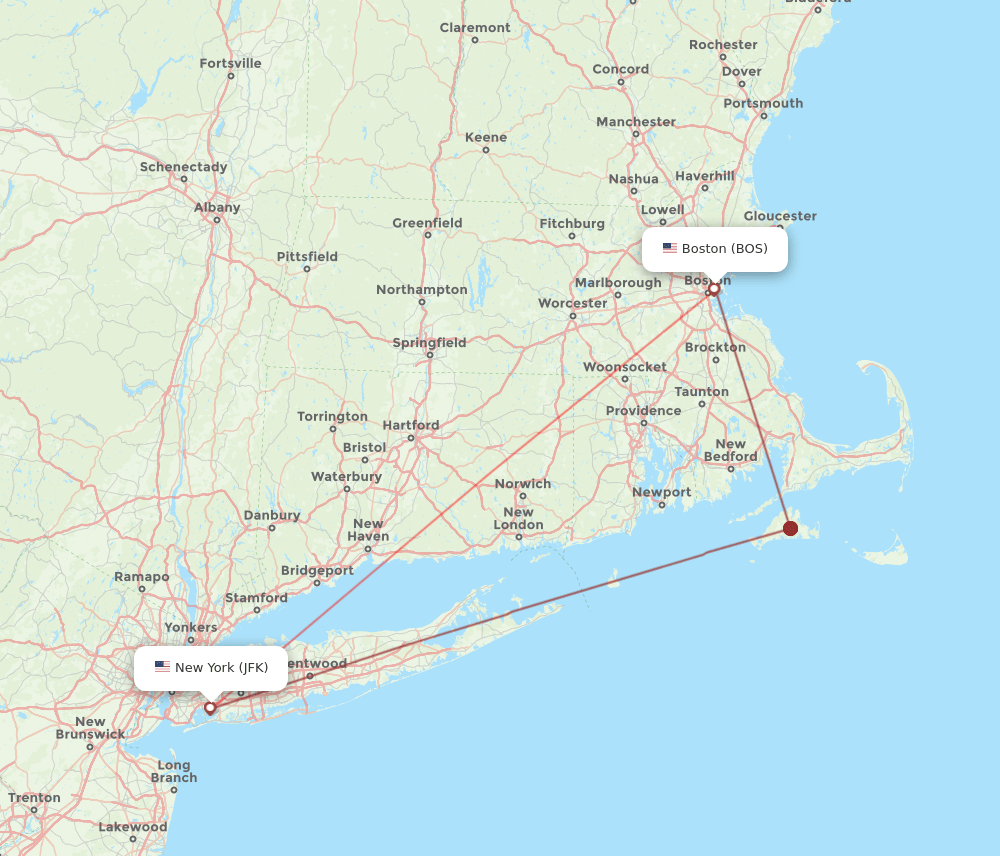
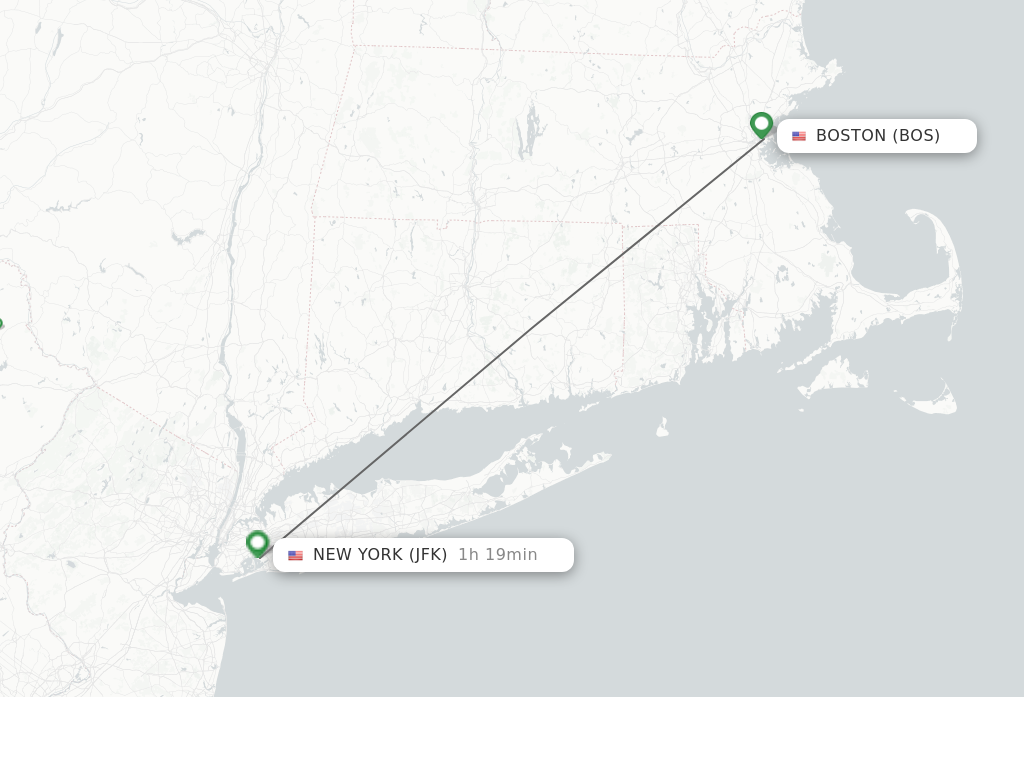
As the crow flies, the approximate straight-line distance between the hearts of New York City and Boston is about 190 to 200 miles (305 to 320 kilometers). This aerial measurement provides a baseline, particularly relevant for air travel, though even then, flight paths aren’t perfectly straight and airport locations add to the overall travel footprint.
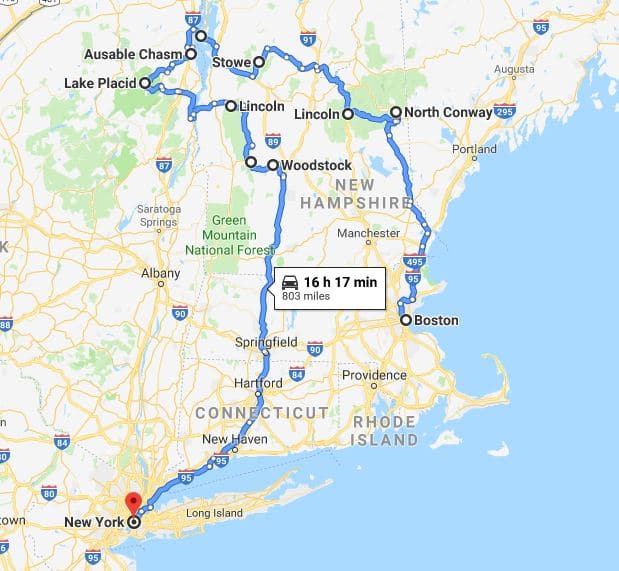
However, for most travelers, the more pertinent figure is the driving distance. This typically ranges from 210 to 220 miles (338 to 354 kilometers), depending on the specific starting and ending points within each metropolitan area and the chosen route. This difference accounts for the winding nature of roads, geographical features, and the necessity of navigating through or around smaller towns and cities along the way. Travel time by car usually falls between 3.5 to 4.5 hours under ideal traffic conditions. Crucially, “ideal traffic conditions” are a rare luxury, especially during peak commuter hours or holiday weekends, when the journey can easily stretch to 5, 6, or even more hours. Planning around these variables is key to a smooth journey.
Key Routes and Interstate Connections
The primary artery connecting New York City and Boston by road is Interstate 95 (I-95). This major East Coast highway forms the backbone of the journey, offering the most direct and generally fastest route. Travelers departing NYC will typically head north on I-95 through Connecticut and into Massachusetts, eventually connecting to I-93 or I-90 to reach Boston’s city center.
While I-95 is the most common choice, alternative routes exist for those seeking a more scenic drive or wishing to avoid potential traffic hotspots. US Route 1, a historic parallel road, offers a slower but often more picturesque journey through coastal towns and smaller communities, ideal for travelers who aren’t in a hurry and want to experience the charm of New England. Another option involves taking Interstate 84 (I-84) westward from I-95 through central Connecticut before cutting back east, though this route is generally longer. Regardless of the chosen path, travelers should factor in potential tolls, especially on major highways and bridges, which can add to the overall cost of the trip. Real-time GPS and traffic apps are indispensable tools for navigating this corridor efficiently, allowing for dynamic adjustments to avoid unforeseen delays.
Navigating the Northeast Corridor: Your Travel Options
The journey between New York City and Boston is facilitated by a robust transportation network, offering travelers a variety of choices each with its own advantages and disadvantages. Your ideal mode of transport will depend on your priorities: speed, cost, comfort, and flexibility.
By Car: The Classic American Road Trip
Driving offers unparalleled flexibility, allowing travelers to set their own schedule, make impromptu stops at quaint towns or scenic overlooks, and carry as much luggage as desired. The approximate 210-220 mile journey takes around 3.5 to 4.5 hours in ideal conditions via I-95.
- Pros: Freedom to explore, door-to-door convenience (especially with luggage), potential for scenic detours. Ideal for family trips or those with specific destinations outside city centers.
- Cons: Susceptible to heavy traffic, especially during peak hours and holidays, leading to significant delays. Tolls can add up, and parking in both NYC and Boston is notoriously expensive and often difficult to find. Factor in fuel costs and potential wear and tear on your vehicle or rental car fees. Ride-sharing services like Uber or Lyft are an option, but the cost for such a long journey would be substantial.
By Train: Amtrak Acela and Northeast Regional
Train travel along the Northeast Corridor is a popular choice, blending comfort with efficiency. Amtrak operates two main services between the cities:
- Acela Express: This high-speed service is the fastest, completing the journey in approximately 3.5 to 3.75 hours. It offers a premium experience with spacious seating, quiet cars, and Wi-Fi. It’s often favored by business travelers due to its speed and amenities.
- Northeast Regional: A more economical option, the Northeast Regional train makes more stops and takes about 4 to 4.5 hours. It still provides comfortable seating, power outlets, and a cafe car.
- Pros: Avoids traffic, comfortable seats, freedom to walk around, often drops you in the city center (Penn Station in NYC, South Station in Boston), allowing easy access to public transport. You can enjoy the scenery without the stress of driving.
- Cons: Can be more expensive than bus travel, especially for Acela tickets purchased last minute. Less flexible than driving if you need to access areas outside train station hubs.
By Bus: Budget-Friendly and Frequent
Bus travel is generally the most economical option, perfect for budget travelers, students, or those who don’t mind a longer journey. Numerous operators provide frequent daily services.
- Operators: Major companies include Greyhound, FlixBus, and Peter Pan Bus Lines. Many offer multiple departures throughout the day from various points in both cities.
- Duration: The bus journey typically takes 4 to 5 hours, but this can vary significantly depending on traffic, the number of stops, and the specific route.
- Pros: Lowest cost, frequent departures, often drops passengers at convenient city locations. Many modern buses offer amenities like Wi-Fi, power outlets, and reclining seats.
- Cons: Can be less comfortable for extended periods, highly susceptible to traffic delays, and less personal space compared to train or car. Luggage space can sometimes be limited, and bus stations may be less centrally located or offer fewer amenities than train stations.
By Air: The Fastest, But Not Always the Easiest
While flying might seem like the quickest way to cover the distance, the overall door-to-door travel time often negates the speed of the flight itself.
- Airports: In NYC, options include John F. Kennedy International Airport (JFK), LaGuardia Airport (LGA), and Newark Liberty International Airport (EWR). In Boston, the main airport is Logan International Airport (BOS).
- Flight Time: The actual flight duration is incredibly short, often around 1 hour.
- Overall Travel Time: Factor in transit to and from airports (which can be substantial, especially for JFK or EWR), airport security checks, boarding, and baggage claim. This easily adds 3-4 hours to the journey, making the total door-to-door time often comparable to or even longer than train travel.
- Pros: Very quick in the air, convenient if connecting to other flights, can sometimes find competitive fares if booked far in advance.
- Cons: Generally the most expensive option, significant time spent at airports, environmental impact. Not ideal for travelers whose final destination is within the city center due to airport transfer complexities.
Ultimately, the best way to travel between New York City and Boston depends on individual preferences and priorities. For speed and comfort, the Acela train is often hard to beat. For budget, the bus is king. For flexibility and a personalized experience, driving prevails.
Beyond the Journey: Experiencing Each City
The distance between New York City and Boston fades into insignificance once you arrive, as both cities offer a treasure trove of experiences, from iconic landmarks to vibrant culinary scenes and diverse accommodation options.
New York City: A Metropolis of Endless Discovery
New York City, often called the “Capital of the World,” is an electrifying destination that truly has something for everyone. Its sheer scale and diversity mean you could spend a lifetime exploring and still find new wonders.
- Landmarks and Attractions: No visit is complete without seeing the majestic Statue of Liberty, gazing from the top of the Empire State Building or One World Observatory, experiencing the dazzling chaos of Times Square, or finding serenity in Central Park. Other must-sees include the Brooklyn Bridge, Grand Central Terminal, and the solemnity of the 9/11 Memorial & Museum.
- Culture and Arts: NYC is a global cultural powerhouse. Catch a world-class show on Broadway, explore the vast collections of the Metropolitan Museum of Art, the modern masterpieces at the Museum of Modern Art (MoMA), or the cutting-edge exhibitions at the Guggenheim Museum. From jazz clubs in Greenwich Village to independent galleries in Chelsea, art and entertainment abound.
- Food Scene: The city is a culinary paradise, boasting everything from Michelin-starred fine dining establishments to street food vendors and hidden gems in every neighborhood. Experience diverse global cuisines, classic New York pizza, iconic bagels, and trendy fusion restaurants.
- Accommodation: New York City offers an extensive range of accommodation options. Luxury hotels like The Plaza, The St. Regis New York, and Mandarin Oriental, New York provide unparalleled service and amenities. For those on a budget, numerous boutique hotels, apartment rentals, and hostels are available, especially in areas like Brooklyn or Queens. Business travelers often prefer hotels in Midtown Manhattan for proximity to corporate offices and transport hubs.
Boston: Where History Meets Innovation
Boston seamlessly blends its profound historical roots with a dynamic, innovative spirit, making it a captivating destination for history buffs, academics, and families.
- Landmarks and History: The city is an open-air museum of American history. Walk the Freedom Trail to visit 16 historically significant sites, including Boston Common, Faneuil Hall, the Old North Church, and the Paul Revere House. Other notable sites include the Boston Tea Party Ships & Museum and the USS Constitution Museum.
- Culture and Academia: Home to prestigious institutions like Harvard University and the Massachusetts Institute of Technology (MIT), Boston boasts a vibrant intellectual atmosphere. Its cultural scene is equally impressive, with the renowned Museum of Fine Arts, the Isabella Stewart Gardner Museum, and the Boston Symphony Orchestra.
- Food Scene: Boston’s culinary landscape is deeply tied to its New England heritage, renowned for fresh seafood. Indulge in clam chowder, lobster rolls, and fresh oysters. The North End offers authentic Italian cuisine, while newer neighborhoods like the Seaport District showcase contemporary dining.
- Accommodation: Boston provides a charming selection of accommodations, from historic hotels like the Omni Parker House (where the Boston cream pie was invented) to luxurious waterfront properties in the Seaport District and trendy boutique hotels in areas like Back Bay or the South End. Visitors can also find comfortable mid-range hotels and guesthouses. For long-term stays or family trips, serviced apartments offer more space and amenities.
Both cities offer unique flavors of American urban life, promising unforgettable experiences no matter your interests.
Planning Your Trip: Accommodation, Tips, and Lifestyle Choices
A successful trip between New York City and Boston hinges on meticulous planning, especially when it comes to where you’ll stay, how you’ll manage your budget, and how you’ll make the journey itself align with your personal travel style.
Choosing Your Accommodation
The right accommodation can significantly enhance your travel experience. Both NYC and Boston offer a spectrum of choices, catering to every preference and budget.
- Hotels vs. Apartments vs. Boutique Stays:
- Hotels remain the most popular choice, offering convenience, services (like concierges, room service), and a standardized experience. Luxury hotels provide exceptional amenities, while mid-range and budget hotels offer comfort without the hefty price tag.
- Apartment Rentals (via platforms like Airbnb or Vrbo) are ideal for longer stays, families, or groups seeking more space, a kitchen, and a more “local” feel. They can be more cost-effective for extended visits.
- Boutique Hotels offer a unique, personalized experience, often with distinctive design and a focus on local culture. They are perfect for travelers looking for character and charm.
- Booking and Reviews: Always book well in advance, especially during peak seasons or major events. Utilize reputable booking platforms and pay close attention to recent guest reviews regarding cleanliness, location, noise levels, and customer service. Comparison websites can help you find the best deals.
- Luxury vs. Budget: Define your budget early. Luxury options provide unparalleled comfort and service but come at a premium. Budget-conscious travelers can find excellent value in hostels, guesthouses, or by opting for hotels slightly outside the most central tourist areas, leveraging excellent public transportation in both cities.
Essential Travel Tips for the NYC-Boston Route
Making the journey itself as smooth as possible involves a few key considerations:
- Best Time to Travel:
- Spring (April-May) and Fall (September-October) offer pleasant weather, vibrant foliage (in fall), and generally fewer crowds than summer. This is often considered the ideal time.
- Summer (June-August) is popular but comes with higher temperatures, increased humidity, larger crowds, and peak pricing for flights and hotels.
- Winter (November-March) can be cold and snowy, but also offers festive holiday experiences in NYC and potentially lower prices for travel and accommodation.
- Avoiding Peak Traffic: If driving, aim to travel mid-week during off-peak hours (between 10 AM and 2 PM, or after 7 PM). For trains and buses, booking off-peak departure times can sometimes lead to lower fares and fewer crowds.
- Packing Essentials: Layers are always a good idea, as weather can change quickly. Comfortable walking shoes are a must for exploring both cities. Don’t forget portable chargers for your devices, as you’ll be using maps and snapping photos constantly.
- Local Transport within Cities: Both New York City and Boston boast excellent public transportation systems. In NYC, the subway is king, while Boston’s “T” (subway) is efficient. Relying on public transport will save you money and stress compared to taxis or ride-shares for most intra-city travel. Consider purchasing multi-day passes if available.
- Food and Dining: Research restaurant options in advance, especially for popular spots, and consider making reservations. Both cities cater to all tastes and budgets, from quick bites to gourmet experiences. Don’t be afraid to try local specialties!
Tailoring Your Journey to Your Lifestyle
Your unique travel style and priorities should guide your decisions, from mode of transport to choice of activities.
- Business Travelers: Prioritize efficiency and convenience. The Amtrak Acela is often the preferred choice for its speed and on-board amenities conducive to working. Hotels near business districts or transport hubs are ideal. Look for properties with reliable Wi-Fi, meeting facilities, and easy access to airports or train stations.
- Family Vacations: Consider the comfort and space of driving or taking the train. Look for family-friendly accommodation like apartment rentals or hotels with pools. Plan activities that appeal to all ages, such as museums, parks, and interactive exhibits. The Boston Children’s Museum or NYC’s American Museum of Natural History are great starts.
- Luxury Escapes: Opt for first-class train tickets or private car services. Stay in five-star hotels known for their impeccable service, fine dining, and spa facilities. Indulge in gourmet meals, exclusive tours, and high-end shopping experiences in areas like Fifth Avenue in NYC or Newbury Street in Boston.
- Budget-Conscious Explorers: Buses offer the most affordable travel. Seek out hostels, budget hotels, or consider traveling during the off-season for lower prices. Focus on free attractions like walking tours, parks, and free museum days. Utilize public transport and enjoy street food or affordable dining options.
By carefully considering these elements, your journey between New York City and Boston will not just be about covering distance, but about maximizing enjoyment and creating lasting memories tailored to your unique preferences.
The distance between New York City and Boston is more than a mere number; it represents a corridor of diverse experiences, offering everything from bustling urban adventures to historical revelations. While the roughly 200-mile journey can be navigated in a few hours by car, train, or bus, the true appeal lies in the rich tapestry of culture, history, and modern innovation awaiting visitors at either end.
Whether you’re drawn to the endless energy of NYC’s Broadway and iconic landmarks, or Boston’s charming historical streets and intellectual prowess, the travel options are plentiful and cater to every budget and lifestyle. From luxury Amtrak Acela rides to budget-friendly bus trips, and from opulent suites to cozy apartment rentals, careful planning ensures your journey and stay are as seamless and enriching as possible. So, how far is New York City from Boston? Just far enough to make the journey an exciting part of the adventure, and close enough to explore the best of both worlds.
LifeOutOfTheBox is a participant in the Amazon Services LLC Associates Program, an affiliate advertising program designed to provide a means for sites to earn advertising fees by advertising and linking to Amazon.com. Amazon, the Amazon logo, AmazonSupply, and the AmazonSupply logo are trademarks of Amazon.com, Inc. or its affiliates. As an Amazon Associate we earn affiliate commissions from qualifying purchases.