
The question “How far is Alaska?” often prompts more than a simple measurement of miles or kilometers. For many, it’s a question loaded with the mystique of the Last Frontier, the allure of untouched wilderness, and the adventure of a lifetime. Alaska represents an escape to a place where nature reigns supreme, offering experiences vastly different from anywhere else in the United States or the world. Understanding the distance to Alaska isn’t just about geography; it’s about comprehending the journey, the time commitment, the logistical planning, and the incredible reward that awaits at the end of the expedition.
Whether you dream of witnessing the Northern Lights, marveling at towering glaciers, spotting diverse wildlife in its natural habitat, or simply immersing yourself in a culture shaped by rugged landscapes, planning a trip to Alaska requires careful consideration of how to get there, where to stay, and what to do. This comprehensive guide will navigate the geographical distances, explore various transportation options, delve into the unique attractions and experiences, and provide insights into accommodation and lifestyle choices, ensuring your Alaskan adventure is as seamless as it is unforgettable.
The Geographical Reality: Measuring the Distance to the Last Frontier
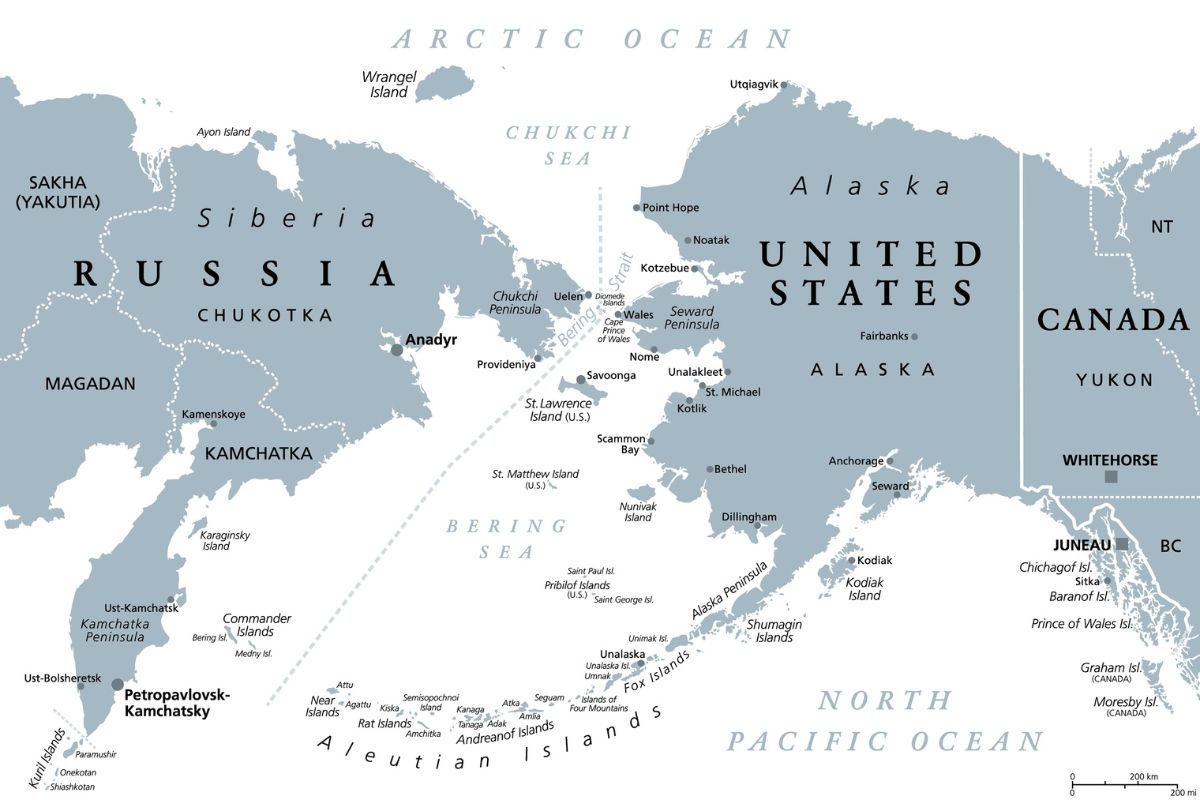
Alaska’s sheer size and its unique geographical position at the northwestern tip of North America mean that “how far” is a relative concept, depending entirely on your starting point. It’s the largest state in the United States by area, extending into the Arctic Circle and boasting coastlines along both the Pacific and Arctic Oceans. This vastness contributes to its reputation as a distant, yet profoundly appealing, destination.
From the Contiguous United States
For most travelers from the lower 48 states, Alaska feels a world away, and in some respects, it is. The journey typically begins from major cities across the contiguous United States, each offering a different perspective on the distance.
- From the West Coast: Cities like Seattle, Washington, serve as primary gateways to Alaska. The distance from Seattle to Anchorage, Alaska’s largest city, is approximately 1,450 miles (2,333 km) by air. A drive, however, would be closer to 2,250 miles (3,621 km) if taking the scenic Alaska Highway through Canada. From Los Angeles, California, Anchorage is roughly 2,350 air miles (3,782 km).
- From the Midwest: Travelers from cities such as Chicago, Illinois, face a longer journey. The air distance to Anchorage is about 2,500 miles (4,023 km). Driving from Chicago would entail an epic road trip spanning over 3,700 miles (5,955 km) through much of the United States and Canada.
- From the East Coast: For those in New York City, New York, the air distance to Anchorage is approximately 3,400 miles (5,472 km), making it one of the longest domestic flights within the [United States](https://lifeoutofthebox.com/united states). Driving from the East Coast is a monumental undertaking, easily covering 4,500 to 5,000 miles (7,242 to 8,047 km).
These distances translate into significant travel times, ranging from 5-7 hours by plane from the West Coast to 9-12 hours from the East Coast (including layovers). Driving can take anywhere from 5-10 days, depending on your pace and starting point.
From International Shores
Alaska’s proximity to Canada is evident in any road trip, but its position on the globe also makes it accessible, albeit with longer travel times, from other continents.
- From Canada: Canada is Alaska’s only land border, making it a crucial transit point for road travelers. Major Canadian cities like Vancouver, British Columbia, are popular departure points for both cruises and flights. Anchorage is about 1,300 air miles (2,092 km) from Vancouver.
- From Europe and Asia: Due to its northern latitude, Alaska is often part of long-haul flight paths between Europe and Asia. While direct flights are less common, travelers from these continents typically connect through major hubs like Seattle, Vancouver, or other large North American cities. A flight from London to Anchorage would typically involve a stopover and could take 12-15 hours. From Tokyo, a flight could be around 7-8 hours direct, but often involves a connection. These journeys highlight Alaska’s global accessibility, positioning it as a unique international destination.
Embarking on the Journey: Modes of Transportation to Alaska
The perceived distance to Alaska can be significantly influenced by your chosen mode of transport. Each option offers a distinct travel experience, catering to different budgets, timeframes, and preferences for adventure.
Flying High: The Fastest Route
For most travelers, flying is the most practical and time-efficient way to reach Alaska. The state is served by several international and regional airports, with major gateways providing connections to cities across the United States and beyond.
- Major Airports: The primary international airport is Ted Stevens Anchorage International Airport (ANC), which handles the majority of commercial air traffic. Other significant airports include Fairbanks International Airport (FAI), serving the interior, and Juneau International Airport (JNU), the capital’s main air hub. From these airports, smaller commuter planes or bush planes can take you to remote lodges and villages.
- Airlines and Booking: Major airlines such as Alaska Airlines, Delta, United, and American Airlines offer regular service to Alaska. Booking in advance, especially for summer travel, is highly recommended to secure better fares and preferred times. Consider flying into Anchorage for Southcentral and interior access, or Juneau for the Inside Passage region.
- Travel Experience: Flights to Alaska often offer breathtaking aerial views of the Canadian Rockies and Alaskan wilderness, a preview of the natural wonders to come. While flying is generally the most expensive option, especially during peak season, it saves valuable time that can be better spent exploring the state.
The Scenic Drive: A Road Trip Adventure
For those with more time and an appetite for adventure, driving to Alaska via the famous Alaska Highway (also known as the ALCAN) is an unforgettable journey. This epic road trip typically originates from the contiguous United States and traverses through Canada.
- The Alaska Highway: Built during World War II, this highway stretches approximately 1,387 miles (2,232 km) from Dawson Creek, British Columbia, to Delta Junction, Alaska. The entire journey from the US border to Anchorage or Fairbanks can range from 3,000 to 5,000 miles (4,800 to 8,000 km) and take 5-10 days, depending on your starting point and desired pace.
- Preparation and Logistics: Driving requires meticulous planning, including vehicle checks, spare tires, emergency supplies, and proper documentation for crossing the Canadian border. Travelers should be prepared for varying road conditions, remote stretches, and limited services in some areas. RV travel is a popular choice for this route, offering flexibility in accommodation and budget-friendly options.
- Experiences Along the Way: The drive itself is a destination, offering stunning landscapes, abundant wildlife viewing opportunities, and access to charming small towns in Canada and Alaska. It’s an ideal choice for budget-conscious travelers or those seeking a deeper connection with the North American wilderness before even reaching their Alaskan destination.

Cruising Through the Inside Passage: A Luxurious Approach
For many, the most iconic way to experience Alaska is by cruise ship, particularly through the scenic Inside Passage. This option allows travelers to cover significant distances while enjoying luxurious amenities and stunning coastal views.
- Cruise Routes and Ports: Most Alaskan cruises depart from Seattle or Vancouver, sailing north through the protected waters of the Inside Passage. Popular ports of call include Juneau, Skagway, Ketchikan, and Sitka. Some itineraries also include glacier viewing at destinations like Glacier Bay National Park or Tracy Arm Fjord.
- Cruise Lines and Amenities: A wide range of cruise lines, from mainstream to luxury, operate in Alaska, offering diverse experiences. Guests can enjoy gourmet dining, entertainment, spa services, and organized excursions at each port. This mode of travel is particularly appealing for families, offering activities for all ages, and for those seeking a comfortable, all-inclusive way to see multiple destinations without constant packing and unpacking.
- Wildlife and Scenery: Cruising provides unparalleled opportunities to witness coastal wildlife, including whales, seals, and eagles, as well as to marvel at the immense beauty of Alaskan glaciers and fjords. While cruises may not take you deep into the interior, they offer an excellent introduction to the state’s majestic coastal environment.
Beyond the Journey: What Awaits in Alaska
Once you’ve bridged the distance and arrived in Alaska, a world of unparalleled natural beauty and unique experiences unfolds. The “far” distance quickly fades into insignificance as you immerse yourself in the wonders of the Last Frontier.
Alaska’s Iconic Destinations and Natural Wonders
Alaska is a land of superlatives, home to the tallest peak in North America and some of the most pristine wilderness on Earth. Its landmarks are largely natural, inviting exploration and awe.
- Denali National Park and Mount Denali: Central to any Alaskan itinerary is Denali National Park, home to Mount Denali (formerly Mount McKinley), rising to 20,310 feet (6,190 meters). The park offers incredible opportunities for wildlife viewing (grizzly bears, moose, caribou), hiking, and bus tours deep into its protected lands. Accommodation ranges from rustic cabins to more modern lodges within the park or nearby Healy and Cantwell.
- Kenai Fjords National Park: Located near Seward on the Kenai Peninsula, this park is a dramatic landscape of glaciers flowing into the sea, carving out impressive fjords. Boat tours are the best way to experience its tidewater glaciers and marine wildlife, including whales, puffins, and sea otters.
- Glacier Bay National Park: A UNESCO World Heritage Site, Glacier Bay is accessible primarily by cruise ship or small boat. It’s a spectacular showcase of active glaciers, offering chances to witness calving ice and an abundance of marine life.
- The Northern Lights (Aurora Borealis): Particularly vibrant in the interior, especially around Fairbanks, the Northern Lights are a captivating celestial display best seen during the dark winter months (September to April). Many lodges and tours specialize in aurora viewing, providing heated spaces and expert guidance.
Immersive Experiences and Local Culture
Beyond its natural beauty, Alaska offers a rich tapestry of cultural and recreational activities that cater to every kind of traveler.
- Indigenous Culture and Gold Rush History: Alaska has a vibrant Indigenous heritage, with Tlingit, Haida, Tsimshian, Athabascan, and Eskimo/Inupiaq cultures contributing significantly to its identity. Museums and cultural centers in cities like Anchorage and Juneau offer insights into their traditions. The state also holds a storied gold rush history, particularly in towns like Skagway and Nome, where visitors can explore historic sites and even try their hand at gold panning.
- Outdoor Activities: Alaska is an adventurer’s paradise. Popular activities include fishing (especially for salmon and halibut), hiking in various national forests and parks, kayaking or rafting on its numerous rivers, and dog sledding (a year-round activity, with wheeled carts in summer). Winter sports like skiing, snowboarding, and ice climbing are also popular.
- Alaskan Cuisine: No trip to Alaska is complete without indulging in its fresh seafood. Wild-caught salmon (King, Sockeye, Coho), Halibut, and succulent King Crab are staples. Local breweries and distilleries also offer unique tastes inspired by the region.
Planning Your Alaskan Adventure: Accommodation and Lifestyle Choices
Navigating the distance to Alaska is just the first step; planning where to rest your head and how to live out your Alaskan dream is equally crucial. Alaska’s accommodation options and travel styles are as diverse as its landscapes, catering to every preference and budget.
Where to Stay: Hotels, Lodges, and Unique Retreats
Accommodation in Alaska ranges from standard hotels in urban centers to remote wilderness lodges, each offering a distinct experience.
- City Hotels and Resorts: In major cities like Anchorage, Fairbanks, and Juneau, you’ll find a variety of hotels, from budget-friendly chains to upscale resorts offering modern amenities, fine dining, and convenient access to local attractions. These are ideal for business stays or travelers who prefer urban comforts. For instance, The Hotel Captain Cook in Anchorage provides luxury with a distinctly Alaskan flair, while Westmark Hotels offer reliable comfort across several Alaskan towns.
- Wilderness Lodges and Remote Cabins: For a truly immersive experience, consider staying at a wilderness lodge, often accessible only by floatplane or boat. These lodges typically offer all-inclusive packages with guided activities like bear viewing, fishing, and hiking. Examples include lodges near Katmai National Park for brown bear viewing or remote cabins in the Denali area. These unique retreats are perfect for nature lovers and those seeking solitude.
- Vacation Rentals and Apartments: For longer stays, family trips, or budget travelers, vacation rentals (like Airbnb or local equivalents) and self-catering apartments offer flexibility and a home-away-from-home feel. These can be found in most towns and often come with kitchens, allowing for cost savings on dining.
- Camping and RV Parks: If you’re driving the Alaska Highway or exploring with an RV, numerous campgrounds and RV parks are available throughout the state, from national and state parks to private facilities. This option provides a budget-friendly way to connect with nature and is very popular during the summer months.
- Booking and Reviews: Due to Alaska’s popularity, especially during the peak summer season (June-August), it’s advisable to book accommodation well in advance, sometimes up to a year ahead for popular lodges or cruise itineraries. Utilize booking platforms, read reviews, and compare options to find the best fit for your travel style and budget.

Crafting Your Alaskan Lifestyle Experience
Alaska caters to a spectrum of travel lifestyles, whether you’re seeking luxury, adventure on a budget, a family-friendly excursion, or a romantic escape.
- Luxury Travel: For the discerning traveler, Alaska offers upscale experiences such as private yacht charters through the Inside Passage, stays at exclusive wilderness resorts, heli-skiing adventures, and gourmet dining experiences featuring fresh Alaskan seafood. Personalized guides can arrange bespoke itineraries, from private bear viewing tours to remote fishing expeditions.
- Budget Travel: Despite its remote nature, Alaska can be explored on a budget. Camping, staying in hostels or guesthouses, preparing your own meals, and utilizing public transport (where available) or shared rides can significantly reduce costs. The road trip via the Alaska Highway is an excellent way to save on airfare while maximizing the journey itself.
- Family Trips: Alaska is a fantastic destination for families, offering educational opportunities and unforgettable adventures. Activities like wildlife cruises, visits to nature centers, easy hiking trails, and dog sledding demonstrations cater to children of all ages. Many resorts and tour operators offer family-friendly packages.
- Seasonal Considerations: The “best” time to visit largely depends on your desired activities. Summer (June-August) offers long daylight hours, warmer temperatures, and access to most attractions, but also higher prices and larger crowds. Spring and Fall provide shoulder-season advantages with fewer tourists and potentially lower costs, alongside unique experiences like aurora viewing in the fall. Winter is ideal for snow sports and maximizing chances to see the Northern Lights, albeit with colder temperatures and shorter daylight.
- Packing Essentials: Regardless of the season, layering is key due to unpredictable weather. Include waterproof outerwear, warm layers, sturdy hiking boots, insect repellent, and sun protection. For winter, extreme cold weather gear is essential.
In conclusion, “how far is Alaska?” is a question that unfolds into a tapestry of distances, journeys, and breathtaking experiences. Whether you choose to fly, drive, or cruise, the path to the Last Frontier is an integral part of the adventure. Once there, Alaska promises a wealth of natural wonders, cultural insights, and diverse activities, all supported by a range of accommodation options and tailored travel lifestyles. It’s a destination that truly rewards the effort of the journey, leaving travelers with indelible memories of its raw beauty and pioneering spirit. So, pack your bags, choose your route, and prepare for an Alaskan adventure that will redefine your sense of distance and discovery.
LifeOutOfTheBox is a participant in the Amazon Services LLC Associates Program, an affiliate advertising program designed to provide a means for sites to earn advertising fees by advertising and linking to Amazon.com. Amazon, the Amazon logo, AmazonSupply, and the AmazonSupply logo are trademarks of Amazon.com, Inc. or its affiliates. As an Amazon Associate we earn affiliate commissions from qualifying purchases.