
For many contemplating a visit or a longer-term stay in the captivating desert landscapes of Arizona, a common question often arises, cutting through the anticipation of exploring red rock formations and vibrant cityscapes: “Does Arizona have state income taxes?” It’s a crucial inquiry that transcends simple financial curiosity, touching upon the broader implications for travel budgeting, accommodation choices, long-term lifestyle planning, and even the overall appeal of this southwestern United States gem.
The short answer is: Yes, Arizona does have state income taxes. However, the story doesn’t end there. Understanding the nuances of Arizona’s tax structure is essential for anyone looking to fully appreciate what this state offers, whether you’re planning a luxurious resort getaway in Scottsdale, considering a remote work setup near Sedona, or contemplating retirement in the sun-drenched communities around Phoenix. The state’s tax policies can subtly, or not so subtly, influence everything from the cost of a hotel room to the affordability of local attractions and the overall quality of life.
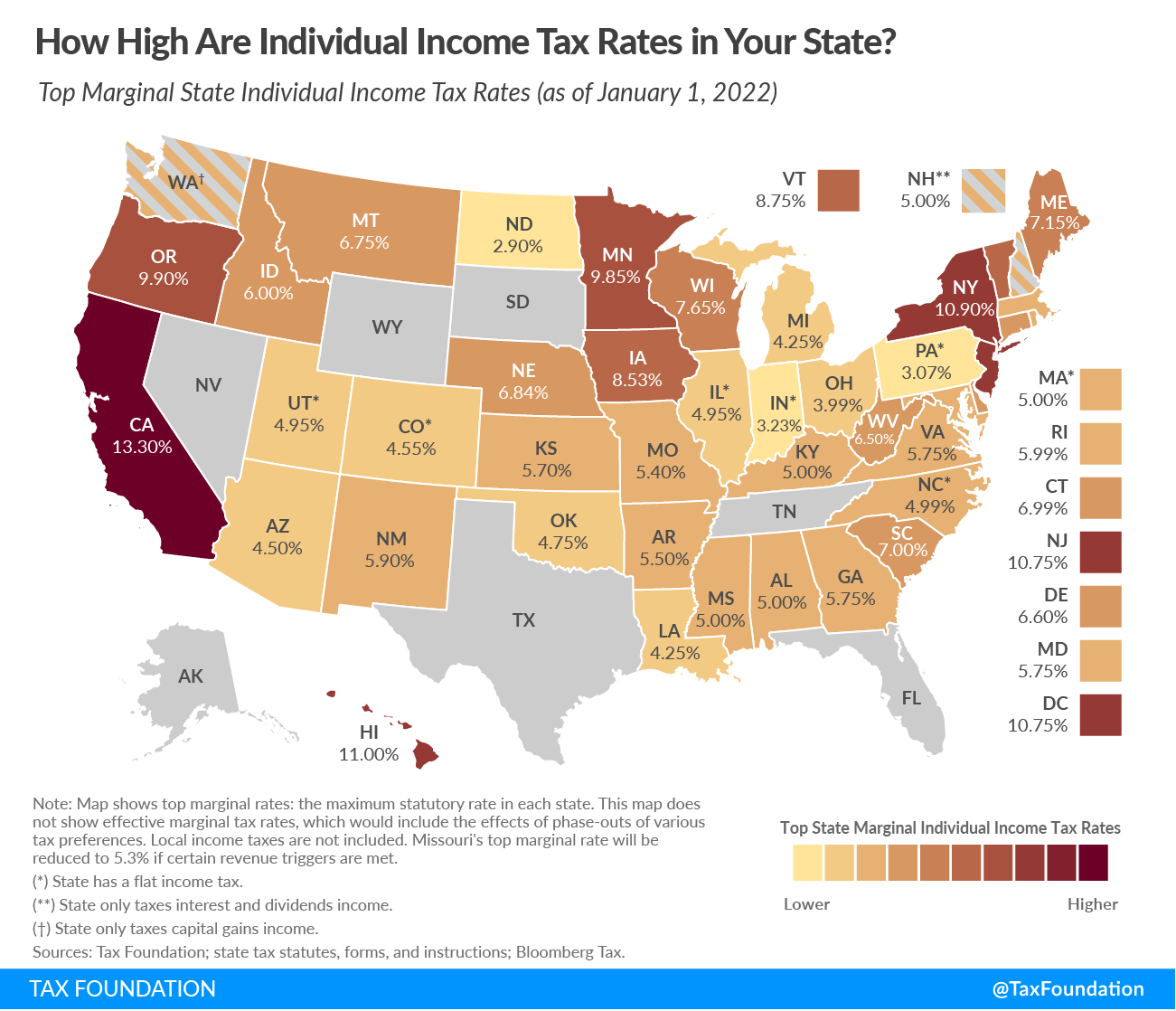
This article delves into the specifics of Arizona’s tax system, exploring not just income tax but also how sales tax, property tax, and tourism-related levies factor into your financial planning. We’ll look at how these elements impact different types of visitors and residents, offering insights into budgeting for unforgettable experiences, whether it’s a short vacation to the Grand Canyon National Park or a permanent relocation to embrace the desert lifestyle. By the end, you’ll have a clearer picture of the financial landscape, empowering you to make informed decisions and fully immerse yourself in all the wonders Arizona has to offer.
Unpacking Arizona’s Tax Landscape: What Visitors and Residents Need to Know
Understanding the financial framework of any destination is a foundational step in planning. For Arizona, this involves a multi-faceted approach to taxation that impacts everyone, from short-term tourists to long-term residents. Delving into the state’s tax system reveals not just the burden, but also the economic philosophy that shapes the region, influencing everything from the maintenance of landmarks to the development of new tourism infrastructure.
The Truth About Arizona State Income Tax
As confirmed, Arizona does levy a state income tax on its residents’ income and on income earned within the state by non-residents. However, in recent years, Arizona has been making significant strides to simplify and reduce its income tax burden, aiming to become more competitive and attractive to individuals and businesses alike. The state has moved towards a flatter tax rate structure, consolidating multiple tax brackets into fewer, lower rates.
Historically, Arizona had a progressive income tax system with several brackets. However, legislative changes, particularly those enacted in the early 2020s, have dramatically streamlined this. The goal is to eventually move towards a single, low flat tax rate for all income levels, making it one of the most tax-friendly states in the nation for income. This shift is a significant consideration for anyone planning a long-term stay, remote work, or even contemplating retirement in the state. For instance, someone considering a move from a high-tax state like California might find Arizona’s evolving income tax policies particularly appealing, offering more disposable income for enjoying the vibrant local culture, dining in Old Town Scottsdale, or exploring national parks.
It’s important to remember that these tax rates are subject to legislative changes, so staying informed about current figures is always wise, especially if your plans involve earning income in Arizona. While tourists primarily focus on sales tax and lodging taxes, those on extended business trips, digital nomads, or individuals considering purchasing a second home for longer stays will certainly need to factor state income tax into their financial projections.
Beyond Income Tax: Sales, Property, and Tourism Taxes
While state income tax is a primary concern for residents and long-term income earners, other taxes significantly impact visitors and local businesses alike. These include sales tax, property tax, and various tourism-specific levies.
- Sales Tax: Arizona has a state sales tax (known as Transaction Privilege Tax or TPT) which applies to the sale of most goods and many services. What makes Arizona’s sales tax unique is that it’s often combined with county and city sales taxes, leading to varying rates depending on your specific location within the state. For example, the combined sales tax rate in Phoenix will differ from that in Tucson or Flagstaff. This is crucial for tourists, as it impacts the cost of souvenirs, meals at local restaurants, guided tours, and even rental car expenses. A casual dinner in Tempe might have a different tax added than a similar meal in Mesa, highlighting the importance of checking local rates when budgeting for daily expenditures.
- Property Tax: For those considering a more permanent stake in Arizona, such as purchasing a vacation home or relocating entirely, property taxes are a significant factor. Arizona generally has relatively low property taxes compared to many other states. Property taxes are assessed at the county and local level and are based on the assessed value of the property. This low property tax environment can make homeownership more attractive, influencing accommodation choices beyond just hotels and short-term rentals. It can free up more capital for experiences, whether it’s exploring the Desert Botanical Garden or a hot air balloon ride over the Sonoran Desert.
- Tourism and Lodging Taxes: This is perhaps the most direct tax impact on travelers. When you book a hotel, motel, or even many short-term rentals in Arizona, you’ll encounter specific lodging or transient occupancy taxes. These are typically charged as a percentage of your room rate and can vary significantly by city and county, often including state, county, and municipal components. For example, a stay at The Phoenician in Scottsdale or the Arizona Biltmore in Phoenix will include these taxes, which add to the overall cost of your accommodation. These funds often contribute directly to local tourism initiatives, infrastructure, and marketing efforts, indirectly enhancing the very attractions and services that draw visitors to Arizona. Understanding these additional charges is vital when comparing hotel prices or budgeting for an extended stay, ensuring there are no surprises on your final bill.
Planning Your Arizona Experience: Budgeting for Travel, Stays, and Relocation
Arizona’s diverse landscapes and vibrant cities offer a spectrum of experiences, from rugged outdoor adventures to luxurious urban escapes. Thoughtful financial planning, incorporating an understanding of the state’s tax environment, can significantly enhance your trip or move, allowing you to maximize enjoyment without unexpected costs.
Navigating Accommodation Costs: From Resorts to Long-Term Rentals

Accommodation is often the largest single expense for travelers, and Arizona’s varied tax rates, particularly lodging taxes, play a direct role.
When booking a hotel or resort, such as the Enchantment Resort in Sedona or a boutique hotel in Prescott, always inquire about the total cost including all taxes and fees. What appears to be a competitive nightly rate might escalate once state, county, and city lodging taxes are applied. These taxes can range from single digits to over 15% in some popular tourist destinations, adding a considerable sum to longer stays.
For those considering extended visits, such as snowbirds escaping colder climates or digital nomads seeking a temporary base, short-term vacation rentals (apartments, villas) have become increasingly popular. It’s crucial to understand that many of these rentals are also subject to similar lodging and sales taxes, often collected by platforms like Airbnb or Vrbo, but sometimes handled directly by the property owner. Always clarify the total cost upfront to avoid surprises.
If you’re contemplating a long-term relocation or a seasonal stay of several months, renting an unfurnished apartment or house often removes the transient occupancy tax, although standard sales tax might still apply to certain rental services. For those looking to purchase property, Arizona’s comparatively lower property taxes can make homeownership more accessible, influencing decisions on where to settle, perhaps in the bustling Phoenix metropolitan area, the serene environs of Sedona, or the historic charm of Yuma. This can shift your budget from nightly accommodation costs to manageable monthly mortgage and property tax payments, potentially freeing up funds for exploring the myriad attractions like the Petrified Forest National Park or the natural beauty of Havasu Falls.
Lifestyle Considerations: Enjoying Arizona on Any Budget
Arizona’s tax structure can subtly influence your lifestyle choices and how far your budget stretches. For luxury travelers, understanding these taxes means accurately forecasting the total cost of high-end experiences, from exclusive resort amenities to gourmet dining in Scottsdale’s finest establishments. The sales tax on luxury goods and services, combined with higher lodging taxes, will add to the premium experience.
Conversely, for budget-conscious travelers or those on a tighter relocation budget, knowledge of sales tax variations across cities can help optimize spending. Opting for self-catering accommodation and purchasing groceries in areas with lower combined sales tax rates can lead to savings. Many of Arizona’s most spectacular attractions, like Saguaro National Park or the scenic drives around Monument Valley, offer affordable entry fees or are entirely free, making it possible to enjoy world-class natural beauty without breaking the bank.
Beyond direct costs, the state’s tax policies contribute to the overall economic environment, influencing the cost of living, availability of services, and investment in public infrastructure. Low income and property taxes can mean more disposable income for residents, enhancing their ability to enjoy local culture, participate in community activities, or invest in experiences like hiking the trails in Red Rock State Park or visiting the architectural marvel of Taliesin West. This balance allows Arizona to cater to a diverse range of lifestyles, from opulent leisure to adventurous frugality.
Arizona’s Economic Climate: Attractions, Opportunities, and Financial Well-being
Arizona’s approach to taxation is not just about revenue collection; it’s a strategic component of its economic development, aiming to attract businesses, skilled workers, and tourists. This economic climate, shaped by its tax policies, has a profound impact on the opportunities available and the overall financial well-being of those who choose to visit or reside here.
Business, Remote Work, and Retirement: A Tax Perspective
For entrepreneurs, businesses considering expansion, or individuals looking for remote work opportunities, Arizona’s increasingly competitive tax environment is a significant draw. The move towards a flatter, lower state income tax rate aims to reduce the tax burden on both individuals and corporations, fostering a pro-business climate. This can translate into more job opportunities, better wages, and a more vibrant economy, particularly in tech hubs like Chandler and Tempe, or manufacturing centers in Glendale and Mesa.
For remote workers and digital nomads, the state income tax is a primary consideration. If your employer is based out-of-state but you physically reside and work in Arizona, you will likely be subject to Arizona state income tax. However, compared to states like California or New York with significantly higher income tax rates, Arizona can offer a more financially advantageous location for remote work, leaving more of your earnings in your pocket to spend on local experiences or savings.
Retirement planning in Arizona also benefits from favorable tax policies. Beyond the relatively low property taxes, Arizona offers certain tax exemptions for retirement income, although this can vary depending on the type and source of income. Combined with the attractive climate, abundant recreational activities, and excellent healthcare facilities, these tax benefits make Arizona a top destination for retirees. This demographic often seeks long-term accommodation, engaging deeply with local culture and tourism, contributing significantly to the state’s economy. Many retirees are drawn to active adult communities around Green Valley or Sun City, where the cost of living, influenced by tax rates, becomes a key decision-making factor.

Maximizing Your Arizona Adventure: Smart Financial Tips
Navigating Arizona’s tax landscape doesn’t have to be daunting. With a few smart financial tips, you can maximize your adventure and ensure a smooth, enjoyable experience.
- Budget with Taxes in Mind: Always factor in sales tax (TPT) for purchases and dining, and lodging taxes for accommodation. When comparing prices, look for the “all-in” cost to get an accurate picture.
- Explore Tax-Exempt Activities: Many of Arizona’s natural wonders, like hiking trails in Coconino National Forest or simply enjoying a sunset over the Superstition Mountains, are free or have minimal entry fees, allowing you to experience breathtaking beauty without additional tax burdens.
- Consider Longer Stays for Cost Savings: For extended visits, look into monthly vacation rentals or even short-term apartment leases. These often come with lower per-night costs and may bypass some of the transient occupancy taxes associated with traditional hotels, especially if you establish a temporary residency.
- Stay Informed on Tax Changes: If you’re a long-term resident or considering relocation, keep an eye on Arizona’s legislative changes regarding income and property taxes. The state has been proactive in adjusting its tax code, which could offer further financial advantages.
- Seek Professional Advice: For complex financial situations, such as business relocation, significant investments, or intricate retirement planning, consulting with a tax professional specializing in Arizona tax law is always recommended. This ensures compliance and helps optimize your financial strategy.
In conclusion, while the answer to “Does Arizona have state income taxes?” is unequivocally yes, the broader picture reveals a state that is actively working to create an attractive and fiscally responsible environment. From the vibrant arts scene of Tucson to the engineering marvel of the Hoover Dam on the Nevada border, Arizona presents a compelling blend of natural beauty, cultural richness, and economic opportunity. By understanding its tax landscape, travelers and prospective residents can plan their journeys and lives with confidence, fully embracing the unique charm and endless possibilities that the Grand Canyon State offers.
LifeOutOfTheBox is a participant in the Amazon Services LLC Associates Program, an affiliate advertising program designed to provide a means for sites to earn advertising fees by advertising and linking to Amazon.com. Amazon, the Amazon logo, AmazonSupply, and the AmazonSupply logo are trademarks of Amazon.com, Inc. or its affiliates. As an Amazon Associate we earn affiliate commissions from qualifying purchases.