
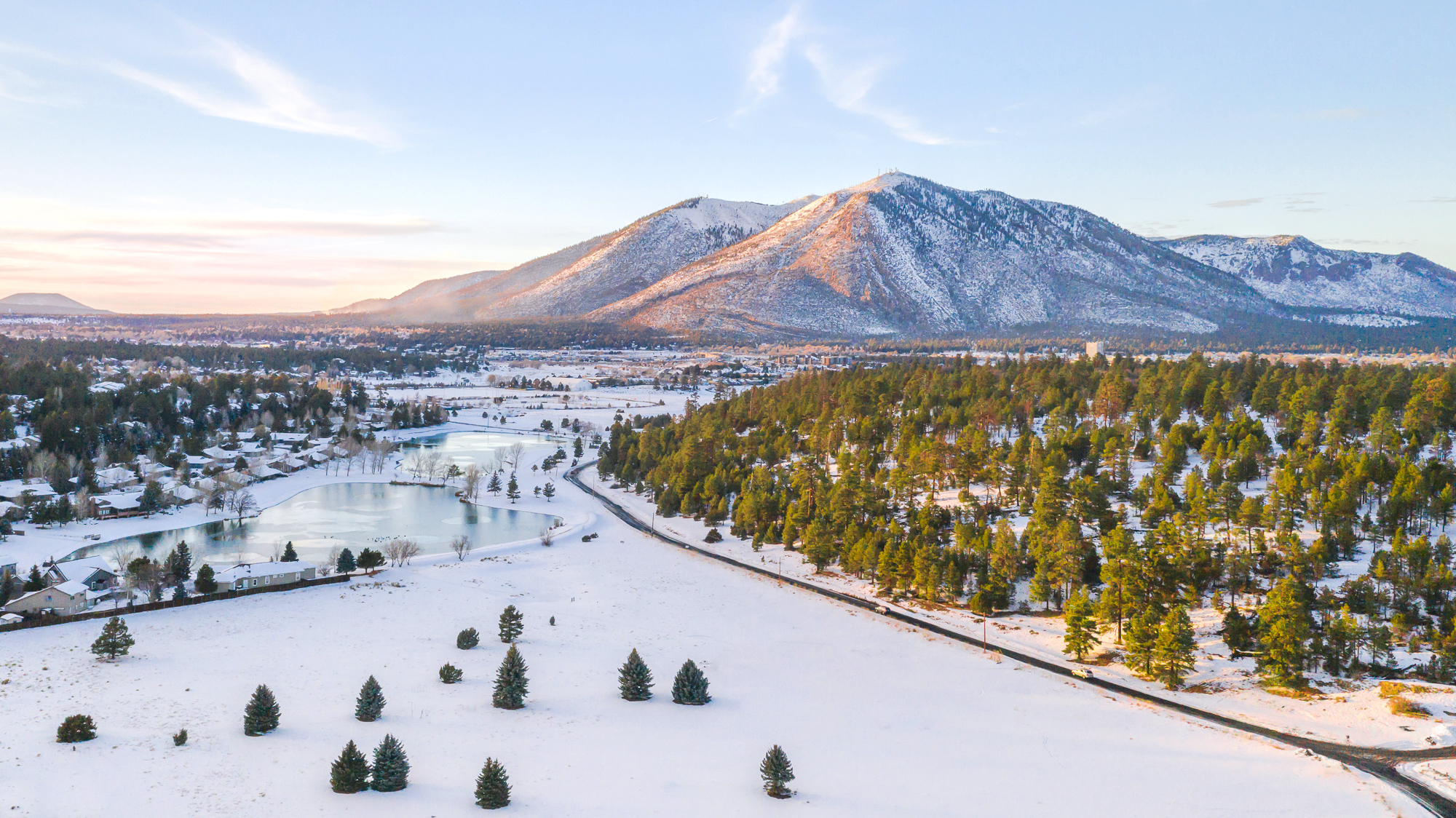
Absolutely, yes! Flagstaff, Arizona, isn’t just known for its sunny desert landscapes; it’s renowned as one of the snowiest cities in the United States, especially within the continental USA that receives significant snowfall. Nestled at an elevation of nearly 7,000 feet (2,135 meters) above sea level, Flagstaff experiences a distinct four-season climate, with winter transforming the city into a picturesque wonderland blanketed in white. This high-altitude location, coupled with its proximity to the majestic San Francisco Peaks, positions Flagstaff as a prime destination for snow lovers and winter sports enthusiasts, offering a stark contrast to the warmer temperatures found in other parts of Arizona like Phoenix or Tucson.

For travelers seeking a unique Arizona experience, Flagstaff presents an enticing blend of outdoor adventure, cozy accommodation options, and vibrant local culture set against a stunning snowy backdrop. Whether you’re planning a family trip, a romantic getaway, or an adventurous solo travel, understanding Flagstaff’s snowy season is key to enjoying all that this charming mountain town has to offer. From world-class skiing and snowboarding to serene snowshoeing trails and festive downtown celebrations, the presence of snow is not just a meteorological fact but a defining characteristic that shapes the tourism and lifestyle of the region throughout the colder months.
Flagstaff’s Winter Wonderland: A Deep Dive into Snowfall
The sheer volume of snow that Flagstaff receives often surprises visitors who associate Arizona solely with desert heat. However, Flagstaff defies this stereotype, consistently ranking among the snowiest cities in the United States. An average winter season can see well over 100 inches (254 cm) of snow, with some years pushing that figure significantly higher. This makes Flagstaff a true winter playground, drawing visitors from across the Southwest and beyond.
The Science Behind Flagstaff’s Snow
The primary reason for Flagstaff’s abundant snowfall is its elevation. Sitting on the Colorado Plateau, the city is high enough to consistently experience temperatures cold enough for precipitation to fall as snow rather than rain. Furthermore, the towering presence of the San Francisco Peaks, including Mount Humphreys which is Arizona’s highest point, plays a crucial role. These mountains create an orographic lift, forcing moisture-laden air upwards, where it cools, condenses, and precipitates. Storm systems moving in from the Pacific Ocean often pick up moisture, and by the time they reach Northern Arizona, they release their snow over the high country.
The weather patterns are also influenced by larger atmospheric phenomena, such as El Niño and La Niña. El Niño years, characterized by warmer sea surface temperatures in the equatorial Pacific, often bring increased precipitation to the Southwest, which translates to heavier snowfall in Flagstaff. Conversely, La Niña years can lead to drier, albeit still cold, winters. Understanding these factors helps explain the year-to-year variability in snowfall, adding an element of anticipation for both residents and visitors planning their winter trips.
Monthly Snowfall Averages and Best Times to Visit
While snow can technically fall from October through May, the peak snow season in Flagstaff typically runs from November to April.
- November and December: These months see the first significant snowfalls, transforming the landscape into a festive winter scene. December, especially around the holidays, is a magical time to visit, with an average of 20-30 inches (50-75 cm) of snow helping to create a truly memorable holiday experience.
- January and February: These are generally the coldest and snowiest months. January often brings the heaviest single snowstorms, and combined with February, these months can easily accumulate 40-60+ inches (100-150+ cm) of fresh powder. This is prime time for skiing and snowboarding enthusiasts.
- March and April: The snow continues into spring, often bringing surprisingly heavy late-season storms. While temperatures begin to warm, the snowpack can remain deep, especially at higher elevations, allowing for continued winter activities well into spring break season. March can often be the snowiest month, with averages sometimes exceeding those of earlier winter months.
For those planning to experience the full grandeur of Flagstaff’s winter, the window from late December through March offers the most reliable conditions for significant snow accumulation and a wide array of winter activities.
Embracing the Snow: Winter Activities and Attractions in Flagstaff
With its generous snowfall, Flagstaff transforms into an outdoor enthusiast’s paradise and a cozy retreat for those simply wishing to enjoy the beauty of winter. The city’s winter tourism scene is vibrant, offering everything from adrenaline-pumping sports to leisurely strolls.
Hit the Slopes: Skiing and Snowboarding Adventures
The crown jewel of Flagstaff’s winter attractions is undoubtedly Arizona Snowbowl. Located on the western slope of Mount Humphreys within the San Francisco Peaks (just a 30-minute drive from downtown Flagstaff), Snowbowl is Arizona’s premier ski resort. It boasts over 777 acres of skiable terrain, 50 runs, and eight lifts, catering to all skill levels from beginners to advanced shredders. The resort offers ski and snowboard lessons, equipment rentals, and stunning panoramic views that stretch across the Grand Canyon on a clear day. For those new to the sport or traveling with young children, Snowbowl also features a dedicated learning area and a snow-tubing hill, ensuring fun for everyone. Its elevation ensures excellent snow conditions throughout the season, complemented by extensive snowmaking capabilities.
Beyond Skiing: Snowshoeing, Cross-Country, and Sledding
For those who prefer a different pace or a more serene connection with nature, Flagstaff offers numerous alternatives. The Flagstaff Nordic Center, situated north of the city, provides miles of groomed trails perfect for cross-country skiing and snowshoeing. Here, you can immerse yourself in the tranquil beauty of the ponderosa pine forests, often spotting wildlife amidst the pristine snow. Equipment rentals and lessons are also available, making it accessible for novices.
Sledding and tubing are classic winter pastimes, and Flagstaff has several popular spots. Local favorites include the designated sledding areas at Fort Tuthill County Park and the less formal slopes found in various national forest areas around the city. Always ensure you’re sledding in safe, designated areas away from traffic and obstacles. For a more organized tubing experience, Arizona Snowbowl’s Snow Tube Park offers a thrilling and hassle-free option.
Festive Flagstaff: Holiday Events and Downtown Charm
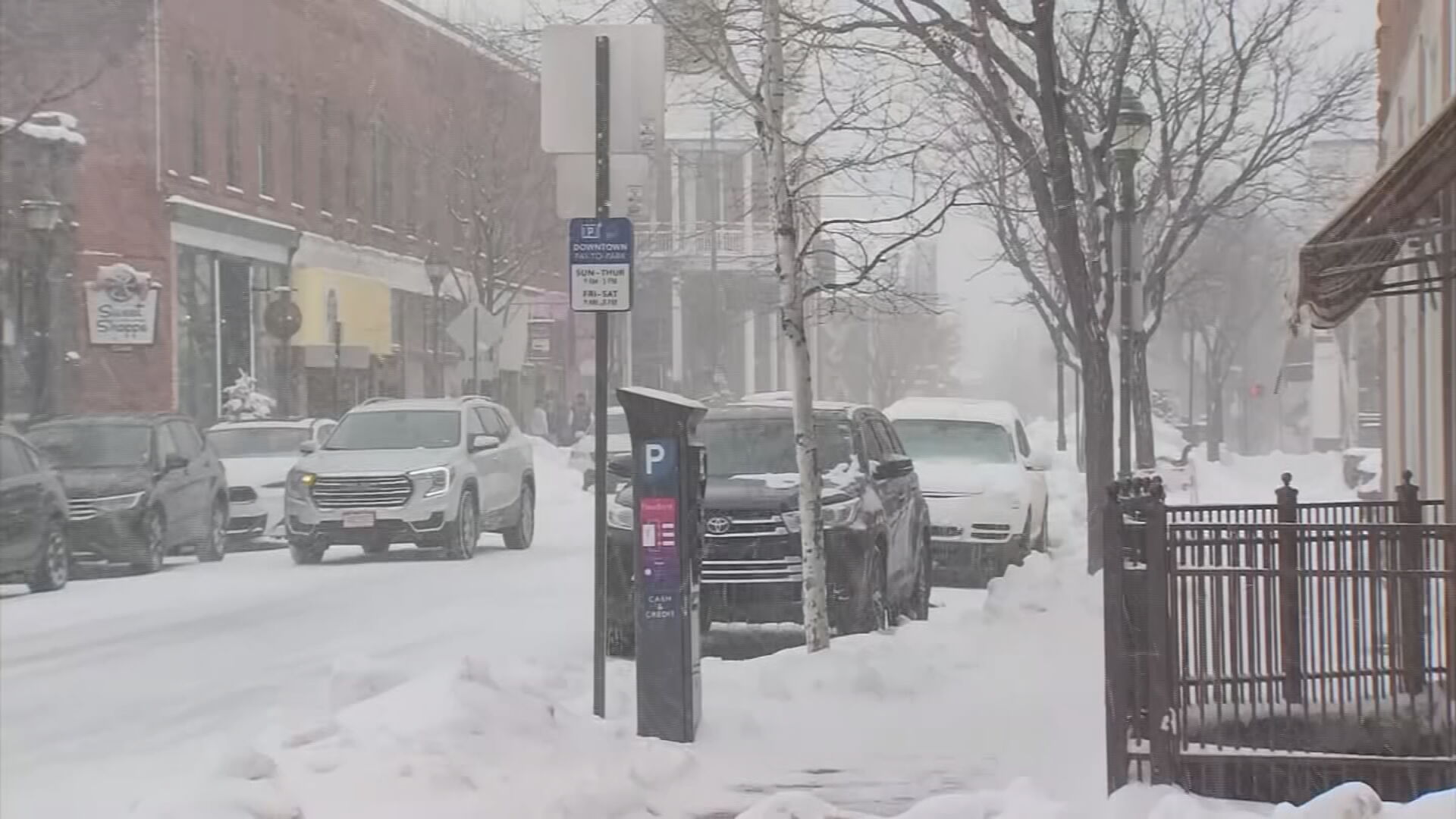
Beyond the slopes, Flagstaff embraces the winter season with a festive spirit, especially during the holidays. Downtown Flagstaff, with its historic buildings, charming boutiques, and diverse restaurants, transforms into a twinkling wonderland. The annual Winter Wonderland Festival and the lighting of the Great Pine are beloved local traditions that draw crowds. Visitors can enjoy ice skating at the seasonal rink, browse unique shops for holiday gifts, or warm up with a hot cocoa or a craft beer at one of the many local establishments. The city’s culinary scene also shines in winter, with cozy eateries offering hearty meals perfect for a chilly evening.
Nearby Winter Wonders: Grand Canyon and Sedona in Snow
A trip to Flagstaff in winter also provides a unique opportunity to see some of Arizona’s most iconic landmarks in a rare, snow-dusted state. The Grand Canyon National Park, less than a 90-minute drive north, offers breathtaking views with snow blanketing its immense chasm and red rock formations. The contrast of white snow against the Canyon’s vibrant hues is an unforgettable sight, often enjoyed with fewer crowds than in peak summer months.
Similarly, the stunning red rocks of Sedona, a scenic 45-minute drive south through Oak Creek Canyon, occasionally receive a dusting of snow. While the snow doesn’t last long in Sedona, catching the red rocks capped with white offers an incredibly surreal and photogenic experience. These day trips from Flagstaff add another layer of depth to a winter vacation, showcasing the diverse beauty of Northern Arizona.
Planning Your Snowy Escape: Accommodation and Travel Tips
A successful winter trip to Flagstaff requires careful planning, especially when it comes to accommodation and travel logistics. Being prepared for cold weather and potential road conditions will ensure a smooth and enjoyable experience.
Finding Your Perfect Winter Retreat: Hotels and Resorts
Flagstaff offers a wide array of accommodation options to suit every lifestyle and budget. For those seeking luxury and full-service amenities, upscale hotels like the historic Hotel Monte Vista in downtown Flagstaff or the modern comforts of the Little America Hotel provide excellent choices. Many hotels offer features perfect for winter stays, such as indoor pools, hot tubs, and cozy lobby areas with fireplaces. Chains like the Drury Inn & Suites Flagstaff or Hampton Inn & Suites Flagstaff provide reliable comfort and value, often with complimentary breakfasts to fuel your snowy adventures.
For a more intimate or unique stay, consider one of Flagstaff’s charming boutique hotels or bed and breakfasts, which often showcase the city’s historic character. These smaller establishments provide personalized service and a cozy atmosphere that perfectly complements the winter ambiance. Early booking is highly recommended, especially for peak winter weekends and holiday periods, as Flagstaff is a popular destination. Utilizing online comparison tools and reading reviews can help you find the best fit for your needs.
Cozy Cabins and Vacation Rentals: A Home Away From Home
Beyond traditional hotels, Flagstaff has a thriving market for vacation rentals, including cabins, apartments, and villas available through platforms like Airbnb or VRBO. These options are particularly appealing for families or groups, offering more space, private kitchens, and often amenities like fireplaces, hot tubs, or game rooms—perfect for relaxing after a day in the snow. Renting a cabin nestled in the pines just outside the city can provide a truly immersive winter experience, allowing guests to wake up to pristine, snow-covered views. Many long-term stay options are also available for those planning extended visits.
Navigating Winter Roads: Essential Travel Advice
Driving to and within Flagstaff during winter requires vigilance. While major highways like I-17 (from Phoenix) and I-40 (connecting California to New Mexico) are generally well-maintained, heavy snowfall can lead to temporary closures or challenging conditions. It’s crucial to check road conditions before and during your journey. The Arizona Department of Transportation (ADOT) website and 511 travel information line are invaluable resources.
If you’re driving your own vehicle, ensure it’s in good winter condition with proper tire tread. Four-wheel drive (4WD) or all-wheel drive (AWD) vehicles are highly recommended, and carrying tire chains or cables is a wise precaution, as they may be required on certain roads, especially those leading to Arizona Snowbowl or during severe weather. Allow extra travel time, drive slowly, and maintain ample distance from other vehicles. For those flying in, Flagstaff Pulliam Airport (FLG) offers regional flights, or you can fly into Phoenix Sky Harbor International Airport (PHX) and rent a vehicle.
Packing for Flagstaff’s Winter: What to Bring
Layering is key to staying comfortable in Flagstaff’s winter climate, which can experience significant temperature swings between day and night, and sunny versus cloudy conditions.
- Outerwear: A waterproof and windproof winter coat is essential. Look for one with good insulation.
- Mid-Layers: Fleece jackets, down vests, or wool sweaters provide warmth and can be added or removed as needed.
- Base Layers: Thermal underwear (tops and bottoms) made of wool or synthetic materials will wick away moisture and keep you warm.
- Bottoms: Waterproof snow pants are a must for any outdoor activities like skiing or sledding. For general wear, insulated pants or jeans with thermal layers underneath are suitable.
- Footwear: Waterproof, insulated boots with good traction are critical for navigating snowy and icy sidewalks and trails.
- Accessories: Don’t forget a warm hat, gloves or mittens, and a scarf or neck gaiter. Sunglasses are also important, as snow glare can be intense.
- Other Essentials: Sunscreen (even in winter, UV rays are strong at altitude), lip balm, and a reusable water bottle to stay hydrated in the dry air.
Conclusion
So, does it snow in Flagstaff, Arizona? An emphatic yes! This vibrant mountain city is truly Arizona’s winter haven, offering an abundance of snow and a wealth of activities to embrace it. From the thrilling slopes of Arizona Snowbowl to the serene beauty of snow-covered forests and the festive charm of downtown Flagstaff, winter here is an experience unlike any other in the Southwest.
Whether you’re a seasoned skier, a family looking for a magical holiday getaway, or simply someone eager to witness the unique spectacle of snow against a desert backdrop, Flagstaff delivers. By planning your accommodation strategically, preparing for winter travel conditions, and packing appropriate gear, you’ll be well-equipped to enjoy all the wonders this snowy destination has to offer. Make Flagstaff your next winter adventure, and discover why its reputation as a winter wonderland is so well-deserved.
LifeOutOfTheBox is a participant in the Amazon Services LLC Associates Program, an affiliate advertising program designed to provide a means for sites to earn advertising fees by advertising and linking to Amazon.com. Amazon, the Amazon logo, AmazonSupply, and the AmazonSupply logo are trademarks of Amazon.com, Inc. or its affiliates. As an Amazon Associate we earn affiliate commissions from qualifying purchases.