
Often depicted as a sun-drenched oasis nestled amidst the majestic Sonoran Desert, Tucson, Arizona, beckons travelers with its unique blend of vibrant culture, rich history, and breathtaking natural beauty. However, as with any travel destination, prospective visitors frequently ask a crucial question: “Is Tucson safe?” This comprehensive guide aims to address that concern, providing an in-depth look at Tucson’s safety landscape, offering practical tips for travelers, and highlighting how to enjoy this enchanting city with peace of mind.
While no city is entirely crime-free, Tucson is generally considered a safe destination for tourists and residents alike, especially in its popular visitor areas. Like many urban centers, it experiences varying crime rates across different neighborhoods, with tourist-centric zones typically exhibiting lower risks. By understanding the local dynamics, practicing common-sense precautions, and knowing which areas to explore, visitors can fully immerse themselves in the wonders of Tucson securely and confidently.
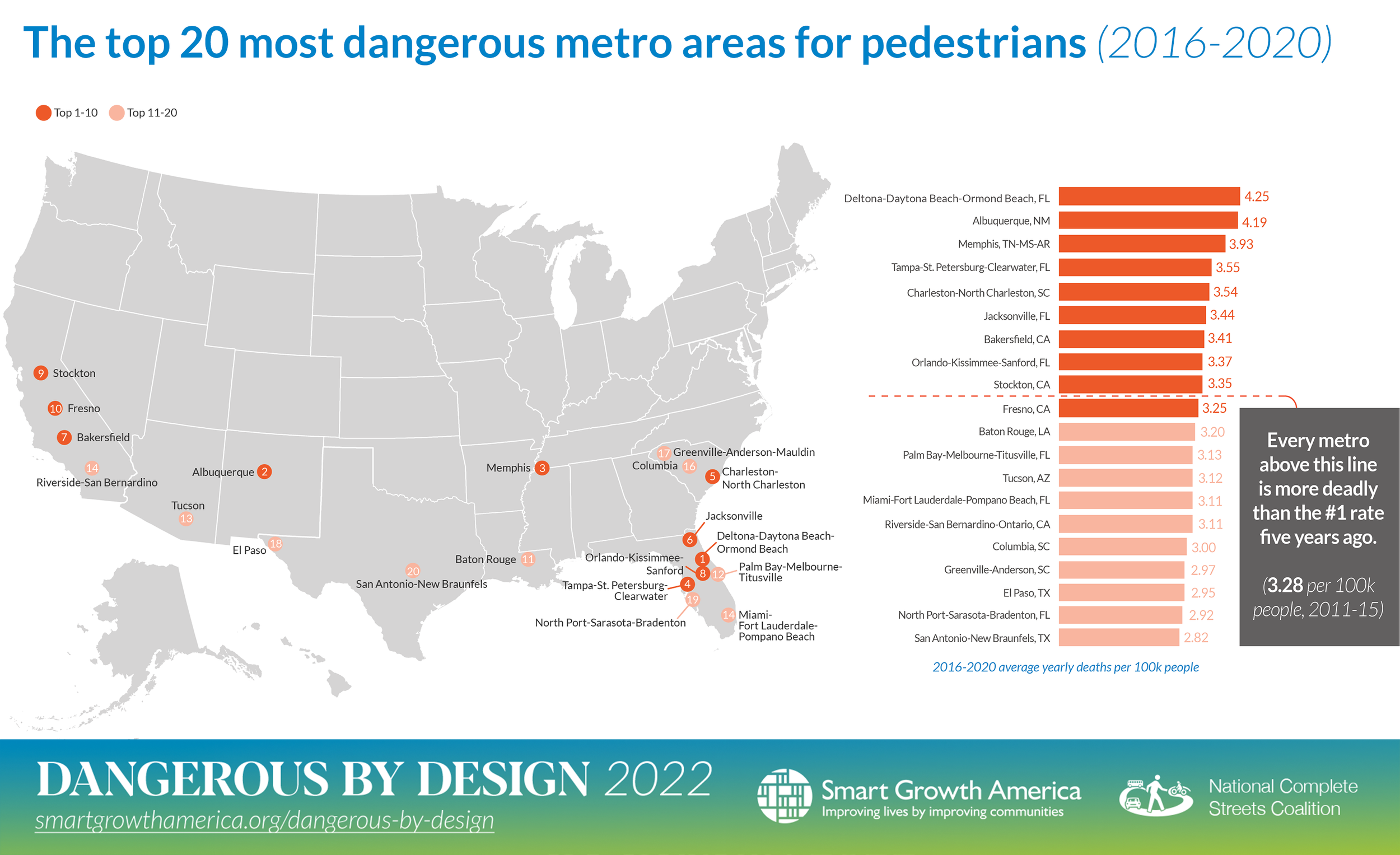
Understanding Tucson’s Safety Landscape
To truly grasp the safety profile of Tucson, it’s essential to look beyond anecdotal evidence and consider official data, while also recognizing the nuances of urban environments. Tucson’s reputation, like many cities, can be shaped by perceptions that don’t always align with the reality of day-to-day life for visitors.
Crime Statistics in Context
When examining crime statistics for Tucson, it’s important to differentiate between various types of crime and understand how they compare to national averages. According to recent data, Tucson generally experiences a higher rate of property crime than the national average, which includes incidents like theft, burglary, and vehicle break-ins. This is a common characteristic of many larger cities and tourist destinations, where opportunities for such crimes may be more prevalent.
Conversely, violent crime rates in Tucson typically hover around or slightly above the national average, but are often concentrated in specific, non-touristy areas. For visitors, this distinction is critical: the likelihood of encountering violent crime in the main tourist hubs and affluent residential areas is significantly lower. Most criminal activity is not directed at tourists, but rather occurs among individuals known to each other or in areas not frequently visited by travelers. The Tucson Police Department is active and visible, particularly in revitalized areas like Downtown Tucson and around popular attractions. Staying informed through local news and official police reports can offer the most current perspective, though it’s important to remember that media coverage often prioritizes negative events.
Safe vs. Less Safe Areas
Like most cities, Tucson has neighborhoods with varying safety profiles. Generally, the northern and eastern parts of Tucson are considered more affluent and safer, particularly areas like the Catalina Foothills, Oro Valley, and Marana. These areas boast beautiful resorts, upscale shopping, and a very low incidence of crime, making them ideal for families and luxury travelers seeking tranquil surroundings. East Tucson also offers many safe, family-friendly residential neighborhoods and easy access to natural attractions.
Downtown Tucson has undergone significant revitalization through projects like the Rio Nuevo District, transforming it into a vibrant hub for dining, entertainment, and culture. While it’s generally safe during the day and evening, especially in well-lit, populated areas, visitors should exercise standard urban precautions, particularly late at night. The area around the University of Arizona and Fourth Avenue is bustling and generally safe due to high foot traffic, but awareness of surroundings is always advised.
Areas to exercise more caution, or ideally avoid, include certain pockets of South Tucson and parts of the west side, where crime rates, particularly property crime, tend to be higher. These areas are not typically frequented by tourists and are geographically distinct from the main attractions. If you find yourself in an unfamiliar area, particularly at night, it’s always best to be alert, travel in groups if possible, and rely on reputable ride-sharing services or taxis. The key takeaway is that the vast majority of visitor experiences in Tucson will be overwhelmingly positive and safe, provided you stick to well-known areas and practice basic urban vigilance.
Navigating Tucson: Essential Safety Tips for Travelers
While Tucson is generally safe, informed travel practices can significantly enhance your experience and minimize potential risks. These tips cover everything from general urban safety to specific considerations for a desert environment.
General Urban Safety Practices
No matter where you travel, fundamental safety measures are always prudent. In Tucson, these include:
- Situational Awareness: Be aware of your surroundings, especially in crowded areas like markets, festivals, or popular tourist spots where pickpocketing can occur. Avoid displaying large amounts of cash or expensive jewelry.
- Securing Valuables: Keep wallets, phones, and passports in secure, hard-to-access places, such as a zippered inner pocket or a cross-body bag. When leaving items in a car, ensure they are out of sight and the vehicle is locked. This is particularly important given Tucson’s higher property crime rates.
- Walking at Night: Stick to well-lit, populated streets, especially in Downtown Tucson or on Fourth Avenue. Avoid walking alone in dimly lit or deserted areas. If possible, use ride-sharing services or taxis for late-night transportation.
- Trust Your Instincts: If a situation or an area feels unsafe, remove yourself from it. Your intuition is a powerful safety tool.
- Emergency Contacts: Know the local emergency number (911) and have important contacts saved in your phone. Consider sharing your itinerary with a trusted friend or family member.
Transportation Safety
Getting around Tucson safely involves understanding the various modes of transport available:
- Driving: Most visitors to Tucson opt to rent a car, as the city is quite spread out and public transportation doesn’t reach all attractions efficiently. Roads are generally well-maintained, and traffic, while present, is typically less congested than in larger metropolitan areas like Phoenix. Be mindful of aggressive drivers, especially on major arteries like the Pima Freeway (I-10). Always keep car doors locked and valuables out of sight, even when driving.
- Public Transportation: Sun Tran operates Tucson’s bus system, and the Sun Link streetcar serves the downtown, Fourth Avenue, and University of Arizona areas. These options are generally safe during the day, but as with any public transport, remain aware of your belongings and surroundings. For convenience and to reach destinations off the main routes, a car is often preferred.
- Ride-Sharing & Taxis: Services like Uber and Lyft are readily available and provide a safe, convenient option, especially for evening outings or airport transfers from Tucson International Airport. Always confirm the driver and vehicle match the information provided in the app before getting in.
Desert-Specific Safety Concerns
Tucson’s stunning Sonoran Desert environment comes with its own unique set of safety considerations that all visitors, especially those exploring nature, must heed:
- Heat and Sun Exposure: The Tucson sun is intense, particularly from May to September, with temperatures often exceeding 100°F (38°C).
- Stay Hydrated: Drink plenty of water throughout the day, even if you don’t feel thirsty. Carry extra water when hiking or spending time outdoors.
- Protect Yourself: Wear sunscreen, a wide-brimmed hat, sunglasses, and light, loose-fitting clothing. Seek shade during the hottest parts of the day (mid-morning to late afternoon).
- Recognize Heat Illness: Be aware of symptoms of heat exhaustion and heatstroke (dizziness, nausea, headache, confusion, rapid pulse) and seek immediate medical attention if they occur.
- Wildlife: The desert is home to various creatures, some of which require respectful distance.
- Snakes and Scorpions: While encounters are rare, especially in urban areas, be cautious when hiking. Watch where you step and place your hands. Never reach into crevices or under rocks. Most bites occur when people try to interact with or harm these animals.
- Javelina, Coyotes, and Bobcats: These animals are usually shy but should never be approached or fed. Keep a safe distance.
- Hiking Safety: Tucson offers incredible hiking opportunities in places like Saguaro National Park and Sabino Canyon.
- Plan Your Route: Inform someone of your hiking plans.
- Stick to Trails: Venture off marked trails only if you are an experienced navigator and understand the terrain.
- Carry Essentials: Always bring plenty of water, snacks, a map, a fully charged phone, and a first-aid kit.
- Footwear: Wear sturdy, closed-toe shoes to protect against rough terrain and potential wildlife.
- Flash Floods: During monsoon season (July-September), heavy rains can cause dangerous flash floods in washes and canyons. Never cross flooded roads or trails.
Experiencing Tucson Safely: Top Attractions and Activities
Beyond safety concerns, Tucson’s true appeal lies in its wealth of attractions and experiences. Visitors can enjoy these safely by following the tips outlined above and choosing reputable establishments and well-maintained areas.
Iconic Landmarks and Natural Wonders
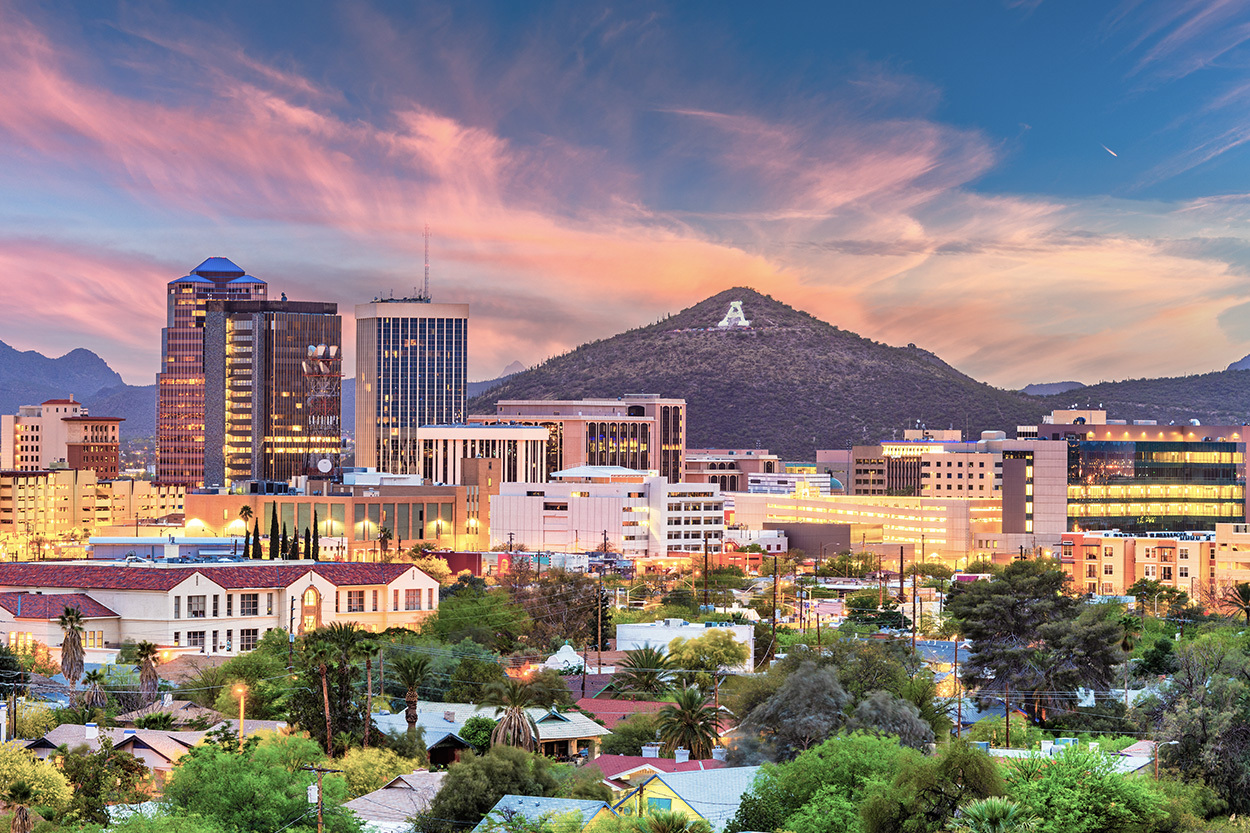
Tucson’s natural and historical sites are not only breathtaking but also very safe, provided visitors respect the environment and any posted guidelines.
- Saguaro National Park: Divided into East and West districts, this park is a must-see for its iconic saguaro cacti forests. Hiking here is safe, but always follow desert safety tips regarding hydration and wildlife.
- Arizona-Sonora Desert Museum: This world-renowned zoo, botanical garden, and natural history museum offers a safe, immersive experience into the Sonoran Desert’s ecosystem. It’s an excellent family-friendly attraction.
- Sabino Canyon Recreation Area: A popular spot for hiking, picnicking, and scenic tram rides. The area is well-maintained and heavily trafficked, ensuring a safe experience.
- San Xavier del Bac Mission: Known as the “White Dove of the Desert,” this stunning historic mission is a peaceful and culturally significant site. It is located on the Tohono O’odham Nation reservation, and visitors are always welcomed respectfully.
- Mount Lemmon Scenic Byway: Offering a dramatic escape from the desert heat, this drive ascends to cooler temperatures and pine forests. The road is well-maintained, but drivers should be mindful of winding sections and potential weather changes at higher elevations.
Downtown and Cultural Hubs
Tucson’s urban core has seen significant investment, making it a vibrant and safe place to explore.
- Downtown Tucson: The revitalized downtown area boasts historic architecture, modern art galleries, trendy restaurants, and performance venues. The streetcar system makes it easy to navigate, and evening strolls are generally pleasant and safe due to increased foot traffic and lighting.
- Fourth Avenue: Known for its eclectic shops, lively bars, and vibrant street art, Fourth Avenue is especially popular during the Fourth Avenue Street Fair. It’s generally a safe and bustling area, but like any entertainment district, it’s wise to be aware of your surroundings, particularly late at night when alcohol consumption increases.
- University of Arizona: The campus is a safe and welcoming environment, offering museums, cultural events, and beautiful grounds. Visitors can explore its attractions with ease.
Culinary and Nightlife Safety
Tucson holds the distinction of being the first UNESCO City of Gastronomy in the United States, a testament to its rich culinary heritage. Enjoying the diverse food scene and nightlife can be done safely:
- Dining: From fine dining to food trucks, Tucson’s restaurants are typically located in safe areas. Read reviews and choose establishments with good reputations.
- Bars and Breweries: Tucson has a thriving craft beer and cocktail scene. When enjoying nightlife, drink responsibly, and always arrange for safe transportation home, whether it’s a designated driver, ride-sharing service, or taxi. Avoid leaving drinks unattended.
Choosing Your Stay: Accommodation and Neighborhood Safety
Selecting the right accommodation in a safe neighborhood is a cornerstone of a worry-free travel experience. Tucson offers a wide array of options, from luxurious resorts to cozy boutique hotels and convenient vacation rentals.
Recommended Safe Neighborhoods for Stays
For visitors prioritizing safety and convenience, certain neighborhoods stand out:
- Catalina Foothills: Located north of the city, this upscale area is synonymous with luxury and tranquility. Home to many of Tucson’s’ premier resorts and golf courses, it offers stunning mountain views, high safety levels, and easy access to outdoor activities. It’s ideal for those seeking a high-end, peaceful retreat.
- Oro Valley and Marana: These rapidly growing communities north and northwest of Tucson offer a suburban feel with excellent safety records. They host modern hotels, family-friendly amenities, and are convenient for accessing attractions like Catalina State Park and the Arizona-Sonora Desert Museum.
- East Tucson: This expansive area offers a mix of residential neighborhoods, shopping centers, and hotels, generally known for being safe and family-friendly. It provides good access to Saguaro National Park (Rincon Mountain District) and Sabino Canyon.
- Central Tucson (near University of Arizona): For those wanting to be closer to the urban buzz, the areas immediately surrounding the University of Arizona and Downtown Tucson offer a variety of accommodations. While more urban, these areas are generally well-lit and active, making them safe for exploration, especially within walking distance of campus and popular attractions.
Accommodation Types and Booking Tips
- Resorts: Tucson is famous for its world-class resorts, many of which are situated in the safe and scenic Catalina Foothills. These offer comprehensive amenities, gated communities, and excellent security, ensuring a safe and pampered stay.
- Boutique Hotels: Downtown Tucson and near the University of Arizona are home to charming boutique hotels, often in historic buildings. They provide a unique experience and benefit from being in revitalized, walkable areas.
- Vacation Rentals (Airbnb, VRBO): These can be great for families or longer stays. When booking, prioritize properties with numerous positive reviews, clear communication from hosts, and locations in the recommended safe neighborhoods. Always research the specific street or block if possible.
- Booking Tips: Always use reputable booking platforms. Read recent guest reviews carefully, paying attention to comments about safety, neighborhood ambiance, and property security. Ensure your chosen accommodation offers adequate lighting and secure entry points.
Tucson for Every Traveler: Tailoring Your Safe Experience
Tucson’s diverse offerings cater to a wide range of travelers, and with a few tailored considerations, everyone can enjoy a safe and fulfilling visit.
Family Travel Safety
Tucson is a fantastic destination for families, offering attractions like the Reid Park Zoo, Children’s Museum Tucson, and the Arizona-Sonora Desert Museum.
- Kid-Friendly Accommodations: Many resorts and hotels offer family suites, kids’ clubs, and pools. Prioritize properties in safe neighborhoods like the Catalina Foothills or East Tucson.
- Supervision: Always keep an eye on children, especially in crowded areas or near water bodies and desert terrain.
- Outdoor Activities: When hiking or playing outdoors, dress children in protective clothing, ensure they are well-hydrated, and educate them about not touching desert wildlife.
Solo and Business Travelers
For individuals traveling alone for leisure or business, Tucson presents a welcoming environment.
- Solo Exploration: Tucson’s main attractions and downtown area are generally safe for solo explorers during the day. Consider joining guided tours to meet other travelers and explore safely.
- Business Stays: Many hotels offer business-friendly amenities and are located in safe, convenient areas, particularly in Downtown Tucson, the University of Arizona area, or near Tucson International Airport or Davis-Monthan Air Force Base.
- Evening Safety: Be extra vigilant when out alone at night. Inform someone of your whereabouts, use ride-sharing services, and avoid excessive alcohol consumption.

Luxury vs. Budget Travel
Safety considerations can subtly shift based on your travel style.
- Luxury Travel: Choosing high-end resorts in areas like the Catalina Foothills inherently offers enhanced security, concierge services, and often private transportation options, providing a very high level of safety and peace of mind.
- Budget Travel: Staying in more affordable accommodations or exploring less touristy areas doesn’t mean compromising on safety, but it does require more diligence. Research your chosen lodging thoroughly, read reviews, and be more selective about walking at night or in unfamiliar areas. Budget travelers should still prioritize safe transportation options.
In conclusion, Tucson, Arizona, is a captivating and generally safe destination that promises a rich and memorable experience for all its visitors. While no urban area is without its challenges, by being informed about local conditions, exercising common-sense precautions, and choosing reputable accommodations and well-trafficked areas, travelers can confidently explore the city’s unique charm, natural wonders, and vibrant culture. Embrace the warm hospitality and sunny skies of Tucson with the assurance that with a little preparedness, your adventure will be both exciting and secure.
LifeOutOfTheBox is a participant in the Amazon Services LLC Associates Program, an affiliate advertising program designed to provide a means for sites to earn advertising fees by advertising and linking to Amazon.com. Amazon, the Amazon logo, AmazonSupply, and the AmazonSupply logo are trademarks of Amazon.com, Inc. or its affiliates. As an Amazon Associate we earn affiliate commissions from qualifying purchases.