
For many adventurers dreaming of sun-drenched landscapes, vibrant desert culture, and iconic natural wonders, Arizona offers an unparalleled travel experience. From the awe-inspiring depths of the Grand Canyon to the mystical red rocks of Sedona and the bustling metropolises of Phoenix and Tucson, the Grand Canyon State captivates millions of visitors each year. However, beyond the picturesque postcards and curated itineraries, understanding the local economic landscape, particularly the minimum wage, can offer a deeper insight into your travel planning, budgeting, and even the quality of service you might experience.
While the phrase “minimum wage” might initially seem more relevant to those seeking employment than to tourists, its implications for the travel, hospitality, and broader lifestyle sectors are surprisingly profound. For the discerning traveler, whether you’re a budget explorer or someone accustomed to luxury travel, knowing the minimum wage in Arizona for 2024 can illuminate everything from the cost of your morning coffee to the price of a night in a Scottsdale resort. It directly impacts the operational costs for hotels, restaurants, tour operators, and local attractions, subsequently influencing prices, the availability of quality service staff, and the overall economic vibrancy of the communities you visit.

This article delves into the specifics of Arizona’s minimum wage in 2024, dissecting its statewide mandates and exploring unique city-specific regulations. More importantly, we’ll connect these figures to the traveler’s experience, demonstrating how understanding this fundamental economic benchmark can enhance your visit, inform your budgeting, and foster a more conscious appreciation for the local culture and the hardworking individuals who make your Arizona adventures unforgettable. Whether you’re planning a short getaway, considering an extended stay, or even pondering a seasonal work opportunity, grasping the minimum wage landscape in Arizona is an essential component of informed travel.
Understanding Arizona’s 2024 Minimum Wage Landscape for Travelers
The economic foundation of any destination plays a crucial role in shaping the travel experience. In Arizona, the minimum wage is not a static figure but rather a dynamic one, subject to annual adjustments and, in some cases, localized ordinances that surpass the state standard. For 2024, these figures have been set, and they carry significant weight for both the employees in the bustling tourism sector and the visitors who interact with them.
The Statewide Standard: What Visitors Should Know
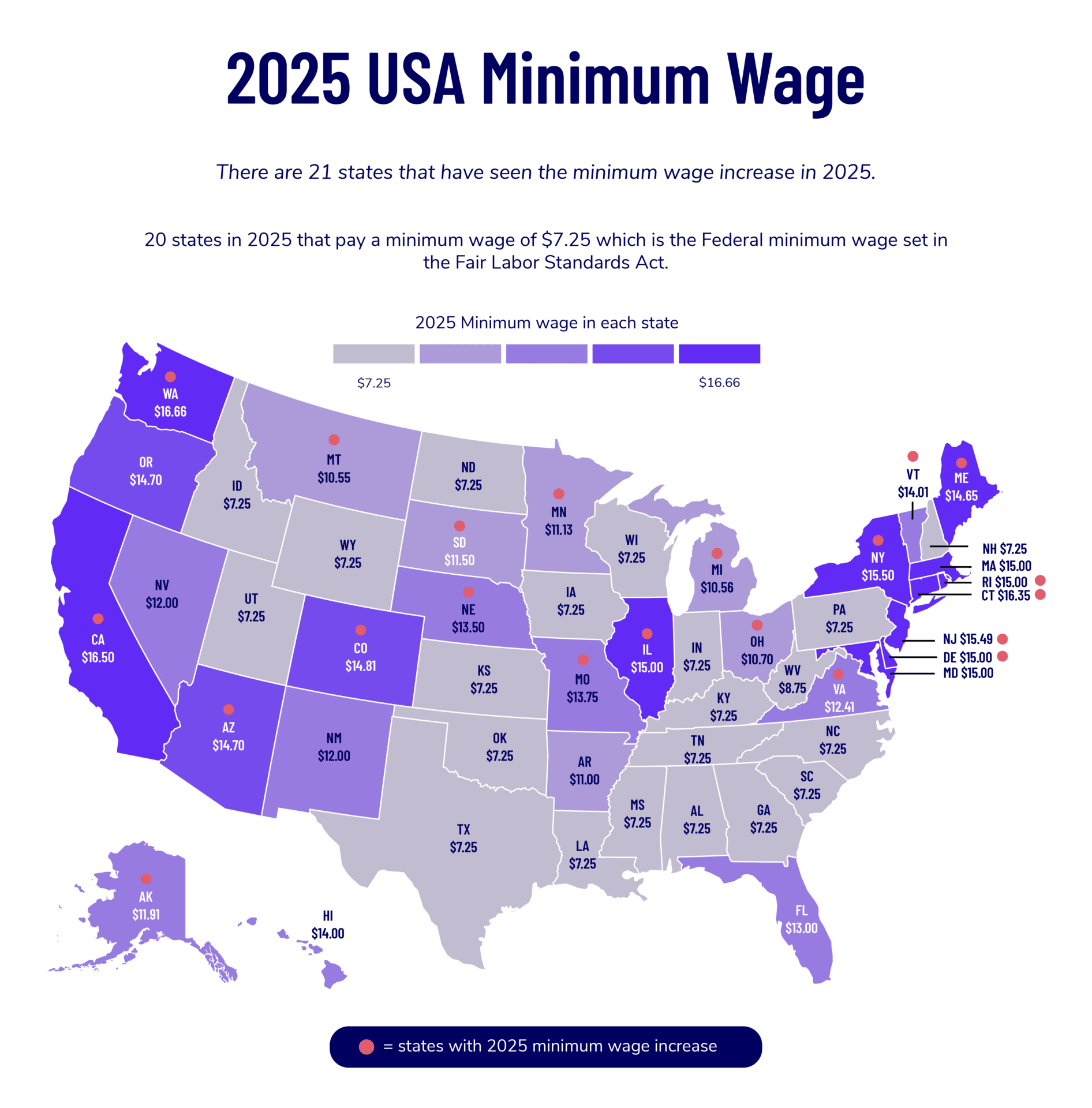
As of January 1, 2024, the statewide minimum wage in Arizona has been set at $14.35 per hour. This figure is a result of Proposition 206, which Arizona voters passed in 2016, mandating annual increases tied to the cost of living. For travelers, this statewide benchmark forms the base cost for a myriad of services across the state.
Consider your stay at a charming boutique hotel in Jerome or a sprawling resort near the Desert Botanical Garden in Phoenix. The housekeeping staff ensuring your room is immaculate, the concierge offering local insights, and the bellhops assisting with your luggage are all impacted by this wage. Similarly, the baristas preparing your morning coffee, the park rangers guiding you through a scenic trail, or the retail assistants at souvenir shops along Route 66 are earning at least this amount. A higher minimum wage generally translates into better-paid service staff, which can contribute to higher morale, lower turnover, and ultimately, a more attentive and professional service experience for guests. While it might subtly influence the prices of accommodation and dining, it also supports a robust local economy, ensuring that the people serving your needs can maintain a decent standard of living in a state known for its growing popularity.
City-Specific Nuances: Flagstaff and Tucson’s Higher Wages
While the statewide minimum wage provides a crucial baseline, some cities within Arizona have taken the initiative to establish their own higher minimum wage rates. These localized efforts are particularly important for travelers to note, as they often correlate with areas that are popular tourist destinations and may influence the cost of goods and services more noticeably.
The most prominent example is Flagstaff. Known for its proximity to the Grand Canyon, beautiful ponderosa pine forests, and vibrant downtown, Flagstaff has consistently led the state with a higher minimum wage. As of January 1, 2024, the minimum wage in Flagstaff stands at an impressive $17.40 per hour. This significant difference means that businesses in Flagstaff face higher labor costs, which are often reflected in the prices for hotel stays, restaurant meals, and local activities. For budget travelers planning a trip to the Grand Canyon with a stopover in Flagstaff, this higher wage is a key factor in budgeting for food and lodging. Conversely, for those who value supporting local workers and believe in fair wages, this might be seen as a positive aspect of the Flagstaff economy.
Another important city to consider is Tucson. While Tucson’s minimum wage for 2024 is $14.25 per hour, which is very close to the statewide rate, it’s worth noting that Tucson also has its own minimum wage ordinance, which adjusts annually based on the cost of living. This illustrates a trend in popular urban centers to address local economic realities beyond the state mandate. For visitors exploring Tucson’s rich culinary scene, its historic missions, or its desert museums, understanding this local regulation offers another layer of context to the pricing structures they encounter. These city-specific wages underscore the diverse economic conditions within Arizona and highlight how local governance can significantly influence the economic environment for both workers and tourists.
Tipping Culture and the Hospitality Sector
Beyond the base hourly rates, the concept of a “tipped wage” is particularly relevant to travelers, especially when dining out or using services in hotels. In Arizona, employers can pay tipped employees a lower cash wage, provided that their tips bring their total earnings up to at least the standard minimum wage. For 2024, the tipped minimum wage in Arizona is $11.35 per hour, meaning employers can take a tip credit of up to $3.00 per hour.
This system places a greater emphasis on customer tips to ensure hospitality staff reach a living wage. For travelers, this reinforces the importance of understanding local tipping customs. Whether you’re enjoying a farm-to-table meal in Sedona, sipping cocktails by a pool in Scottsdale, or taking a guided tour of Monument Valley, a standard tip of 15-20% is customary and often essential for waitstaff, bartenders, and other service providers whose base pay is lower. Conscious travelers who appreciate excellent service will recognize that their gratuity directly contributes to the financial well-being of these dedicated individuals, making their Arizona experience not just enjoyable but also socially responsible. This also means that for budget travel, while the menu price might be appealing, the final bill with tip will often reflect a more realistic cost of the service received.
The Ripple Effect: How Minimum Wage Shapes Your Arizona Experience
The minimum wage is more than just a number; it’s a foundational element that sends ripples through the entire local economy, affecting pricing, service quality, and the overall vibe of a destination. For anyone planning a trip or an extended stay in Arizona, these ripples are worth understanding.
Budgeting Your Arizona Adventure: Costs for Accommodation and Dining
One of the most immediate impacts of the minimum wage on travelers is how it influences the cost of goods and services, particularly in the hospitality sector. Hotels, restaurants, and tour operators factor labor costs heavily into their pricing models. When the minimum wage increases, these businesses often adjust their prices to cover the rising operational expenses.
For budget travelers, this means a thorough review of accommodation and dining options becomes even more critical. A higher minimum wage in cities like Flagstaff might mean that a meal or a night in a hotel will be comparatively more expensive than in an area adhering strictly to the statewide minimum. This is not necessarily a drawback; it simply requires more careful planning. Researching local eateries, exploring accommodation options outside peak tourist zones, or opting for self-catering facilities (like those offered by apartments or villas for longer stays) can help manage costs effectively. Conversely, for those accustomed to luxury travel, the impact might be less about cutting costs and more about understanding the value proposition. A higher wage base contributes to the ability of high-end resorts in places like Scottsdale to attract and retain highly skilled staff, potentially leading to even more impeccable service and an elevated guest experience that justifies the premium price.
Supporting Local: The Connection Between Wages and Quality Service
Beyond mere cost, the minimum wage plays a crucial role in the quality of service you receive. A fair and competitive minimum wage can significantly improve employee morale, reduce turnover, and attract more talented individuals to roles within the tourism and hospitality industries. Imagine checking into a hotel where the front desk staff is knowledgeable and genuinely happy to assist, or dining at a restaurant where the waitstaff are experts on the menu and provide seamless service. These positive interactions are often a direct reflection of an employer’s commitment to fair compensation.
When you spend your money at local businesses in [Arizona](https://lifeoutofthebox.com/arizona], particularly those that pay above the minimum wage or provide excellent benefits, you are indirectly supporting a sustainable local economy. This conscious consumerism aligns perfectly with the principles of responsible tourism. By choosing establishments that value their employees, you contribute to a positive cycle: workers earn more, have a better quality of life, and are more motivated to provide outstanding service, which, in turn, enhances your travel experience. This connection between local wages and service quality can be a subtle but profound aspect of your Arizona adventure, making your trip not just enjoyable but also impactful.
For Extended Stays: Navigating Living Costs as a Digital Nomad
For digital nomads, remote workers, or individuals considering long-term stays or even seasonal employment in Arizona, understanding the minimum wage and overall cost of living is paramount. While the minimum wage directly applies to those working hourly jobs, it also acts as an indicator of the general economic environment and baseline living expenses.
If you’re contemplating a longer stay in Phoenix to enjoy its vibrant city life and access to hiking trails like Camelback Mountain, or perhaps a more relaxed pace in Tucson, knowing the minimum wage provides context for rental costs, groceries, transportation, and entertainment. Areas with higher minimum wages, like Flagstaff, often come with a higher cost of living overall. For those thinking about picking up temporary work to fund extended travel, the minimum wage dictates potential earnings and therefore the feasibility of such plans. It’s crucial to research average rents, utility costs, and daily expenses in your target Arizona city to ensure your budget aligns with the local economic realities. This deep dive into local economics is a fundamental aspect of successful long-term accommodation and a sustainable lifestyle as a digital nomad.
Beyond the Numbers: Arizona’s Economic Climate and Tourism
The minimum wage, while a specific economic metric, also reflects the broader economic climate of Arizona and its strategic approach to supporting its critical tourism sector. The state is a global draw, from the natural grandeur of the Grand Canyon to the man-made marvels like the Hoover Dam and recreational areas around Lake Mead. Maintaining a competitive wage structure is an important part of ensuring these attractions remain well-staffed and well-maintained.
Attracting Talent: Ensuring a Top-Tier Hospitality Workforce
In a highly competitive job market, especially for roles within the service industry, a fair minimum wage is essential for attracting and retaining skilled talent. The tourism sector thrives on excellent customer service, local expertise, and a welcoming atmosphere. By adjusting the minimum wage annually, Arizona aims to ensure that jobs in hotels, restaurants, tour guiding, and retail remain attractive to workers. This directly benefits travelers, as a more stable, experienced, and motivated workforce contributes to a higher quality of service across all tourism touchpoints.
Imagine a knowledgeable guide at a Sedona vortex tour or an efficient and friendly desk clerk at your resort in Phoenix. These interactions significantly shape your impression of Arizona. Higher wages contribute to a professional workforce that sees hospitality as a viable career path, rather than just a temporary job. This investment in human capital translates directly into a more enjoyable and seamless travel experience for visitors, aligning with the website’s focus on quality travel experiences and effective guides.
Future Considerations for Long-Term Visitors and Investors
For those considering Arizona for a long-term investment, whether in real estate, establishing a business, or settling for retirement, understanding the minimum wage trends is also crucial. It provides insight into future labor costs, the economic health of local communities, and the purchasing power of the local population. As the minimum wage continues to rise with the cost of living, it influences broader economic indicators such as housing costs, consumer spending, and the viability of various businesses.
This foresight is valuable for anyone looking beyond a short vacation, perhaps contemplating the “Lifestyle” aspect of [Arizona](https://lifeoutofthebox.com/arizona] living, including business stays or long-term accommodation. The sustained increase in the minimum wage indicates a state that is committed to improving the economic well-being of its residents, which can contribute to a stable and growing economy. This stability, in turn, can be attractive to both visitors and potential residents, ensuring that the state remains a vibrant and desirable destination for years to come.
In conclusion, while “What Is Minimum Wage In Arizona 2024?” might seem like a question for economists or job seekers, its answers deeply intertwine with the fabric of travel and tourism. For every journey to Arizona, understanding the statewide minimum wage of $14.35 per hour, the higher rate in Flagstaff at $17.40, and the specific considerations in Tucson and for tipped employees, offers a richer, more informed perspective. It empowers travelers to budget more effectively, appreciate the nuances of service quality, and engage with the local economy in a more conscious and responsible way. So, as you plan your next adventure to the Grand Canyon State, remember that a grasp of its economic heartbeat can significantly enhance your entire experience, connecting you more deeply with the destination and the people who call it home.
LifeOutOfTheBox is a participant in the Amazon Services LLC Associates Program, an affiliate advertising program designed to provide a means for sites to earn advertising fees by advertising and linking to Amazon.com. Amazon, the Amazon logo, AmazonSupply, and the AmazonSupply logo are trademarks of Amazon.com, Inc. or its affiliates. As an Amazon Associate we earn affiliate commissions from qualifying purchases.