
For travelers planning an unforgettable journey to the Golden State, understanding the local time — and particularly the practice of Daylight Saving Time (DST) — is more than just a trivial detail; it’s a key piece of information that can influence everything from flight schedules to attraction opening hours. So, to answer the burning question: Yes, California currently observes Daylight Saving Time, like most of the United States. This means that during a significant portion of the year, clocks in California “spring forward” by an hour, shifting from Pacific Standard Time (PST) to Pacific Daylight Time (PDT), before “falling back” again. While the state’s relationship with DST has been complex and subject to ongoing debate, its current adherence means visitors need to factor this time change into their travel plans, ensuring a seamless and enjoyable experience amidst California’s myriad attractions and vibrant lifestyle.
The Golden State and the Clock: A Definitive Answer
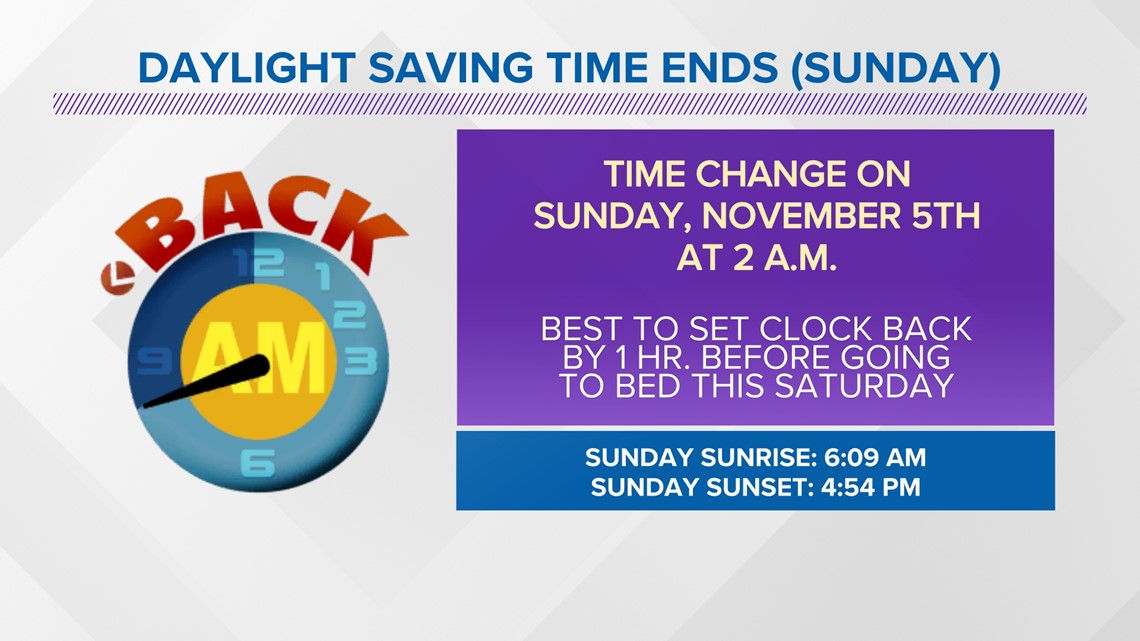
At present, California actively participates in Daylight Saving Time. This annual ritual typically begins on the second Sunday in March, when clocks advance by one hour. The shift provides an extra hour of daylight in the evenings, which is often welcomed for recreational activities and tourism. The practice then concludes on the first Sunday in November, when clocks are set back by an hour, returning to Pacific Standard Time.
For anyone planning a trip, particularly during these transitional periods, awareness is crucial. A March visit might mean suddenly having more evening daylight for exploring cities like Los Angeles or San Francisco, while a November trip could mean earlier sunsets, impacting outdoor plans. This seasonal adjustment is uniform across the state, from the bustling urban landscapes to the serene national parks.
Despite this current adherence, California’s embrace of DST is not without its nuances and historical debates. The topic of whether to continue, modify, or abolish DST has been a recurrent theme in state politics, reflecting broader discussions across the nation about the benefits and drawbacks of the practice. Understanding this context helps to illuminate why the question of “Does California do Daylight Savings?” often carries a deeper implication than a simple yes or no.
A Brief History of Daylight Saving Time in California
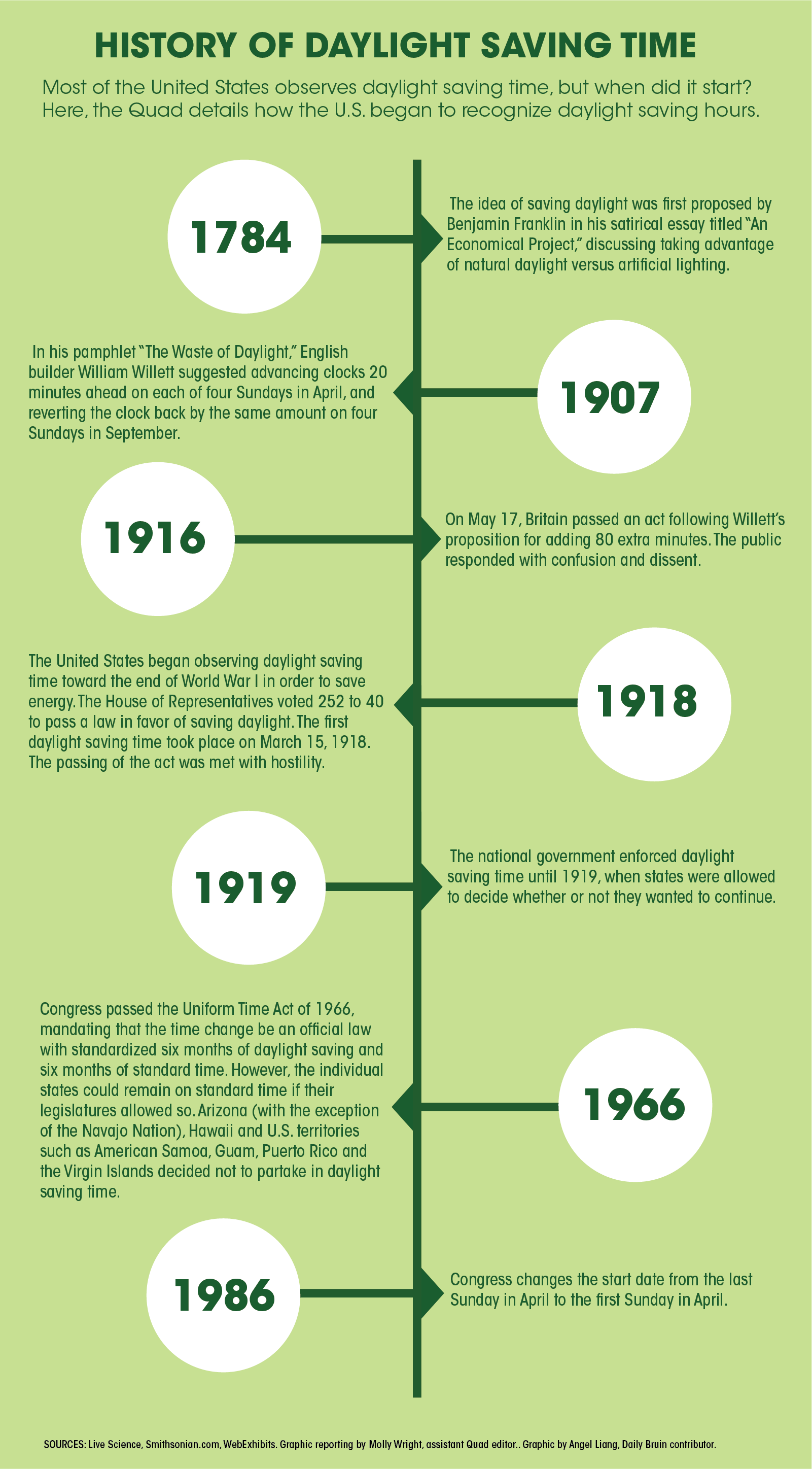
The concept of Daylight Saving Time itself is not new, tracing its roots back to early 20th-century ideas aimed at conserving energy and making better use of daylight hours. In the United States, DST was standardized by the Uniform Time Act of 1966, which established a consistent system for the entire country, allowing states to opt out if they chose. Currently, only Arizona (with the exception of the Navajo Nation) and Hawaii do not observe DST.
California’s journey with DST has been particularly dynamic. The state first adopted permanent Daylight Saving Time with Proposition 12 in 1949. For decades, the system remained largely unchallenged. However, in recent years, a growing sentiment for change began to emerge, fueled by arguments regarding potential health impacts, economic disruptions, and the perceived outdatedness of the practice in a modern world.
This culminated in 2018 with the passage of Proposition 7. This ballot measure, approved by nearly 60% of voters, gave the California Legislature the power to change DST by a two-thirds vote, potentially allowing the state to establish permanent Pacific Daylight Time or opt out entirely from DST, pending federal approval. The intention was clear: voters expressed a desire for a change to the annual clock shifts.
Despite the strong mandate from Proposition 7, the legislative process has proven more complex. Several bills have been introduced since 2018 to implement the will of the voters, but none have successfully passed both legislative houses and received the necessary federal green light. As a result, California remains tied to the traditional DST schedule. This ongoing legislative limbo means that while the desire for change exists, the practical reality for travelers and residents alike is that the “spring forward” and “fall back” continue. It’s a reminder that even in a state as forward-thinking as California, some traditions, whether beloved or debated, persist.
Navigating Time Changes: What Travelers to California Need to Know
For visitors to California, understanding DST isn’t just about knowing what time it is; it’s about optimizing their travel experience. The change can subtly, or sometimes significantly, impact various aspects of a trip, from sightseeing schedules to personal well-being. Being prepared for these shifts ensures that your adventure in the Golden State remains as smooth and enjoyable as possible.
Impact on Travel Itineraries and Attractions
The most immediate effect of DST for travelers is on schedules. Attraction operating hours, tour departure times, and even restaurant reservation slots are all tied to the local clock.
- Theme Parks and Attractions: World-renowned destinations like Disneyland in Anaheim or Universal Studios Hollywood in Los Angeles typically adjust their opening and closing times with the seasons, but the shift to PDT in spring means an effective later sunset. This provides more daylight hours for rides, shows, and exploring, which can be a boon for families. Conversely, when clocks fall back in November, evening entertainment might wrap up earlier relative to the clock, and outdoor attractions like the Golden Gate Bridge or Yosemite National Park will see sunsets much sooner.
- Tours and Excursions: Whether you’re planning a wine tasting tour in Napa Valley, a celebrity home tour in Hollywood, or a wildlife excursion at the San Diego Zoo, verify your booking times. Tour operators are generally good at specifying times in local DST, but a quick double-check can prevent missed opportunities.
- Flights and Transportation: While flight schedules are typically displayed in local time, it’s wise for travelers arriving or departing during the DST transition weekends to confirm their itineraries. Airlines and airports are well-versed in these changes, but a personal check can alleviate any anxiety about missed connections or delays, especially if you are connecting from areas that do not observe DST, such as Arizona.
- Outdoor Activities: California’s diverse landscapes offer endless opportunities for hiking, surfing, or simply enjoying a beach sunset. The extended daylight during PDT means more time for these activities in the evening, which is particularly appealing for those exploring coastal areas like Santa Monica or San Diego. Conversely, the earlier darkness during PST requires more careful planning for safety, especially in wilderness areas.
Adjusting to the Time Shift: Tips for a Seamless Trip
Beyond schedules, the physical and mental adjustment to DST can also be a factor for travelers. While it’s only an hour, changing time zones, combined with the “spring forward” or “fall back,” can exacerbate jet lag or simply feel disorienting.
- Before You Go:
- Check Dates: Mark the DST change dates on your calendar if your trip falls around them.
- Adjust Devices: Most smartphones and digital devices automatically update, but it’s always good to double-check their settings or manually adjust any analog clocks or watches upon arrival.
- Gradual Adjustment: If possible, try to adjust your sleep schedule by 15-30 minutes each day in the few days leading up to the time change, especially for the “spring forward” when you lose an hour.
- During Your Trip:
- Stay Hydrated and Well-Rested: These are universal tips for combating jet lag and adapting to new environments, and they apply even more during a DST transition.
- Embrace Natural Light: Seek out natural light in the mornings to help regulate your body clock, particularly after the “spring forward.” Conversely, avoid bright lights late in the evening if you’re trying to wind down after the “fall back.”
- Flexibility is Key: Build some buffer time into your itinerary. Don’t schedule back-to-back activities too tightly around the transition weekend, allowing for unexpected delays or personal adjustment time.
Planning Your California Adventure Around the Clock
The impact of Daylight Saving Time, or its absence, goes beyond mere scheduling; it actively shapes the visitor experience. California’s appeal lies in its diverse offerings, from sun-drenched beaches to majestic mountains, and how you experience them can be significantly influenced by the available daylight. Thoughtful planning, especially around DST, can elevate your trip from good to extraordinary.
Maximizing Daylight for Iconic Experiences
The extended daylight hours from March to November, thanks to Pacific Daylight Time, offer unique advantages for various travel styles and destinations across California.
- Spring and Summer (PDT): This period provides a generous canvas of daylight for outdoor enthusiasts. Imagine lingering longer on the beaches of Santa Monica or San Diego, enjoying vibrant sunsets over the Pacific Ocean that stretch well into the evening. Hiking trails in state parks or exploring the vastness of Yosemite National Park can start earlier and end later, allowing for more ambitious treks. Cities like San Francisco come alive with al fresco dining and evening strolls across iconic landmarks like the Golden Gate Bridge, all under natural light. For luxury travelers, sunset yacht cruises or exclusive outdoor events can be perfectly timed to coincide with these longer, brighter evenings.
- Fall and Winter (PST): When the clocks “fall back,” the earlier sunsets reshape the experience. While there’s less daylight in the evenings, this can be an advantage for certain activities. Stargazing in places like Death Valley National Park becomes more accessible earlier in the evening. Cozying up by a fire at a mountain lodge in Lake Tahoe feels even more inviting as darkness descends sooner. For those seeking cultural experiences, earlier evenings might encourage more visits to museums, theaters, and indoor attractions in cities like Los Angeles, allowing for a shift in focus from outdoor adventures to urban exploration. Palm Springs, known for its winter warmth, becomes an ideal escape where the slight reduction in evening daylight is offset by comfortable daytime temperatures perfect for golf or poolside relaxation.
Accommodation Considerations During Time Changes
Booking accommodations during a DST transition also warrants a moment of thought, especially for those sensitive to routines or on tight schedules.
- Check-in/Check-out Times: Most hotels, resorts, and vacation rentals (whether booked through platforms like Airbnb or Booking.com) will operate on the official local time. If you arrive on the “spring forward” day, you might feel like you’ve lost an hour of your first day, as 3 PM check-in might feel like 4 PM to your body clock. Conversely, on the “fall back” day, you might gain an hour, potentially allowing for a more relaxed morning before check-out. Confirm with your specific accommodation provider if you have any concerns about early check-ins or late check-outs during these sensitive periods.
- Amenities and Services: Consider how time changes might affect hotel services. Breakfast buffets, gym opening hours, or evening concierge services will adhere to the local time. For instance, if you’re staying at a luxury resort with set dinner times or a boutique hotel offering morning yoga, factor in the time shift. For budget hostels or family-friendly suites with communal spaces or timed activities, awareness of the clock change is equally important for a smooth experience.
- Long-Term Stays: For those planning extended stays or even considering a move, the biannual time change becomes a part of daily life, impacting commutes, school schedules, and local events. Understanding California’s consistent, albeit debated, adherence to DST is essential for settling in comfortably.
In conclusion, while the debate over Daylight Saving Time continues to simmer in the background, the current reality for travelers to California is clear: the state observes DST. This means planning your trip with awareness of the “spring forward” and “fall back” dates will ensure you maximize your time, seamlessly navigate attraction schedules, and make the most of the Golden State’s incredible offerings. Whether you’re chasing the sun at a West Coast beach or exploring the vibrant nightlife of its cities, being time-aware is just another step towards a perfectly crafted California adventure.
LifeOutOfTheBox is a participant in the Amazon Services LLC Associates Program, an affiliate advertising program designed to provide a means for sites to earn advertising fees by advertising and linking to Amazon.com. Amazon, the Amazon logo, AmazonSupply, and the AmazonSupply logo are trademarks of Amazon.com, Inc. or its affiliates. As an Amazon Associate we earn affiliate commissions from qualifying purchases.