
Florida, renowned for its sun-drenched beaches, vibrant cities, and world-class attractions, draws millions of visitors annually. From the magical theme parks of Orlando to the historic streets of St. Augustine and the lively atmosphere of Miami, the Sunshine State offers an unparalleled blend of adventure, relaxation, and unique cultural experiences. Amidst this backdrop of tourism and diverse lifestyles, many residents and even frequent visitors consider their personal safety and the right to self-defense. This often leads to questions about obtaining a Concealed Weapons Permit (CWP), officially known as a Concealed Weapon or Firearm License, in Florida.

Understanding the process, requirements, and legal responsibilities associated with a Florida CWP is crucial. While not typically a topic found on travel guides, for those who value personal security and responsible firearm ownership, navigating this aspect of Florida law is as important as planning a trip to Walt Disney World Resort or choosing the perfect resort in Key West. This comprehensive guide aims to demystify the journey to obtaining a CWP in Florida, providing a clear, step-by-step overview for both residents and those considering making Florida their home or extended stay destination. We’ll delve into the eligibility criteria, the application process, and, most importantly, the legal framework that governs where and how you can carry a concealed weapon in this popular state.
Eligibility Requirements for a Florida Concealed Weapons Permit
Before embarking on the application journey, it’s essential to understand the foundational eligibility requirements set forth by Florida law. These criteria are designed to ensure that permits are issued only to responsible individuals who meet specific legal and safety standards. The process is overseen by the Florida Department of Agriculture and Consumer Services (FDACS), headed by the Commissioner of Agriculture.
The primary requirements for obtaining a Florida CWP include:
- Age: You must be 21 years of age or older. There’s a limited exception for active duty military personnel and honorably discharged veterans, who may apply at 18 years of age.
- Residency: While Florida is a popular destination for snowbirds and long-term visitors, the CWP is generally issued to Florida residents. However, non-residents who meet specific criteria, such as owning property in Florida or having a valid license from another state with reciprocity, might have specific considerations, though the most straightforward path is for full-time residents.
- Background: Applicants must be able to demonstrate competence with a firearm. This is typically satisfied by completing an approved firearms training course (more on this below).
- Criminal Record: This is a critical disqualifier. Applicants cannot have been convicted of a felony. There are also specific misdemeanor convictions that can lead to disqualification, particularly those involving violence or domestic abuse. Additionally, individuals under injunctions for domestic violence, stalking, or similar protective orders are typically ineligible.
- Mental Health: Florida law prohibits issuing a CWP to individuals who have been adjudicated delinquent or found guilty of a crime, regardless of adjudication, of certain offenses, or who have been committed to a mental institution. A history of mental health issues, particularly involuntary commitment, can be a disqualifier.
- Substance Abuse: A history of drug abuse or addiction, or a conviction for certain drug-related offenses, can lead to ineligibility.
- Citizenship/Legal Presence: You must be a citizen of the United States or a permanent resident alien.
It’s crucial for any potential applicant to review the detailed requirements directly on the FDACS website, as laws can change, and specific circumstances can affect eligibility. Misrepresenting information on the application can lead to severe penalties. For those considering a lifestyle change involving relocating to Florida, understanding these stipulations beforehand is paramount.
The Application Process: A Step-by-Step Guide
Once you’ve confirmed your eligibility, the next phase is to navigate the application process. This involves several key steps, each designed to ensure that permit holders are both competent and legally qualified.
Required Training Course
The cornerstone of the Florida CWP application is the demonstration of competence with a firearm. This is almost universally satisfied by completing an approved firearms training course. The law specifies that acceptable training includes:
- Completing any hunter education or hunter safety course approved by the Florida Fish and Wildlife Conservation Commission or a similar agency in another state.
- Completing any National Rifle Association (NRA) firearms safety or training course.
- Completing any firearms safety or training course or class available to the general public offered by a law enforcement agency, junior college, college, or private institution or organization or firearms training school, if the course or class provides instruction in the safe handling of firearms, demonstrates actual firing of a firearm, and demonstrates actual proficiency with a firearm.
- Completing any law enforcement firearms safety or training course or class offered for security guards, investigators, special deputies, or any division or subdivision of a law enforcement or security enforcement agency.
- Presents evidence of equivalent experience with a firearm through participation in organized shooting competition or military service.
- Is a holder of a license from another state, territory, or possession of the United States or a foreign country that is valid as of the date of application and that has a training requirement for concealed weapon or firearm licensure which is equal to or greater than the training requirement imposed by Florida law.
For most applicants, enrolling in a firearms safety course that includes live-fire training is the most common route. These courses are widely available across Florida, from certified instructors in cities like Tampa and Jacksonville to specialized shooting ranges. When selecting a course, ensure it meets FDACS requirements to avoid issues with your application. Many courses also cover basic firearm safety, legal aspects of carrying, and responsible gun ownership, which are invaluable for any permit holder.
Gathering Necessary Documents
After completing your training, you’ll need to compile a set of documents to accompany your application. These typically include:
- A completed application form: This can be downloaded from the FDACS website or filled out online.
- Proof of competence with a firearm: This will be your certificate of completion from an approved training course.
- A passport-style color photograph: This must meet specific dimensions and quality standards.
- Fingerprints: These are a mandatory part of the background check. You can get your fingerprints taken electronically at authorized locations, often government agencies or private vendors throughout Florida. For instance, in areas popular with tourists like Clearwater Beach or Panama City Beach, you’ll find facilities that offer this service.
- Proof of U.S. citizenship or permanent resident alien status: This could be a birth certificate, passport, or green card.
- Payment for the application fee: The fee covers the cost of processing and the background check.
Ensuring all documents are accurate and complete will prevent delays in processing your application. Attention to detail here is crucial, much like meticulously planning a complex international trip.
Submitting Your Application
Florida offers two primary methods for submitting your CWP application:
- Online Application: The FDACS website provides an online portal where you can complete the application form, upload electronic copies of your documents, and pay the fee. This is often the quickest and most convenient method. You will still need to mail in original documents if specified, or complete fingerprinting separately.
- Mail Application: You can download, print, and complete a paper application, then mail it along with all supporting documents and payment to the FDACS office in Tallahassee.
Many applicants choose to apply in person at one of the FDACS regional offices, where staff can review your documents for completeness and take your fingerprints and photograph on-site. This can streamline the process and reduce the likelihood of errors. These offices are located in various parts of the state, including Fort Lauderdale and Sarasota.
Background Check and Waiting Period
Once your application is submitted, FDACS will conduct a thorough background check, which includes reviewing your criminal history, mental health records, and other relevant information. This process can take several weeks, or even a few months, depending on the volume of applications and the complexity of individual background checks. Florida law stipulates that the Department must either issue or deny a license within 90 days after receiving a complete application. During this waiting period, it is important to be patient and avoid making inquiries that could further delay the process.
Understanding Your Florida Concealed Weapons Permit
Receiving your Florida CWP is not merely a license; it’s a significant responsibility accompanied by a set of specific legal obligations and restrictions. Understanding these nuances is critical for every permit holder, particularly when navigating the diverse environments Florida offers, from bustling tourist hubs to tranquil natural landmarks.
Where You Can and Cannot Carry
Florida law defines specific locations where carrying a concealed weapon, even with a permit, is prohibited. Ignorance of these restrictions is not a valid defense and can lead to serious legal consequences. General prohibitions include:
- Government Buildings: Any place of nuisance, any police, sheriff, or highway patrol station.
- Courthouses and Polling Places: Any courthouse, polling place, or meeting of the governing body of a county, public school district, municipality, or special district.
- Schools and Universities: Any school, college, or university facility unless you are a law enforcement officer or security personnel. This includes K-12 schools, colleges, and universities, like the University of Florida in Gainesville.
- Airports: The sterile area of an airport (beyond security checkpoints). For travelers, understanding regulations at Orlando International Airport or Miami International Airport is crucial even for transport purposes.
- Bars and Establishments Serving Alcohol: Any portion of an establishment licensed to dispense alcoholic beverages for consumption on the premises, which portion is primarily devoted to such purpose. This means you generally cannot carry in a bar, but restaurants that serve alcohol as a secondary function might be permissible, depending on specific interpretation and the establishment’s policies.
- Prisons and Jails: Any detention facility, prison, or jail.
- Federal Buildings: Federal law often prohibits firearms in federal buildings, such as post offices, courthouses, and IRS offices. This would apply to federal sites even within Florida, for example, parts of the Kennedy Space Center Visitor Complex that might be considered federal property.
- Private Property: While the CWP grants you the right to carry in public spaces not specifically prohibited, private property owners retain the right to prohibit firearms on their premises. This is particularly relevant for hotels, resorts, businesses, and even attractions like Busch Gardens Tampa Bay or Universal Orlando Resort. Always look for “no firearms” signs and respect private property policies. For instance, when staying at a Grand Hyatt Hotel or a quaint bed and breakfast in Naples, verify their specific policies.
It’s vital to stay informed about these locations and any changes to the law. Responsible permit holders always exercise caution and discretion, especially in crowded tourist areas like South Beach or during events at places like Daytona International Speedway in Daytona Beach.
Reciprocity with Other States
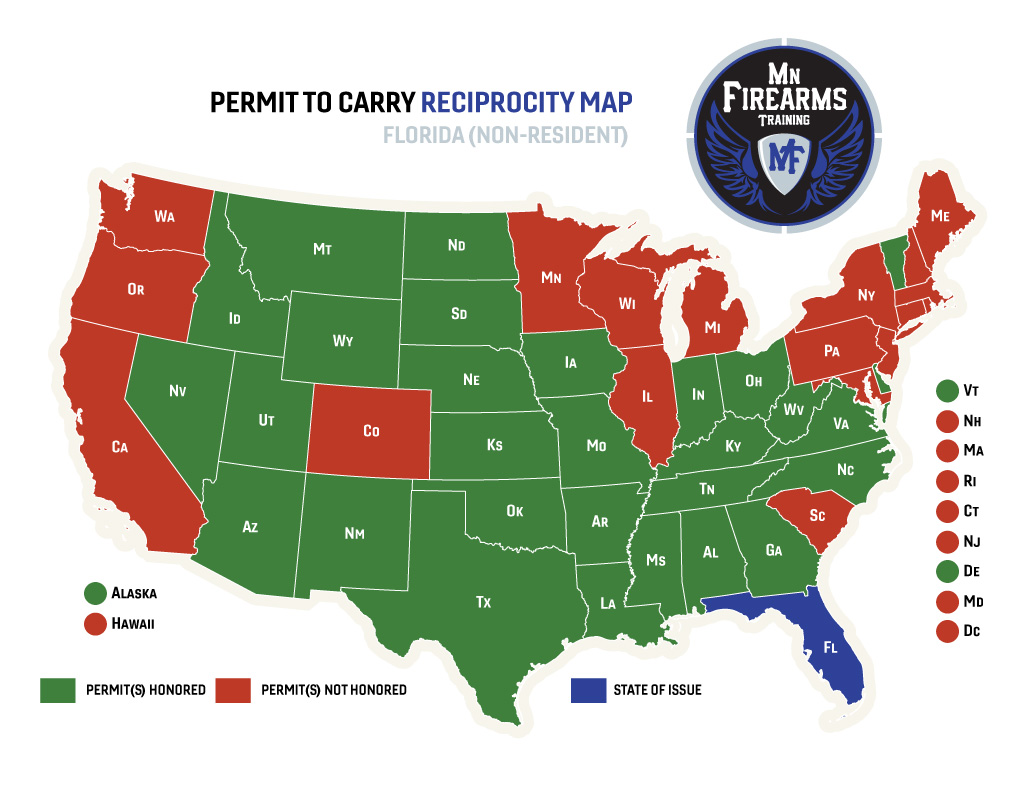
One of the significant advantages for Florida CWP holders who travel frequently is the concept of reciprocity. Florida has reciprocity agreements or unilateral recognition with many other states, meaning your Florida CWP may be recognized as valid in those states, allowing you to carry concealed there under their laws. Conversely, Florida also recognizes permits from many other states.
This is particularly important for individuals who engage in cross-state travel, perhaps driving from Florida to Georgia for a family visit or flying to Texas for business. Before traveling to another state, always research that state’s specific firearm laws and reciprocity agreements with Florida. Laws vary widely, and what is legal in Florida may not be legal elsewhere. Websites like the FDACS site or legal resources dedicated to firearm laws provide up-to-date reciprocity maps and information.
Renewing Your Permit
A Florida CWP is valid for seven years. Before your permit expires, you will receive a renewal notice from FDACS. The renewal process is generally simpler than the initial application and usually involves:
- Completing a renewal application form.
- Submitting a new passport-style photograph.
- Paying a renewal fee.
- A new background check is conducted.
No additional training is typically required for renewal, assuming your permit has not lapsed for an extended period. Staying aware of your permit’s expiration date and initiating the renewal process in a timely manner ensures continuous legal concealed carry.
Important Considerations for Permit Holders in Florida
Beyond the legalities of obtaining and carrying a permit, there are broader responsibilities and considerations that every CWP holder in Florida should embrace. These elements contribute to safe firearm ownership and public trust.
Legal Responsibilities and Use of Force
Holding a CWP means you are entrusted with the serious responsibility of understanding and abiding by Florida’s laws regarding the use of force. Florida is a “Stand Your Ground” state, meaning there is no duty to retreat from a place where you have a legal right to be before using deadly force if you reasonably believe it is necessary to prevent death or great bodily harm to yourself or another. However, the legal threshold for using deadly force is high, and any use of a firearm must be justifiable under the law. It is highly recommended that permit holders educate themselves thoroughly on Florida’s self-defense laws, potentially by taking advanced legal courses specifically for CWP holders.
Safe Storage of Firearms
Responsible firearm ownership extends to safe storage practices, especially critical in a state like Florida where many people live with families or host guests. When not carrying, firearms should be securely stored to prevent unauthorized access, particularly by children or individuals prohibited from possessing firearms. This is paramount in one’s home, but also relevant when traveling and staying in different accommodations, such as an apartment rental in Vero Beach or a villa near Everglades National Park. Using gun safes, trigger locks, or other secure storage solutions is not just a recommendation but a vital aspect of preventing accidents and theft.
Staying Informed About Legal Changes
Firearm laws are subject to change, both at the state and federal levels. Responsible CWP holders make it a point to stay informed about any legislative updates or judicial rulings that might impact their rights and responsibilities. Subscribing to alerts from FDACS, reputable firearm rights organizations, or legal news sources can help ensure you are always compliant with current law. This continuous education is part of the lifestyle of a responsible gun owner.
Responsible Travel with Firearms
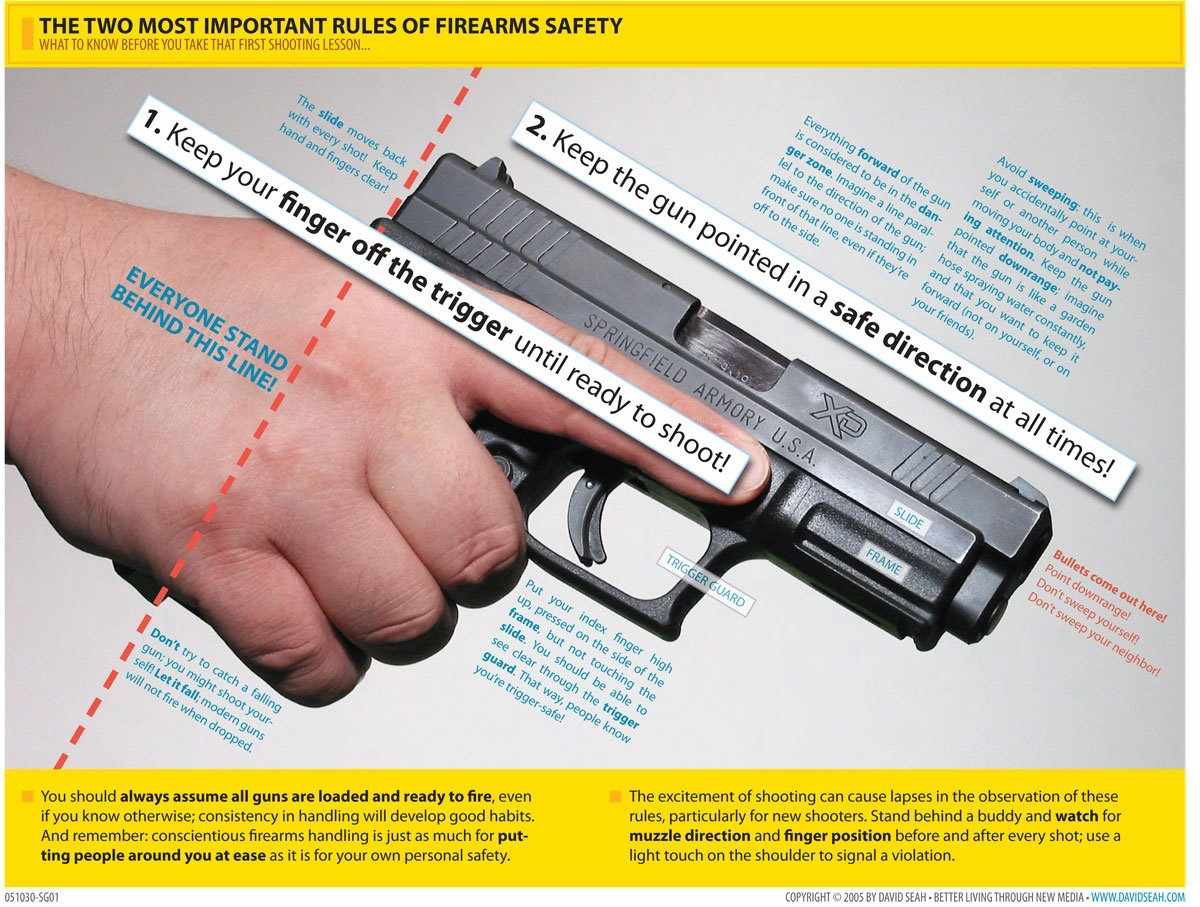
For those whose lifestyle involves frequent travel, understanding the nuances of traveling with firearms, even when not carrying them concealed, is essential. When transporting firearms by vehicle, they generally must be securely encased and not readily accessible. For air travel, specific federal regulations apply, requiring firearms to be declared, unloaded, and placed in a locked, hard-sided container as checked luggage. These rules apply whether you’re flying from Miami to New York or from Tampa to California. Always check airline policies and TSA regulations before travel. Even visiting remote natural sites like Dry Tortugas National Park requires adherence to specific federal regulations regarding firearms within national parks.
In conclusion, obtaining a Concealed Weapons Permit in Florida is a structured process designed to ensure responsible firearm ownership. While the Sunshine State offers an abundance of attractions, from the vibrant coral reefs off Sanibel Island to the historic walls of the Castillo de San Marcos, the decision to carry a concealed weapon is a deeply personal one, rooted in considerations of personal safety and lifestyle. By understanding and meticulously following the eligibility requirements, navigating the application process diligently, and, most importantly, upholding the significant legal and ethical responsibilities that come with a CWP, individuals can confidently and lawfully exercise their right to self-defense within the beautiful and diverse landscape of Florida.
LifeOutOfTheBox is a participant in the Amazon Services LLC Associates Program, an affiliate advertising program designed to provide a means for sites to earn advertising fees by advertising and linking to Amazon.com. Amazon, the Amazon logo, AmazonSupply, and the AmazonSupply logo are trademarks of Amazon.com, Inc. or its affiliates. As an Amazon Associate we earn affiliate commissions from qualifying purchases.