
The question “How Many People Live In The California?” immediately sparks curiosity about the most populous state in the United States. While often referred to simply as California, this vibrant and diverse region is a global powerhouse, not just in terms of its economy and cultural influence, but also in the sheer number of people who call it home. With a population that hovers around the 39-40 million mark, California stands as a testament to human migration, innovation, and a desire for a unique lifestyle. This massive population profoundly impacts everything from its bustling cities and serene natural landmarks to its dynamic tourism industry and the very fabric of daily life.
Understanding the demographic landscape of California is essential for anyone looking to travel, invest, or simply appreciate the complexities of one of the world’s most attractive destinations. Its vastness means a rich tapestry of experiences awaits, from the sun-drenched beaches of Southern California to the majestic forests of the north, all shaped by the millions who inhabit these diverse environments.
Understanding California’s Vast Population
California’s population size is not just a statistic; it’s a living, breathing entity that dictates the pace, culture, and opportunities available across the state. Consistently the most populous state in the United States, its demographic trends are closely watched indicators of broader societal shifts, economic health, and evolving lifestyles.
Current Population Snapshot
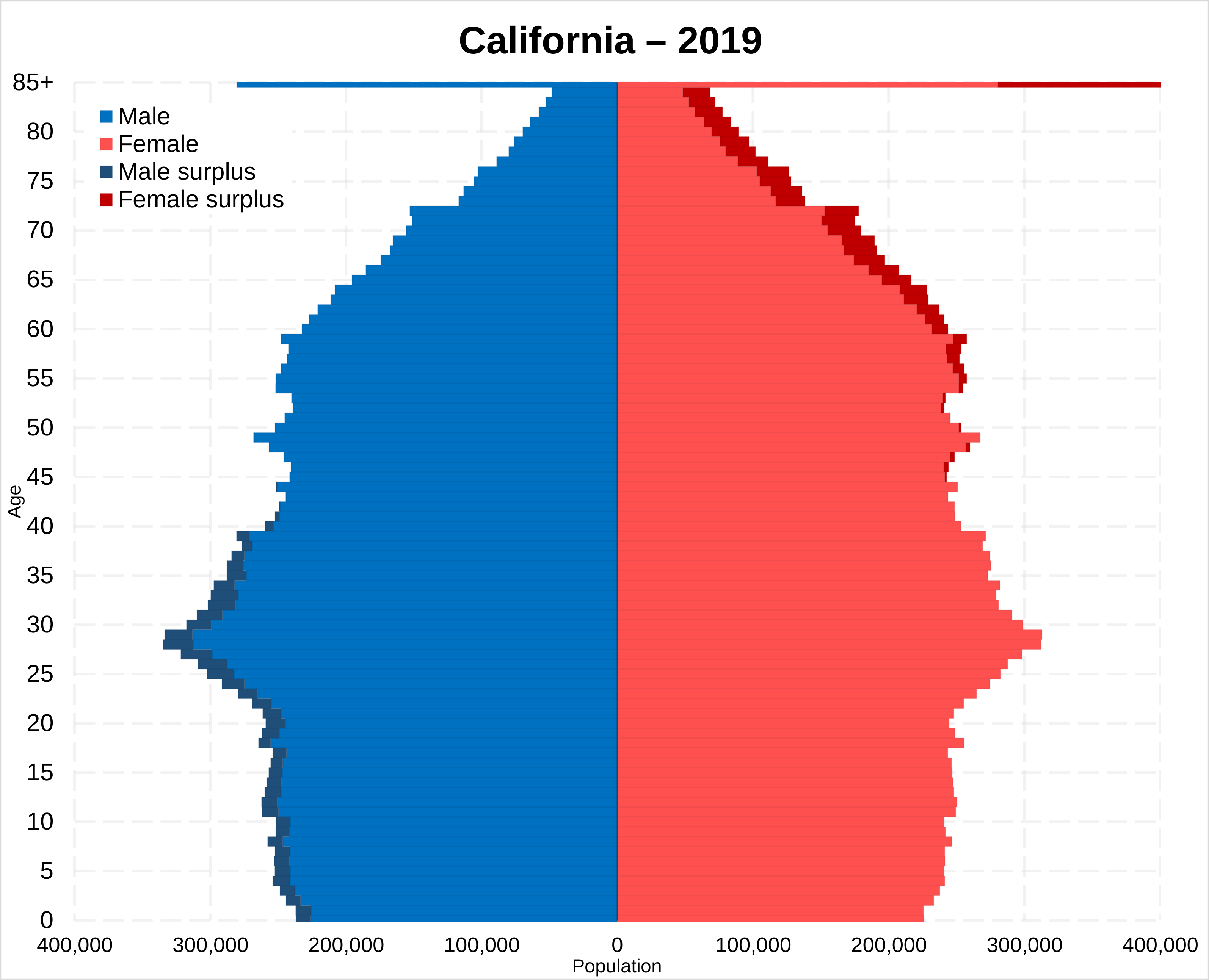
As of recent estimates, California is home to approximately 39 to 40 million people. To put this into perspective, if California were an independent country, it would rank among the top 35 most populous nations globally, surpassing many well-known countries in terms of population size. This immense number is not static; it’s a constantly shifting figure influenced by births, deaths, and, perhaps most significantly, migration. Historically, California has been a magnet for people from all corners of the globe, drawn by its economic opportunities, innovation hubs like Silicon Valley, educational institutions, and the allure of its celebrated lifestyle.
While the state has recently experienced some shifts in migration patterns, with some residents moving to neighboring states, the overall population remains robust. Major urban centers like Los Angeles, San Francisco, and San Diego continue to be densely populated areas, acting as economic and cultural engines for the state. Even the capital city, Sacramento, and the expansive Central Valley, contribute significantly to the overall population, hosting diverse communities and agricultural powerhouses.
Demographic Diversity and Its Cultural Impact
One of California’s most defining characteristics is its incredible demographic diversity. It is often referred to as a “majority-minority” state, meaning no single ethnic group constitutes a majority of the population. The state boasts large Latino, Asian, African American, and European populations, among many other groups. This rich blend of cultures is not merely a statistical fact but a foundational element of California’s identity.
This diversity manifests in countless ways:
- Cuisine: From authentic Mexican street food in Los Angeles to vibrant Chinese dim sum in San Francisco’s Chinatown, the culinary scene is a global gastronomic adventure.
- Festivals and Events: Throughout the year, communities celebrate their heritage with festivals, parades, and cultural events that showcase traditional music, dance, and art.
- Languages: While English is predominant, it’s common to hear Spanish, Mandarin, Tagalog, Vietnamese, and many other languages spoken in various neighborhoods and cities.
- Arts and Entertainment: The creative industries thrive on this diversity, producing a wide array of content that reflects the multifaceted experiences of its residents.
This multiculturalism not only enriches the daily lives of residents but also significantly enhances the travel experience for visitors. It offers a chance to explore a mosaic of global cultures without ever leaving the state, making California a unique destination for cultural tourism and immersive experiences.
The Interplay of Population and Tourism in the Golden State
The sheer volume of people living in California, coupled with its magnetic appeal to visitors, creates a dynamic and complex relationship between its residents and its thriving tourism sector. This interplay shapes everything from the development of new attractions to the evolution of its accommodation options and the very experiences visitors seek.
Popular Destinations Shaped by Resident and Visitor Numbers
California’s high population density in certain areas means that many of its most iconic attractions cater to both locals seeking leisure and tourists eager to explore. Cities like Los Angeles, with its population exceeding 3.8 million, and San Francisco, home to over 800,000, are prime examples.
- Los Angeles: A global entertainment hub, Los Angeles offers attractions like Universal Studios Hollywood, the Hollywood Walk of Fame, and the Santa Monica Pier. These sites are not only major draws for international tourists but also popular weekend getaways for Southern California residents. The city’s vast population supports a vibrant restaurant scene, diverse cultural institutions like the Getty Center, and an endless array of shopping districts, from luxury boutiques in Beverly Hills to eclectic markets downtown.
- San Francisco: Famous for the Golden Gate Bridge, Alcatraz Island, and its distinct neighborhoods, San Francisco balances its role as a global technology hub with its enduring appeal as a tourist destination. The city’s compact size and diverse population ensure that its unique character, from the historic cable cars to the bustling Ferry Building Marketplace, remains authentically Californian while welcoming millions of visitors annually.
- San Diego: Further south, San Diego offers a more laid-back vibe, with attractions like Balboa Park, the San Diego Zoo, and its beautiful beaches. Its proximity to the Mexico border also imbues it with a rich bicultural flavor that draws both domestic and international visitors.
- Natural Wonders: Beyond the urban centers, California’s natural landmarks, such as Yosemite National Park, Lake Tahoe, and Big Sur, are cherished by both residents and tourists. The demand from millions of locals seeking outdoor recreation contributes to the robust infrastructure of these parks and wilderness areas, from hiking trails to visitor centers, ensuring they are well-maintained for all.
The sustained interest from its vast internal population and external visitors means that California continuously innovates its tourism offerings, developing new experiences and preserving its timeless attractions.
Accommodation Trends Driven by Population Density and Tourist Demand

With millions of residents and a constant influx of tourists, California’s accommodation sector is incredibly dynamic and diverse. The high population density in metropolitan areas, combined with robust tourism, fuels a competitive market that offers a wide spectrum of lodging options.
- Luxury and Resorts: In affluent areas like Beverly Hills, Palm Springs, and Napa Valley, luxury hotels and resorts cater to high-end travelers and residents seeking opulent stays or weekend escapes. Brands like Four Seasons or Ritz-Carlton are commonplace, offering exquisite suites, world-class amenities, and impeccable service.
- Boutique Hotels: In cities like San Francisco and Los Angeles, boutique hotels flourish, providing unique experiences with distinct designs, local character, and personalized service, often favored by those looking for an authentic immersion into the local culture.
- Budget-Friendly Options: For travelers on a tighter budget, particularly in major cities, a plethora of hostels, motels, and mid-range hotels offer comfortable yet affordable accommodation. The presence of a large working population also means that extended-stay options and serviced apartments are increasingly popular for business travelers or those seeking long-term stays.
- Vacation Rentals: The rise of platforms like Airbnb has been particularly significant in California, with many residents renting out spare rooms or entire homes. This caters to both tourists seeking a local experience and residents looking for flexible accommodation options within the state, such as during festivals or family visits.
- Camping and Glamping: For those exploring California’s natural wonders, from Yosemite to the Redwood National Park, camping and glamping sites are abundant, offering everything from rustic tent sites to luxurious canvas lodges.
The robust demand, driven by millions of residents traveling within their own state and millions more visiting from abroad, means that accommodation providers must constantly adapt, innovate, and provide excellent booking experiences, reviews, and competitive pricing.
Lifestyle and Infrastructure: Catering to Millions
Living in California means navigating a vast state with incredible diversity in landscapes, economies, and social norms. The infrastructure and lifestyle options available are directly influenced by the need to cater to its nearly 40 million residents and the millions more who visit annually.
Urban Centers and Their Appeal
California’s population is heavily concentrated in its major urban centers, each boasting a distinct character and appeal:
- Los Angeles Metro Area: This sprawling metropolis, encompassing Orange County and parts of the Inland Empire, is a global hub for entertainment, technology, fashion, and international trade. Its appeal lies in its diverse job market, world-class dining, vibrant arts scene, and proximity to beaches and mountains. Lifestyle options range from the luxurious, high-end living of Malibu and Santa Monica to the bohemian enclaves of Venice Beach and the family-friendly suburbs further out.
- San Francisco Bay Area: Home to Silicon Valley, this region is a magnet for innovation, tech professionals, and entrepreneurs. The lifestyle here is fast-paced, highly educated, and culturally rich, with a strong emphasis on sustainability and outdoor activities. Beyond the tech scene, the Bay Area offers exquisite dining, world-class museums, and easy access to Napa Valley wine country and the Pacific Ocean.
- San Diego: Known for its military presence, biotech industry, and relaxed coastal lifestyle, San Diego offers a more relaxed pace than its northern counterparts. It’s a prime destination for family trips, with attractions like Disneyland Resort a short drive away, beautiful beaches, and a thriving craft beer scene.
- Sacramento: As the state capital, Sacramento combines government, history, and a burgeoning farm-to-fork culinary movement. It offers a more affordable cost of living compared to coastal cities and serves as a gateway to the Sierra Nevada mountains and Lake Tahoe.
These urban centers are linked by extensive, though often congested, transportation networks, reflecting the enormous number of commuters and travelers. The sheer volume of people necessitates continuous investment in public transit, road infrastructure, and airports like Los Angeles International Airport (LAX) and San Francisco International Airport (SFO), which are crucial for both residents and the tourism industry.
Natural Landmarks and Conservation Challenges
Despite its urban sprawl, a significant portion of California is dedicated to preserving its stunning natural beauty. From the deserts of Death Valley National Park to the towering trees of Redwood National Park, these landmarks are integral to the Californian identity and draw millions of eco-tourists and adventurers. However, the high population density and popularity of these sites present unique conservation challenges.
- Environmental Impact: The sheer number of visitors and residents engaging in outdoor activities puts pressure on ecosystems, leading to concerns about waste management, trail erosion, and wildlife disturbance.
- Resource Management: California’s large population also places immense demand on natural resources, particularly water, given the state’s frequent droughts. Managing these resources sustainably is a constant challenge that affects both urban and rural areas.
- Access and Crowding: Popular spots like Yosemite Valley can experience significant crowding, especially during peak seasons. This has led to innovative management strategies, such as reservation systems, to protect the natural experience while allowing access to as many people as possible.
- Recreational Lifestyles: For many Californians, outdoor recreation is a way of life. Skiing in Mammoth Lakes, surfing along the Pacific Coast Highway, hiking in the Sierra Nevada, or exploring Catalina Island are common weekend activities. This high engagement from residents further underscores the importance of maintaining and protecting these natural treasures for future generations.
The balance between providing access for millions to enjoy these landscapes and ensuring their long-term preservation is a delicate act, continually influenced by population pressures and evolving environmental policies.

Future Outlook: Growth, Challenges, and Opportunities
Looking ahead, California’s population trends will continue to shape its future. While there has been some recent net outward migration, driven by factors like housing costs and remote work opportunities, California remains a global leader in innovation and culture. Its magnetic appeal, particularly for diverse communities and those seeking cutting-edge opportunities, ensures a continued, albeit perhaps slower, evolution in its population dynamics.
Challenges such as housing affordability, traffic congestion, and resource management will persist and require innovative solutions. However, these challenges are often met with the resilience and ingenuity characteristic of the state. The vibrant cultural scene, world-class educational institutions, and unparalleled natural beauty will continue to draw people from all walks of life, sustaining its diverse population.
For the tourism industry, the large resident population provides a robust base for domestic travel, while the state’s global appeal ensures a steady stream of international visitors. This creates opportunities for new hotel developments, unique travel experiences, and continued growth in the hospitality sector. Whether it’s discovering a new boutique hotel in Downtown Los Angeles, embarking on a gourmet food tour in Oakland, or finding a secluded villa for a long-term stay near Lake Shasta, the possibilities are endless.
In essence, the “Golden State” will likely remain a land of opportunity and immense diversity, its future population trajectory inextricably linked to its enduring allure as a place to live, work, and explore.
In Conclusion
So, how many people live in California? Approximately 39-40 million, a figure that makes it a demographic giant on both national and global scales. This immense population is not merely a number; it is the heartbeat of the state, defining its vibrant culture, fueling its innovative economy, and shaping the experiences available to both residents and millions of annual visitors. From the bustling streets of Los Angeles to the serene landscapes of Yosemite National Park, every aspect of life, travel, and tourism in California is intrinsically linked to its diverse and dynamic populace. The future of California will undoubtedly continue to be written by the millions who choose to call this extraordinary state home.
LifeOutOfTheBox is a participant in the Amazon Services LLC Associates Program, an affiliate advertising program designed to provide a means for sites to earn advertising fees by advertising and linking to Amazon.com. Amazon, the Amazon logo, AmazonSupply, and the AmazonSupply logo are trademarks of Amazon.com, Inc. or its affiliates. As an Amazon Associate we earn affiliate commissions from qualifying purchases.