
Understanding the rhythm of the academic year in California is essential for much more than just school children and their parents; it’s a vital piece of information for anyone planning to visit the Golden State, seeking long-term accommodation, or simply navigating the ebbs and flows of local tourism and lifestyle. California’s diverse landscape, from sun-drenched beaches to snow-capped mountains and bustling cities, beckons travelers year-round. However, the timing of school breaks significantly impacts everything from crowd levels at popular attractions to the availability and pricing of hotels and resorts. For families considering a move, a long-term stay, or even just an extended vacation, knowing the school calendar is paramount to planning successful and stress-free family trips.
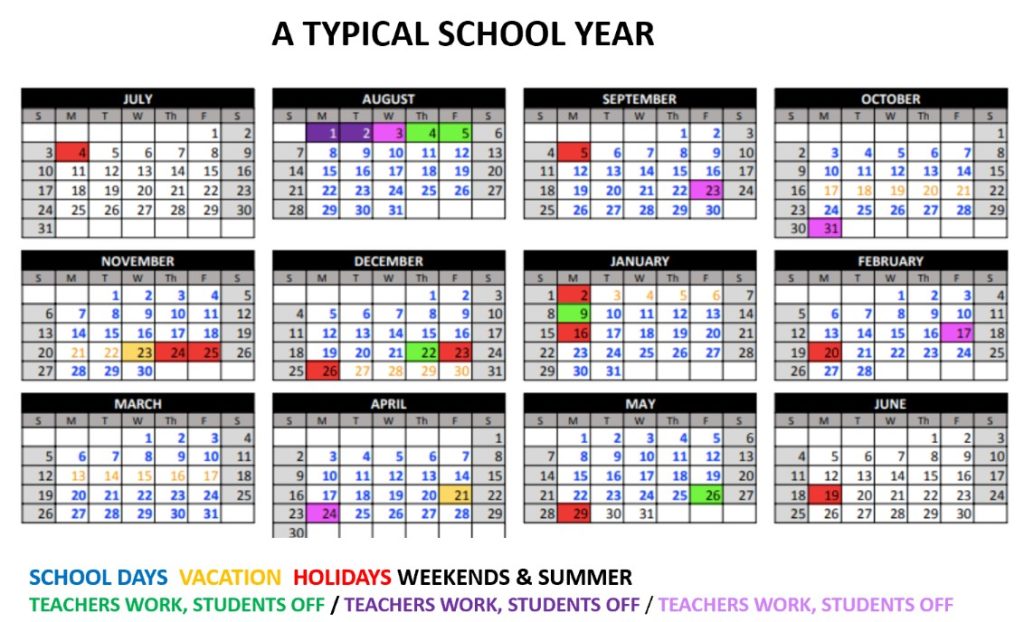
This comprehensive guide delves into the standard length of a school year in California, explores the variations that exist, and most importantly, provides insights into how these academic schedules intersect with the vibrant travel and tourism opportunities across the state. Whether you’re aiming to visit Disneyland Resort during off-peak times, secure a villa in Napa Valley for a quieter getaway, or explore the majestic Yosemite National Park without the summer crowds, understanding the school year calendar is your first step towards an optimized California experience.
Understanding the Standard California School Calendar
At its core, the California education system mandates a certain number of instructional days, which forms the backbone of its school year. This baseline provides a general framework, but regional and district-specific variations mean that the exact start and end dates, as well as the length of breaks, can differ. Navigating these nuances is key for both residents and visitors alike, especially when planning travel or considering accommodation options.
The 180-Day Rule: A Baseline for Planning
The vast majority of public school districts in California adhere to a 180-day instructional calendar. This means that students receive 180 days of classroom instruction, excluding weekends and designated holidays. When you translate 180 instructional days into weeks, it typically equates to approximately 36 weeks. This standard 36-week schedule generally runs from late August or early September to late May or early June. For example, a common academic year might begin in the last week of August and conclude in the first week of June. This traditional structure ensures consistency in educational delivery across much of the state, from the bustling urban centers like Los Angeles and San Francisco to the more rural communities.
For families planning their annual vacation, the 36-week school year dictates a predictable rhythm. The long summer break, usually spanning 10 to 12 weeks, is the most significant period of freedom, followed by shorter but equally impactful breaks in winter and spring. This predictability allows for strategic planning, whether it’s booking a hotel near Universal Studios Hollywood months in advance or securing a rental apartment in San Diego for an extended family visit. Understanding this fundamental 180-day/36-week structure is the first step in unlocking the full potential of California’s travel and lifestyle offerings.
Beyond the Traditional: Year-Round and Trimester Systems
While the 180-day, 36-week calendar is prevalent, California is a large and diverse state, and some school districts have adopted alternative calendars to address various educational and community needs. The most notable variations include year-round schedules and, less commonly, trimester systems.
Year-round schools still meet the 180-day instructional requirement, but they distribute these days differently, often with shorter academic periods interspersed with more frequent, shorter breaks. Instead of one long summer break, students might have several “intercession” periods throughout the year, typically lasting a few weeks each. This model is often implemented to prevent learning loss over long summers, utilize school facilities more efficiently, or manage student populations in growing districts. For travelers, particularly those seeking to avoid peak season crowds and prices, identifying districts on a year-round schedule can be a game-changer. These shorter, more frequent breaks offer unique opportunities for off-peak travel, allowing families to experience popular California attractions like Griffith Observatory or the Monterey Bay Aquarium with fewer crowds and potentially better hotel deals.
Trimester systems, while less common, divide the academic year into three terms, each with its own instructional block and break periods. This can also lead to different holiday schedules compared to the traditional semester system. For families planning long-term stays or extended tourism activities, it’s crucial to verify the specific school calendar of the district they are interested in. Websites of individual school districts in cities like Sacramento or those within Orange County are the best resources for precise calendar dates. Understanding these variations empowers families to find optimal times for exploring California’s diverse regions, whether it’s a ski trip to Mammoth Lakes during a mid-winter intercession or a coastal retreat to Carmel-by-the-Sea during an unexpected spring break.
Navigating California’s School Breaks: Prime Time for Travel and Tourism
The rhythm of the California school year, punctuated by distinct breaks, creates predictable patterns in travel demand and tourism. These periods transform the state, ushering in waves of visitors to landmarks, attractions, and resorts. Understanding these peak and off-peak times is crucial for anyone looking to maximize their experience, whether they are California residents planning a local getaway or international visitors scheduling their dream trip.
Summer Vacation: The Grand Escape
The summer break stands as the longest and most anticipated respite from the academic calendar, typically spanning 10 to 12 weeks from early June to late August. This extended period marks the absolute peak season for tourism across California. Families flock to iconic destinations such as Disneyland Park and Disney California Adventure Park in Anaheim, Universal Studios Hollywood in Los Angeles, and SeaWorld San Diego. Coastal towns like Santa Monica, La Jolla, and those along the Pacific Coast Highway become bustling hubs for beachgoers. National parks like Yosemite National Park and Redwood National Park see increased visitation, with campgrounds and lodges booking up months in advance.
The high demand during summer naturally leads to higher prices for flights, hotels, and various accommodations, from luxury resorts in Beverly Hills to charming boutique hotels in San Francisco. Crowds are significantly larger, and popular attractions often have longer wait times. For travelers, this means early planning and booking are not just recommended, but essential. Exploring lesser-known gems or booking tours and experiences well in advance can help mitigate the peak season rush. Despite the challenges, summer offers the best weather for exploring much of the state, especially the cooler coastal areas and mountainous regions, making it an irresistible time for many family trips and adventure getaways.
Winter Break: Festive Frolics and Snow Getaways
The winter break, typically lasting two to three weeks around Christmas and New Year’s, offers a magical, albeit busy, window for travel. This period transforms California into a festive wonderland, drawing visitors to celebrate the holidays in various settings. Ski resorts in the Sierra Nevada mountains, such as those around Lake Tahoe and Mammoth Lakes, experience their busiest season, with demand for ski rentals, lessons, and lodging skyrocketing. Booking resorts and cabins here requires foresight, often as early as six months in advance.
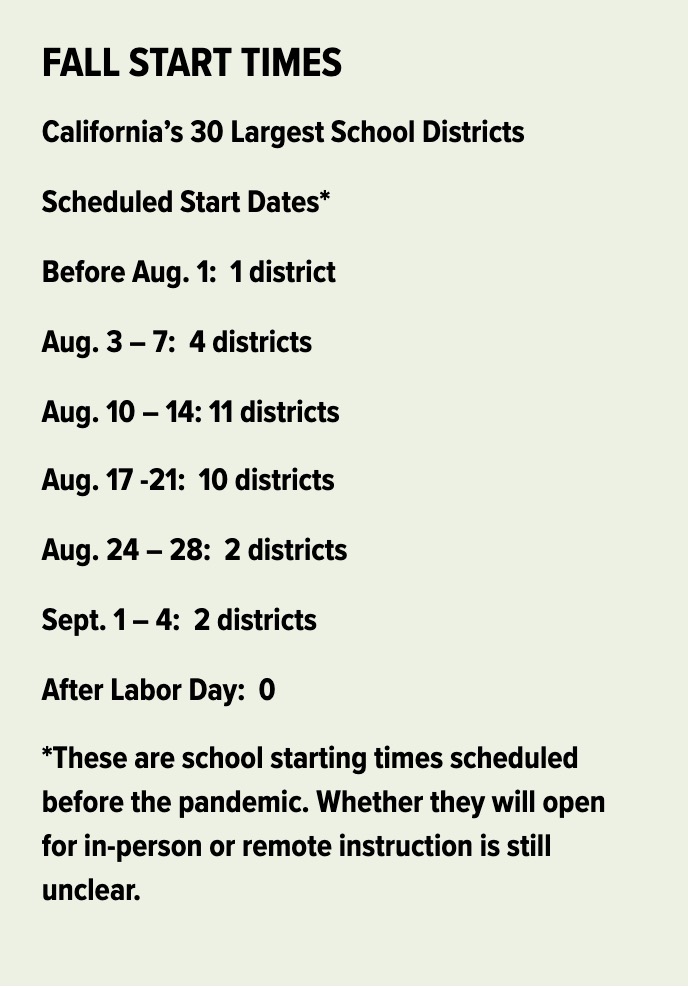
Concurrently, major cities like Los Angeles and San Francisco come alive with holiday decorations, events, and shopping opportunities. Theme parks like Disneyland Resort transform with special festive overlays, attracting massive crowds despite the cooler weather. For those seeking warmer climes, Palm Springs offers a luxurious desert escape, while San Diego maintains its mild temperatures, perfect for exploring Balboa Park or the Gaslamp Quarter. While pricing for hotels and flights is elevated during this peak holiday travel time, the unique festive atmosphere and diverse activity options make it a beloved period for family trips and memorable getaways.
Spring Break: A Refreshing Respite
Spring break, typically a one-week period in March or April, provides a much-needed refresh before the final push of the academic year. While shorter than summer or winter break, it’s a popular time for quick getaways and creates distinct surges in tourism in certain areas. Coastal destinations, particularly in Southern California, become magnets for families and college students alike. San Diego, with its vibrant beaches and attractions like the San Diego Zoo, sees a significant influx of visitors. Iconic theme parks such as Knott’s Berry Farm and Six Flags Magic Mountain also experience elevated attendance.
Beyond the traditional hotspots, spring break is an excellent time to explore California’s natural beauty before the intense summer heat. The desert wildflowers in areas near Death Valley National Park or Joshua Tree National Park can be breathtaking, and the mild weather makes hiking and outdoor activities highly enjoyable. Wine Country (Napa Valley and Sonoma) also offers a picturesque escape, with vineyards budding and fewer crowds than in the fall harvest season. While popular destinations can still experience higher demand for hotels and accommodation, spring break often presents more opportunities for finding value compared to the intense summer or winter holiday periods, especially if planning involves destinations beyond the most crowded beach towns.
Shorter Breaks and National Holidays: Maximizing Mini-Adventures
Beyond the major breaks, the California school calendar includes several long weekends tied to national holidays. These three-day or four-day breaks, such as those for Presidents’ Day in February, Veterans Day in November, and the extended Thanksgiving holiday, offer perfect opportunities for shorter, localized getaways or exploring nearby landmarks. While less impactful on statewide tourism than the longer breaks, these mini-vacations can lead to localized surges in demand, especially for popular weekend destinations.
For instance, a long weekend might be ideal for a road trip along Big Sur, a visit to Catalina Island, or a cultural immersion in San Francisco’s Chinatown or Fisherman’s Wharf, perhaps even taking a tour of Alcatraz Island. Families might opt for a quick trip to a regional theme park or a staycation at a local resort. These shorter breaks are excellent for discovering California’s diverse offerings without committing to a longer journey. Planning involves similar considerations as the longer breaks, though on a smaller scale: booking hotels and popular activities in advance, especially in sought-after areas, can help avoid disappointment. Embracing these mini-adventures is a fantastic way to experience more of California’s rich lifestyle and attractions throughout the year.
Strategic Travel Planning Around the California School Calendar
For those looking to explore California, whether as residents planning family trips or visitors from afar, aligning travel plans with the school calendar is a strategic move. This approach can lead to more enjoyable experiences, better value, and a deeper appreciation for the Golden State’s offerings. Smart planning transforms potential logistical headaches into seamless adventures, optimizing everything from accommodation bookings to attraction visits.
Beating the Crowds and Finding Value
One of the most significant advantages of understanding the California school calendar is the ability to plan travel during “shoulder seasons” or off-peak times. These periods typically occur in late August to September (after summer break but before winter holidays) and late April to May (after spring break but before summer). During these times, major attractions like Disneyland Resort or the Golden Gate Bridge still enjoy pleasant weather, but with significantly fewer crowds. This not only enhances the experience but also often translates into better pricing for hotels, flights, and other travel expenses.
Families with children on year-round school schedules have an inherent advantage in this strategy. Their more frequent, shorter breaks can be scheduled during these shoulder seasons, allowing them to experience popular destinations like the San Diego Zoo or the Santa Monica Pier with greater ease and affordability. For traditional calendar families, leveraging the first week or two after school resumes in September, or the week right before it ends in May, can offer a glimpse into these quieter periods. Seeking out hotel deals or packages during these less conventional travel windows is a smart way to maximize budgets and minimize stress, making luxury resorts and exclusive villas more accessible.
Family-Friendly California Destinations for Every Break
California’s vastness means there’s a perfect destination for every school break. For the long summer vacation, coastal getaways to places like Coronado or a visit to the theme parks in Southern California are perennial favorites. National parks like Yosemite National Park truly shine in summer, offering hiking and outdoor adventures.
Winter break often calls for snow. Lake Tahoe and Mammoth Lakes provide world-class ski resorts and cozy cabins. Alternatively, cities like Los Angeles with its Hollywood fame and Walk of Fame, or San Francisco with Pier 39 and vibrant city life, offer festive holiday experiences. Spring break is ideal for exploring the desert bloom near Palm Springs or embarking on a cultural tour through San Jose. For a shorter national holiday weekend, consider a relaxed trip to Santa Barbara, known for its beaches and charming downtown, or a visit to the burgeoning Wine Country of Temecula Valley. Each break offers a unique opportunity to immerse your family in a different facet of California’s incredible diversity, from urban exploration to wilderness adventures.
Long-Term Stays and Educational Tourism
For families with greater flexibility or those considering an extended stay in California, aligning with the school calendar can open doors to unique opportunities for both accommodation and educational tourism. During longer breaks like summer or even year-round intersessions, renting a fully-equipped apartment or a private villa can be a more economical and comfortable option than traditional hotels, especially for multi-week stays. Platforms specializing in long-term accommodation offer a range of choices, from Silicon Valley to coastal retreats.
Furthermore, these extended periods allow for richer educational tourism experiences. Instead of just a quick visit, families can truly delve into California’s history at Gold Rush sites, explore the state’s natural sciences at numerous museums, or engage in hands-on learning experiences at dedicated science centers. Incorporating a curriculum around travel – perhaps studying marine biology while visiting the Monterey Bay Aquarium or learning about geology in Death Valley National Park – transforms a simple vacation into a meaningful, educational adventure. This blend of travel, lifestyle, and learning is central to making the most of California’s unique offerings.
In conclusion, the question of “How Many Weeks Are In A School Year In California?” goes far beyond a simple numerical answer. It’s a gateway to understanding the rhythms of travel, tourism, and lifestyle within one of the world’s most desired destinations. By understanding the standard 36-week academic year and its variations, along with the distinct patterns of major school breaks, travelers and families can strategically plan their visits, secure optimal accommodation, and create unforgettable memories, whether they seek thrilling theme park adventures, serene natural escapes, or culturally rich urban explorations across the magnificent Golden State.
LifeOutOfTheBox is a participant in the Amazon Services LLC Associates Program, an affiliate advertising program designed to provide a means for sites to earn advertising fees by advertising and linking to Amazon.com. Amazon, the Amazon logo, AmazonSupply, and the AmazonSupply logo are trademarks of Amazon.com, Inc. or its affiliates. As an Amazon Associate we earn affiliate commissions from qualifying purchases.