
California, a state synonymous with innovation, natural beauty, and a vibrant lifestyle, is also a highly sought-after destination for professionals across various fields, including mental health. For therapists contemplating a move to the Golden State or those already practicing within its diverse landscapes, understanding the earning potential is crucial. Beyond the allure of sunny beaches, towering redwoods, and bustling cities like Los Angeles and San Francisco, the economic realities of living and working here play a significant role. This article delves into the salaries therapists can expect in California, exploring the multifaceted factors that influence income, and how these earnings can facilitate a rewarding lifestyle amidst the state’s unique offerings.
The demand for mental health services in California continues to rise, driven by increasing awareness, population growth, and evolving healthcare policies. This consistent demand positions therapy as a stable and impactful career path. However, the exact figures for a therapist’s salary are far from uniform, varying widely based on location, specialization, experience, and practice setting. For those envisioning a life that combines professional fulfillment with the rich experiences California offers – from exploring the iconic Golden Gate Bridge to indulging in the culinary delights of Napa Valley – a clear understanding of income potential is the first step towards planning that dream lifestyle.
The Earning Potential of Therapists in California
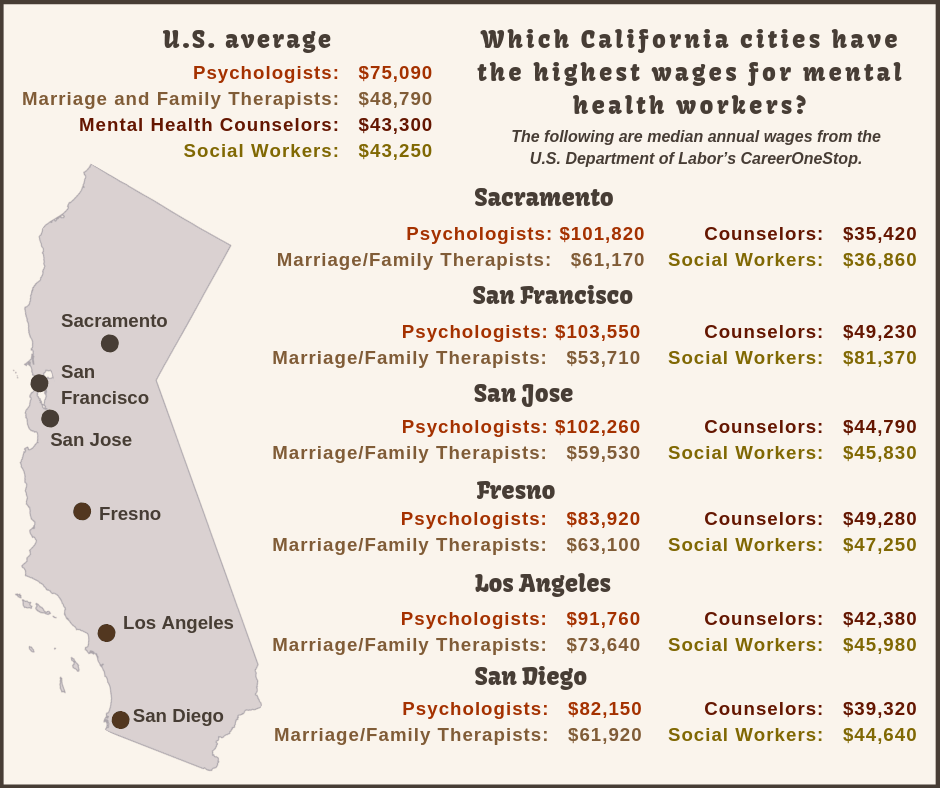
Therapists in California generally command higher salaries compared to the national average, a reflection of the state’s high cost of living and the robust demand for skilled mental health professionals. However, these figures are complex and influenced by a mosaic of factors.
Factors Influencing Therapist Salaries
The salary landscape for therapists is incredibly dynamic, with several key elements dictating how much one can expect to earn.
Location, Location, Location
Perhaps the most significant determinant of a therapist’s salary in California is their geographic location. Major metropolitan areas and affluent regions typically offer higher compensation due to the elevated cost of living and a greater capacity among clients to pay for services.
- San Francisco Bay Area and Silicon Valley: Cities like San Francisco, San Jose, and Palo Alto boast some of the highest therapist salaries. The presence of tech companies and a high-earning population drives demand for specialized services and allows for higher hourly rates. A therapist working in the Bay Area might find themselves earning significantly more than their counterpart in other parts of the state, though they will also contend with some of the nation’s most expensive housing.
- Southern California: Los Angeles and Orange County are other high-earning hubs. Areas like Beverly Hills, Santa Monica, and Malibu can offer premium rates, especially for those with specialized practices catering to higher-net-worth individuals. Even in bustling San Diego, a popular tourist destination, therapists can expect competitive wages.
- Central and Northern Inland Regions: In cities like Sacramento or those within the Central Valley, salaries tend to be more moderate. While still good, they reflect a lower cost of living and potentially a different client demographic.
- Coastal vs. Inland: Generally, therapists working along the California coast, from Santa Barbara to Monterey, will earn more than those in inland areas, mirroring the general economic disparities and tourism appeal of these regions.
Specialization and Expertise
The specific therapeutic modality or client population a therapist specializes in can significantly impact their income. Therapists with expertise in high-demand or niche areas often command higher fees.
- Cognitive Behavioral Therapy (CBT) and Dialectical Behavior Therapy (DBT): These evidence-based therapies are widely sought after, especially for treating anxiety, depression, and personality disorders.
- Trauma Therapy: Specialists in EMDR (Eye Movement Desensitization and Reprocessing) or other trauma-informed approaches are in high demand, particularly given the growing understanding of trauma’s widespread impact.
- Family Therapy and Couples Counseling: These areas often involve longer sessions or more complex dynamics, allowing for higher rates.
- Addiction Treatment, Eating Disorders, and Child/Adolescent Therapy: These specialized fields often require additional training and certifications, which can lead to increased earning potential.
- Sport Psychology, Executive Coaching, or Performance Psychology: Catering to specific populations can also provide a premium income, blending mental health support with high-performance demands.
Experience Level and Licensure
Naturally, experience plays a crucial role. Entry-level therapists, typically working under supervision while accruing hours for licensure, will earn less than fully licensed professionals. Once licensed, income tends to increase incrementally with years of experience and reputation building. The type of license also matters:
- Licensed Marriage and Family Therapist (LMFT): Often a very common license in California, particularly for those focusing on relational dynamics.
- Licensed Professional Clinical Counselor (LPCC): Another popular license, with a broad scope for individual and group counseling.
- Licensed Clinical Social Worker (LCSW): These professionals often work in diverse settings, including healthcare systems, schools, and private practice, bringing a systemic perspective.
- Psychologists (Ph.D./Psy.D.): With doctoral degrees, psychologists often earn the highest salaries, particularly those in assessment roles or specialized clinical practices.
Practice Setting
Where a therapist chooses to work significantly impacts their income and lifestyle flexibility.
- Private Practice: This setting typically offers the highest earning potential per hour, as therapists set their own rates and manage their client load. However, it also comes with the responsibilities of running a business, including marketing, billing, and administrative tasks. The flexibility of private practice allows therapists to design a schedule that supports their desired California lifestyle, perhaps leaving time for a hike in Yosemite or a weekend trip to Lake Tahoe.
- Community Mental Health Centers: While providing vital services, these settings often pay lower salaries than private practice, though they may offer benefits packages and loan forgiveness programs.
- Hospitals and Healthcare Systems: Salaries here are generally competitive and come with comprehensive benefits.
- Schools and Universities: Therapists in educational settings usually follow academic calendars and have more predictable schedules, though salaries might be slightly lower than in private practice.
- Telehealth Platforms: The rise of telehealth has expanded opportunities for therapists to reach clients across California, sometimes allowing for greater flexibility and the ability to work from virtually any location within the state, whether it’s an apartment in San Diego or a quiet cabin near Big Sur.

Understanding the Cost of Living and Lifestyle in California
While therapist salaries in California are attractive, they must be viewed through the lens of the state’s notoriously high cost of living. A substantial income in California might equate to a more moderate lifestyle than a similar income in less expensive states.
Navigating California’s Diverse Regions
The cost of accommodation, whether it’s rent for a stylish apartment or the mortgage on a family home, is often the largest expenditure.
- Urban Centers: In places like San Francisco, Los Angeles, and San Jose, housing costs can consume a significant portion of a therapist’s income. A therapist earning $100,000 in San Francisco might feel financially similar to one earning $60,000 in a more affordable state. However, the availability of high-paying clients and robust professional networks in these cities can offset some of these challenges.
- Mid-Sized Cities and Suburbs: Areas like Sacramento, Anaheim, or even inland parts of Orange County offer a more balanced cost-of-living-to-salary ratio, allowing for a comfortable lifestyle. Here, a therapist might find a charming home or an apartment with desirable amenities, giving them more disposable income to enjoy local attractions like Disneyland or weekend getaways.
- Rural and Less Populous Areas: While salaries may be lower in the Central Valley or the Sierra Nevada foothills, the dramatically lower housing costs can mean a higher quality of life and greater financial freedom. A therapist choosing to practice in a less bustling area might enjoy a spacious home, access to nature, and the ability to travel frequently.
Beyond housing, the California lifestyle itself comes with certain costs, but also immense rewards. The ability to enjoy world-class dining, attend concerts in Hollywood, explore stunning national parks like Joshua Tree National Park or Sequoia National Park, or simply relax on the beaches of Laguna Beach adds intangible value. Therapists with higher earnings can more readily indulge in luxury travel, stay at exquisite hotels, and engage in diverse tourism experiences.
The Work-Life Balance and Its Perks
For many therapists, California’s appeal lies not just in its earning potential but also in the opportunity for a fulfilling work-life balance. Those in private practice, especially, have the flexibility to design their schedules, allowing time for personal pursuits and exploration. This could mean:
- Mid-week adventures: A morning surf session before seeing clients, or an afternoon hike in the Santa Cruz mountains.
- Extended weekends: Taking three-day weekends to visit Catalina Island, experience wine tasting in the Temecula Valley, or explore the historic missions along the Pacific Coast Highway.
- Luxury accommodations: A therapist earning a strong income might choose to celebrate milestones with a stay at a boutique hotel in Carmel-by-the-Sea or a wellness retreat in Palm Springs. These experiences, often associated with lifestyle and travel blogs, become achievable rewards for dedicated professionals.
The state’s emphasis on wellness and outdoor activities aligns well with the values of many mental health professionals. The ability to integrate work with a lifestyle that prioritizes health, nature, and cultural enrichment is a significant draw, often justifying the higher cost of living for those who value these elements.
Maximizing Earning Potential and Lifestyle as a Therapist in California
For therapists aiming to thrive financially and personally in California, strategic planning is key.
Strategies for Financial Growth
Several approaches can help therapists maximize their income:
- Specializing and Niche Marketing: Developing expertise in a high-demand or underserved area can differentiate a therapist and justify higher rates. For example, becoming an expert in couples therapy for tech professionals in San Francisco or trauma therapy for first responders in Southern California.
- Building a Robust Private Practice: While demanding initially, a well-managed private practice offers the greatest control over income. This involves effective marketing, networking, and potentially hiring associates as the practice grows. Many successful private practitioners leverage the vibrant online presence to attract clients, a strategy that aligns with the digital-first approach of modern lifestyle blogs.
- Leveraging Telehealth: The expansion of telehealth means therapists can serve clients across the entire state, potentially allowing them to live in a more affordable area while still tapping into the higher-paying client bases of major cities. This flexibility supports a “work from anywhere” lifestyle, allowing therapists to explore remote accommodations or extended stays in scenic locations.
- Continuing Education and Certifications: Investing in advanced training and certifications not only enhances clinical skills but also increases marketability and the ability to charge higher rates. This commitment to ongoing learning is a hallmark of successful professionals across all fields.
- Multiple Income Streams: Some therapists diversify their income by offering workshops, consulting services, supervision for pre-licensed therapists, or even writing. These supplementary activities can significantly boost overall earnings and provide professional variety.

Integrating Work and California Living
A therapist’s income in California isn’t just about covering expenses; it’s about building a life that reflects their aspirations.
- Strategic Residence Choices: Choosing where to live involves balancing affordability with access to desired amenities and attractions. A therapist might opt for a home in a charming suburb of San Diego for family life, allowing for frequent visits to SeaWorld San Diego, or a vibrant apartment in Oakland to be close to the cultural pulse of the Bay Area and easily access unique dining experiences.
- Embracing Travel and Leisure: With a solid income, therapists can fully immerse themselves in California’s offerings. This could mean a luxurious long weekend at a spa resort in Palm Springs, an adventurous camping trip in Death Valley National Park, or a cultural excursion to the Getty Center in Los Angeles. Such experiences are not just leisure but also contribute to personal well-being, crucial for a mental health professional.
- Investing in Quality of Life: Beyond vacations, a healthy income allows for investments in quality-of-life improvements, such as comfortable home environments, health and wellness services, and engaging hobbies. A therapist might choose to live near Golden Gate Park for easy access to nature or a vibrant neighborhood in Venice Beach to enjoy the unique coastal lifestyle.
In conclusion, the question of “How much do therapists make in California?” reveals a landscape of competitive salaries, particularly in metropolitan and affluent areas. While the high cost of living necessitates careful financial planning, the potential for robust earnings, coupled with strategic career choices, can empower therapists to enjoy an exceptional quality of life. From the professional satisfaction of helping individuals and families thrive, to the personal joys of exploring California’s unparalleled beauty and diverse cultural tapestry, a career as a therapist in the Golden State offers a truly rewarding journey. It’s a profession where one’s dedication to mental wellness can also pave the way for a life rich in experiences, travel, and personal fulfillment, aligning perfectly with the ethos of discovering life out of the box.
LifeOutOfTheBox is a participant in the Amazon Services LLC Associates Program, an affiliate advertising program designed to provide a means for sites to earn advertising fees by advertising and linking to Amazon.com. Amazon, the Amazon logo, AmazonSupply, and the AmazonSupply logo are trademarks of Amazon.com, Inc. or its affiliates. As an Amazon Associate we earn affiliate commissions from qualifying purchases.