
California, a land of sun-kissed beaches, towering redwoods, bustling cities, and serene deserts, draws millions of travelers each year with its unparalleled beauty and diverse attractions. From the iconic Golden Gate Bridge in San Francisco to the vibrant energy of Los Angeles and the pristine coastline of San Diego, the Golden State offers an endless array of experiences. However, for those planning a quintessential California road trip or simply navigating its urban centers, one question frequently arises: “How much is a gallon of gas in California?”
The answer, while straightforward in its current cost, is complex in its implications for travel budgets and trip planning. California consistently boasts some of the highest fuel prices in the United States, a reality that can significantly impact a traveler’s expenses. Understanding these costs, their underlying causes, and smart strategies for managing them is crucial for anyone dreaming of exploring the vast and varied landscapes of this magnificent state. This comprehensive guide aims to demystify California’s fuel landscape, offering insights and practical advice to help you budget effectively, choose smart travel options, and ultimately, make the most of your California adventure without letting gas prices pump the brakes on your fun.

The Golden State’s Fuel Equation: Decoding High Gas Prices for Travelers
Embarking on a California journey often involves covering significant distances, whether you’re traversing the scenic Pacific Coast Highway, venturing into national parks, or hopping between metropolitan hubs. For many, a car is indispensable for experiencing the state’s full grandeur. Yet, the sticker shock at California gas stations can be a rude awakening for unprepared visitors.
Understanding the Price Tag: What to Expect at the Pump
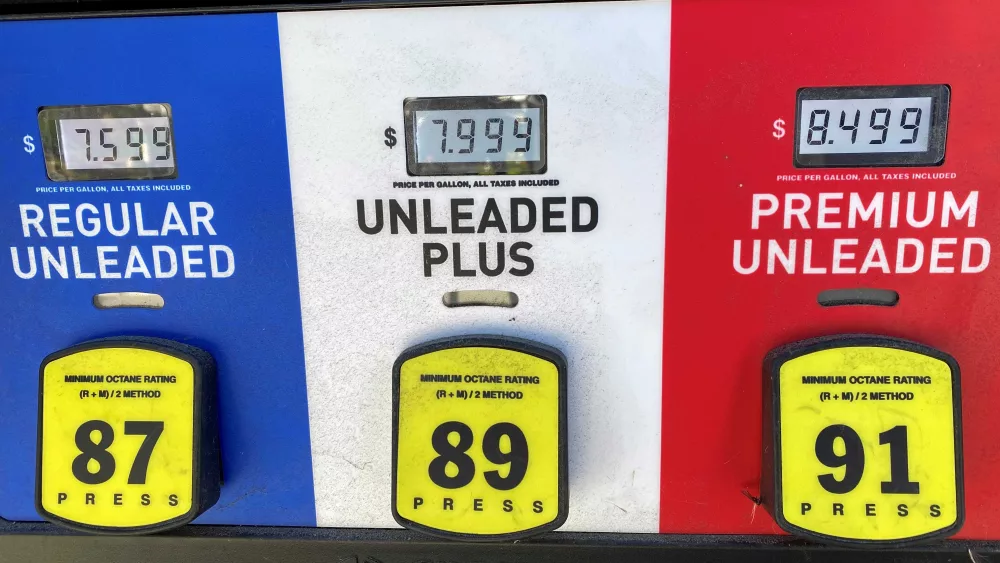
As of mid-2024, the average price for a gallon of regular unleaded gasoline in California typically hovers between $4.50 and $6.50, often significantly higher than the national average, which might be a dollar or more per gallon less. These figures are, of course, subject to daily fluctuations based on global oil markets, local supply, and demand. Peak travel seasons, such as summer holidays or major events, can see these prices creep even higher. For context, while gas prices fluctuate everywhere, California’s prices routinely rank among the top one or two highest states in the nation. This persistent premium demands careful consideration for any traveler’s budget, whether you’re planning a luxurious coastal tour, a budget-conscious family road trip, or a quick business stay in one of the major cities.
The Core Drivers: Why Fuel Costs More in California
Several unique factors contribute to California’s elevated gas prices, creating a perfect storm that impacts every driver, including tourists. Understanding these elements is key to appreciating the state’s fuel economy.
-
Taxes and Fees: California imposes some of the highest state excise taxes on gasoline in the U.S. These taxes are coupled with local sales taxes, cap-and-trade fees (designed to reduce greenhouse gas emissions), and low-carbon fuel standards. Each of these layers adds a significant cost per gallon, funding everything from road maintenance to environmental initiatives. These cumulative taxes alone can account for over $1.00-$1.50 per gallon more than in states with lower tax burdens.
-
Environmental Regulations: To combat severe air pollution, particularly in densely populated areas like Los Angeles and the San Francisco Bay Area, California mandates a special blend of gasoline, often referred to as CARB-compliant (California Air Resources Board) fuel. This unique formulation is more expensive to produce and refine than conventional gasoline used in most other states. The limited number of refineries equipped to produce this specialized blend adds to the cost, as does the logistical challenge of ensuring its distribution across the vast state.
-
Refinery Capacity and Distribution: California has a finite number of oil refineries, and these facilities occasionally undergo maintenance or experience unexpected outages. When a refinery is offline, even temporarily, it can disrupt the state’s fuel supply, leading to immediate price surges due to reduced output. The geographical isolation of California’s fuel market, making it difficult to import fuel quickly from other states, further exacerbates these supply shocks.
-
Supply and Demand Dynamics: Like any commodity, gasoline prices are influenced by the classic economic principles of supply and demand. During peak travel seasons, such as summer vacations, spring break, or major festivals and events, demand for fuel naturally increases. This heightened demand, coupled with the aforementioned supply constraints, often pushes prices upward. Local population density also plays a role, with urban centers typically seeing higher demand and, consequently, higher prices.
Impact on Your California Journey: Budgeting and Planning for Fuel Costs
Given California’s fuel price reality, integrating gas costs into your overall travel budget and planning becomes not just advisable, but essential. Whether you’re embarking on an epic road trip or simply navigating a single city, strategic planning can save you a significant amount.
Essential Budgeting Strategies for Your California Road Trip
A spontaneous road trip through California sounds idyllic, but neglecting fuel costs can quickly turn a dream vacation into a financial headache.
- Pre-Trip Research is Paramount: Before you even leave home, use apps like GasBuddy or Waze to get a real-time snapshot of current gas prices across California and along your intended route. This allows you to set a realistic budget for fuel.
- Allocate a Specific Fuel Budget: Don’t just lump gas into a general “transportation” category. Based on your vehicle’s fuel efficiency and estimated mileage, calculate a dedicated budget for gasoline. For extensive driving, consider fuel to be anywhere from 15-25% of your total transportation costs. For instance, a round trip from Los Angeles to San Francisco (approximately 800 miles) in a car averaging 25 MPG at $5.50/gallon would cost around $176 in fuel alone. Multiple such legs, or detours to attractions like Yosemite National Park, will quickly escalate these costs.
- Factor in Trip Duration and Mileage: Longer trips covering more ground will naturally incur higher fuel costs. If your itinerary involves significant driving, such as exploring the diverse regions of Southern California (from Anaheim’s theme parks to Orange County’s beaches) and then heading north, budget accordingly.
Navigating Regional Price Variations Within the Golden State
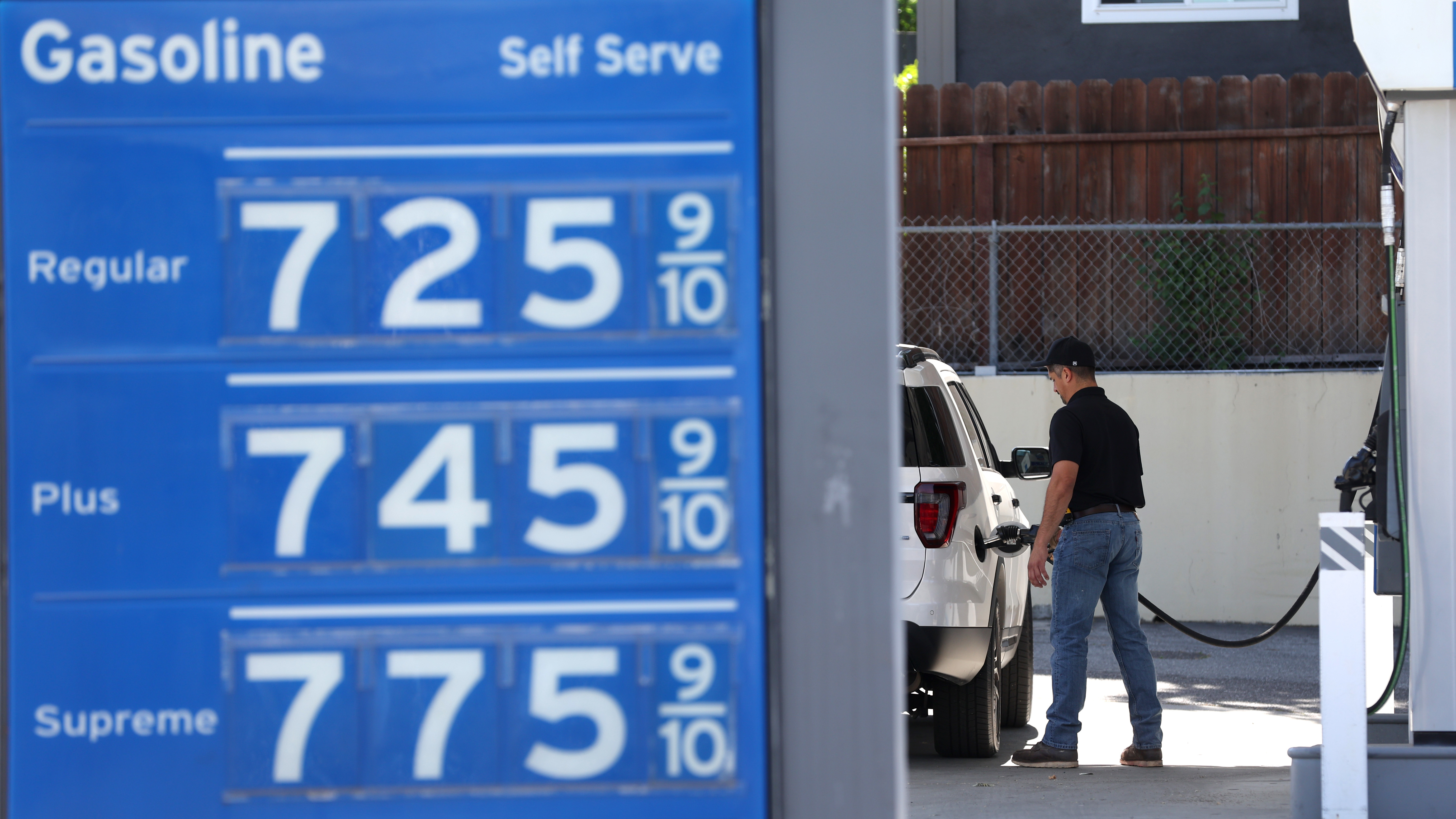
While California as a whole experiences high fuel prices, there’s still notable variation from one region to another. Awareness of these differences can help you plan your refueling stops strategically.
- Metropolitan Hubs and Coastal Towns: Expect the highest prices in major metropolitan areas like Los Angeles, San Francisco, and San Diego. Popular coastal tourist destinations such as Santa Barbara, Carmel-by-the-Sea, and various towns along the PCH also tend to have inflated prices due to higher demand and fewer competitive options.
- Inland and Central Valley Areas: Generally, cities in the Central Valley, like Bakersfield or Fresno, or less tourist-heavy inland regions, might offer slightly lower gas prices. However, the savings might not outweigh the additional mileage required to reach them if they’re significantly off your route.
- Highway vs. Off-Highway: Gas stations directly off major interstates (I-5, US-101) tend to be more expensive due to convenience. Venturing a few blocks into a town can often yield noticeable savings.
Smart Travel and Accommodation Choices to Mitigate Fuel Expenses
Beyond simply budgeting for higher gas prices, travelers can actively implement strategies and make smart choices regarding transportation and accommodation to minimize their fuel expenditure and enhance their overall California experience.
Fuel-Saving Tips and Smart Driving Practices
Every bit of fuel efficiency helps when you’re facing California’s pump prices.
- Efficient Driving Habits: Simple adjustments can make a big difference. Maintain a steady speed, avoid rapid acceleration and harsh braking, and use cruise control on highways. Ensure your tires are properly inflated, as underinflated tires reduce fuel economy. Remove unnecessary weight from your vehicle and avoid carrying items on your roof rack that create aerodynamic drag.
- Gas Station Wisdom:
- Loyalty Programs: Many grocery store chains (like Ralphs, a Kroger brand) and wholesale clubs (like Costco) offer significant discounts on gas for members. If you’re planning a longer stay or a multi-stop trip, signing up for a free loyalty card or considering a Costco membership can lead to substantial savings.
- Pay Cash Discounts: Some independent stations offer a slightly lower price per gallon for cash payments.
- Avoid Premium Unless Necessary: If your rental car or personal vehicle doesn’t explicitly require premium fuel, stick to regular unleaded. Using premium when not needed is a waste of money and doesn’t improve performance or fuel economy in most standard engines.
- Strategic Refueling: Don’t wait until your tank is nearly empty, especially when driving through rural areas or along stretches of highway with limited services. Plan your stops using your gas price app to fill up where prices are most favorable.
Embracing Alternative Transportation and Strategic Accommodation
Reducing your reliance on a personal vehicle can dramatically cut down on fuel costs, especially in major urban centers.
- Public Transit in Major Cities: California’s major cities boast extensive public transportation networks. In the San Francisco Bay Area, BART (Bay Area Rapid Transit) connects cities across the region, while Muni buses and historic cable cars serve San Francisco. Los Angeles’s Metro system of subways, light rail, and buses provides excellent coverage. San Diego MTS operates trolleys and buses that reach many attractions. Leveraging these systems allows you to explore popular landmarks like Union Square in San Francisco or Hollywood in Los Angeles without needing to drive or park.
- Ride-Sharing & Taxis: For shorter distances or when public transit isn’t convenient, ride-sharing services (like Uber and Lyft) or traditional taxis can be a cost-effective alternative to driving, especially when considering parking fees and potential tolls.
- Car Rentals: Hybrids or EVs: If renting a car is a must, consider opting for a hybrid or electric vehicle (EV). While EVs require planning for charging stops, their “fuel” costs are significantly lower. Many major rental car companies now offer these options.
- Accommodation Strategy:
- Central, Walkable Locations: Choose hotels or apartments in areas where many attractions are within walking distance or easily accessible via public transport. For example, staying near Union Square in San Francisco or downtown San Diego minimizes the need for a car.
- Hotels with Transit Access or Shuttles: Look for accommodations that offer shuttle services to nearby attractions or airports, or those conveniently located next to a bus stop or metro station. Properties like the Hyatt Regency San Francisco or The Langham Huntington, Pasadena often boast excellent locations for reducing driving needs.
- Longer Stays in One Area: Instead of constantly moving hotels, consider booking longer stays in a single strategic location, using it as a base to explore the surrounding region. This reduces check-in/check-out time and potential driving between distant accommodations.
Maximizing Your California Experience: Beyond the Pump Price
Despite the higher cost of gasoline, the unparalleled experiences California offers are well worth the investment. With smart planning, you can still enjoy an incredible journey and create lasting memories without feeling constantly burdened by fuel expenses.
Crafting Fuel-Efficient Itineraries for Memorable Explorations
A well-thought-out itinerary can significantly reduce your fuel consumption and allow you to focus on the joy of discovery.
- Focus on Regional Travel: Instead of attempting to see the entire state in one go, consider dedicating your trip to a specific region. Explore Southern California thoroughly, perhaps focusing on theme parks like Disneyland Resort and Knott’s Berry Farm in Anaheim, along with the beaches of Orange County and the cultural attractions of Los Angeles. Alternatively, immerse yourself in Northern California, with its stunning redwood forests, the wine regions of Napa Valley, and the vibrant city life of San Francisco. While places like Yosemite National Park require significant driving within and to reach, planning a longer stay there allows for deeper exploration with fewer travel days.
- Group Attractions by Proximity: Organize your sightseeing days to cluster nearby attractions together. In Los Angeles, for example, you could dedicate one day to Hollywood attractions like the Hollywood Walk of Fame, Griffith Observatory, and Universal Studios Hollywood. This minimizes driving back and forth across a sprawling city.
- Embrace “Staycation” Style Exploration: If you reside in California or plan a longer visit, consider exploring one city or region in depth rather than continuously traveling. This allows for a richer experience of local culture and activities while reducing fuel usage.
Embracing California’s Diverse Offerings Without Breaking the Bank
California is rich with experiences that require minimal to no fuel consumption, allowing you to offset some of your driving costs.
- Abundant Free Attractions: Take advantage of California’s stunning natural beauty. Spend days at its world-class beaches, hike the myriad trails (like Runyon Canyon Park in Los Angeles), or enjoy picturesque scenic drives where the journey itself is the destination. Many museums offer free admission days, and exploring vibrant neighborhoods is always free.
- Outdoor Adventures: Embrace the state’s incredible national and state parks. While getting to places like Joshua Tree National Park or Redwood National Park requires some driving, once you’re there, many activities like hiking, photography, and picnicking are free or involve a one-time entrance fee.
- Culinary Explorations: Delight in California’s renowned food scene. Visit farmers’ markets, explore diverse culinary neighborhoods on foot, or seek out street food vendors. This allows for immersive cultural experiences that often don’t require driving.
In conclusion, the cost of a gallon of gas in California is undeniably higher than in most other parts of the United States, driven by a unique blend of taxes, environmental regulations, and market dynamics. However, this reality doesn’t have to deter you from experiencing the Golden State’s magnificent charm. By understanding these factors, adopting smart budgeting strategies, leveraging alternative transportation, making informed accommodation choices, and planning your itinerary efficiently, you can absolutely enjoy an unforgettable and fulfilling California adventure. With a little foresight, the open roads of California await, ready to lead you to breathtaking landmarks, vibrant cities, and serene natural wonders.
LifeOutOfTheBox is a participant in the Amazon Services LLC Associates Program, an affiliate advertising program designed to provide a means for sites to earn advertising fees by advertising and linking to Amazon.com. Amazon, the Amazon logo, AmazonSupply, and the AmazonSupply logo are trademarks of Amazon.com, Inc. or its affiliates. As an Amazon Associate we earn affiliate commissions from qualifying purchases.