
California, the Golden State, beckons with its unparalleled beauty and diverse experiences. From the sun-kissed beaches of San Diego to the majestic peaks of Yosemite National Park, and the vibrant urban landscapes of Los Angeles and San Francisco, it’s a dream destination for travelers worldwide. For many, exploring this vast state means hitting the open road, embarking on epic journeys along the Pacific Coast Highway or winding through picturesque wine regions like Napa Valley. However, for both residents and visitors planning a quintessential California road trip or even just getting around town, understanding the cost of fuel – and specifically, the gas tax – is an essential part of budgeting for travel and everyday lifestyle.
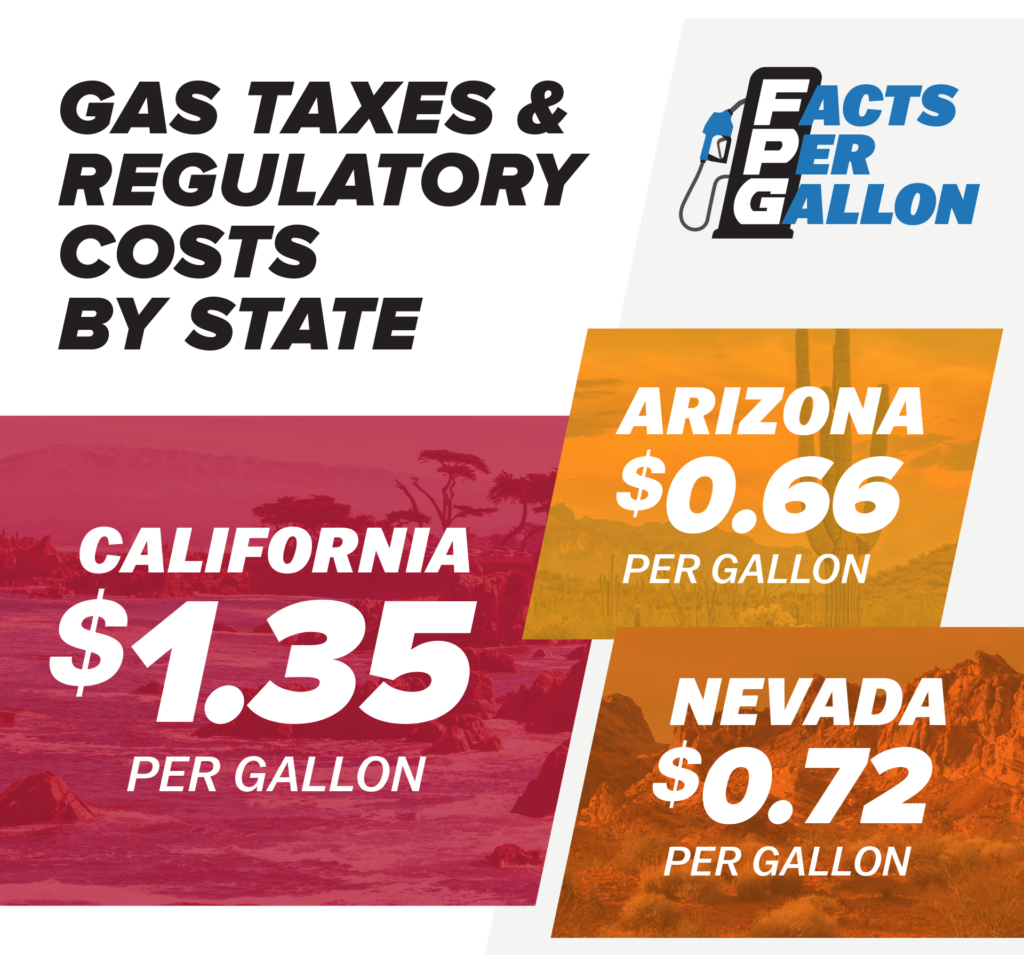
California consistently ranks among the states with the highest fuel prices in the United States. While global oil prices and refinery costs play a significant role, the state’s intricate gas tax structure is a major contributor to what you pay at the pump. This article delves into the various components of California’s gas tax, its implications for travel and tourism, and offers savvy tips for managing fuel costs during your adventures in the Golden State.
Understanding California’s Gas Tax Structure
The price you see advertised at the gas station isn’t just the cost of gasoline itself; it’s a complex blend of federal, state, and local taxes, fees, and surcharges. California’s approach to fuel taxation is particularly comprehensive, reflecting its commitment to infrastructure development and environmental initiatives.
Components of the Gas Tax
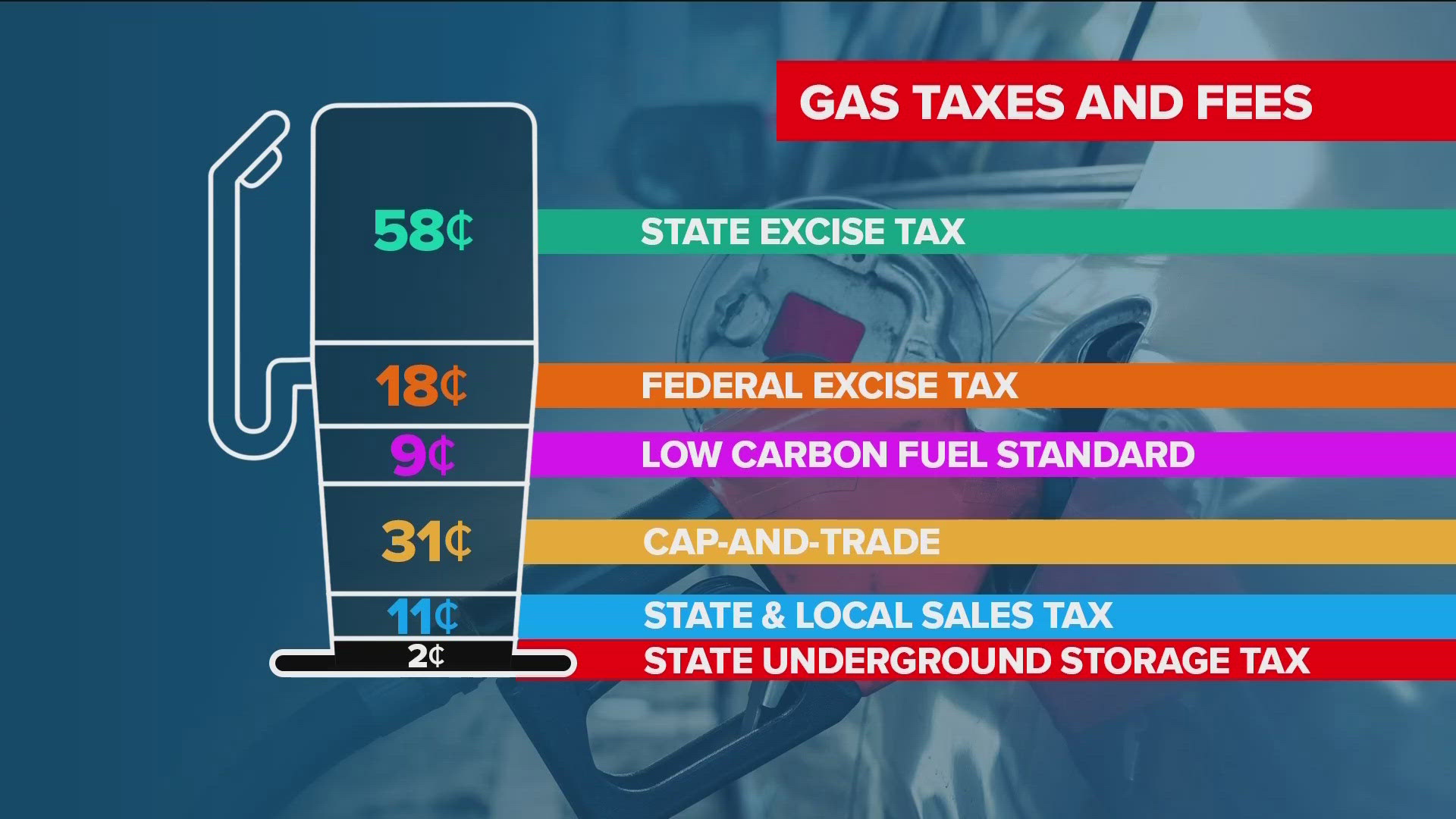
The gas tax in California is not a single, flat fee but rather a compilation of several distinct charges. These typically include:
- Federal Excise Tax: This is a nationwide tax applied by the United States federal government. It contributes to the federal Highway Trust Fund, supporting national road and bridge projects. For gasoline, this has historically been 18.4 cents per gallon.
- California State Excise Tax: This is the primary state-level tax on gasoline. It is a per-gallon tax that is adjusted annually, usually on July 1st, to account for inflation. The revenue from this tax is crucial for funding state and local transportation projects, including road maintenance, public transit, and various infrastructure improvements. For example, as of July 2023, the state excise tax rate on gasoline increased to 57.9 cents per gallon, up from 53.9 cents. This significant portion alone makes a considerable impact on the final price.
- Sales Tax: Unlike many states that exempt gasoline from sales tax, California applies its statewide sales tax to the retail price of gasoline. This means you’re taxed on the fuel itself and the excise taxes already applied, effectively a tax on a tax. The statewide sales tax rate is currently 7.25%, but local district taxes can push the combined sales tax rate higher, often exceeding 9% or even 10% in some municipalities.
- Cap-and-Trade Program Costs: California’s pioneering cap-and-trade program aims to reduce greenhouse gas emissions by setting a cap on carbon emissions and allowing companies to trade emission allowances. Fuel distributors pass these compliance costs onto consumers, adding an implicit carbon price to each gallon of gasoline. This cost can fluctuate based on market conditions for carbon allowances but typically adds several cents per gallon.
- Underground Storage Tank (UST) Fee: This fee helps fund the cleanup of leaking underground fuel storage tanks and ensure environmental protection. It’s a smaller per-gallon fee, but another piece of the puzzle.
- Other Miscellaneous Fees: There can be other minor fees and surcharges depending on local regulations or specific fuel blending requirements unique to California, which has some of the strictest environmental fuel standards in the nation.
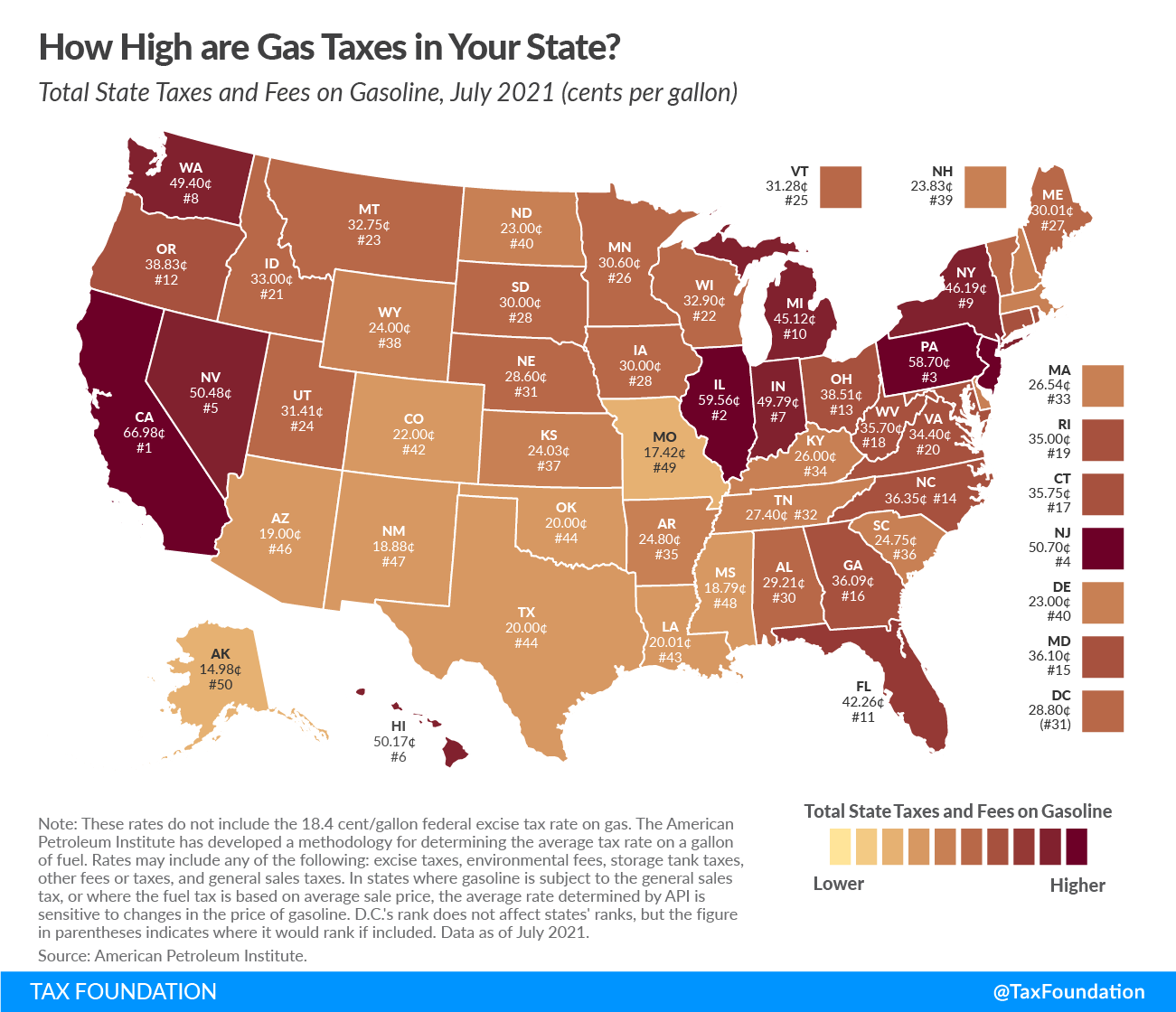
When you combine all these elements, it becomes clear why California’s gas prices are notably higher than the national average. The state excise tax alone is among the highest in the nation, and when coupled with sales tax and cap-and-trade costs, it creates a substantial premium at the pump.
The Rationale Behind the Tax
The significant gas tax in California is not arbitrary; it’s a deliberate policy choice driven by several key objectives:
- Infrastructure Investment: California is a vast state with an extensive network of highways, roads, and bridges that require constant maintenance and upgrades. The gas tax revenue is a primary funding source for these critical transportation projects, ensuring smoother and safer travel for everyone. This is particularly important given the state’s growing population and the heavy use of its transportation infrastructure.
- Environmental Protection: As a leader in environmental policy, California uses a portion of its fuel taxes and related programs (like cap-and-trade) to fund initiatives aimed at reducing air pollution, promoting cleaner energy, and supporting sustainable transportation options. This includes investments in electric vehicle infrastructure, public transit enhancements, and programs to improve air quality, especially in urban areas like Los Angeles and the San Francisco Bay Area.
- Traffic Congestion Mitigation: By making driving slightly more expensive, the gas tax can subtly encourage the use of public transportation or carpooling, thereby helping to mitigate traffic congestion in major metropolitan areas. While this effect might be marginal on an individual basis, it’s part of a broader strategy.
Understanding these underlying reasons can help travelers appreciate that while the higher cost might sting, it contributes to the very infrastructure and environmental quality that make California such an attractive place to visit and live.
The Impact of Gas Tax on California Travel and Tourism
For many, the allure of California lies in its diverse landscapes that are best explored by car. From coastal drives to desert excursions and mountain adventures, gasoline is often a traveler’s most consistent companion. The state’s high gas tax inevitably influences various aspects of travel and tourism, particularly for those considering a road trip lifestyle or even just local sightseeing.
Road Trips and Exploration Costs
A classic California road trip is a rite of passage for many. Imagine cruising down the Pacific Coast Highway, visiting iconic landmarks like the Golden Gate Bridge in San Francisco, exploring the national parks such as Yosemite National Park, [Sequoia National Park](https://lifeoutofthebox.com/sequoia-national park), Joshua Tree National Park, or Death Valley National Park, or embarking on a theme park adventure at Disneyland Resort or Universal Studios Hollywood. All these experiences require significant driving, and thus, a substantial fuel budget.
When planning a multi-day itinerary across vast distances, the cumulative effect of California’s gas tax becomes pronounced. A tank of gas that might cost $60 in another state could easily run over $80 or $90 in California, depending on the vehicle’s capacity and current prices. This increased cost affects not only the direct expense of fuel but also the overall cost of vehicle rental if you’re flying into the state. Rental car agencies often have agreements with local gas stations, but travelers are still subject to the prevailing high prices when refilling the tank. For families on a budget trip or those seeking a more luxurious travel experience, accounting for these fuel costs is paramount.
Budgeting for Your California Adventure
Effective budgeting is key to a stress-free California vacation. When creating your travel budget, it’s wise to allocate a generous portion to fuel, especially if driving is your primary mode of transportation.
Consider these budgeting strategies:
- Estimate Mileage: Before you go, map out your anticipated route using online tools and estimate the total mileage. Knowing your vehicle’s fuel efficiency (miles per gallon) will help you calculate the approximate number of gallons you’ll need.
- Factor in High Prices: Always assume gas prices in California will be at the higher end of the spectrum, possibly $1.00-$2.00 per gallon more than the national average, purely due to the tax structure and other factors. Check current prices using apps like GasBuddy or Google Maps to get real-time estimates.
- Contingency Fund: Always build in a buffer for unexpected costs, including potential detours or higher-than-expected fuel prices. A 10-15% contingency on your estimated fuel budget is a good practice.
- Compare Accommodation Locations: If you plan to stay in one region, research how accessible attractions are via public transport or if your chosen hotel offers shuttle services. Choosing accommodation that minimizes your daily driving can indirectly save on fuel costs.
Gas Tax and Your Accommodation Choices
While gas tax directly impacts your driving costs, it can also subtly influence your choices regarding accommodation. The convenience of a hotel, resort, or apartment rental often comes with the need to travel to and from attractions, dining, and other activities.
Renting vs. Driving Your Own Vehicle
For out-of-state visitors, the decision to rent a car versus relying on alternatives is often directly linked to the perceived cost of driving. If you’re flying into Los Angeles International Airport or San Francisco International Airport, renting a car provides maximum flexibility to explore destinations like Santa Barbara, Monterey, or inland attractions. However, the combined cost of rental fees, insurance, and expensive fuel can quickly add up.
For shorter stays in major metropolitan areas, public transportation or ride-sharing services might present a more economical option. For instance, in San Francisco, the BART system offers extensive coverage, and in Los Angeles, the Metro system, while vast, is continually expanding. Weighing the convenience of a personal vehicle against the total cost of ownership (rental fees + fuel + parking) is a critical step in planning your trip. For long-term stays or those venturing into remote areas, a rental car is almost indispensable, making gas budgeting even more crucial.
Choosing Locations to Minimize Driving Costs
Your choice of accommodation can significantly impact how much you spend on gas. When researching hotels, suites, resorts, or apartments, consider their proximity to the attractions on your itinerary.
- Central Locations: Booking a hotel in a central district, such as downtown San Francisco or near the Hollywood Walk of Fame in Los Angeles, might be more expensive nightly. However, if it allows you to walk to multiple attractions, use public transport, or reduce daily driving, the savings on fuel and parking could offset the higher room rate. This is particularly true for short-term stays or city breaks.
- Public Transport Accessibility: Look for accommodation options that are well-served by public transit. Many cities in California have decent bus and rail networks. Staying near a Metro station in Los Angeles or a BART station in the Bay Area can drastically cut down your need for a car.
- Stay-and-Play Resorts: For trips focused on specific attractions, like a visit to Disneyland Resort in Anaheim or a relaxing retreat in Palm Springs, choosing a resort or hotel within walking distance or offering shuttle services can nearly eliminate daily driving, saving you a considerable amount on gas.
- Budget Accommodation and Strategic Planning: If you opt for more budget-friendly accommodation further from city centers, be prepared for increased driving or a longer commute via public transport. In this scenario, meticulous route planning and grouping attractions geographically become even more important to avoid unnecessary miles and fuel consumption.
Navigating California: Tips for Savvy Travelers
Beyond understanding the gas tax, there are practical strategies savvy travelers can employ to minimize fuel expenditures and enhance their overall California experience.
Public Transportation and Ride-Sharing Alternatives
California’s major metropolitan areas, including Los Angeles, San Francisco, and San Diego, offer increasingly robust public transportation systems.
- Metro Rail and Bus Systems: In Los Angeles, the LA Metro operates an extensive network of subways, light rail, and buses that can connect you to popular attractions from Downtown to Hollywood and Santa Monica. In San Francisco, MUNI (San Francisco Municipal Railway) operates historic cable cars, streetcars, buses, and metro lines. San Diego has its MTS (Metropolitan Transit System) trolleys and buses.
- Regional Rail: For longer distances between cities, consider Amtrak or regional rail services like Metrolink in Southern California or Capitol Corridor in Northern California. These can be a scenic and relaxing way to travel, avoiding traffic and fuel costs.
- Ride-Sharing Services: Uber and Lyft are widely available throughout California, offering convenient on-demand transportation. While not always cheaper than driving yourself, they can be a good option for short distances, evenings out, or when parking is difficult and expensive.
- Biking and Walking: For exploring specific neighborhoods or along coastal paths, biking or walking can be an enjoyable and free alternative, especially in pedestrian-friendly cities or towns like Santa Monica or Carmel-by-the-Sea.
Integrating public transportation into your travel plans, particularly in urban environments, can significantly reduce your fuel expenditure and parking hassles, making for a more relaxed trip.
Fuel Efficiency and Planning Your Routes
Even when driving is necessary, there are ways to be more fuel-efficient and smarter about your route planning.
- Choose a Fuel-Efficient Vehicle: If renting, opt for a compact or hybrid car rather than an SUV if space permits. The upfront savings on the rental might be offset by higher fuel costs for a larger vehicle.
- Maintain Your Vehicle: If driving your own car, ensure it’s well-maintained with properly inflated tires and a clean air filter, all of which contribute to better fuel economy.
- Drive Smart: Practice fuel-efficient driving habits: avoid rapid acceleration and braking, maintain a consistent speed, and use cruise control on highways. Excessive idling wastes fuel.
- Plan Your Route Strategically: Use GPS apps that consider real-time traffic to avoid congested areas. Group attractions that are geographically close to minimize backtracking and unnecessary miles. For example, if visiting Lake Tahoe, plan your stops around the lake efficiently rather than crisscrossing repeatedly.
- Fill Up Wisely: Use apps or websites to find gas stations with the lowest prices along your route. Prices can vary significantly even within a few miles. Avoid filling up right off major highways or near popular tourist attractions, where prices tend to be higher. In rural areas, plan ahead as gas stations might be sparse.
- Consider Electric Vehicles (EVs): If you’re a resident or planning a long-term stay, exploring electric vehicle options could offer substantial savings on “fuel” costs, especially with California’s extensive EV charging infrastructure and various incentives.
By adopting these smart travel practices, you can mitigate the impact of California’s higher gas taxes and ensure your adventures in the Golden State remain enjoyable and within budget.
In conclusion, the question “How Much Is Gas Tax In California?” reveals a multi-layered answer that goes beyond a simple number. It’s a reflection of the state’s ambitious goals for infrastructure, environment, and sustainable living. While the higher cost at the pump requires careful consideration for any traveler or resident, understanding its components and employing smart budgeting and travel strategies can ensure that your California experience is still filled with unforgettable moments, breathtaking sights, and the freedom of the open road – all within a manageable budget. Planning is key, allowing you to focus on the journey and the incredible destinations that await you in this magnificent state.
LifeOutOfTheBox is a participant in the Amazon Services LLC Associates Program, an affiliate advertising program designed to provide a means for sites to earn advertising fees by advertising and linking to Amazon.com. Amazon, the Amazon logo, AmazonSupply, and the AmazonSupply logo are trademarks of Amazon.com, Inc. or its affiliates. As an Amazon Associate we earn affiliate commissions from qualifying purchases.