
For anyone living in or planning extensive travel through California, understanding the nuances of the REAL ID is more than just a bureaucratic detail; it’s an essential part of ensuring smooth journeys and hassle-free experiences. As a state renowned for its iconic landmarks, diverse tourism, and endless travel opportunities, California sees millions of residents and visitors embark on adventures every year, from family trips to Disneyland to business stays in San Francisco or serene getaways in Lake Tahoe. At the heart of seamless domestic travel and access to federal facilities in the United States lies the REAL ID, a federally compliant identification card that has become indispensable.
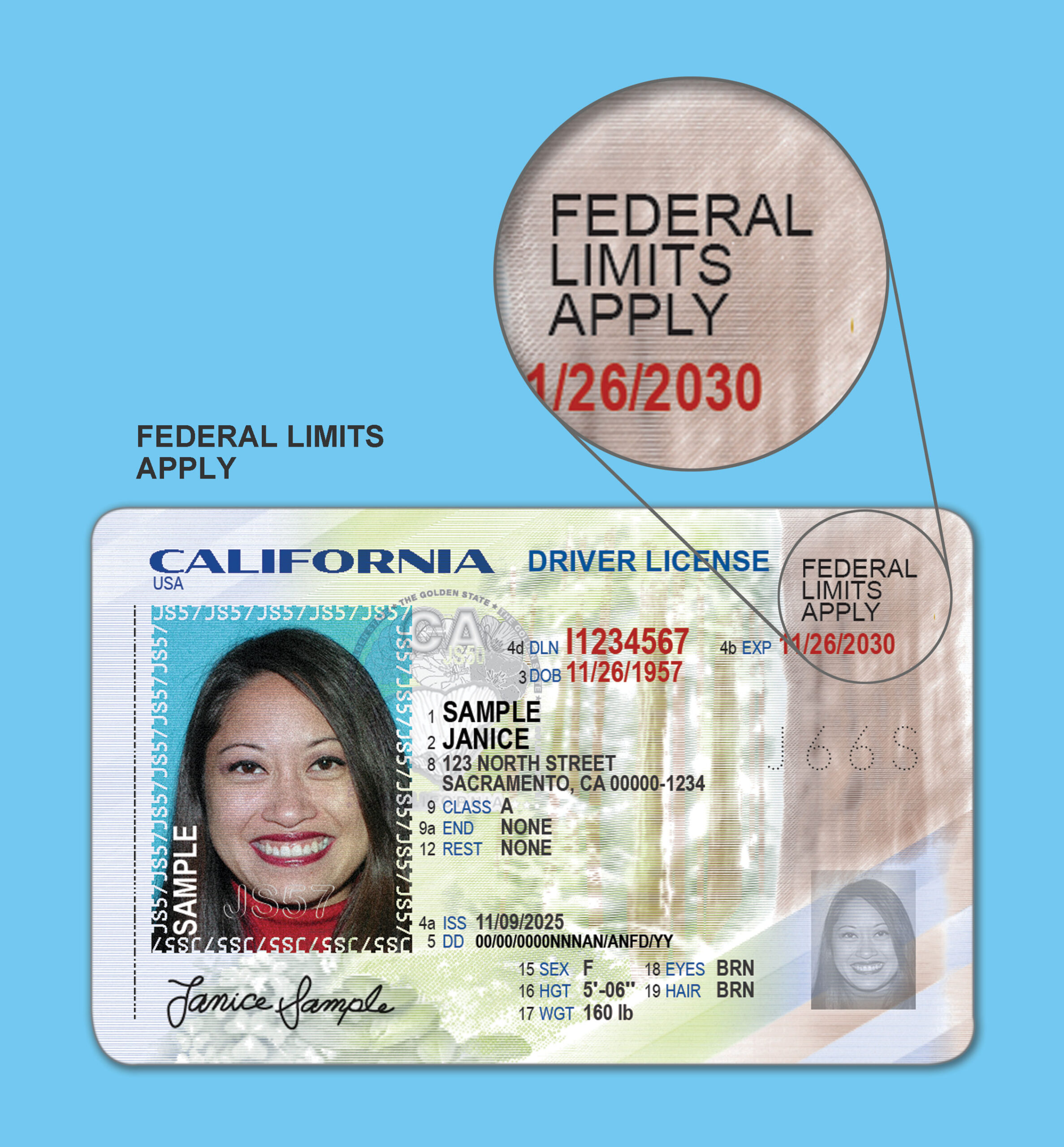
The question “How much is the REAL ID in California?” might seem straightforward, but the answer encompasses not just the official fee, but also the investment of time, preparation, and understanding its profound importance for modern lifestyle and travel. This article will delve into the specifics of the cost, the application process, and why obtaining a REAL ID is a smart move for any Californian looking to explore the world, near or far, without unexpected hitches.
Understanding the REAL ID Act and Its Impact on Travel
The journey to understanding the REAL ID begins with its origins and its critical role in contemporary security and travel. This isn’t just another driver’s license; it’s a federal mandate designed to enhance the security of state-issued driver’s licenses and identification cards.
What is REAL ID and Why Do You Need It?
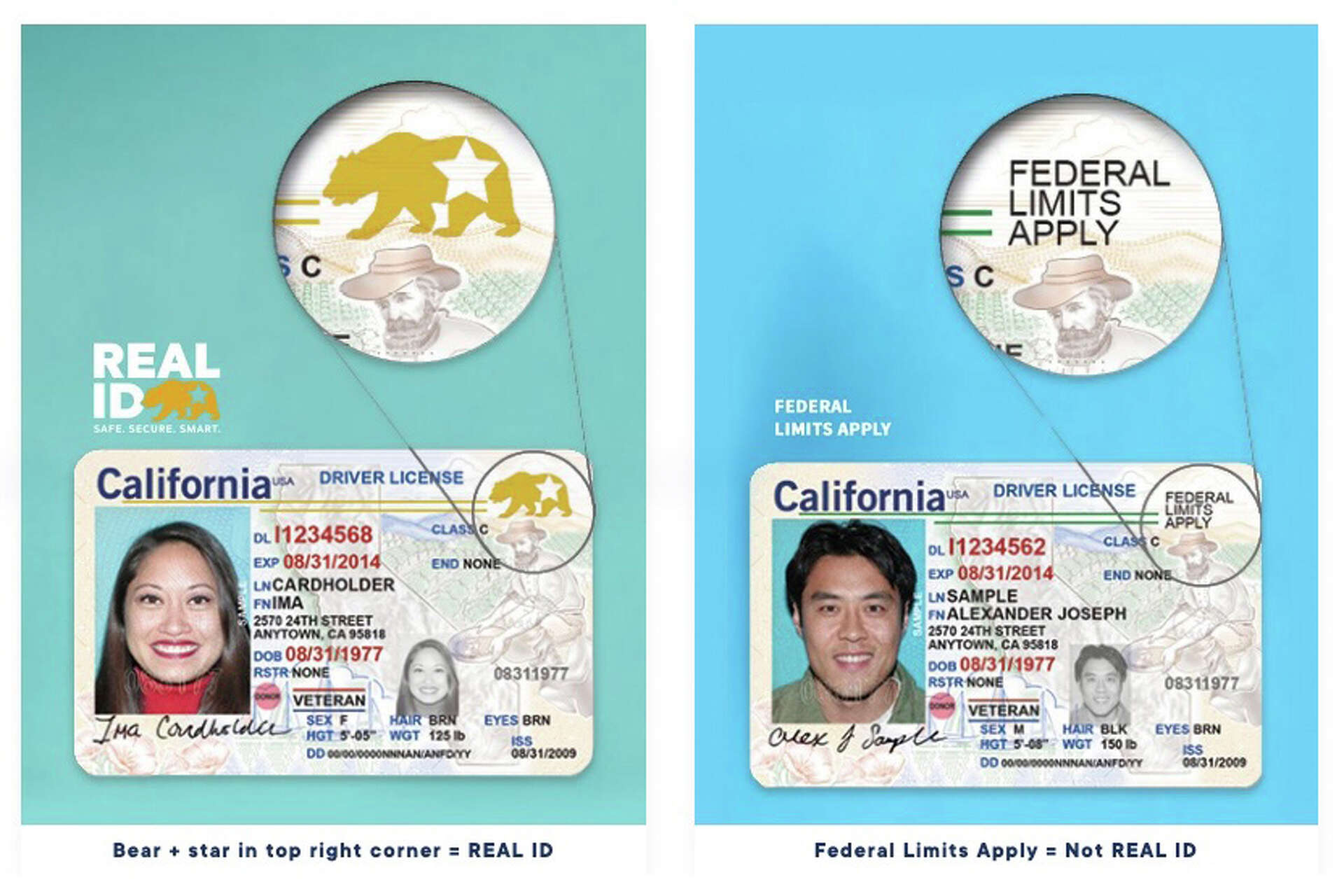
The REAL ID Act of 2005 was a recommendation by the 9/11 Commission to establish minimum security standards for state-issued driver’s licenses and identification cards. While the implementation has seen several extensions, the core requirement remains: eventually, a REAL ID compliant driver’s license or ID card, or another acceptable form of identification (like a U.S. passport), will be required to board federally regulated domestic flights and to access certain federal facilities, such as military bases, federal courthouses, and other secure federal buildings.
For Californians, this means that your standard driver’s license, while still valid for driving and other everyday purposes, may not be sufficient for domestic air travel post-deadline. Imagine planning a dream vacation to the resorts of Hawaii or a business trip to New York City, only to be turned away at the airport security checkpoint because your identification doesn’t meet federal standards. This scenario is precisely what the REAL ID aims to prevent, offering peace of mind and seamless passage through security checkpoints. It’s not just about compliance; it’s about safeguarding your travel plans and ensuring uninterrupted access to various aspects of modern life.
The Importance for Californians and Travelers
California’s sprawling landscape, from the coastal beauty of Malibu to the bustling urban centers of Los Angeles, makes domestic air travel a frequent necessity for many. Whether you’re flying across the state for a weekend getaway to the Napa Valley, catching a flight for a family reunion, or traveling for business meetings, a REAL ID streamlines your airport experience.
Beyond airports, the ability to effortlessly access federal facilities is another significant advantage. For military families, contractors, or individuals needing to visit government offices, a REAL ID can save time and prevent frustrating delays. While other forms of identification, such as a passport, are also acceptable, carrying a REAL ID compliant driver’s license offers the convenience of a single, frequently used document serving multiple purposes. It integrates smoothly into the lifestyle of active individuals, making local culture exploration, tourism, and spontaneous trips far less complicated.
Unpacking the Cost of a REAL ID in California
When considering a REAL ID, the financial cost is often the first query. Fortunately, the fees associated with obtaining a REAL ID in California are relatively transparent and designed to be accessible.
The Base Fee: What You’ll Pay at the DMV
The California Department of Motor Vehicles (DMV) sets the official fees for driver’s licenses and identification cards, including the REAL ID compliant versions. As of the most recent updates, the cost for an original REAL ID driver’s license is the same as a standard driver’s license. Similarly, an original REAL ID identification card costs the same as a standard ID card.
Currently, the fees are:
- Original REAL ID Driver’s License: Approximately $41
- Original REAL ID Identification Card: Approximately $36
These fees are subject to change, so it’s always advisable to check the official California DMV website for the most up-to-date information. When your REAL ID is up for renewal, the fees will generally be the same as for renewing a standard license or ID. This means that the monetary cost of obtaining a REAL ID is not an additional burden beyond what you would already pay for a basic California driver’s license or identification card. The fees cover the processing, production, and issuance of the card, and there is no premium simply for it being a “REAL ID”. This approach ensures that enhanced security and travel convenience are affordable for all residents, from budget travelers to luxury adventurers.
Beyond the Fee: Hidden Costs and Time Investments
While the official DMV fee for a REAL ID is straightforward, it’s prudent to consider potential “hidden” costs and the invaluable investment of your time. These aren’t direct fees paid to the DMV but rather expenses that might arise during the preparation process.
For instance, if you’ve lost your original birth certificate or need certified copies of a marriage certificate for a name change, there might be fees associated with obtaining these vital records from the relevant government agencies. These costs can vary, often ranging from $10 to $30 per document. Similarly, while the DMV will take your photo for the ID card, if you prefer to have professional passport-style photos taken beforehand (though not required for the REAL ID itself, some people do this for other applications), that would be an additional expense.
More significantly, there’s the investment of your time. Gathering all necessary documents, making an appointment, and visiting a DMV office requires planning and allocating several hours. For those with busy schedules, this time away from work, family, or other commitments can be an indirect cost. However, by leveraging online application tools and scheduling appointments, you can significantly minimize this time commitment, transforming a potentially lengthy wait into a more efficient process. This upfront investment ensures that future travel plans, from booking hotels to exploring new destinations, remain unhindered, embodying the spirit of smart accommodation planning and seamless travel experiences.
The Application Process: Navigating the California DMV
Obtaining a REAL ID in California involves a clear, albeit document-intensive, process through the DMV. Being well-prepared is key to a smooth experience, saving you time and potential repeat visits.
Essential Documents You’ll Need
The most crucial aspect of the REAL ID application is proving your identity, residency, and Social Security number with original documents. The DMV is stringent about this to uphold the federal security standards of the REAL ID Act. Here’s a breakdown of the categories and common examples:
-
Proof of Identity: You’ll need one document from this category.
- U.S. Birth Certificate (original or certified copy)
- Valid U.S. Passport or Passport Card
- Valid foreign passport with an approved U.S. visa and I-94 form
- Certificate of Naturalization
- Permanent Resident Card
-
Proof of California Residency: You’ll need two different documents from this category. These must show your California street address (P.O. boxes are generally not accepted).
- Utility bills (gas, electric, water, cell phone)
- Rental or lease agreement
- Mortgage bill
- Bank statements
- Medical documents
- Employment documents
-
Proof of Social Security Number (SSN): You’ll need one document.
- Social Security card
- W-2 form
- Paystub with your full SSN
- 1099 form
-
Proof of Name Change (if applicable): If your current name differs from the name on your identity document (e.g., due to marriage, divorce, or court order), you must bring original legal documents showing the name change chain.
- Marriage certificate
- Divorce decree
- Court order for a name change
It is paramount to bring original documents, not photocopies, as the DMV needs to verify their authenticity. This attention to detail is crucial for maintaining the integrity of the REAL ID system and ensuring your identification is globally recognized for its security.
Step-by-Step Application Guide
Navigating the DMV can feel daunting, but a structured approach simplifies the REAL ID application process significantly:
-
Start Online: Begin your application on the California DMV website. This pre-fills much of the paperwork and generates a confirmation code, which can drastically cut down on your in-office time. You’ll answer questions about your identity and residency, and indicate that you’re applying for a REAL ID.
-
Gather Documents: Based on the requirements listed above, collect all your original, essential documents. Double-check that all names match or that you have the necessary name change documents. This is the most critical step to avoid multiple DMV visits.
-
Schedule an Appointment: Making an appointment online is highly recommended. DMV offices, particularly in major cities like San Diego or Sacramento, can have long wait times for walk-ins. An appointment ensures you are seen promptly.
-
Visit the DMV: On the day of your appointment, bring your application confirmation code, all original documents, and your payment (cash, check, debit/ATM card, or money order are typically accepted).
- At the DMV, your documents will be reviewed and verified by a representative.
- You’ll provide a thumbprint, have your photo taken, and (if applying for a driver’s license) complete a vision test. You might also need to take a knowledge test if it’s your first California license or if your previous one has expired for an extended period.
-
Receive Temporary and Permanent ID: If your application is approved, you’ll receive a temporary paper REAL ID that is valid for domestic travel. Your permanent, plastic REAL ID card will be mailed to your address within a few weeks. It’s important to keep your temporary ID safe until the permanent one arrives.
Following these steps meticulously ensures a smooth transition to obtaining your REAL ID, preparing you for adventures through California’s stunning landmarks or beyond.
Alternative IDs and Why REAL ID is Still Recommended
While the REAL ID is gaining prominence, it’s not the only acceptable form of identification for domestic air travel or accessing federal facilities. However, its practicality often makes it the preferred choice for many.
Other Acceptable Forms of Identification for Travel
The Transportation Security Administration (TSA) accepts several other forms of identification that are compliant with the REAL ID Act:
- U.S. Passport: This is universally accepted for both domestic and international travel.
- U.S. Passport Card: Similar to a passport but valid only for land and sea travel to certain adjacent countries (Canada, Mexico, Caribbean, Bermuda) and for domestic air travel.
- Military ID: Active duty U.S. military IDs are accepted.
- DHS Trusted Traveler Cards: Programs like Global Entry, NEXUS, SENTRI, and TSA PreCheck cards are all federally recognized and expedite security screenings.
- Other Federally Recognized IDs: These include Permanent Resident Cards, Border Crossing Cards, and DHS employee IDs.
While these alternatives provide valid means of identification, each comes with its own context. A passport is essential for international travel but might feel cumbersome for a domestic flight. Trusted traveler cards offer expedited screening benefits but require a separate application process and fee.
The Convenience and Necessity for Californians
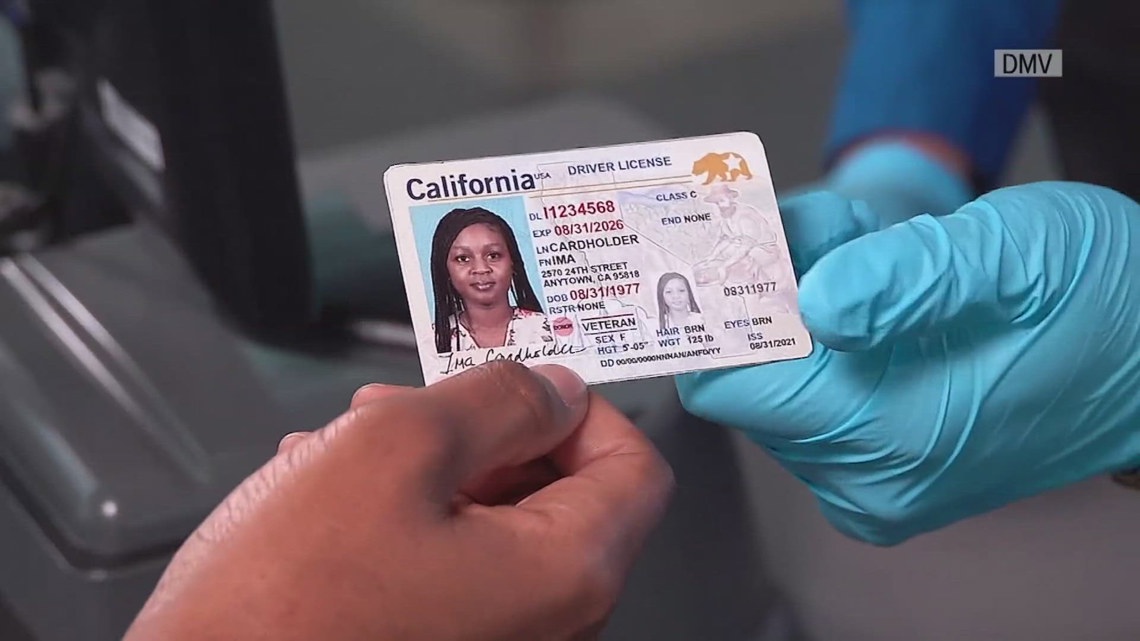
For most Californians, the REAL ID driver’s license or identification card strikes the perfect balance between convenience and necessity. It serves as your primary driving document (if a license) and a federally compliant ID for travel and access, all in one card that you likely already carry daily. This avoids the need to carry a passport for a flight from Los Angeles to Seattle or to remember a separate military ID.
The REAL ID simplifies life for budget travelers and luxury seekers alike. It reduces the risk of travel disruptions, allowing you to focus on the experience – whether it’s exploring local culture in San Francisco’s Chinatown, enjoying the amenities of a five-star resort, or embarking on a long-term stay across the country. It’s a proactive measure that provides peace of mind, ensuring that your identification is never a barrier to your plans. In a state as dynamic and travel-oriented as California, having a REAL ID is not just a recommendation; it’s an empowering tool that enables a world of exploration and opportunity.
In conclusion, the question “How much is the REAL ID in California?” reveals that the direct monetary cost is minimal, typically aligning with the fees for a standard driver’s license or ID card. However, the true “cost” is a small investment of time and effort in gathering documents and completing the application process. This investment pales in comparison to the immense convenience, security, and peace of mind a REAL ID provides. It safeguards your ability to travel, explore, and engage with federal facilities across the United States without unnecessary hurdles. For any Californian who values seamless travel and unhindered access in their busy lifestyle, obtaining a REAL ID is undoubtedly a worthwhile and highly recommended step.
LifeOutOfTheBox is a participant in the Amazon Services LLC Associates Program, an affiliate advertising program designed to provide a means for sites to earn advertising fees by advertising and linking to Amazon.com. Amazon, the Amazon logo, AmazonSupply, and the AmazonSupply logo are trademarks of Amazon.com, Inc. or its affiliates. As an Amazon Associate we earn affiliate commissions from qualifying purchases.