
The question “Is the California fire still going on?” resonates with a deep concern for safety, environmental impact, and, crucially for many, the viability of travel plans. California, a state renowned for its diverse landscapes, iconic landmarks, vibrant cities, and unparalleled travel experiences, unfortunately, also grapples with a persistent wildfire season. As a premier destination for travelers worldwide, understanding the reality of these fires and their implications for tourism, accommodation, and lifestyle choices is essential.
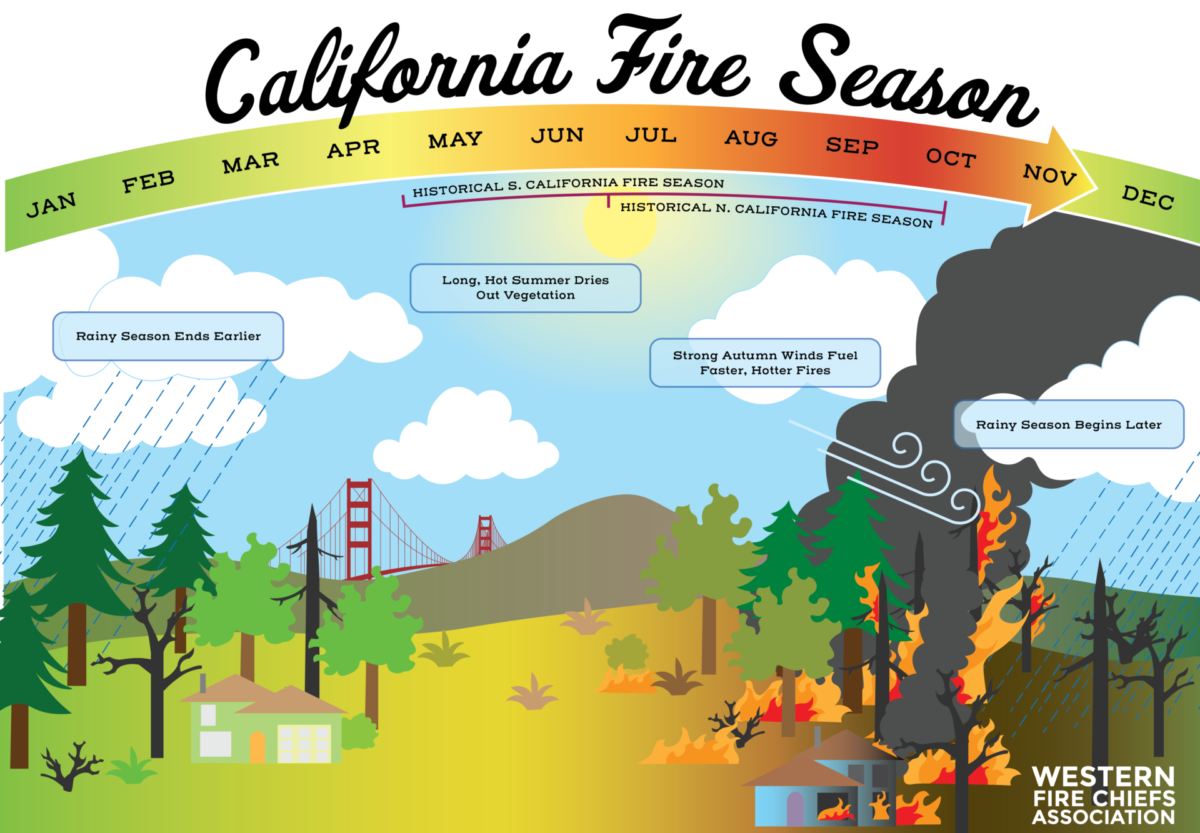
While it’s rare for a single, massive “the California fire” to be perpetually active, the state experiences a recurring fire season, typically from late spring through autumn, sometimes extending into winter due to changing climate patterns. This means that at any given time during these months, there might be active wildfires in various parts of the state. However, it’s critical for prospective visitors to differentiate between widespread destruction and localized incidents, and to understand how these events might (or might not) impact their specific travel itinerary, planned accommodations, or desired experiences.

This article aims to provide a comprehensive guide for travelers, offering clarity on the nature of California wildfires, their potential effects on popular destinations and landmarks, and practical advice for planning a safe and enjoyable trip. We’ll delve into how to stay informed, prepare for contingencies, and explore the best ways to experience the golden state responsibly, even during fire season. From luxury resorts to budget-friendly apartments, from bustling city life to serene natural escapes, California offers an incredible array of options, and informed planning is the key to unlocking its wonders.
Understanding California Wildfires: A Persistent Reality
The narrative surrounding California wildfires often focuses on the dramatic imagery of flames and smoke, which, while accurate for specific incidents, can sometimes paint an overly generalized picture for the entire state. To make informed travel decisions, it’s important to grasp the cyclical nature of these events and how they are managed.
The Cycle of Fire Season in California
California’s Mediterranean climate, characterized by hot, dry summers and mild, wet winters, creates conditions ripe for wildfires. The late spring and summer months see significant vegetation growth, which then dries out under intense heat and strong winds (like the Santa Ana winds in Southern California or Diablo winds in Northern California). This dry brush becomes highly flammable, easily ignited by lightning strikes, equipment malfunctions, or human activity.
Historically, fire season peaked in late summer and early fall. However, recent years have seen an expansion of this period, with fires occurring earlier in the spring and later into the winter. This extended season is attributed to climate change, leading to hotter temperatures and prolonged droughts, which further desiccate the landscape. While this is a serious environmental challenge, it doesn’t mean the entire state is perpetually engulfed in flames. Wildfires are dynamic, localized events that demand vigilance but don’t inherently shut down all travel and tourism across a state as vast and geographically diverse as California.
Distinguishing Active Fires from Past Events
A common misconception is that a fire mentioned in the news weeks or months ago is “still going on.” In reality, most wildfires are contained and extinguished relatively quickly, though recovery efforts in affected areas can take much longer. When assessing travel plans, it’s crucial to distinguish between:
- Active Wildfires: These are ongoing incidents that pose immediate threats to specific areas, potentially leading to evacuations, road closures, and air quality advisories. Information on active fires is constantly updated by official agencies.
- Contained or Extinguished Fires: These fires are no longer burning but may have left behind significant damage to natural landscapes, infrastructure, and potentially some tourism operations. While the immediate danger is gone, the recovery process might affect accessibility or the aesthetic appeal of certain regions for a period.
- Historical Fire Zones: Areas that have experienced fires in previous seasons often recover remarkably well, with nature regenerating and communities rebuilding. These areas may even offer unique perspectives on resilience and ecological change.
Travelers should always focus on current, real-time information regarding active incidents and their specific impact on their chosen destinations.
Navigating Travel and Tourism in California During Fire Season
For travelers planning a trip to California, the question isn’t whether fires ever happen, but rather how to safely and responsibly navigate the state when they might occur. The key is proactive planning and access to reliable information.
Impact on Popular Destinations and Landmarks
California is home to countless iconic landmarks and popular destinations, and it’s rare for all of them to be impacted simultaneously. While a fire might affect one region, vast areas of the state remain open and unaffected.
- National Parks and Natural Landmarks: Destinations like Yosemite National Park, Sequoia National Park, Kings Canyon National Park, and Joshua Tree National Park are often at higher risk due to their extensive wilderness areas. Closures, partial access, or smoke advisories are possible during active fire events in or near these parks. However, they are also vast, and specific sections might remain open. It’s vital to check the National Park Service websites for the latest alerts. Other natural wonders like Lake Tahoe or the scenic coastal route of Big Sur can also be vulnerable, primarily to smoke impacts or road closures.
- Wine Regions: Napa Valley and Sonoma County, famous for their vineyards and culinary tourism, have unfortunately experienced significant fires in recent years. While the resilience of these communities is immense, travelers should monitor conditions, as smoke can affect air quality and some wineries or restaurants might face temporary closures. Many areas, however, rebuild and reopen swiftly, welcoming visitors back to experience local culture and world-class food.
- Major Cities: Major metropolitan areas like Los Angeles, San Francisco, San Diego, and Sacramento are generally less directly threatened by wildfires unless they are on the urban-wildland interface. The primary concern in cities during nearby fires is often air quality, with smoke drifting into urban centers. However, the vibrant attractions, architecture, and diverse experiences within these cities typically remain fully operational. Coastal cities such as Santa Barbara or the desert oasis of Palm Springs might also be affected by smoke but are generally well-equipped to manage such conditions.
Travelers should always check local tourism board websites and official government sources for specific information regarding their destination. Many attractions and destinations have robust emergency plans and will communicate any necessary adjustments to their operations.
Air Quality and Health Considerations for Travelers
Even if a fire isn’t directly threatening a planned destination, smoke can travel hundreds of miles, impacting air quality. Poor air quality can be a concern, especially for individuals with respiratory conditions, the elderly, or young children.
- Monitoring Air Quality: Websites like AirNow.gov provide real-time Air Quality Index (AQI) readings, allowing travelers to make informed decisions about outdoor activities.
- Health Precautions: On days with poor air quality, it’s advisable to limit strenuous outdoor activities, stay indoors with windows and doors closed, and use N95 masks if outdoor exposure is unavoidable. Many hotels and accommodations will have air filtration systems, and public indoor spaces often maintain better air quality.
- Flexibility: Be prepared to shift plans from outdoor adventures to indoor attractions (museums, aquariums, shopping) if air quality becomes an issue. California’s cities offer a wealth of indoor experiences that are unaffected by smoke.
Travel Insurance and Flexible Booking: Essential Preparations
Given the potential for unexpected events, comprehensive travel insurance is an indispensable part of planning a trip to California during fire season. Look for policies that cover trip cancellation, interruption, and medical emergencies, especially those with “cancel for any reason” clauses if maximum flexibility is desired (though these are typically more expensive). Review the policy’s fine print regarding natural disasters and what specifically is covered.
When booking flights, hotels, and other accommodations, prioritize options that offer flexible cancellation or rebooking policies. Many airlines and hotels understand the uncertainties of travel and provide more lenient terms, particularly for high-season bookings. This foresight allows travelers to adjust their plans without significant financial loss if conditions change unexpectedly.
Accommodation and Experiences: Planning Your California Getaway
Even amidst the possibility of wildfires, California remains a premier destination offering a vast range of accommodation and travel experiences. Thoughtful planning can ensure your trip is both memorable and safe.
Hotel Availability and Safety Protocols
Hotels, resorts, apartments, and villas across California are generally well-prepared to handle various contingencies. During fire season, many properties implement enhanced safety protocols:
- Information Sharing: Hotels in potentially affected areas will often proactively communicate with guests about local conditions, evacuation routes (if necessary), and air quality updates.
- Air Filtration: Many modern establishments, particularly luxury hotels and resorts, boast advanced air filtration systems to maintain excellent indoor air quality, even if outdoor conditions are smoky. When booking, consider inquiring about these amenities.
- Flexibility in Booking: As mentioned, many accommodations, from boutique hotels to large chain resorts, understand the need for flexibility during uncertain times. Check their cancellation and rebooking policies when making your reservation.
- Alternative Stays: If your primary destination is affected, consider alternative accommodations in nearby, unaffected areas. California’s extensive network of cities and towns often means a safe and comfortable stay is just a short drive away. Options range from spacious suites to charming villas, offering a wide array of amenities to suit any lifestyle or budget.
For long-term stays or specific requirements, consider consulting reviews or comparison sites to find accommodations known for their guest communication and emergency preparedness.
Exploring Alternative Destinations and Activities
One of the great strengths of California as a travel destination is its incredible diversity. If a particular area is experiencing fire activity or poor air quality, there are always numerous alternative experiences available.
- Coastal Escapes: California’s extensive coastline, from the beaches of San Diego to the rugged beauty north of San Francisco, often experiences cleaner air due to ocean breezes. Consider coastal road trips, exploring charming seaside towns, or enjoying water-based activities.
- Urban Adventures: Cities like Los Angeles and San Francisco offer an endless array of indoor attractions: world-class museums, vibrant culinary scenes, live performances, and diverse shopping districts. These experiences are largely unaffected by wildfires occurring miles away.
- Desert Retreats: Destinations like Palm Springs and its surrounding areas, while also susceptible to fires, often have distinct weather patterns that might make them viable alternatives depending on fire locations. Their unique landscapes and resort lifestyles offer a different kind of relaxation.
- Focus on Local Culture and Food: Even if outdoor activities are limited, California’s rich local culture, farm-to-table dining, and innovative culinary experiences can be enjoyed in various settings. Explore farmers’ markets, take cooking classes, or simply indulge in the diverse food scenes.
Whether you’re planning a luxury travel experience, a budget-friendly family trip, or a business stay, California offers adaptable options. Being open to adjusting your itinerary is key to a rewarding experience.
Supporting Local Communities Responsibly
When visiting California, especially during or after fire season, travelers have an opportunity to contribute positively to local communities.
- Choose Local: Support local businesses, restaurants, and attractions. Many small businesses, particularly in tourist-dependent areas, rely heavily on visitor spending.
- Be Mindful: Adhere to all fire safety regulations, including restrictions on campfires or outdoor burning. Be respectful of emergency services and local residents.
- Consider Giving Back: If you feel compelled, research reputable charities involved in wildfire relief and recovery efforts.
By traveling responsibly, visitors can ensure their trip is not only enjoyable but also beneficial to the communities they visit.
Resources and Real-Time Information for Informed Decisions
The most effective way to address the question, “Is the California fire still going on?” is by consulting reliable, up-to-the-minute resources. Being informed allows you to make safe and flexible travel plans.
Official Alert Systems and Websites
Several government agencies and organizations provide real-time updates on wildfire activity and related conditions:
- CAL FIRE (California Department of Forestry and Fire Protection): The primary source for wildfire information in California. Their website provides incident maps, updates on current fires, and fire prevention tips.
- InciWeb: An interagency incident management system that provides comprehensive information on large wildfires across the United States, including detailed maps, containment percentages, and evacuation orders.
- National Weather Service: Provides weather forecasts, red flag warnings (indicating critical fire weather conditions), and air quality alerts.
- AirNow.gov: The official site for real-time air quality data from the U.S. Environmental Protection Agency.
- Caltrans (California Department of Transportation): For real-time road conditions and closures due to fires or other incidents. This is crucial for planning travel routes.
- National Park Service Websites: Each national park in California has its own website with specific alerts, closures, and conditions relevant to that park (e.g., Yosemite National Park).
Subscribing to alert systems for your specific travel region can also provide direct notifications of any rapidly developing situations.
Consulting Local Tourism Boards and Hoteliers
Beyond official government sources, local tourism boards and your chosen accommodation providers are excellent resources.
- Local Tourism Boards and Visitors Bureaus: Websites and social media channels for city and regional tourism boards (Los Angeles Tourism, San Francisco Travel, etc.) often provide traveler-specific advisories, lists of open attractions, and local tips during fire season. They are dedicated to helping visitors have a positive experience and will offer the most relevant local context.
- Direct Contact with Hotels and Resorts: Before and during your trip, don’t hesitate to call or email your hotel, resort, or vacation rental host directly. They can provide the most current information about conditions in their immediate area, their specific amenities, and any operational changes. They can also advise on local air quality and recommend nearby attractions that are unaffected.
By leveraging these resources, travelers can approach their California adventure with confidence, equipped to adapt and enjoy the unparalleled beauty and experiences the state has to offer.
In conclusion, “the California fire” is not a singular, perpetual event, but rather a recurring challenge that the state and its communities manage with increasing preparedness and resilience. While wildfires are a serious concern, they are typically localized, and vast areas of California remain safe, accessible, and welcoming to travelers. With diligent research, flexible planning, appropriate travel insurance, and a commitment to responsible tourism, visitors can confidently explore the diverse attractions, iconic landmarks, and vibrant lifestyle that make California an extraordinary destination at any time of year. Stay informed, stay flexible, and prepare to discover the enduring magic of the Golden State.
LifeOutOfTheBox is a participant in the Amazon Services LLC Associates Program, an affiliate advertising program designed to provide a means for sites to earn advertising fees by advertising and linking to Amazon.com. Amazon, the Amazon logo, AmazonSupply, and the AmazonSupply logo are trademarks of Amazon.com, Inc. or its affiliates. As an Amazon Associate we earn affiliate commissions from qualifying purchases.