
California, often referred to as the Golden State, stands as an unparalleled magnet for travelers, dream-chasers, and those seeking an iconic lifestyle. From the sun-kissed beaches of San Diego to the majestic peaks of Yosemite National Park, and the vibrant urban sprawls of Los Angeles and San Francisco, California offers an intoxicating blend of natural beauty, cultural richness, and endless adventure. Planning a trip or considering a longer stay in this diverse state inevitably brings up practical considerations, not least among them being the financial landscape. While the allure of its destinations is undeniable, understanding the various tax rates in California is crucial for savvy travelers and prospective residents alike, ensuring a smooth and budget-friendly experience.
For anyone exploring travel, hotels, tourism, accommodation, landmarks, or lifestyle within California, taxes play a significant, if sometimes unseen, role in the overall cost. Whether you’re booking a luxurious suite in Beverly Hills, dining at a Michelin-starred restaurant in Napa Valley, or simply fueling up for a legendary Pacific Coast Highway road trip, a clear grasp of what you’ll be paying in taxes can transform your budgeting from guesswork to precision. This comprehensive guide will demystify California’s tax rates, focusing on those most relevant to visitors and those embracing the California lifestyle, allowing you to plan your adventures with confidence and clarity.
Navigating Sales Tax in the Golden State: Impact on Your Travel Budget
One of the most common taxes you’ll encounter during your California travels is the sales tax. This tax applies to the retail sale of most tangible goods and, in some cases, certain services. For tourists, understanding how sales tax works is essential, as it directly impacts the cost of souvenirs, dining experiences, clothing purchases, and countless other items that enhance a trip.
The Statewide Sales Tax: Essentials for Shoppers and Diners
California operates with a statewide sales tax rate, which serves as the base for all transactions. However, this statewide rate is almost always augmented by various local district taxes levied by cities, counties, and special purpose districts. This means the actual sales tax rate you pay can vary significantly depending on where you are in California, ranging from around 7.25% in some areas to over 10% in others.
Consider a shopping spree on Rodeo Drive in Beverly Hills. While the glamour might distract from the price tags, the sales tax will be added to your purchases, reflecting both the statewide rate and local district taxes specific to that luxurious enclave. Similarly, when you indulge in a farm-to-table meal in Santa Barbara or grab a quick bite from a food truck in Los Angeles, sales tax will be included in your bill for most prepared food items and beverages.
These taxes fund local public services, including everything from infrastructure maintenance to public safety, indirectly contributing to the quality of the tourist experience. For example, well-maintained roads make road trips more enjoyable, and vibrant public spaces contribute to a city’s appeal. Budgeting for an additional 7% to 10% on your retail and dining expenses is a smart move to avoid any surprises, especially if you plan on doing some serious retail therapy or exploring California’s world-renowned culinary scene.
Exemptions and Surprises: What to Know Before You Buy
While sales tax generally applies to most tangible goods, there are notable exemptions that travelers should be aware of. Basic food items purchased at grocery stores for home consumption, for instance, are typically exempt from sales tax. This can be a useful tip for budget travel families or those opting for self-catering accommodations like apartments or villas, allowing them to save on grocery bills compared to dining out for every meal.
However, prepared food and hot beverages from restaurants, cafes, or convenience stores are usually taxable. Another common area of confusion can be services. While many services are exempt, certain services directly related to a taxable sale (like fabrication or installation services) might be subject to sales tax. For instance, if you purchase a custom souvenir and have it engraved, the engraving service might be taxed as part of the overall sale. Rental cars, while not subject to sales tax, are subject to other specific taxes and fees, which we will delve into later. Understanding these nuances can help you make informed decisions, whether you’re planning a grand tour or a quick weekend getaway.
Understanding Accommodation Taxes: The True Cost of Your California Stay
For anyone planning a trip to California, one of the most significant components of their budget will be accommodation. Whether you’re staying in a five-star luxury resort, a cozy boutique hotel, a vacation rental, or a family-friendly motel, you will almost certainly encounter accommodation taxes. These taxes, primarily the Transient Occupancy Tax (TOT), are a critical part of the California tax landscape for visitors.
Transient Occupancy Tax (TOT): Your Hotel Bill Explained
The Transient Occupancy Tax (TOT), often referred to as a hotel tax or bed tax, is a local tax levied by cities and counties on guests staying in hotels, motels, bed and breakfasts, vacation rentals, and other short-term accommodations. The purpose of the TOT is to generate revenue for local government services, often earmarked for tourism promotion, cultural programs, and infrastructure improvements that directly benefit both residents and visitors. This means the tax you pay on your stay at a magnificent beachfront property like The Ritz-Carlton, Laguna Niguel or a serene retreat like the Four Seasons Hotel in Santa Barbara helps to maintain the very attractions and amenities that draw people to these destinations.
The TOT rate varies widely across California’s diverse cities and counties. While the statewide average might hover around 10-12%, some popular tourist destinations have significantly higher rates. For example, San Francisco’s TOT can be as high as 14%, while cities like Palm Springs might have rates around 11.5% to 12.5%. In contrast, smaller towns might have slightly lower rates. It’s crucial for travelers to check the specific TOT rate for their chosen destination when booking accommodation. Many booking platforms will display the total price including taxes and fees, but it’s always wise to verify the breakdown.
This tax applies regardless of the type of accommodation, from a high-end suite to a modest apartment rented for a short stay. It’s a fundamental part of the cost of hospitality services, ensuring that the tourism industry contributes back to the communities it thrives in. Knowing these rates beforehand allows travelers to accurately budget for their entire stay, preventing any unwelcome surprises at check-out.
Beyond TOT: Resort Fees and Other Charges
While TOT is the primary accommodation tax, travelers, especially those opting for luxury travel or staying at larger resorts, might encounter additional charges like “resort fees” or “destination fees.” These are typically flat daily fees levied by hotels and resorts, often intended to cover amenities such as Wi-Fi, fitness center access, pool use, and shuttle services. While not technically a tax, these fees can significantly add to the total cost of your stay and are almost always subject to the local sales tax and sometimes even the TOT, further inflating the final price.
It’s important to differentiate resort fees from the actual tax. Resort fees are set by the hotel and can sometimes be negotiable or waived under specific circumstances, though this is rare. Taxes, on the other hand, are mandated by law and are non-negotiable. When comparing hotels or planning your accommodation budget, always scrutinize the “total estimated cost” to see if resort fees are bundled in or listed separately. For business stays or family trips, these additional fees can accumulate quickly, so transparency in booking is key to managing expectations and expenditures. Always read the fine print or use booking platforms that provide a clear breakdown of all charges before confirming your reservation.
Other Key Taxes Influencing Your California Lifestyle and Travel
Beyond sales and accommodation taxes, several other levies contribute to the overall cost of living and traveling in California. While some, like income tax, are primarily relevant for residents or long-term visitors, others, such as gas tax and specific local levies, directly affect the transient traveler’s budget and experience.
Gas Tax: Fueling Your California Road Trip Adventures
California is synonymous with road trips, from cruising down the scenic Pacific Coast Highway to exploring the vast wilderness around Lake Tahoe. However, the cost of fueling these adventures is influenced by one of the highest gas taxes in the United States. California’s gas tax is a combination of several levies, including excise taxes, sales taxes on fuel, and cap-and-trade fees. These taxes are designed to fund state and local transportation projects, contributing to the maintenance and improvement of the very roads that make these epic journeys possible.
As of recent years, the total tax burden on a gallon of gasoline in California can be significantly higher than the national average, often exceeding 70-80 cents per gallon. For travelers embarking on extensive drives across the state, this can translate into a substantial portion of their travel budget. Planning routes efficiently, considering fuel-efficient vehicles, or even opting for hybrid/electric rentals where charging infrastructure is available can be smart strategies. While the gas tax might seem a minor detail compared to hotel costs, it’s a constant consideration for those exploring California’s vast and diverse landscapes by car, reminding travelers that even the freedom of the open road comes with a price.
Income Tax and Lifestyle: A Glimpse for Long-Term Visitors and Residents
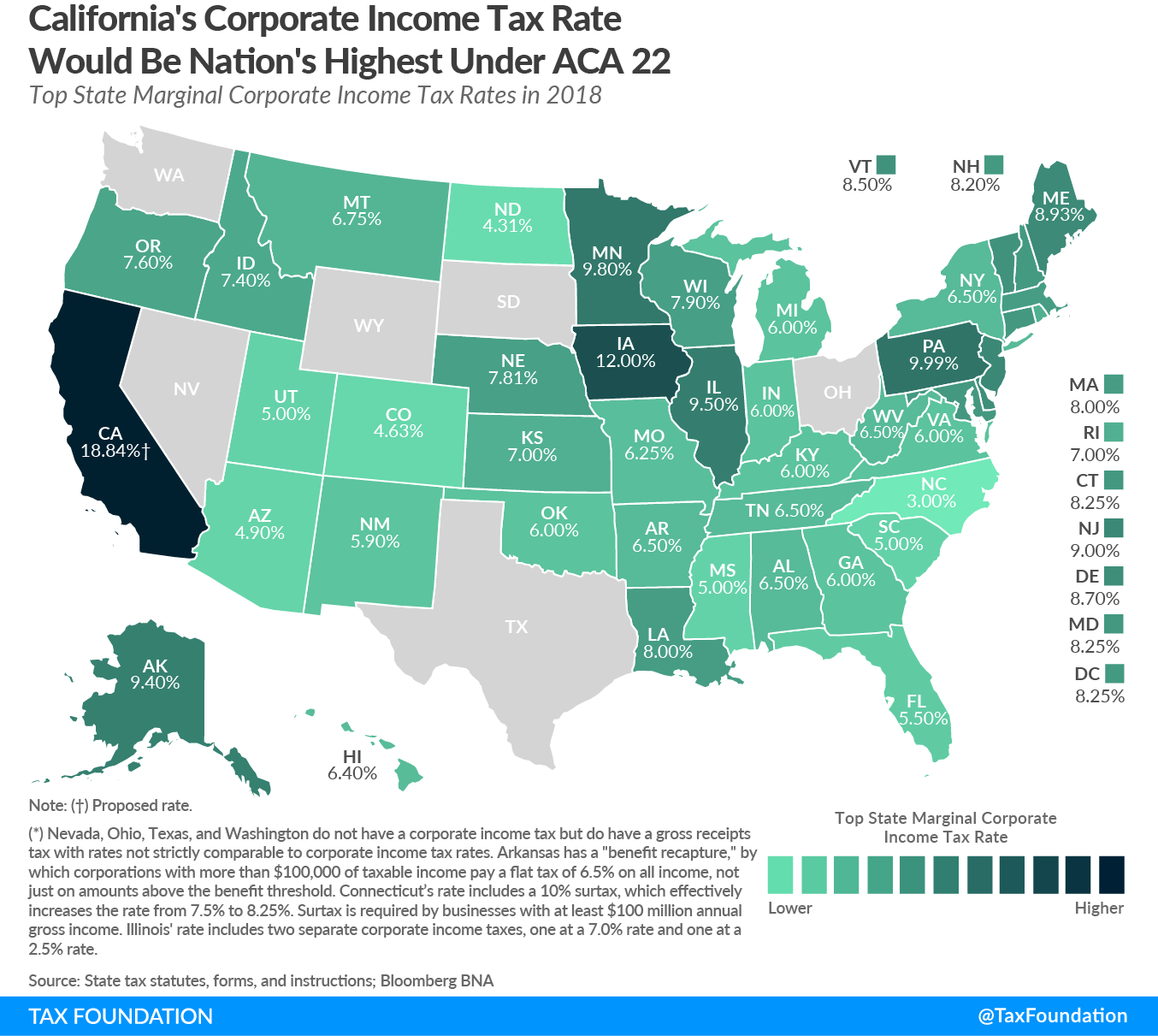
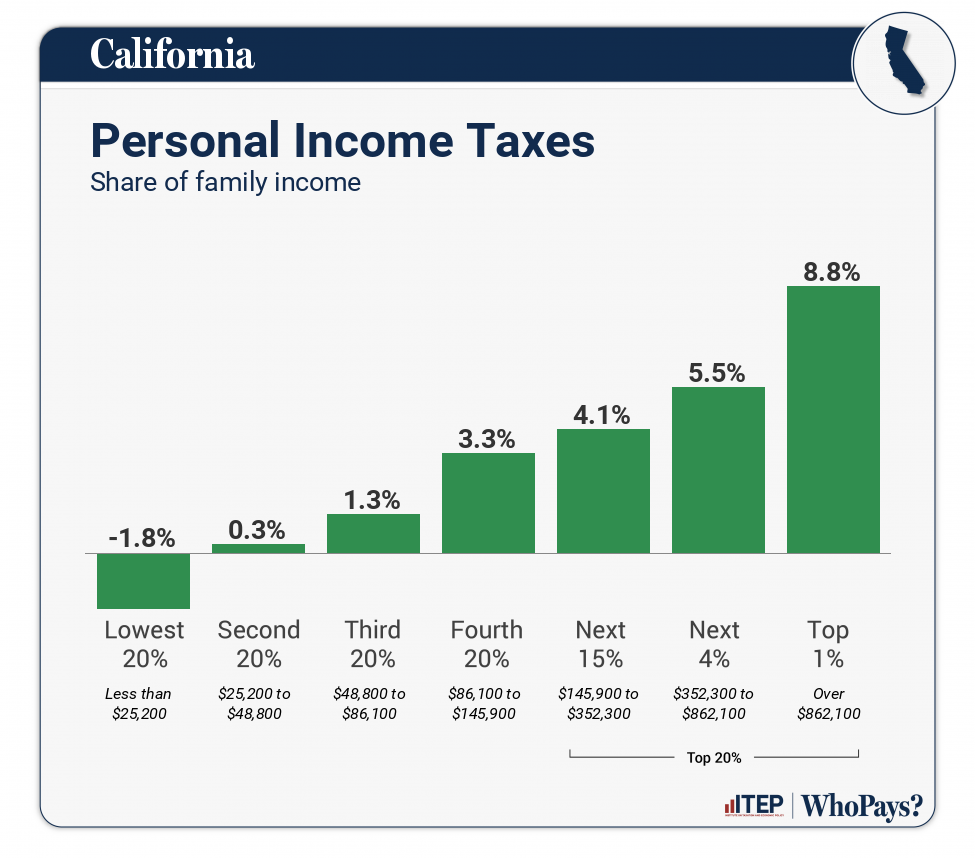
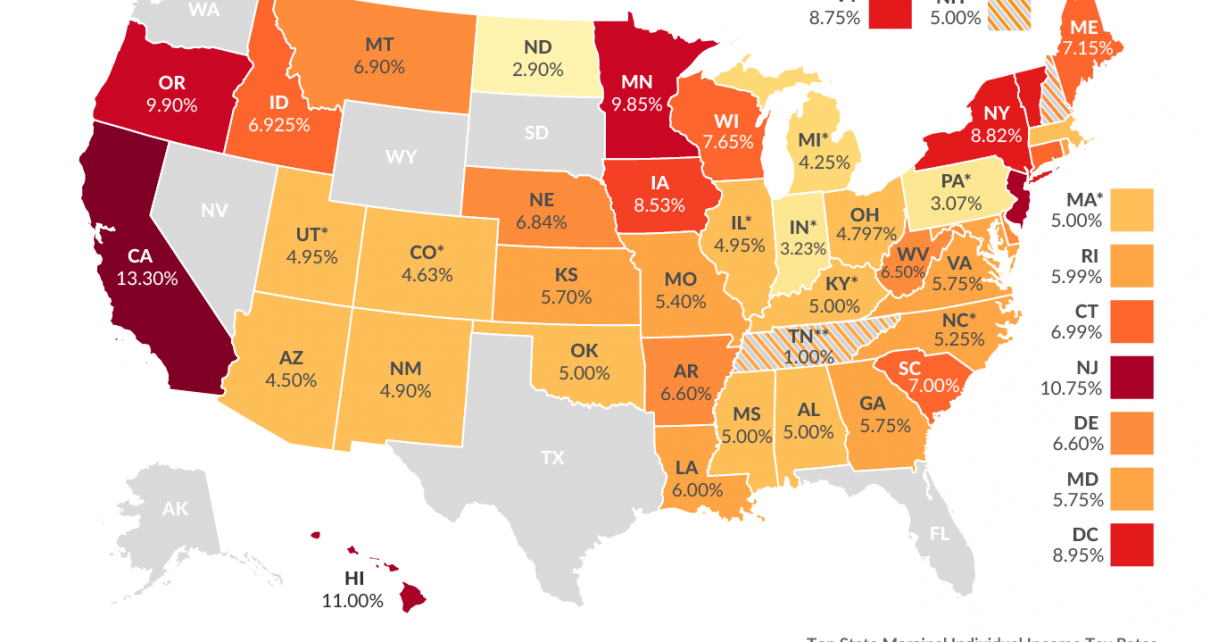
While income tax might not seem directly relevant to a short-term tourist, it’s a significant factor for anyone considering a longer stay, working remotely from California, or establishing residency. California boasts one of the most progressive income tax systems in the U.S., with rates that can reach into double digits for higher earners. This progressive structure means that those with higher incomes contribute a larger percentage of their earnings to state coffers.
For those contemplating a move or extended stay, understanding California’s income tax structure is critical for financial planning related to the “lifestyle” aspect. The state’s high cost of living, combined with its income tax rates, means that wages need to stretch further. While visitors aren’t typically concerned with state income tax on their home-country earnings, if you engage in any income-generating activities within California during a long-term visit, you may become subject to these taxes. These funds contribute to a wide array of public services, from education to healthcare, which indirectly contribute to the vibrant communities and attractions that make California so appealing. It’s a key piece of the puzzle for understanding the broader economic environment that shapes the Golden State.
Hidden Costs and Local Levies: A Comprehensive View
Beyond the major tax categories, California, with its fragmented local governance, has a myriad of smaller, sometimes unexpected, taxes and fees that can crop up.
- Rental Car Taxes and Fees: When you rent a car in California, you’ll encounter a suite of additional charges beyond the daily rental rate. These often include state and local surcharges, airport concession fees (if renting from an airport), vehicle license recovery fees, and tourism assessment fees. These can add 10-30% or more to the base rental cost. For example, a car rented at Los Angeles International Airport will have specific airport-related fees that differ from renting off-airport. Always factor these into your transportation budget.
- Cannabis Taxes: With recreational cannabis legal in California, visitors exploring dispensaries will encounter significant taxes. These include a state excise tax, cultivation taxes, and local sales taxes, often adding 25-35% or more to the purchase price. For those interested in this aspect of California’s liberal lifestyle, it’s an important budgetary consideration.
- Tourism Improvement Districts (TID) and Special Assessments: Some cities or regions have established TIDs, where an additional fee is added to hotel bills (similar to TOT, but for specific tourism-related initiatives) or even restaurant bills. These are usually small percentages but contribute to local marketing efforts or specific infrastructure projects aimed at enhancing the visitor experience. Always check your itemized bills carefully for these smaller, localized levies.
These various taxes and fees, while often small individually, can collectively add a considerable amount to your overall travel and living expenses in California.
Planning Your California Budget: Smart Strategies for Savvy Travelers
Successfully navigating California’s diverse tax landscape is key to a stress-free and enjoyable trip. By understanding where and how taxes apply, travelers can plan their budgets more accurately and make informed decisions that enhance their overall experience.
Researching Ahead: Knowing Local Tax Rates
The most effective strategy for managing taxes in California is proactive research. Before you book your accommodation, rent a car, or even plan your dining experiences, take a moment to look up the specific local sales and Transient Occupancy Tax (TOT) rates for your destination cities. Websites for city tourism boards, hotel associations, or even directly contacting your chosen hotel or vacation rental host can provide precise figures. Many online travel agencies and booking platforms now show a detailed breakdown of estimated taxes and fees during the booking process, which is an invaluable resource. This foresight is especially crucial for areas with particularly high tax rates, like popular coastal cities or major metropolitan hubs. Knowing that a luxury resort in San Francisco might have a higher combined tax rate than a boutique hotel inland can significantly influence your accommodation choices and budget allocation for luxury travel versus budget travel.
Maximizing Value: Tax-Efficient Travel Tips
While taxes are unavoidable, there are smart approaches to travel that can help you maximize your value:
- Consider Lodging Locations: Sometimes, staying just outside a major city’s core or a high-tax jurisdiction can result in a noticeably lower TOT rate. For example, if visiting Los Angeles, you might find slightly lower rates in neighboring cities compared to downtown LA or Beverly Hills, potentially saving you a significant amount over a multi-night stay. This strategy is particularly useful for extended family trips or longer visits.
- Factor in All-Inclusive Options (with caution): While truly all-inclusive resorts are less common in California than in other destinations, some packages might bundle various services. However, remember that even “all-inclusive” prices usually embed taxes and fees within them. Always clarify what’s included and if any additional taxes will be applied at check-out.
- Budget for the Extras: Beyond the advertised prices, always allocate an additional buffer in your budget specifically for taxes and fees. A general rule of thumb could be to add 15-20% to the base cost of accommodation, car rentals, and significant purchases, particularly in high-tax areas. This approach ensures you’re prepared for the final bill and avoids any unpleasant surprises.
- Understand Different Travel Styles: Whether you’re planning a business stay where expenses might be reimbursed, or a personal vacation, understanding the tax implications helps in financial reporting and personal budgeting. For business travelers, accurate expense tracking is vital, and knowing tax breakdowns simplifies this process.
Ultimately, California’s tax rates are an integral part of its economic fabric, funding the very infrastructure and services that enhance the visitor experience and maintain the state’s vibrant lifestyle. While they require careful consideration in your travel planning, they should not deter you from experiencing the incredible diversity and beauty that the Golden State has to offer. By approaching your California adventure with an informed perspective on taxes, you can ensure a smoother, more enjoyable, and truly unforgettable journey.
LifeOutOfTheBox is a participant in the Amazon Services LLC Associates Program, an affiliate advertising program designed to provide a means for sites to earn advertising fees by advertising and linking to Amazon.com. Amazon, the Amazon logo, AmazonSupply, and the AmazonSupply logo are trademarks of Amazon.com, Inc. or its affiliates. As an Amazon Associate we earn affiliate commissions from qualifying purchases.