
The question “What’s time in California now?” is often more than just a simple inquiry about the hour. For travelers, it’s the gateway to planning an unforgettable journey, understanding local rhythms, and ensuring a seamless experience across the Golden State’s diverse landscapes and vibrant cities. California, a land of cinematic dreams, innovation hubs, stunning national parks, and sun-drenched beaches, operates on a unique cadence that influences everything from booking a luxury suite in Beverly Hills to timing a hike in Yosemite National Park.
This article delves into the intricacies of California’s time zone, exploring how it impacts travel logistics, accommodation choices, and the array of tourism activities available. Whether you’re a first-time visitor or a seasoned explorer, understanding the temporal nuances of this iconic United States state is crucial for crafting an itinerary that maximizes every precious moment, ensuring your lifestyle preferences, from budget-friendly adventures to opulent getaways, are perfectly aligned with the local pulse.
Decoding California’s Time Zone: PST and PDT Explained
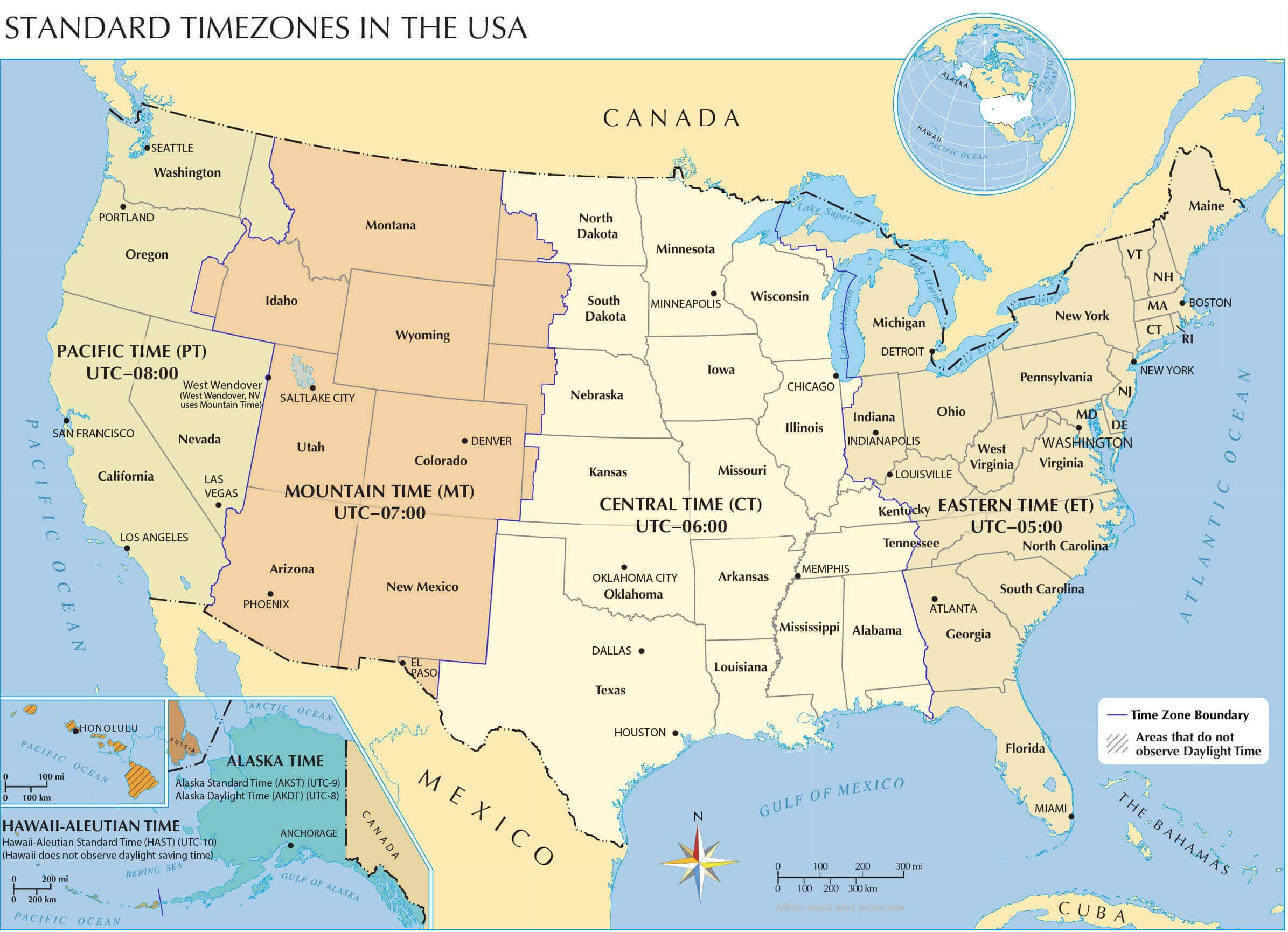
At its core, answering “What’s time in California now?” requires an understanding of the Pacific Time Zone, which governs the entire state. This zone observes two distinct phases throughout the year, a common practice across many parts of the United States to make better use of daylight.
The Basics: Pacific Standard Time (PST) and Pacific Daylight Time (PDT)
From early November to mid-March, California adheres to Pacific Standard Time (PST), which is eight hours behind Coordinated Universal Time (UTC-8). This means when it’s noon UTC, it’s 4 AM PST in California. This period covers the cooler months, often bringing crisp air to coastal cities and snow to mountain regions. For those planning winter escapes to ski resorts near Lake Tahoe or exploring the quiet deserts, PST sets the rhythm.
However, come mid-March, the clocks “spring forward” by one hour, ushering in Pacific Daylight Time (PDT). This adjustment shifts California to UTC-7, extending daylight into the evening hours. PDT remains in effect until early November, covering the popular spring, summer, and early autumn travel seasons. The longer evenings during PDT are perfect for enjoying sunsets over the Pacific in Malibu, experiencing the vibrant nightlife of Los Angeles, or lingering over wine tastings in Napa Valley. For international travelers, understanding this biannual shift is vital, as it can affect arrival times, connecting flights, and initial communication with local contacts.
Why Time Matters for Your California Journey
Beyond simply knowing the current hour, being aware of California’s time zone is foundational for efficient travel planning. For business travelers, syncing schedules across different time zones is paramount to avoid missed conference calls or delayed meetings. If you’re flying in from the East Coast of the United States or an international destination, anticipating the time difference is key to managing jet lag. A flight arriving at 8 PM PST might feel like 11 PM EST, making a late check-in at your Ritz-Carlton suite in San Francisco feel much later than it is.
Hotel check-in and check-out times, usually fixed at 3 PM and 11 AM respectively, become critical. Missing these windows due to time zone miscalculations can incur additional charges or complicate your arrival. Similarly, pre-booked tours, dinner reservations, or show tickets are strictly time-sensitive. A 7 PM reservation for a highly sought-after restaurant in Los Angeles means 7 PM Pacific Daylight Time during summer, not your home time zone. Neglecting this could lead to disappointment and wasted opportunities, especially when visiting popular attractions like Disneyland Park or Universal Studios Hollywood, where every minute counts in navigating crowds and maximizing rides.
Embracing the Golden State’s Diverse Rhythms and Experiences
California is a tapestry of varied landscapes and lifestyles, each with its own rhythm that subtly dictates how time is experienced. From the bustling metropolitan areas to the tranquil wilderness, the clock ticks differently depending on your chosen adventure.
From Sunrise to Sunset: Pacing Your Adventure Across California’s Regions
The pace of life and travel activities across California varies significantly. In San Diego, known for its laid-back atmosphere, mornings might start with a leisurely breakfast by the beach, followed by an afternoon exploring Balboa Park or visiting the famous San Diego Zoo. The evenings often revolve around relaxed dinners and casual strolls. Conversely, Los Angeles operates at a faster, more ambitious tempo. Mornings could involve an early hike to the Griffith Observatory for panoramic views, while days are packed with studio tours, museum visits to places like the Getty Center, and an evening dedicated to a show or a celebrity-spotting dinner in West Hollywood.
San Francisco, with its iconic fog and innovative spirit, offers a unique rhythm. Mornings can be cool and misty, ideal for a walk across the Golden Gate Bridge or a visit to Alcatraz Island. The city comes alive in the afternoons with bustling tech offices in Silicon Valley and vibrant neighborhoods like the Mission District. In contrast, the serene vineyards of Napa Valley encourage a slower pace, with wine-tasting tours often starting mid-morning and extending into luxurious gourmet lunches. Desert destinations like Palm Springs invite early morning golf games or hikes before the midday heat, followed by poolside relaxation and elegant evening dining under the stars. For nature enthusiasts, regions like Yosemite National Park, Joshua Tree National Park, or Sequoia National Park demand early starts to beat the crowds, catch the best light for photography, and complete longer trails before dusk.
Timing Your Visits: Optimal Seasons and Event Planning
The best time to visit California often depends on your interests, and understanding the state’s clock helps in planning around seasonal events and natural phenomena. Summer (June-August) is prime time for beach lovers, with extended daylight hours perfect for surfing in Huntington Beach or enjoying the Santa Monica Pier. However, it’s also peak tourist season, meaning higher prices for hotels and greater crowds at popular attractions.
Spring (March-May) and Fall (September-November) offer milder weather and fewer crowds, making them ideal for exploring cities, visiting Napa Valley or Carmel-by-the-Sea, or embarking on road trips along Big Sur. These seasons also host major events like the Coachella Valley Music and Arts Festival in spring or various film festivals in the fall. Winter (December-February) brings snow to the Sierra Nevada mountains, perfect for skiing at resorts around Lake Tahoe. Southern California remains relatively mild, allowing for comfortable visits to theme parks and the famous Rose Parade in Pasadena on New Year’s Day.
Timing your trip around these seasonal shifts and major events requires careful consideration of both the calendar date and the daily clock. Booking flights and accommodation months in advance is critical for popular periods, especially if you aim for specific events or holidays.
Crafting Your Ideal California Itinerary: Accommodation and Attractions
A memorable California trip hinges on thoughtful planning, with accommodation and attractions playing central roles. The state offers a spectrum of choices, catering to every taste and budget, all operating within the framework of Pacific Standard Time or Pacific Daylight Time.
Selecting Your Home Away From Home: Hotels, Resorts, and Unique Stays
California’s accommodation landscape is as diverse as its geography. From opulent five-star hotels like the Four Seasons in Santa Barbara to charming boutique inns in Sonoma and budget-friendly motels along historic Route 66, there’s something for everyone. For families or longer stays, serviced apartments and vacation rentals found on platforms like Airbnb offer flexibility and a home-away-from-home feel. Luxury resorts in Palm Springs provide indulgent retreats, while glamping sites near Joshua Tree National Park connect you with nature without sacrificing comfort.
When booking, always confirm check-in and check-out times, especially if arriving from a different time zone. Early arrivals might necessitate booking an extra night or arranging luggage storage to enjoy the area before your room is ready. Conversely, late departures might require a late check-out fee or finding a spot to store bags while you explore for a few extra hours. Many hotels offer amenities like 24-hour concierge services, fitness centers, and business facilities, providing convenience regardless of the hour. Consider the proximity to attractions, transport links, and dining options when choosing your accommodation, as this will save valuable travel time.
Iconic Landmarks and Must-See Attractions: Making Every Moment Count
California is home to some of the world’s most recognizable landmarks and attractions. Theme parks like Disneyland Park in Anaheim and Universal Studios Hollywood in Los Angeles require a full day, often opening early (around 8-9 AM) and closing late (9 PM or later), especially during peak season. Strategic planning, including arriving before opening, utilizing mobile apps for wait times, and staying until closing, is crucial to experience everything.
Beyond theme parks, natural wonders and cultural sites beckon. A visit to Yosemite National Park or Death Valley National Park benefits from early starts to explore trails and viewpoints before midday heat or crowds. In San Francisco, the Golden Gate Bridge is accessible 24/7, but a visit to Alcatraz Island requires booking specific ferry times well in advance. The Hollywood Walk of Fame is always there, but experiencing the buzz is best during daylight hours. From exploring the ancient redwoods of Muir Woods National Monument to riding the Ferris wheel on the Santa Monica Pier, each activity has an optimal time, often dictated by opening hours, lighting, and crowd levels.
Lifestyle and Logistics: Navigating California with Ease
Understanding California’s time zone and local rhythms extends beyond just booking and sightseeing; it permeates the entire lifestyle experience, from dining to daily logistics.
Beyond the Clock: California’s Culinary Scene and Nightlife
California’s food scene is as diverse as its population. From farm-to-table restaurants in wine country to innovative fusion cuisine in urban centers and authentic ethnic eateries, there’s a plate for every palate. The timing of meals can vary; while breakfast typically runs from 7 AM to 10 AM, brunch culture, especially in cities like Los Angeles and San Francisco, often extends until 2 PM. Lunch hours are standard (noon to 2 PM), but food trucks and casual eateries offer options throughout the day. Dinner is a significant event, with many high-end restaurants requiring reservations, often booked weeks in advance for prime slots (7 PM – 9 PM Pacific Daylight Time).
The nightlife in major cities like Los Angeles, San Francisco, and San Diego truly kicks off after 9 PM. Bars and clubs stay open until the early morning hours, typically 2 AM. Live music venues and theaters also operate on a schedule that allows for pre-show dinners and post-show drinks, perfectly aligning with the local clock. Whether you’re seeking a quiet sunset cocktail or a pulsating dance floor, knowing the local timing ensures you won’t miss out on the state’s vibrant social scene.
Practical Tips for a Seamless California Experience
Navigating California requires a few practical considerations to ensure a smooth journey. Given the state’s vastness, a rental car is often the most convenient way to explore, especially for road trips along the Pacific Coast Highway or visits to multiple national parks. However, in cities like Los Angeles and San Francisco, public transportation or ride-sharing services can be efficient, particularly during peak traffic hours. Always factor in commute times, as distances can be deceiving, and traffic can significantly impact your schedule.
Packing smart is also essential. California’s climate varies dramatically by region and even by time of day. A sunny morning in San Francisco can quickly turn into a foggy, chilly afternoon, while desert nights can be surprisingly cold. Layering is key, allowing you to adapt to changing temperatures. Staying connected is easy with widespread Wi-Fi and mobile service, but it’s always wise to download offline maps and essential travel information. Finally, budgeting your time as meticulously as your money will ensure you experience all the incredible attractions and activities without feeling rushed or overwhelmed. Embrace the local pace, whether it’s the energetic buzz of Orange County or the tranquil calm of Catalina Island, and allow for spontaneous detours – some of the best travel memories are unplanned.
In conclusion, “What’s time in California now?” is a question that opens the door to a deeper appreciation of this magnificent state. By understanding its time zones, diverse regional rhythms, and the practical implications for travel planning, accommodation, and activities, you empower yourself to create a truly unforgettable California experience. From the first light illuminating the Golden Gate Bridge to the late-night vibrancy of Los Angeles, every moment in California is an opportunity to explore, relax, and discover.
LifeOutOfTheBox is a participant in the Amazon Services LLC Associates Program, an affiliate advertising program designed to provide a means for sites to earn advertising fees by advertising and linking to Amazon.com. Amazon, the Amazon logo, AmazonSupply, and the AmazonSupply logo are trademarks of Amazon.com, Inc. or its affiliates. As an Amazon Associate we earn affiliate commissions from qualifying purchases.