
Imagine embarking on an eagerly anticipated journey to the Golden State, perhaps planning to explore the sun-kissed beaches of Laguna Beach, the vibrant cultural tapestry of San Francisco, or the iconic glamor of Los Angeles. Your itinerary might be meticulously planned, from booking a suite at the Four Seasons Resort Biltmore Santa Barbara to securing tickets for Universal Studios Hollywood. Yet, sometimes, the unexpected happens, casting a shadow over even the most meticulously planned lifestyle and travel experiences. One such unforeseen event, particularly relevant for anyone visiting or residing in California, is a “5150 hold.”

A 5150 hold refers to a section of the California Welfare and Institutions Code, allowing a qualified officer or clinician to involuntarily confine a person suspected of having a mental disorder that makes them a danger to themselves or others, or gravely disabled. While the primary focus of most travel guides and lifestyle blogs centers on optimizing your experiences—finding the best accommodations, savoring local cuisine, or discovering hidden gems—understanding the practicalities and, critically, the financial implications of a mental health emergency is an essential, albeit less glamorous, aspect of responsible travel and living. This article delves into the crucial question of “who pays” for a 5150 hold, exploring the roles of insurance, public programs, and individual responsibility, particularly through the lens of a traveler or temporary resident navigating the unique healthcare landscape of California. From the bustling streets of San Diego to the serene beauty of Yosemite National Park, a mental health crisis can occur anywhere, anytime, making preparedness paramount.
Understanding the 5150 Hold: A Primer for Visitors and Residents
The concept of a 5150 hold is often misunderstood, particularly by those unfamiliar with California’s specific mental health laws. For travelers, expatriates, or even new residents, encountering such a situation can be profoundly disorienting, disrupting meticulously planned trips to destinations like Napa Valley or a relaxing stay at a resort near Lake Tahoe. It’s vital to grasp what this legal provision entails and what occurs during such an intervention.
What is a 5150 Hold?
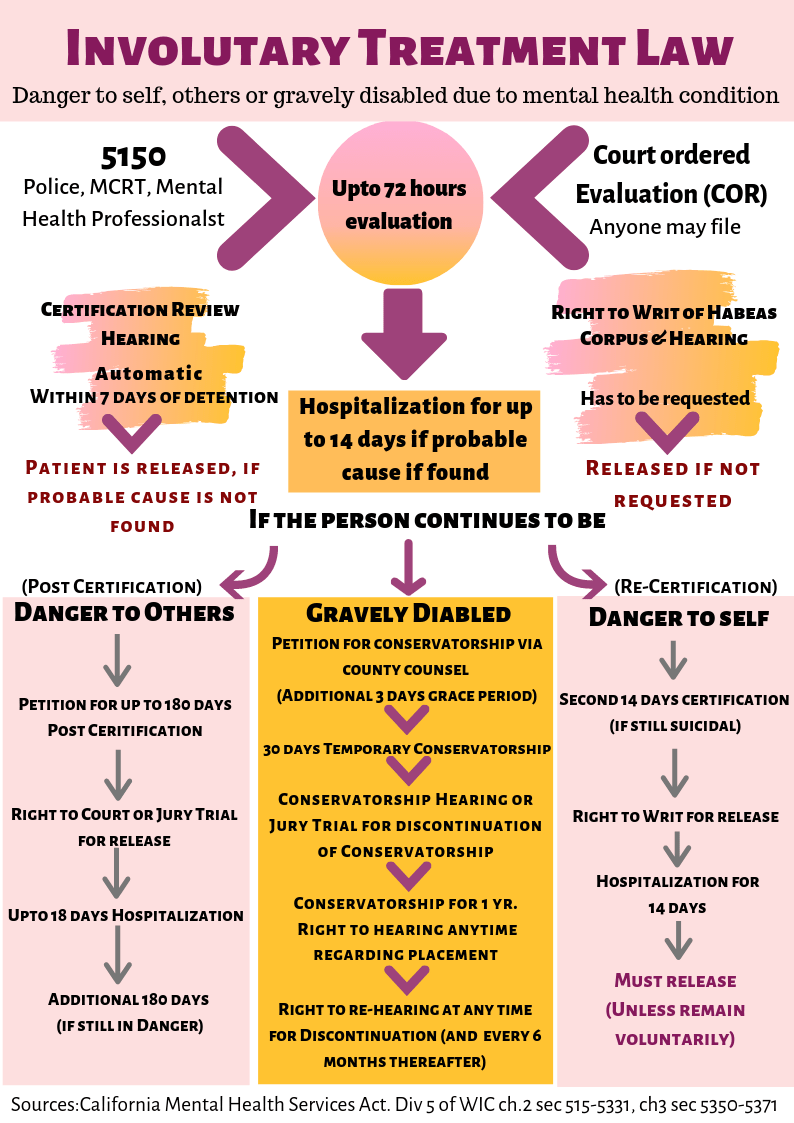
At its core, a 5150 hold is a statutory authorization for an involuntary psychiatric hospitalization for up to 72 hours. This hold is initiated when an individual, due to a mental disorder, is deemed to be a danger to themselves (suicidal), a danger to others (homicidal or violent), or gravely disabled (unable to provide for their basic needs for food, clothing, or shelter). The intention behind this law is to provide immediate, short-term stabilization and assessment in a secure environment.
The hold can be initiated by various qualified professionals, including peace officers (police, sheriff’s deputies), certain designated mental health professionals, or even paramedics under specific circumstances, often after receiving a call from a concerned family member, friend, or even a hotel staff member. Imagine a scenario where a traveler staying at the Ritz-Carlton, Laguna Niguel or a budget hotel in Sacramento experiences a severe panic attack or psychosis. If their behavior escalates to a point where they pose a danger, a 5150 hold might be implemented. This provision is not a punitive measure but rather a protective one, designed to offer immediate safety and clinical evaluation. The 72-hour period allows medical professionals to conduct a comprehensive assessment, stabilize the individual, and determine the next steps, which could include voluntary treatment, a longer hold (known as a 5250 hold), or release.
The Immediate Aftermath: What Happens During the Hold?
Once a 5150 hold is placed, the individual is transported to a designated psychiatric facility, emergency room, or hospital with psychiatric services. This is not necessarily a luxury mental health retreat but typically a secure, medically supervised environment. During the 72 hours, the person will undergo psychiatric evaluation, receive medication if deemed necessary, and participate in therapy sessions. The focus is on crisis intervention and stabilization.
For travelers, this can be particularly distressing. Not only are they in a vulnerable state, but they are also away from their familiar support systems, possibly in an unfamiliar part of California, far from their home city or even country. Their personal belongings might be at their hotel, their travel companions might be confused, and their planned itinerary, perhaps involving a visit to the Golden Gate Bridge or the Disneyland Resort, is entirely disrupted. Communication with the outside world might be limited, depending on the facility’s policies and the individual’s condition. The facility is obligated to inform the individual of their rights, including the right to a patient advocate and the right to judicial review. Understanding these immediate steps is crucial for anyone who might encounter such a situation, whether as the individual in crisis or a concerned loved one.
Navigating the Financial Labyrinth: Who Bears the Cost?
The financial burden associated with a 5150 hold and subsequent mental health treatment in California can be substantial, often catching individuals and their families off guard. This is especially true for travelers who might be relying on international health insurance or those unfamiliar with the complexities of the U.S. healthcare system. The question of “who pays” is multi-faceted, involving a delicate interplay of health insurance, public safety nets, and the potential for significant out-of-pocket expenses.
The Role of Health Insurance and Travel Insurance
For U.S. residents, the primary payer for a 5150 hold and subsequent treatment is typically their health insurance. Major providers like Blue Cross Blue Shield, Kaiser Permanente, or UnitedHealthcare will usually cover emergency psychiatric care, similar to how they cover other medical emergencies. However, coverage varies widely depending on the plan type (HMO, PPO), deductibles, co-pays, and whether the facility is in-network. For instance, being admitted to an out-of-network facility during an emergency in a city like Anaheim or Beverly Hills can lead to higher costs. It is crucial for residents to understand their plan’s mental health benefits, especially given federal mandates like the Mental Health Parity and Addiction Equity Act (MHPAEA), which requires most health plans to cover mental health and substance use disorder services at the same level as medical and surgical care.
For international travelers or domestic visitors without comprehensive U.S. health insurance, travel insurance becomes an invaluable lifeline. Most reputable travel insurance policies offer emergency medical benefits that can cover psychiatric emergencies, including a 5150 hold. However, it’s paramount to review the policy details meticulously.
- Medical Coverage: Does it specifically cover mental health crises and hospitalization? Some policies may have exclusions or limitations, particularly for pre-existing conditions or certain types of mental disorders.
- Emergency Evacuation: While a 5150 hold is unlikely to trigger an evacuation back home immediately, comprehensive medical coverage can facilitate appropriate care.
- Trip Interruption/Cancellation: If a mental health emergency cuts short or significantly alters your visit to landmarks like the Santa Monica Pier or your stay in Palm Springs, some policies might offer reimbursement for unused accommodations or transportation.
Purchasing robust travel insurance before any trip to California is a critical lifestyle choice, transforming a potentially catastrophic financial event into a manageable one. Without it, visitors are left to bear the full brunt of U.S. healthcare costs, which can quickly ascend into thousands or even tens of thousands of dollars for a 72-hour hold and subsequent care.
Public Programs and County Responsibility
In situations where an individual lacks private insurance or their insurance is insufficient, California’s public health system and county services may step in.
- Medi-Cal: This is California’s Medicaid program, providing free or low-cost health coverage for eligible low-income adults, children, and people with disabilities. While primarily for residents, emergency care may be covered for those who qualify, even temporarily. However, qualifying can be a complex and lengthy process, making it less practical for short-term visitors.
- County Mental Health Services: Each county in California is responsible for providing mental health services to its residents, particularly for those without insurance or with limited means. If a 5150 hold is initiated, the county where the hold occurs often assumes some financial responsibility, especially for indigent individuals. These services are typically delivered through county-operated clinics or contracted providers. For non-residents, navigating this system can be challenging, but emergency care will not be denied. The individual or their family will, however, likely be billed, and the county may attempt to recover costs from their home state or country, or from them directly.
- Medicare: For eligible seniors and some individuals with disabilities, Medicare Part A covers inpatient hospital care, including psychiatric hospitalization. Part B covers outpatient mental health services. Understanding how Medicare coordinates with supplemental insurance is vital for beneficiaries.
While these public safety nets exist, they are not a guaranteed solution for every scenario, especially for non-residents. The best defense against unexpected medical bills remains comprehensive private health or travel insurance.
Out-of-Pocket Expenses: The Unforeseen Burden
Even with insurance, individuals might face significant out-of-pocket expenses. These can include:
- Deductibles: The amount you must pay before your insurance starts to cover costs.
- Co-pays/Co-insurance: A fixed amount or percentage of the cost you pay for covered services.
- Non-covered services: Certain specialized treatments or amenities might not be fully covered.
- Travel and Accommodation Costs: Beyond medical bills, a 5150 hold can lead to unforeseen expenses like extended hotel stays for family members, new flight bookings, or even the cost of retrieving belongings from a hotel room. Imagine a family trip to Death Valley National Park being cut short, leading to non-refundable expenses and new bookings.
- Post-Hold Care: The 72-hour hold is just the beginning. The individual will likely need follow-up appointments, medication, and possibly ongoing therapy. These costs continue beyond the initial emergency.
For a traveler, the financial implications of an unplanned medical event like a 5150 hold can quickly derail not only their current trip but also future travel plans and overall financial well-being. It underscores the importance of adequate preparation and robust insurance coverage as fundamental aspects of a stress-free travel lifestyle.
Practical Considerations for Travelers and Long-Term Stays in California
A mental health crisis abroad or even away from home in a different state presents unique challenges that extend beyond medical and financial concerns. For those exploring the Mendocino Coast or enjoying the vibrant culture of the Hollywood Walk of Fame, preparedness can significantly mitigate the distress and disruption caused by a 5150 hold.
Preparing for the Unexpected: Insurance and Emergency Planning
Prior to any trip to California, especially a long-term stay, proactive planning is crucial.
- Review Insurance Policies: Thoroughly understand your health insurance and travel insurance coverage for mental health emergencies. Confirm if your policy covers involuntary psychiatric holds and the specific services provided. If traveling internationally, ensure your travel insurance is comprehensive and covers U.S. healthcare costs, which are notoriously high.
- Emergency Contacts: Keep a list of emergency contacts readily accessible, including family members, trusted friends, and your insurance provider’s 24/7 emergency line. Inform your travel companions about who to contact and what steps to take if you become incapacitated.
- Medical Information: Carry essential medical information, including known allergies, current medications (with dosages), and any pre-existing mental health conditions. A brief letter from your home country’s doctor outlining your mental health history can be invaluable if you need care in California.
- Local Resources: Research mental health hotlines or crisis intervention services in the areas you plan to visit, whether it’s Big Sur’s serene landscapes or Catalina Island‘s resorts. Knowing these resources can help prevent a crisis from escalating to a 5150 hold.
Seeking Support and Resources While Away From Home
Should a crisis occur, knowing where to turn for help is vital.
- Consular Services (for international travelers): Your country’s embassy or consulate in Los Angeles or San Francisco can provide assistance. They can help locate an attorney, communicate with family, and provide information about local resources, though they generally cannot intervene in medical or legal decisions.
- Patient Advocates: During a 5150 hold, individuals have the right to a patient advocate. These professionals can explain rights, navigate the system, and facilitate communication, offering crucial support during a confusing and vulnerable time.
- Mental Health Hotlines: National and local crisis hotlines (e.g., the 988 Suicide & Crisis Lifeline) are available 24/7 to provide immediate support and connect individuals to resources. These are often the first point of contact for someone experiencing distress.
The Impact on Your California Travel Experience
A 5150 hold undeniably changes the trajectory of a California road trip or a carefully planned vacation. It shifts the focus from sightseeing and relaxation to acute medical care and personal well-being.
- Trip Disruption: Immediate cessation of travel plans, potential loss of prepaid bookings for hotels, tours, or experiences. This can be financially and emotionally draining.
- Emotional Toll: Beyond the individual in crisis, family members or travel companions often experience immense stress, anxiety, and helplessness, impacting their enjoyment of the trip.
- Logistical Challenges: Managing belongings left behind at a hotel, coordinating with travel partners, and arranging for post-hold transportation and accommodation become paramount concerns.
- Reputation and Privacy: While medical information is confidential, the nature of a 5150 hold means that hotel staff or emergency responders might become aware of the situation, potentially impacting one’s privacy and comfort during future stays.
Acknowledging these potential impacts is not meant to deter travel but rather to foster a more realistic and prepared approach to managing the unforeseen. Understanding these aspects aligns with a holistic view of lifestyle and travel, emphasizing preparedness as much as pleasure.
Beyond the Hold: Recovery and Continued Care
The 72-hour 5150 hold is a critical intervention, but it’s merely the first step in a longer journey toward mental well-being. For someone who has experienced such a crisis, especially while away from their primary support system, the period following the hold is crucial for recovery and ensuring sustained stability. This involves a focus on follow-up services and integrating mental wellness into one’s overall lifestyle.
Post-Hold Support and Follow-Up Services
Upon release from a 5150 hold, individuals are typically provided with a discharge plan. This plan might include recommendations for ongoing therapy, medication management, support groups, and referrals to outpatient mental health clinics.
- Outpatient Treatment: Accessing outpatient services is essential to prevent recurrence of crisis. For travelers, this might mean finding short-term therapy options or coordinating care with their home country’s healthcare providers. Telehealth services have made this more accessible, allowing individuals to connect with their regular therapists even while in California.
- Medication Adherence: If new medications were prescribed during the hold, understanding their purpose, dosage, and potential side effects, and ensuring access to refills, is vital. Pharmacists in California can offer guidance, but coordinating with primary care physicians or psychiatrists is often necessary.
- Support Networks: Reconnecting with family, friends, or a local support group can provide the emotional scaffolding needed for recovery. For those traveling solo, finding community support, even temporarily, can make a significant difference. Many cities, from San Jose to Fresno, have local mental health resources that can offer connections.

Mental Wellness: A Lifestyle Priority
The experience of a 5150 hold, though challenging, can serve as a potent reminder of the importance of mental wellness as an integral part of a fulfilling lifestyle, whether at home or traveling. Just as one might plan for physical health by eating well or exercising, nurturing mental health is equally crucial.
- Proactive Self-Care: Incorporating stress-reduction techniques, mindfulness practices, and ensuring adequate rest are lifestyle choices that contribute to mental resilience. This is particularly important for those who engage in frequent travel, which can sometimes be inherently stressful.
- Awareness and Education: Educating oneself about mental health conditions, symptoms, and available resources can empower individuals to seek help early and support others. Reducing the stigma associated with mental health struggles is a collective responsibility.
- Holistic Travel Planning: Beyond booking flights and hotels, consider including mental wellness checks in your travel preparation. This could involve packing comfort items, planning downtime, and knowing your personal triggers. A vacation should be restorative, and proactively managing mental health ensures it remains so.
Ultimately, while the financial implications of a 5150 hold in California are significant and complex, understanding “who pays” extends beyond mere monetary costs. It encompasses the emotional, logistical, and personal tolls. By prioritizing comprehensive insurance, diligent planning, and a proactive approach to mental wellness, individuals can better navigate the unexpected challenges that life—and travel—may present, ensuring that their experiences in the Golden State remain vibrant and enriching, even if an unforeseen detour occurs.
LifeOutOfTheBox is a participant in the Amazon Services LLC Associates Program, an affiliate advertising program designed to provide a means for sites to earn advertising fees by advertising and linking to Amazon.com. Amazon, the Amazon logo, AmazonSupply, and the AmazonSupply logo are trademarks of Amazon.com, Inc. or its affiliates. As an Amazon Associate we earn affiliate commissions from qualifying purchases.