
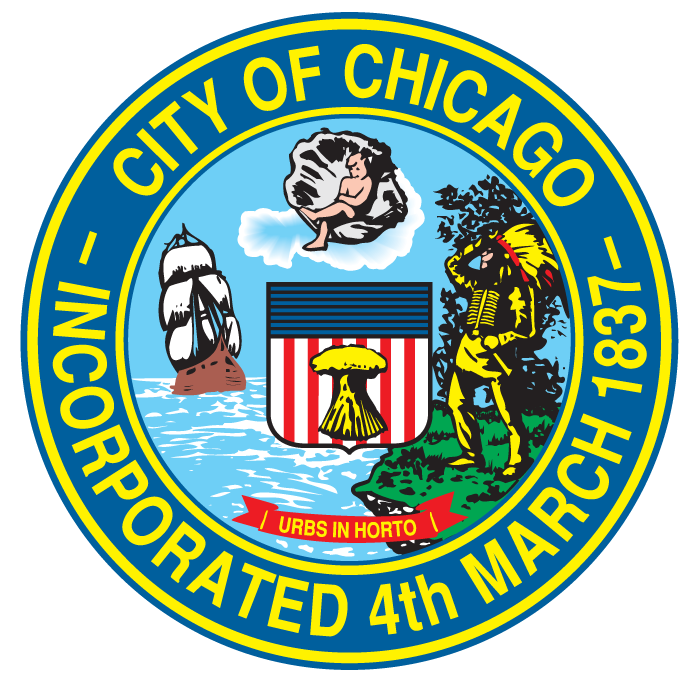
The story of Chicago is one of remarkable transformation, rapid growth, and unwavering resilience. From its humble beginnings as a strategic trading post to its current status as a global metropolis, the city on the southwestern shores of Lake Michigan has continuously redefined itself. To understand its profound impact on American culture, economy, and urban planning, one must first look back to a pivotal moment in its history: its official incorporation. So, when exactly did this significant event take place? Chicago was incorporated as a city on March 4, 1837.
This date marks a crucial turning point, elevating a burgeoning frontier settlement into a legitimate urban entity poised for exponential expansion. The decision to incorporate was not merely a formality; it was a recognition of the area’s burgeoning population, strategic geographical importance, and the ambitious spirit of its early inhabitants. This pivotal step laid the groundwork for the infrastructural development, legal frameworks, and community organization that would propel Chicago onto the world stage, making it not just a city, but a symbol of American progress and ingenuity. For travelers and history enthusiasts alike, understanding this foundational moment enriches any visit to the Windy City, offering a deeper appreciation for the layers of history beneath its iconic skyline and vibrant modern lifestyle.
The Birth of a Metropolis: Early Chicago
Before its formal incorporation, the area now known as Chicago was already a place of significant strategic value, drawing various groups to its shores. The land, originally home to indigenous peoples like the Potawatomi, Miami, and Illinois tribes, was a natural crossroads for waterways connecting the Great Lakes to the Mississippi River basin. This unique geographical advantage destined it to become a hub for trade and transportation, even in its earliest days.
From Trading Post to Township
The first non-indigenous permanent settler in Chicago was Jean Baptiste Point du Sable, a man of Haitian and French descent, who established a thriving trading post near the mouth of the Chicago River in the late 1770s. His enterprise, focused on furs and other goods, laid the commercial foundation for what would become a bustling city. Following his departure, John Kinzie acquired du Sable’s property in 1804, further solidifying the area’s role as a trading center.
The United States government recognized the strategic importance of the site and, in 1803, constructed Fort Dearborn at the mouth of the Chicago River. While the fort’s early years were marked by conflict, particularly the Fort Dearborn Massacre in 1812 during the War of 1812, its rebuilding in 1816 signaled a renewed commitment to the location. The fort attracted more settlers, merchants, and land speculators, drawn by the promise of prosperity.
By the 1830s, the population had swelled, fueled by the prospect of the Illinois and Michigan Canal, which would create a navigable water link between the Great Lakes and the Mississippi River. This infrastructural dream transformed the once-remote outpost into a magnet for investment and immigration. On August 5, 1833, the Town of Chicago was organized, with a population of approximately 350 people. This town status provided a basic framework for local governance, but as the population continued to surge – reaching over 4,000 by 1837 – the limitations of a town government became apparent. The need for more robust services, infrastructure, and legislative power led directly to the petition for city incorporation. Thus, on March 4, 1837, the Illinois General Assembly granted Chicago its city charter, marking the official birth of one of America’s most dynamic urban centers. This incorporation set the stage for explosive growth, attracting diverse populations and laying the foundation for a rich tapestry of local culture, culinary innovation, and world-class attractions that continue to captivate visitors today.
Defining Moments: Chicago’s Road to Growth and Resilience
The incorporation of Chicago in 1837 was merely the prelude to a series of transformative events that would forge its identity as a city of unparalleled resilience and visionary ambition. These defining moments not only shaped its physical landscape but also instilled a spirit of innovation and determination that continues to define the Chicago lifestyle and its appeal as a global travel destination.
The Great Chicago Fire and Rebirth
Perhaps no event is more synonymous with Chicago’s indomitable spirit than the Great Chicago Fire of October 1871. In just three devastating days, the inferno, which famously began in a barn owned by Patrick and Catherine O’Leary, swept through the city, destroying over three square miles and leaving more than 100,000 people homeless. The fire decimated the city’s central business district and much of its residential areas, obliterating structures primarily built of wood. The scale of the destruction was immense, and for many, it seemed an insurmountable catastrophe.
However, rather than succumbing to despair, the people of Chicago demonstrated an extraordinary capacity for rebuilding. With astonishing speed and an unwavering resolve, the city rose from the ashes stronger and more modern than before. This period of reconstruction, fueled by a renewed sense of purpose, attracted visionary architects and engineers who would fundamentally reshape urban design. Figures like Louis Sullivan, Daniel Burnham, and Frank Lloyd Wright were instrumental in pioneering the skyscraper and developing modern architectural principles. They championed innovative building techniques using steel frames and masonry, ensuring that the new Chicago would be a city of enduring structures. This rapid rebuilding not only showcased the city’s economic dynamism but also established its reputation as a birthplace of modern architecture, a legacy evident in the stunning Chicago landmarks that draw millions of tourists each year. The spirit of resilience forged in the fire is deeply embedded in the city’s character, inspiring everything from its robust cultural scene to its diverse accommodation options.
A World’s Stage: The Columbian Exposition
Just two decades after the devastating fire, Chicago once again stunned the world by hosting the World’s Columbian Exposition in 1893. This monumental event, commemorating the 400th anniversary of Christopher Columbus’s arrival in the Americas, was a testament to the city’s astonishing recovery and its audacious vision for the future. Led by master planner Daniel Burnham, the exposition transformed 690 acres of marshland in Jackson Park into a breathtaking “White City” of neoclassical buildings, lagoons, and ornate sculptures.
The World’s Columbian Exposition was a spectacle of technological innovation, artistic achievement, and cultural exchange. It introduced groundbreaking inventions like the Ferris wheel, showcased advances in electricity, and brought together diverse cultures from around the globe. The fair profoundly impacted American architecture, urban planning, and the arts, inspiring the “City Beautiful” movement and cementing Chicago’s status as a major global city. Millions of visitors flocked to the fair, experiencing firsthand the city’s remarkable rebirth and its forward-thinking spirit. This event not only put Chicago on the map as a premier destination but also laid the conceptual groundwork for future urban development and parks that define much of the contemporary Chicago tourism experience. The legacy of the exposition can still be seen in the city’s beautiful parks, its commitment to grand public spaces, and its ongoing dedication to innovation, making it an irresistible destination for travelers seeking both history and modern amenities.

Experiencing Modern Chicago: A Legacy Forged in History
Today, Chicago stands as a vibrant testament to its rich history, a city where the echoes of its past blend seamlessly with a dynamic present. The spirit of resilience, innovation, and ambition that defined its early days and its recovery from the Great Chicago Fire continues to shape its identity as a global hub for travel, tourism, and lifestyle. For anyone planning a trip, Chicago offers an unparalleled array of destinations, attractions, and experiences that cater to every type of traveler.
Iconic Landmarks and Architectural Wonders
The city’s skyline is a living museum of architectural innovation, a direct result of the post-fire rebuilding and the visionary ideas from the World’s Columbian Exposition. Architectural boat tours on the Chicago River are among the most popular attractions, offering stunning perspectives on engineering marvels like the Willis Tower (formerly the Sears Tower), one of the tallest buildings in the Western Hemisphere. Visitors can ascend to the Skydeck for panoramic views of the city and Lake Michigan.
Millennium Park is another must-visit landmark, home to the iconic “Cloud Gate” sculpture, affectionately known as “The Bean,” as well as the Crown Fountain and the Jay Pritzker Pavilion, which hosts numerous free concerts and events. Adjacent to it is Grant Park, often referred to as “Chicago’s Front Yard,” which features the majestic Buckingham Fountain.
Beyond modern marvels, Chicago’s commitment to culture is evident in its world-class museums. The Art Institute of Chicago, consistently ranked among the top museums globally, boasts an encyclopedic collection spanning centuries and cultures. Natural history enthusiasts will be captivated by the Field Museum, while the Shedd Aquarium offers an immersive journey into aquatic life. For a celestial experience, the Adler Planetarium provides breathtaking views of the cosmos and the city skyline. Each of these institutions contributes significantly to Chicago’s tourism appeal, offering enriching experiences for all ages.
Beyond the Buildings: Culture, Cuisine, and Contemporary Life
Chicago’s allure extends far beyond its impressive architecture and historical landmarks. The city is a vibrant tapestry of local culture, offering an incredibly diverse culinary scene, a legendary music heritage, and an endless array of activities.
No visit to Chicago is complete without indulging in its famous deep-dish pizza, a culinary institution that has delighted palates for decades. However, the city’s food scene is far more expansive, boasting numerous Michelin-starred restaurants, innovative farm-to-table eateries, and a global smorgasbord reflecting its diverse population. Neighborhoods like the West Loop and Fulton Market District have become gastronomic havens, while areas like Little Italy and Chinatown offer authentic international flavors.
Music is the soul of Chicago. As the birthplace of electric blues and a major center for jazz, the city’s legendary venues, from historic blues clubs in the South Side to lively jazz clubs in Uptown, keep its musical heritage alive. Major festivals such as the Chicago Blues Festival and the Chicago Jazz Festival draw international crowds annually. The thriving theater scene, anchored by the historic Broadway in Chicago venues, offers everything from award-winning musicals to experimental plays.
For shopping enthusiasts, the Magnificent Mile on Michigan Avenue provides a luxurious retail experience with high-end boutiques and department stores. Navy Pier offers family-friendly entertainment, dining, and scenic views of the skyline and Lake Michigan, including its iconic Ferris wheel. Sports fans can catch a Cubs game at historic Wrigleyville or experience the electric atmosphere of a Bulls or Blackhawks game at the United Center. Each neighborhood, from the trendy River North to the historic Gold Coast and the artistic Hyde Park, offers its unique charm and array of activities.

Planning Your Chicago Lifestyle: Accommodation and Travel Tips
Chicago caters to every lifestyle and budget when it comes to accommodation and travel. Whether you’re planning a luxury travel escape, a budget travel adventure, a family trip, or a business stay, the city offers a diverse range of hotels, resorts, suites, and apartments.
For those seeking opulence and unparalleled amenities, Chicago boasts some of the world’s most luxurious hotels. Iconic establishments like the Palmer House Hilton, one of the oldest continually operating hotels in North America, offer a blend of history and grandeur. Other top-tier options include The Peninsula Chicago, renowned for its impeccable service and award-winning spa, The Langham Chicago, located in a landmark Mies van der Rohe building along the Chicago River, and the Four Seasons Hotel Chicago, providing stunning views of the Magnificent Mile. For a boutique luxury experience, consider Thompson Chicago in the Gold Coast or The Gwen, a Luxury Collection Hotel, Chicago, known for its art deco elegance and prime location. Upscale accommodations like the Waldorf Astoria Chicago, The Ritz-Carlton, Chicago, and the Fairmont Chicago, Millennium Park provide exceptional comfort and proximity to key attractions.
Mid-range and budget-friendly options are plentiful, particularly around the Loop and other accessible neighborhoods, offering comfortable stays without compromising on convenience. Many hotels offer suites ideal for family trips or long-term stays, and platforms for booking and comparison make finding the perfect fit easy. Reading reviews beforehand can help narrow down choices based on desired amenities and location.
Getting to Chicago is straightforward, with two major international airports: O’Hare International Airport (ORD) and Midway International Airport (MDW), both well-connected to the city center via public transportation (the ‘L’ train). The city’s comprehensive public transit system makes navigating between attractions and neighborhoods effortless, offering flexibility for exploring at your own pace. For those embarking on a business trip, Chicago’s extensive convention centers and business-friendly hotels ensure productive and comfortable stays.
Whether you’re drawn by the echoes of its historic incorporation, the resilience of its architecture, the vibrancy of its culture, or the warmth of its hospitality, Chicago promises an unforgettable travel experience. It’s a city that continuously reinvents itself while honoring its profound past, making it a perennial favorite among destinations worldwide. From its early days as a small settlement to its modern status as a global powerhouse, Chicago’s journey is a remarkable tale worth experiencing firsthand.
LifeOutOfTheBox is a participant in the Amazon Services LLC Associates Program, an affiliate advertising program designed to provide a means for sites to earn advertising fees by advertising and linking to Amazon.com. Amazon, the Amazon logo, AmazonSupply, and the AmazonSupply logo are trademarks of Amazon.com, Inc. or its affiliates. As an Amazon Associate we earn affiliate commissions from qualifying purchases.