
South Florida is a vibrant tapestry of cities, each with its unique charm and rhythm. Among the most popular destinations are Miami, renowned for its dazzling beaches and energetic nightlife, and Fort Lauderdale, often celebrated as the “Venice of America” with its intricate canal system and more relaxed ambiance. Travelers often find themselves asking about the distance between these two iconic cities, particularly when planning itineraries that aim to capture the best of both worlds. The good news is that Miami and Fort Lauderdale are remarkably close, making it incredibly convenient to explore the attractions, culture, and lifestyle each offers. This proximity not only simplifies travel logistics but also opens up a wealth of possibilities for diverse vacation experiences, whether you’re looking for luxury travel, a budget-friendly escape, a family adventure, or a business stay.
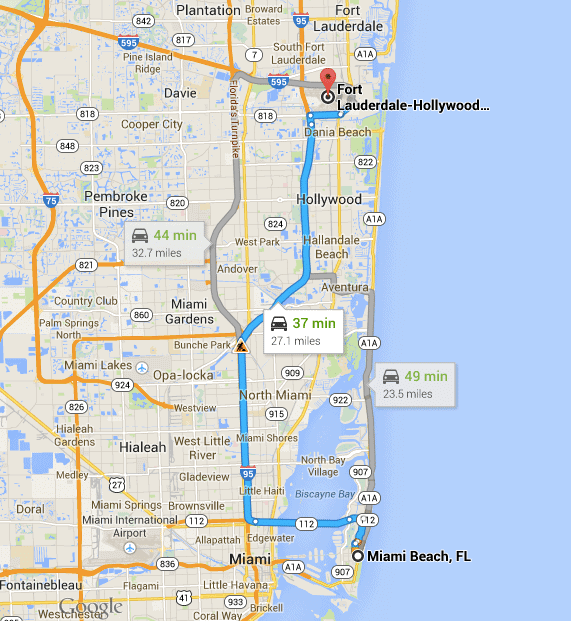
The Proximity: Unveiling the Distance Between Miami and Fort Lauderdale
Understanding the exact distance and typical travel times between Miami and Fort Lauderdale is the first step in planning any trip to this captivating region. Their close geographical relationship is a significant advantage for tourists and locals alike, enabling seamless transitions between distinct urban and coastal environments.
Direct Distance vs. Driving Distance
While the straight-line distance, often referred to as “as the crow flies,” between the city centers of Miami and Fort Lauderdale is approximately 25 miles (40 kilometers), the actual driving distance is slightly longer due to road networks. Depending on your specific starting and ending points within each metropolitan area, the driving distance typically ranges from 30 to 35 miles (48 to 56 kilometers).
The primary routes connecting these two cities are I-95, a major interstate highway that runs parallel to the coast, and US-1, also known as Federal Highway, which offers a more scenic, if sometimes slower, journey through various towns and commercial districts. Under ideal traffic conditions, the drive can take around 30 to 45 minutes. However, it’s crucial to factor in South Florida‘s notorious rush-hour traffic, which can easily extend travel times to 60 minutes or even more, particularly during weekday mornings and late afternoons. Utilizing navigation apps that provide real-time traffic updates is highly recommended for the most accurate travel predictions.
Why the Proximity Matters for Travelers
The short distance between Miami and Fort Lauderdale offers numerous benefits for travelers looking to maximize their Florida experience:
- Easy Day Trips: Staying in one city doesn’t mean you can’t explore the other. Day trips between Miami and Fort Lauderdale are incredibly convenient, allowing visitors to enjoy Miami’s bustling arts scene and vibrant nightlife one day, and Fort Lauderdale’s serene beaches and canal tours the next.
- Strategic Base Camp Options: Travelers can choose to base themselves in either city and easily access attractions in both. This flexibility is especially beneficial for those seeking specific types of accommodation, whether it’s the luxury resorts of South Beach or the family-friendly hotels near Fort Lauderdale Beach.
- Access to Multiple Airports: South Florida is served by two major international airports: Miami International Airport (MIA) and Fort Lauderdale-Hollywood International Airport (FLL). The close proximity means travelers can often find better flight deals by comparing prices to both airports, knowing that getting to their final destination in either city will be relatively simple.
- Cruise Capital Convenience: Both cities are home to world-renowned cruise ports: PortMiami, the “Cruise Capital of the World,” and Port Everglades in Fort Lauderdale, one of the busiest cruise ports globally. This dual access provides unparalleled options for pre- and post-cruise stays, allowing passengers to enjoy the distinct flavors of both cities before or after their maritime adventure.
Navigating the Journey: Transportation Options
Traveling between Miami and Fort Lauderdale offers a range of transportation choices, catering to different budgets, preferences, and travel styles. Each option comes with its own set of advantages, from the flexibility of driving to the comfort of modern rail travel.
Driving: The Most Flexible Choice
For many visitors, driving remains the preferred method of transport due to its unparalleled flexibility and convenience.
- Rental Cars: Numerous car rental agencies operate at both MIA and FLL, offering a wide selection of vehicles to suit any need, from compact cars for budget-conscious travelers to SUVs for families. Having a rental car allows you to explore beyond the city centers, visiting Everglades National Park or other regional attractions at your own pace.
- Ride-Sharing Services: Services like Uber and Lyft are readily available in both cities, offering a convenient door-to-door service without the hassle of parking. This is a popular option for those who prefer not to drive or are looking for a quick transfer between airports or cruise ports. Fares can vary based on demand and time of day.
- Taxis: Traditional taxis are also an option, easily found at airports, hotels, and major attractions. While often more expensive than ride-sharing, they provide a reliable alternative, particularly for those who prefer a more conventional service.
- Toll Roads: Be aware that some routes, particularly Florida’s Turnpike (a faster alternative to I-95 for some stretches), involve tolls. Many rental cars come with transponders (like SunPass), and ride-sharing services include tolls in their fare. Visitors driving their own vehicles should plan accordingly.
- Parking: Finding and paying for parking can be a consideration, especially in popular areas of Miami Beach and downtown Miami. Fort Lauderdale generally has more accessible and affordable parking options.
Public Transportation & Rail: A Stress-Free Alternative
For those who prefer to avoid driving, South Florida offers increasingly robust public transportation options.
- Brightline: This inter-city higher-speed rail service is a game-changer for travel between Miami and Fort Lauderdale. Brightline offers comfortable seating, Wi-Fi, food and beverage service, and a quick journey, typically under 30 minutes between downtown stations. Its stations are strategically located in downtown Miami and downtown Fort Lauderdale, with last-mile connectivity options like ride-sharing, shuttles, or local transit available from the stations. Brightline is an excellent choice for business travelers and tourists seeking a premium, efficient, and relaxing way to travel.
- Tri-Rail: As a commuter rail service, Tri-Rail connects Miami-Dade, Broward, and Palm Beach counties. While slower than Brightline and with more stops, it’s a more budget-friendly option. Tri-Rail connects to both MIA and FLL via shuttle bus links, making it a viable option for airport transfers, though it requires more planning for connections.
- Bus Services: Broward County Transit and Miami-Dade Transit operate extensive bus networks within their respective counties. While direct bus routes between the two downtowns are less common or slower than other options, these services are invaluable for local travel once you arrive in either city. For inter-county bus travel, services like Greyhound or FlixBus also operate routes, often at competitive prices.
Shuttles and Private Transfers
For specialized needs, various shuttle and private transfer services operate between Miami and Fort Lauderdale. These are particularly popular for:
- Airport Shuttles: Shared-ride shuttles offer economical transfers between MIA and FLL, as well as to hotels in both cities.
- Cruise Port Transfers: Dedicated shuttles and private car services frequently transport passengers between PortMiami and Port Everglades, as well as to and from both airports, ensuring a smooth start or end to a cruise vacation.
- Private Car Services: For a more luxurious or personalized experience, private car services can be booked in advance, offering comfortable and direct transport without waiting times.
Exploring the Dynamic Duo: What Each City Offers
Despite their close proximity, Miami and Fort Lauderdale each boast distinct personalities and attractions, catering to a wide array of interests. Understanding these differences can help travelers decide where to spend their time and what experiences to prioritize.
Miami: The Magic City’s Allure
Miami is a global metropolis, a melting pot of cultures, and a hub of fashion, art, and entertainment. It truly lives up to its “Magic City” moniker, constantly evolving and captivating visitors with its vibrant energy.
- Culture & Art: Immerse yourself in the iconic Art Deco Historic District of South Beach, with its pastel-hued buildings and distinctive architecture. Explore the rich Cuban heritage in Little Havana, where the aroma of coffee fills the air and the sounds of salsa spill from cafes. The Wynwood Walls offer a spectacular outdoor street art museum, while the Pérez Art Museum Miami (PAMM) and the Phillip and Patricia Frost Museum of Science provide world-class cultural experiences.
- Beaches & Outdoors: Miami’s beaches are legendary. South Beach, particularly around Lummus Park, is famous for its turquoise waters, white sands, and lively atmosphere. Beyond the sand, explore the historic grandeur of Vizcaya Museum & Gardens, an opulent estate offering stunning European-inspired gardens and architecture.
- Nightlife & Dining: Miami’s nightlife is world-renowned, with Ocean Drive in South Beach being a prime example of its energetic club and bar scene. The city’s diverse culinary landscape ranges from high-end gourmet restaurants to casual, authentic ethnic eateries.
- Shopping: From the trendy boutiques of Lincoln Road Mall to the ultra-luxury brands at Bal Harbour Shops, Miami offers unparalleled shopping experiences.
- Lifestyle: Miami embodies a glamorous, energetic, and cosmopolitan lifestyle, appealing to those seeking excitement, diverse cultural experiences, and a vibrant social scene.
Fort Lauderdale: The Venice of America
Just a short drive north, Fort Lauderdale offers a distinctly different, yet equally appealing, experience. Known for its extensive canal system and pristine beaches, it presents a slightly more relaxed and family-friendly atmosphere.
- Beaches & Waterways: Fort Lauderdale Beach and Las Olas Beach are famous for their beautiful golden sands and clear waters, perfect for sunbathing, swimming, and water sports. The city’s nickname, “Venice of America,” comes from its 300 miles of inland waterways, which can be explored via gondola rides, boat tours, or the popular Water Taxi system.
- Attractions & Culture: The heart of Fort Lauderdale’s charm lies along Las Olas Boulevard, a picturesque street lined with upscale boutiques, art galleries, and acclaimed restaurants. Nature lovers will appreciate Hugh Taylor Birch State Park, an urban oasis offering hiking, kayaking, and picnicking. The historic Bonnet House Museum & Gardens provides a glimpse into Florida’s early 20th-century history and artistry, while the Museum of Discovery and Science offers interactive exhibits for all ages.
- Lifestyle: Fort Lauderdale generally boasts a more laid-back, sophisticated, and outdoors-oriented lifestyle compared to Miami. It’s a haven for boating enthusiasts, families, and those who appreciate a relaxed pace with plenty of access to nature and water activities. Its culinary scene is diverse, with a focus on fresh seafood and international flavors.
Accommodation & Planning Your Stay
Given the easy access between Miami and Fort Lauderdale, travelers have excellent flexibility in choosing their base camp. Your decision will likely hinge on your preferred travel style, budget, and the primary attractions you wish to explore.
Choosing Your Base Camp
- Travel Style: If your trip leans towards high-energy nightlife, diverse cultural experiences, and upscale dining and shopping, staying in Miami or South Beach might be ideal. For a more relaxed beach vacation, water-based activities, and a family-friendly atmosphere, Fort Lauderdale often proves to be a better fit. Business travelers might prefer the downtown districts of either city for proximity to convention centers and corporate offices.
- Access to Specific Attractions: Consider which city’s attractions are most important to you. If you plan to spend multiple days at the Pérez Art Museum Miami (PAMM) or exploring Little Havana, a Miami hotel would be more convenient. Conversely, if lounging on Fort Lauderdale Beach or exploring Las Olas Boulevard is a priority, Fort Lauderdale is your best bet.
- Proximity to Airports/Cruise Ports: If you have an early morning flight out of FLL or a cruise departing from Port Everglades, an accommodation in Fort Lauderdale or Hollywood would be practical. The same logic applies to MIA and PortMiami.
- Cost Differences: Generally, Fort Lauderdale tends to offer slightly more budget-friendly accommodation options compared to Miami, especially in prime beach areas. However, both cities have a wide range of pricing to suit various budgets.

Diverse Accommodation Options
Both Miami and Fort Lauderdale offer an extensive selection of places to stay, from luxurious resorts to quaint boutique hotels and practical vacation rentals.
- Hotels and Resorts: You’ll find everything from five-star luxury resorts with lavish amenities and private beach access to mid-range hotels and budget-friendly options. Many properties offer suites ideal for families or longer stays.
- Vacation Rentals: For a more home-like experience, especially for families or groups, vacation rentals are abundant. These include apartments, condos, and villas available through various platforms, often providing kitchens and more space.
- Extended Stay Options: If you’re planning a longer visit, perhaps for business or an extended family trip, both cities have excellent extended stay options that combine hotel amenities with the comforts of a residence.
- Booking Tips: Always compare prices across different booking platforms, but also check the official hotel websites, as they sometimes offer exclusive deals. Reading reviews is crucial to ensure the chosen accommodation meets your expectations. Consider booking well in advance, especially during peak season (winter and spring break), to secure the best rates and availability.
In conclusion, the question “How Far Is Miami From Fort Lauderdale, Florida?” is easily answered by their close proximity, making them highly accessible to one another. This geographical advantage transforms the entire South Florida region into a playground for travelers. Whether you’re drawn to the pulsating rhythms of Miami or the tranquil waterways of Fort Lauderdale, the journey between them is simple, offering a myriad of transportation choices and the promise of unforgettable experiences. Planning your travel and accommodation with their distinct offerings in mind will ensure a rich and varied Florida adventure, allowing you to seamlessly transition from one vibrant destination to another.
LifeOutOfTheBox is a participant in the Amazon Services LLC Associates Program, an affiliate advertising program designed to provide a means for sites to earn advertising fees by advertising and linking to Amazon.com. Amazon, the Amazon logo, AmazonSupply, and the AmazonSupply logo are trademarks of Amazon.com, Inc. or its affiliates. As an Amazon Associate we earn affiliate commissions from qualifying purchases.