
Florida, often dubbed the “Sunshine State,” is much more than just a popular tourist destination; it’s a vibrant, ever-growing hub of diverse communities, cultures, and landscapes. Understanding the sheer number of people who call Florida home, alongside the millions who visit annually, is crucial for grasping its dynamic character and the significant impact on its infrastructure, economy, and unique lifestyle. This comprehensive guide delves into the state’s population figures, the driving forces behind its growth, and what this means for both residents and visitors seeking to explore its many wonders.
Florida’s Population Landscape: A Growing Hub
Florida has consistently ranked among the fastest-growing states in the United States for decades. Its appeal is multifaceted, drawing in people from all walks of life, from retirees seeking warmth to young professionals pursuing new opportunities, and families looking for a high quality of life. The state’s demographic landscape is a complex tapestry woven from long-term residents, recent transplants, and a massive influx of tourists.
The Latest Demographic Snapshot
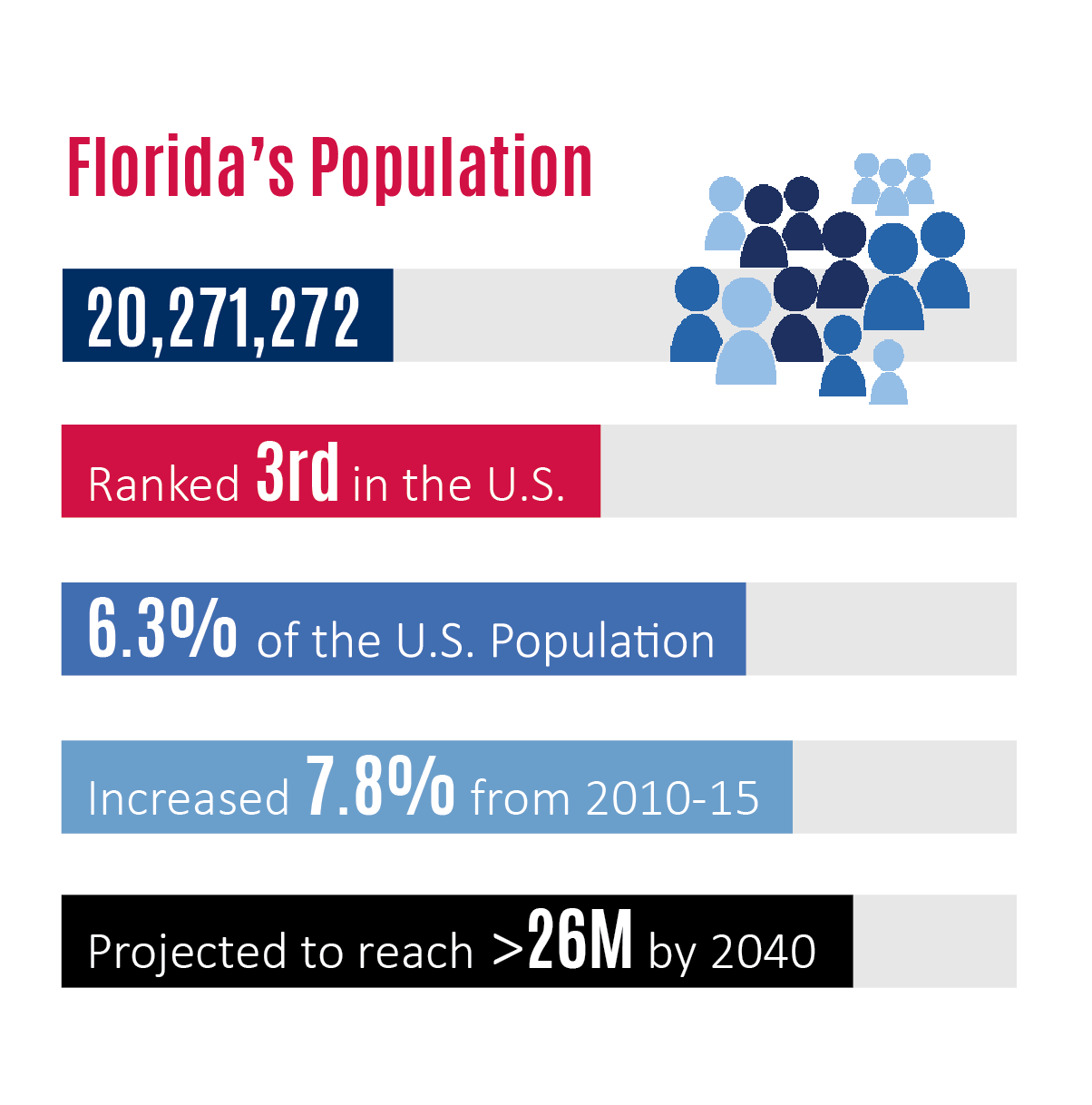
As of recent estimates, the permanent resident population of Florida hovers around 22.6 million people. This impressive figure solidifies its position as the third most populous state in the United States, only trailing California and Texas. What’s particularly striking is the continuous growth rate; Florida regularly adds hundreds of thousands of new residents each year, a trend that shows little sign of slowing down. This growth isn’t uniform across the state; metropolitan areas like Miami, Orlando, and Tampa experience the most significant population booms, leading to bustling urban centers and expanding suburban communities.
Beyond the permanent residents, the daily population count of Florida swells considerably with an enormous transient population. Annually, the state welcomes over 130 million tourists, a number that can dramatically increase the perceived population in popular destinations at any given time. This blend of permanent residents and temporary visitors creates a unique environment, shaping everything from local culture and food scenes to the demand for diverse accommodation options and travel experiences.
Factors Driving Florida’s Appeal
Several key factors contribute to Florida’s enduring popularity as a place to live, work, and visit. These elements collectively paint a picture of why so many people are drawn to the Sunshine State:
- Idyllic Climate: Perhaps the most obvious draw is Florida’s subtropical to tropical climate. With abundant sunshine, mild winters, and warm temperatures year-round, it offers an escape from colder northern climates, making it a haven for outdoor enthusiasts and those seeking a permanent vacation feel. This climate supports a vibrant outdoor lifestyle, from beach activities to golf, fishing, and boating, all of which contribute to the state’s allure.
- Economic Opportunities: Florida’s economy is robust and diversified, with significant sectors in tourism, aerospace, agriculture, international trade, and healthcare. The absence of a state income tax is a major financial incentive for both individuals and businesses, attracting entrepreneurs and corporations alike. Major urban centers like Orlando (theme parks, simulation), Miami (finance, international trade), and Tampa (tech, healthcare) serve as economic engines, creating numerous job opportunities.
- Diverse Lifestyle and Culture: From the vibrant Latin influences in South Florida to the historic charm of St. Augustine and the family-friendly attractions of Orlando, Florida offers an incredibly diverse lifestyle. There are options for luxury travel, budget-friendly adventures, serene nature escapes, and bustling city experiences. This variety caters to a broad spectrum of preferences, making it an attractive destination for families, retirees, students, and professionals alike.
- World-Class Attractions and Natural Beauty: Home to some of the world’s most famous theme parks, pristine beaches, and unique natural ecosystems, Florida presents an endless array of attractions. Landmarks such as Walt Disney World Resort, Universal Orlando Resort, Everglades National Park, and the iconic Florida Keys draw millions, influencing both tourism and permanent relocation decisions.
Understanding the Influx: Residents vs. Tourists
Distinguishing between Florida’s permanent residents and its vast tourist population is essential for understanding the state’s ebb and flow, particularly concerning its travel and tourism infrastructure. While residents contribute to the long-term demographic trends, tourists create significant seasonal demands and shape the immediate experience of many destinations.
The Seasonal Swell: Tourist Demographics and Impact
Tourism is, without a doubt, the bedrock of Florida’s economy. Over 130 million tourists visit the state annually, flocking from all corners of the globe. These visitors vary widely, encompassing families on vacation, honeymooners, business travelers attending conventions, and international guests seeking a slice of American sunshine. The peak tourist seasons typically coincide with school holidays (summer, spring break) and the cooler winter months when “snowbirds” arrive.
This seasonal swell has a profound impact:
- Demand for Accommodation: The sheer volume of tourists drives a constant demand for hotels, resorts, suites, apartments, and villas. From luxury resorts in Palm Beach to budget-friendly motels near theme parks, the accommodation sector is constantly expanding and innovating to meet diverse needs. Booking strategies become critical during peak seasons.
- Attraction Capacity: Iconic attractions like Busch Gardens Tampa Bay, the Kennedy Space Center, and various beaches experience significant crowds, necessitating efficient crowd management and extensive infrastructure.
- Local Culture and Economy: Tourists contribute significantly to local economies through spending on food, activities, transportation, and souvenirs. This interaction also influences local culture, with many areas adapting their offerings to cater to an international audience, visible in diverse culinary scenes and entertainment options.
Snowbirds and Seasonal Residents: A Unique Florida Phenomenon
A distinctive aspect of Florida’s population dynamic is the “snowbird” phenomenon. These are individuals, primarily retirees from the northern United States and Canada, who migrate to Florida for the winter months to escape harsh weather. They often own secondary homes, condominiums, or rent apartments for several months, creating a significant seasonal resident population that isn’t always counted in official permanent residency figures but dramatically impacts local services.
These seasonal residents contribute to a unique rhythm in many Florida communities, particularly along the Gulf Coast in areas like Sarasota, Naples, and Fort Myers, and on the Atlantic side in places like Fort Lauderdale. Their presence fuels demand for specialized services, healthcare, and leisure activities, creating a vibrant, albeit seasonal, community spirit. Understanding this demographic is key for businesses and municipalities planning for peak winter months.
The Economic and Infrastructural Implications of a Growing Population
The continuous growth in both permanent residents and tourist numbers has profound implications for Florida’s economy and infrastructure. Managing this growth requires careful planning and significant investment across various sectors.

Impact on Tourism and Hospitality
The burgeoning population and tourist influx directly fuel the state’s massive tourism and hospitality industry. This sector is a powerhouse, creating millions of jobs and generating billions in revenue annually.
- Hotel Development: There’s a constant push for new hotel constructions and renovations to accommodate the demand. From luxurious five-star resorts offering exclusive amenities to family-friendly suites and unique boutique hotels, the variety of lodging options in cities like Orlando and Miami Beach is staggering. Developers also eye emerging markets in quieter coastal towns and nature-rich areas.
- Attraction Expansion: Theme parks regularly invest in new rides, shows, and lands to keep visitors returning. Museums, cultural centers, and natural parks also see increased funding and development to cater to a broader audience.
- Service Industries: Restaurants, retail shops, transportation services, and entertainment venues thrive on the high volume of people. This fosters a dynamic entrepreneurial environment and encourages innovation in customer service and experience design.
Navigating Accommodation Challenges
With so many people, finding suitable accommodation, whether for a short trip or a long-term stay, can present challenges.
- Booking and Availability: During peak seasons, especially around major holidays or events, popular hotels and resorts can book up quickly. Visitors are often advised to book well in advance, compare prices, and consider different types of accommodation, from serviced apartments to vacation villas.
- Housing Market: For permanent residents, the rapid population growth contributes to a competitive housing market, with rising property values and rental costs, particularly in desirable urban and coastal areas. This impacts affordability and urban planning.
- Long-term Stay Options: For “snowbirds” or those relocating, securing long-term rentals can be complex. Specialized real estate services and online platforms cater to these needs, offering solutions for extended stays that blend hotel amenities with residential comfort.
- Diversity in Accommodation: The demand has led to an explosion in accommodation types, including all-inclusive resorts, extended-stay hotels, vacation rentals through platforms, and even unique stays like houseboat rentals in the Florida Keys or glamping in nature preserves. This diversity allows travelers to tailor their stay to their lifestyle and budget.
Experiencing Florida: Destinations Shaped by its People
Florida’s population distribution is uneven, with major metropolitan areas acting as economic and cultural centers, while vast stretches of the state remain natural and less densely populated. This contrast creates a rich tapestry of experiences for residents and tourists alike.
Major Urban Centers and Their Unique Charms
- Miami and South Florida: As Florida’s largest metropolitan area, Miami is a vibrant, multicultural city known for its stunning beaches like South Beach, iconic Art Deco Historic District, buzzing nightlife, and strong Latin American influence. It’s a hub for international business, luxury travel, and a sophisticated urban lifestyle, offering a plethora of high-end hotels, fine dining, and cultural attractions.
- Orlando and Central Florida: Globally renowned as the “Theme Park Capital of the World,” Orlando is home to Walt Disney World Resort, Universal Orlando Resort, and numerous other family-friendly attractions. Its tourism industry is immense, driving demand for a vast array of accommodation options, from expansive resorts with water parks to vacation homes ideal for larger families. Beyond the parks, Orlando also boasts a growing tech sector and a vibrant downtown.
- Tampa and the Gulf Coast: Tampa, along with neighboring St. Petersburg and Clearwater, forms a major metropolitan area on Florida’s Gulf Coast. This region offers a more laid-back vibe compared to Miami, with beautiful white-sand beaches like Clearwater Beach and a growing arts and culinary scene. Tampa is also a significant port city and a hub for business travel, providing a range of hotels from business-centric to beachfront resorts.
- Jacksonville and Northeast Florida: As Florida’s largest city by land area, Jacksonville offers a blend of urban amenities, extensive coastlines, and a thriving job market. It’s less dominated by tourism than other major cities, focusing more on its strong military presence, port activities, and healthcare industries. Nearby St. Augustine provides a rich historical experience as the nation’s oldest continuously inhabited European-established settlement.
From Coastal Retreats to Natural Wonders
Beyond the bustling cities, Florida’s diverse population also appreciates and helps preserve its incredible natural beauty and tranquil retreats.
- Pristine Beaches: With over 8,000 miles of coastline, Florida is synonymous with beaches. From the powdery sands of Siesta Key and Sanibel Island on the Gulf Coast to the surfing waves of Cocoa Beach and the historic charm of Amelia Island on the Atlantic, each offers a unique experience. Many coastal towns cater to different lifestyles, from luxury stays to family-friendly resorts.
- The Everglades National Park: A vast wetland ecosystem, the Everglades is a UNESCO World Heritage Site and home to unique wildlife, including alligators, panthers, and diverse bird species. It offers ecotourism experiences like airboat tours, kayaking, and hiking, attracting nature enthusiasts.
- The Florida Keys: This chain of tropical islands stretching off Florida’s southern tip is famous for its laid-back atmosphere, vibrant coral reefs, and the iconic southernmost point in the United States in Key West. The Keys offer unique accommodation, from charming guesthouses to luxury waterfront resorts, and activities centered around fishing, diving, and sailing. Dry Tortugas National Park, a remote cluster of islands accessible by boat or seaplane, offers an unparalleled historical and natural escape.
Lifestyle and Culture: What Draws People to the Sunshine State
The magnetic pull of Florida stems from its promise of a certain lifestyle. Whether it’s the allure of luxury travel in Palm Beach with its opulent resorts and world-class shopping, the budget-friendly family adventures in Orlando, or the tranquility of a long-term stay in a Gulf Coast villa, the state caters to an incredible array of desires.
The local culture is a dynamic fusion. In Miami, the sounds of salsa and the aroma of Cuban coffee are as ubiquitous as the art galleries and fashion boutiques. In Orlando, the culture revolves around creating magical family experiences. Across the state, an emphasis on outdoor living, fresh seafood, and community events defines much of the lifestyle. From vibrant arts scenes in St. Petersburg to rustic charm in the Panhandle, Florida’s people have shaped distinct local identities that captivate both residents and visitors.
Planning Your Florida Journey: Tips for Visitors
Given the high number of people in Florida at any given time, a well-planned trip is essential to maximize enjoyment and minimize stress, whether you’re seeking a bustling adventure or a peaceful retreat.
Best Times to Visit and Avoid Crowds
- Off-Peak Seasons: To avoid the largest crowds and potentially secure better rates on accommodation and flights, consider visiting during the shoulder seasons. Late spring (April-May, avoiding Spring Break) and early autumn (September-October) offer pleasant weather, fewer crowds, and often more competitive pricing for hotels and attractions.
- Summer (June-August): While popular with families due to school holidays, summer in Florida can be hot, humid, and prone to afternoon thunderstorms. Expect larger crowds at theme parks, but beaches might feel less congested if you avoid major holidays.
- Winter (November-March): This is prime season for “snowbirds” and those escaping colder climates, especially for South Florida and the Keys. While temperatures are ideal, expect higher prices and significant crowds in popular destinations. Booking far in advance is crucial during these months.

Accommodation Strategies for Different Budgets and Styles
- Book Early: Regardless of the season, booking your accommodation as far in advance as possible is always a smart strategy, especially for popular resorts or unique stays. This allows for better selection and often better rates.
- Consider Diverse Options: Florida offers an unparalleled range of accommodation. For families, a resort with amenities or a vacation rental can offer space and value. For couples, boutique hotels or luxury suites might be ideal. Budget travelers can find value in extended-stay hotels or hostels in certain areas.
- Location, Location, Location: Think about your travel priorities. If theme parks are your focus, staying in Orlando or Kissimmee is logical. For beach relaxation, a beachfront hotel in Clearwater or Sarasota is key. Business travelers will find excellent options in downtown Miami or Tampa.
- Read Reviews and Compare: Utilize booking platforms and review sites to compare prices, amenities, and guest experiences. Pay attention to feedback regarding cleanliness, customer service, and location relevance to your planned activities.
In conclusion, the answer to “How many people are in Florida?” is dynamic and multi-layered. With over 22.6 million permanent residents and millions more visiting annually, the state is a bustling, vibrant, and incredibly popular destination. This sheer volume of people shapes its culture, economy, and every aspect of the travel experience. By understanding this demographic reality, visitors can better plan their journeys, making informed choices about when to visit, where to stay, and what unique experiences to seek in the endlessly fascinating Sunshine State.
LifeOutOfTheBox is a participant in the Amazon Services LLC Associates Program, an affiliate advertising program designed to provide a means for sites to earn advertising fees by advertising and linking to Amazon.com. Amazon, the Amazon logo, AmazonSupply, and the AmazonSupply logo are trademarks of Amazon.com, Inc. or its affiliates. As an Amazon Associate we earn affiliate commissions from qualifying purchases.