
The mention of Walt Disney World Resort in Florida conjures images of Cinderella Castle, thrilling rides, beloved characters, and dazzling fireworks. It is, without a doubt, one of the most iconic and frequently visited travel destinations on the planet, a place where dreams are manufactured and cherished memories are made. But beyond the immediate spectacle of its theme parks, the sheer scale of Walt Disney World Resort is something that often goes unappreciated. Its vast footprint in the Sunshine State is a testament to an unparalleled vision, a logistical marvel, and an economic powerhouse that has shaped the region for over half a century. The question of “how much land does Disney own in Florida?” isn’t just a matter of acreage; it’s an exploration into the history of American ingenuity, a unique experiment in self-governance, and a glimpse into the future of tourism and destination development. From the initial clandestine land purchases to its complex municipal-like operations, the story of Disney’s Florida empire is as intricate as it is impressive, affecting everything from local culture and infrastructure to global travel trends and accommodation choices.

The Grand Scale of Disney’s Florida Empire
To truly grasp the magnitude of Disney’s presence in Florida, one must look beyond the turnstiles and into the history and diverse landscape that comprises its property. What started as a secret acquisition has blossomed into a sprawling resort complex that is larger than many well-known cities. This land isn’t just home to theme parks; it’s a meticulously planned ecosystem encompassing hotels, transportation networks, conservation areas, and sophisticated infrastructure, all designed to create an immersive experience for millions of guests each year.
A Legacy of Vision: The Original Land Acquisition
The story of Disney’s land ownership in Florida begins in the 1960s with a clandestine operation spearheaded by Walt Disney himself. After the success of Disneyland in California, Walt realized the limitations of its relatively small footprint and the encroaching development around it. He envisioned a much larger, more controlled environment for his next ambitious project: an “Experimental Prototype Community of Tomorrow,” or EPCOT, which would eventually evolve into Walt Disney World Resort. To prevent land speculation and ensure he could acquire a vast, unspoiled parcel, Walt used dummy corporations to secretly purchase thousands of acres of swamp and ranch land in central Florida.
Between 1964 and 1966, these secretive transactions amassed approximately 27,000 acres, though some estimates put the final acquired land closer to 30,000 acres. This immense parcel, located southwest of Orlando, was roughly twice the size of Manhattan and presented a blank canvas for Walt’s grand designs. The goal was not merely to build an amusement park but to create an entire destination, a self-contained world where every detail could be managed, from infrastructure to guest experience. This vision of complete control over a vast territory laid the groundwork for the unique governance model that would soon follow, fundamentally shaping the region’s travel and tourism landscape. The original land acquisition remains a legendary tale, a testament to strategic foresight that transformed a quiet swamp into a global landmark.
Beyond the Parks: Diverse Land Use
The 27,000-plus acres that Disney acquired and subsequently developed in Florida are far more than just theme park rides. The scale allows for an incredibly diverse range of facilities and operations that contribute to the comprehensive guest experience, catering to every aspect of travel, accommodation, and lifestyle preferences.
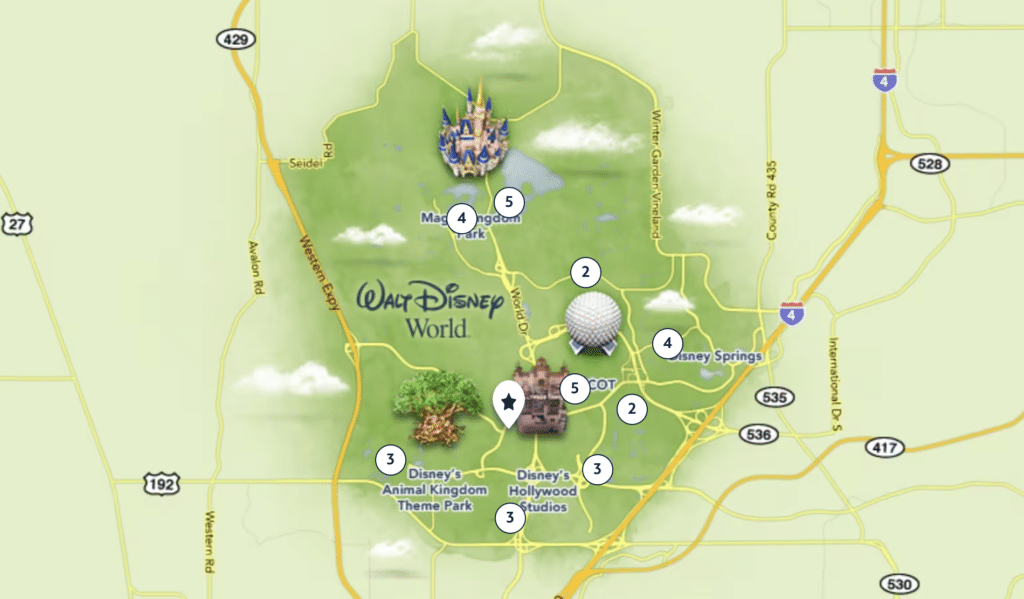
At its core, the land houses the four iconic theme parks: Magic Kingdom, Epcot, Hollywood Studios, and Animal Kingdom. Each park alone is a monumental undertaking, featuring unique attractions, dining, and entertainment that draw millions. Complementing these are two expansive water parks, Typhoon Lagoon and Blizzard Beach, offering aquatic adventures.
However, the resort’s commitment to guest experience extends significantly beyond these attractions. Walt Disney World Resort boasts over 25 distinct themed resorts and hotels, ranging from value-oriented accommodations to deluxe villas and luxurious suites. These range from the Polynesian-inspired tranquility of Disney’s Polynesian Village Resort to the grand elegance of Disney’s Grand Floridian Resort & Spa, offering diverse options for every type of traveler. Each resort is meticulously designed to immerse guests in different environments, complete with unique amenities, dining, and transportation options, embodying the “Hotels” and “Accommodation” aspects of a premium travel destination.
Beyond lodging and thrills, the land also incorporates extensive recreational facilities. Golf enthusiasts can enjoy several championship courses, including Lake Buena Vista Golf Course, Magnolia Golf Course, and Palm Golf Course. Disney Springs, a vibrant shopping, dining, and entertainment district, offers experiences beyond the parks, embodying the “Tourism” and “Lifestyle” aspects with its diverse array of boutiques, restaurants, and live performances.
Crucially, a significant portion of Disney’s land is dedicated to essential infrastructure and conservation. Roads, utility plants, water treatment facilities, and extensive transportation systems (including buses, monorails, and boats) are all built and maintained on-site. Furthermore, Disney has committed to preserving a large percentage of its land—approximately one-third—as wetlands, forests, and other natural habitats. This dedication to conservation not only provides a natural buffer but also supports Florida’s unique biodiversity, aligning with responsible tourism practices and providing natural landmarks within the developed resort. This multifaceted land use underscores the vision of Walt Disney to create a fully integrated, self-sustaining world for guests and employees alike.
The Reedy Creek Improvement District: A Unique Governance Model
The ability for Walt Disney World Resort to develop at such an unprecedented scale and with such intricate control was largely due to a truly unique legislative creation: the Reedy Creek Improvement District (RCID). This special district effectively granted Disney municipal-like powers over its property, allowing for streamlined development and self-sufficiency that was revolutionary for its time.
Genesis of Self-Governance
The concept of the Reedy Creek Improvement District was born out of Walt Disney’s desire for complete autonomy in developing his Florida project. He wanted to avoid the bureaucratic hurdles and potential zoning conflicts that plagued Disneyland’s expansion. In the mid-1960s, Walt and his team approached the Florida Legislature with a proposal for a special district, arguing that the undeveloped, swampy land would require significant investment in infrastructure that local governments were unwilling or unable to provide.
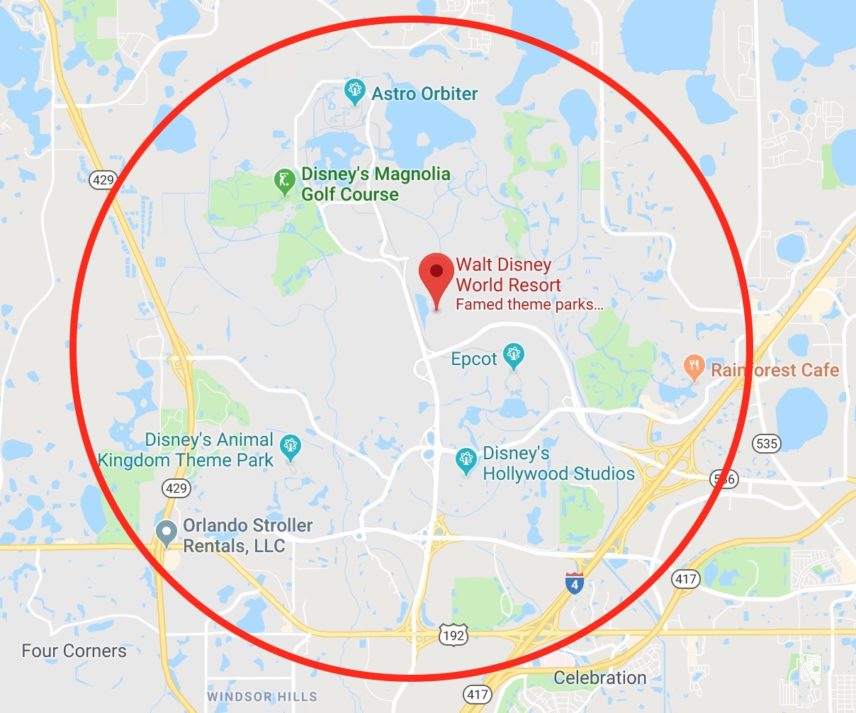
In 1967, after extensive lobbying, the Florida Legislature passed the Reedy Creek Improvement Act, signed into law by Governor Claude Kirk. This act created the Reedy Creek Improvement District, encompassing two cities, Bay Lake and Lake Buena Vista, where Disney effectively owned nearly all the land. The RCID was given broad powers typically reserved for county governments, allowing Disney to control its own planning, zoning, utilities, emergency services, and even environmental regulations within its boundaries.
The primary purpose was to enable Disney to develop its sprawling resort quickly and efficiently without having to navigate multiple layers of external municipal bureaucracy. This unique structure allowed Disney to essentially act as its own government, facilitating the rapid construction of Magic Kingdom and the subsequent expansion into the full Walt Disney World Resort we know today. It was a groundbreaking model that gave Disney an unparalleled degree of control over its destination, ensuring a consistent and high-quality guest experience across its hotels, attractions, and public spaces, and significantly influencing the “Tourism” and “Accommodation” sectors within its borders.
Powers and Responsibilities of RCID
The powers granted to the Reedy Creek Improvement District were extensive, essentially bestowing upon it the authority of a county government in all but name. This allowed Disney to build and maintain virtually all the necessary infrastructure for its massive resort without relying on or burdening neighboring municipalities.
Key responsibilities of the RCID included:
- Fire Protection and Emergency Medical Services: Operating its own professional fire department and EMT services, ensuring rapid response times within the vast property. This significantly enhanced safety for visitors and employees across all hotels, theme parks, and venues.
- Water and Wastewater Management: Designing, building, and maintaining sophisticated water treatment and distribution systems, as well as wastewater collection and treatment facilities. This autonomy ensured a consistent and reliable water supply, crucial for a destination of this scale.
- Electric Power Generation and Distribution: While not fully independent, RCID operated its own electric distribution system, often contracting with external power companies but managing the internal grid.
- Road Maintenance and Construction: Building and maintaining all internal roads, bridges, and transportation networks, which are critical for moving millions of visitors and thousands of cast members efficiently between parks, resorts, and Disney Springs.
- Planning, Zoning, and Building Codes: RCID had its own comprehensive planning and zoning authority, allowing Disney to dictate land use, architectural standards, and building codes that were tailored to its unique developmental needs. This ensured a cohesive aesthetic and operational standard across all landmarks and new construction.
- Drainage and Flood Control: Crucial for a region built on historically swampy land, RCID managed extensive drainage systems and flood control measures, protecting the resort’s valuable assets.
This self-governing model allowed Disney to undertake ambitious projects, like the underground utility tunnels beneath Magic Kingdom, and to innovate with technologies and concepts that might have faced resistance or delays under traditional municipal oversight. The financial mechanism involved the district issuing bonds and collecting taxes from the landowners within its boundaries (primarily Disney itself), effectively allowing Disney to tax itself to fund its own infrastructure and services. This system significantly contributed to the seamless operation and continuous expansion of Walt Disney World, providing a controlled environment for what is arguably the world’s premier tourism experience, affecting every aspect of “Travel,” “Hotels,” and “Lifestyle” within its domain.
The Evolving Landscape: Recent Changes and Future Prospects
While the Reedy Creek Improvement District served as the bedrock of Walt Disney World Resort’s development and operational autonomy for over five decades, the political landscape in Florida has recently brought significant changes to this unique governance model. These shifts represent a new chapter in the history of Disney’s land ownership and operational control, with potential implications for future development and the overall visitor experience.
Dissolution and Rebranding: The Central Florida Tourism Oversight District
In 2023, following a period of political disagreement between The Walt Disney Company and the Florida state government, the Florida Legislature passed legislation to dissolve the Reedy Creek Improvement District. This decision marked the end of an era of unprecedented self-governance for Disney over its Florida properties.
The RCID was subsequently replaced by a new entity: the Central Florida Tourism Oversight District. While the new district retains many of the powers and responsibilities of its predecessor, its governance structure is fundamentally different. Instead of a board largely controlled by landowners (i.e., Disney), the new board members are appointed by the Governor of Florida and confirmed by the state Senate. This shift effectively transfers control over crucial municipal functions, planning, and zoning decisions from Disney’s direct influence to state-appointed officials.
The implications of this change are still unfolding. While the district continues to provide essential services like fire protection, water, and road maintenance, the strategic direction for infrastructure development and the ease of future expansion projects could be affected. For a company that thrives on long-term planning and meticulous control over its guest experience, adapting to this new governance structure presents both challenges and opportunities. The transition requires careful navigation to ensure that the quality of service, safety, and immersive environment that guests expect from Walt Disney World remains uncompromised, maintaining its status as a premier “Travel” destination and “Accommodation” provider.
What Lies Ahead for Disney’s Florida Holdings?
Despite the changes in its governance, The Walt Disney Company remains a dominant landowner in Florida and a cornerstone of the state’s tourism economy. The core assets – the theme parks, water parks, over two dozen resorts, golf courses, and Disney Springs – continue to operate and attract millions. Disney has consistently demonstrated its commitment to investing in its Florida parks, with new attractions, updated hotels, and enhanced experiences constantly being rolled out.
Looking ahead, Disney’s vast land holdings in Florida still offer immense potential for future growth. The strategic use of this land will continue to be critical, whether for expanding existing parks, developing new themed hotels, or creating entirely new entertainment districts. The emphasis will likely remain on enhancing the overall guest journey, from arrival and accommodation to dining and entertainment, ensuring Walt Disney World Resort remains at the forefront of global “Travel” and “Tourism.”
The interplay between Disney’s long-term vision and the new oversight structure will define the pace and nature of these future developments. While the era of complete self-governance has passed, the fundamental appeal of Disney as a destination endures. The company will likely continue to focus on innovation, leveraging its extensive land for projects that captivate new generations of visitors, cement its status as a global landmark, and continue to offer diverse “Lifestyle” experiences, from luxury travel to unforgettable family trips. The precise evolution of Disney’s Florida empire remains a fascinating subject, but its undeniable impact on the world of travel and hospitality is destined to continue for many years to come.
In conclusion, Disney’s land ownership in Florida is nothing short of monumental. What began with Walt Disney’s audacious vision and secret land purchases evolved into an integrated resort spanning approximately 27,000 to 30,000 acres, providing space for four theme parks, two water parks, dozens of hotels, golf courses, a shopping district, and extensive infrastructure and conservation areas. The unique model of the Reedy Creek Improvement District allowed for unparalleled control and efficiency in developing this vast property into a world-class destination. While recent political changes have transformed this governance into the Central Florida Tourism Oversight District, Disney’s commitment to its Florida holdings and its role as a global leader in travel and tourism remains steadfast. The sheer scale of its operations continues to attract millions, offering an immersive experience that goes far beyond mere amusement, shaping the very definition of a travel landmark and an ultimate family lifestyle destination.
LifeOutOfTheBox is a participant in the Amazon Services LLC Associates Program, an affiliate advertising program designed to provide a means for sites to earn advertising fees by advertising and linking to Amazon.com. Amazon, the Amazon logo, AmazonSupply, and the AmazonSupply logo are trademarks of Amazon.com, Inc. or its affiliates. As an Amazon Associate we earn affiliate commissions from qualifying purchases.