
The notion of collecting rainwater often conjures images of remote, off-grid living, far removed from the bustling resorts and vibrant cities that define a modern vacation. Yet, in a state as unique and ecologically diverse as Florida, the practice of rainwater harvesting is not only a viable concept but also a sustainable one, increasingly integrated into both residential lifestyles and forward-thinking tourism initiatives. With its abundant rainfall, pristine beaches, and world-renowned attractions, Florida presents a fascinating case study for water independence and environmental stewardship. The question, “Is it illegal to collect rainwater in Florida?” is a common one, stirring curiosity among those considering a more sustainable approach to living or visiting the Sunshine State. The simple answer, for the vast majority of cases, is no – it is not illegal. In fact, it is often encouraged, aligning with Florida’s broader goals of water conservation and resource management.

This article delves into the specifics of rainwater collection in Florida, exploring the legal framework, environmental advantages, economic benefits, and how this practice intertwines with the state’s vibrant tourism sector and evolving lifestyle trends. From luxurious resorts aiming for eco-certifications to individual homeowners seeking reduced utility bills, understanding rainwater harvesting is key to appreciating a facet of sustainable living that is both practical and increasingly popular.
Understanding Florida’s Stance on Rainwater Harvesting
Florida’s relationship with water is complex and critical. Surrounded by the Atlantic Ocean and the Gulf Coast, crisscrossed by rivers, dotted with thousands of lakes, and underlain by a vast aquifer system, water is integral to its identity. Yet, rapid population growth, agricultural demands, and the impacts of climate change present significant challenges to managing this precious resource.
A Dive into Florida’s Water Management Landscape
Florida’s unique hydrogeology and rapidly expanding population necessitate a robust and often complex water management system. The state is divided into five primary water management districts, each responsible for managing water resources within its boundaries. These include the Northwest Florida Water Management District, St. Johns River Water Management District, Southwest Florida Water Management District, South Florida Water Management District, and Suwannee River Water Management District. These districts oversee everything from water use permitting and flood control to water quality protection and natural systems restoration. Their mission is to ensure sustainable water supplies for future generations, protect natural environments like the Everglades National Park, and safeguard coastal ecosystems.
Given these challenges, water conservation practices are not just encouraged but are often essential. Rainwater harvesting fits perfectly within this framework, offering a decentralized solution to reduce reliance on potable municipal water supplies and mitigate stormwater runoff, which can be a significant source of pollution for Florida’s delicate waterways and springs, such as those found near Silver Springs State Park.
The Legalities: Dispelling Myths and Understanding Realities
Contrary to popular misconceptions, collecting rainwater in Florida is generally not illegal. There is no statewide law prohibiting the practice. In fact, legislative efforts have historically aimed to encourage it rather than restrict it. For instance, Florida Statute 553.792 (which pertains to building codes) explicitly allows for the use of cisterns for non-potable purposes in residential structures, ensuring that state building codes do not inadvertently hinder rainwater harvesting. This provision essentially affirms that local governments cannot prohibit the installation of rainwater harvesting systems through their building codes.
However, while not illegal, there are important considerations. The primary distinction lies in the intended use of the collected water. For non-potable uses – such as landscape irrigation, toilet flushing, and laundry – rainwater harvesting is widely accepted and straightforward. If the intention is to use collected rainwater for drinking, cooking, or bathing (i.e., potable uses), stricter regulations apply due to public health concerns. This often involves advanced filtration and disinfection systems, and compliance with local health department standards.
Another common hurdle can be Homeowner Association (HOA) rules. While state law generally supports rainwater harvesting, some HOAs might have covenants that restrict visible exterior modifications, including rainwater barrels or cisterns. However, with increasing awareness and the passage of “Right to Dry” and similar environmental protection statutes, many HOAs are beginning to adapt, or their restrictive clauses may be challenged. It’s always prudent for residents, especially in planned communities prevalent across cities like Orlando and Miami, to check their specific HOA guidelines before installation.
Ultimately, the general reality is that individuals and businesses in Florida are largely free to collect rainwater for non-potable purposes, contributing to a more sustainable water future for the state.
The Environmental and Economic Benefits of Rainwater Collection in the Sunshine State
The environmental advantages of rainwater harvesting are profound, particularly in a state like Florida, where environmental sensitivity is paramount, and water resources are under increasing strain. Beyond the ecological gains, there are tangible economic incentives that make this practice attractive to both residents and the tourism industry.
Promoting Sustainability and Conservation
Rainwater harvesting plays a crucial role in promoting sustainability. By capturing rainfall directly from rooftops, users reduce their reliance on municipal water supplies, thereby alleviating pressure on aquifers, rivers, and springs. This is especially vital in regions like Central Florida, home to numerous natural springs, and South Florida, which faces significant freshwater challenges. Reducing groundwater extraction helps maintain healthy water tables, which in turn supports ecosystems and prevents saltwater intrusion into coastal aquifers – a growing concern in areas like Key West and Tampa.
Furthermore, rainwater harvesting systems significantly reduce stormwater runoff. In Florida’s urban and suburban areas, impervious surfaces like roads and rooftops channel vast amounts of rainwater into storm drains, often carrying pollutants such as fertilizers, pesticides, and oil into natural waterways. This runoff contributes to harmful algal blooms, degrades water quality, and impacts marine life in places like Biscayne National Park and the John Pennekamp Coral Reef State Park. By capturing rain, these systems help manage stormwater on-site, allowing it to infiltrate the ground naturally or be used for beneficial purposes, thus protecting Florida’s delicate ecosystems and renowned beaches.
Financial Advantages for Residents and Businesses
The economic benefits of rainwater harvesting are straightforward: reduced water bills. For homeowners, especially those with large gardens or pools, using collected rainwater for irrigation or topping off pools can lead to significant savings on their monthly utility statements. Over time, these savings can offset the initial cost of installing a basic rain barrel system.
For businesses, particularly hotels, resorts, and large commercial properties, the financial incentives are even more compelling. These establishments often have extensive landscaping that requires substantial irrigation. Implementing a large-scale rainwater harvesting system can drastically cut down on potable water consumption for these non-potable uses. Imagine the savings for a sprawling property like the Walt Disney World Resort or Universal Orlando Resort if they were to significantly reduce their reliance on municipal water for maintaining their lush environments. Moreover, some local governments or water management districts may offer incentives, rebates, or tax credits for installing water-saving technologies, further enhancing the return on investment.
Beyond direct cost savings, adopting sustainable practices like rainwater harvesting can enhance a business’s brand image, attracting eco-conscious travelers who prioritize environmental responsibility. This can translate into increased bookings and a stronger market position in the competitive Florida tourism landscape.
Rainwater Harvesting: Enhancing Florida’s Tourism and Lifestyle
Florida’s appeal as a travel destination is undeniable, drawing millions with its sun, sand, and attractions. As travelers become more environmentally aware, sustainable practices are increasingly influencing their choices. Rainwater harvesting offers a unique opportunity to integrate eco-consciousness into the state’s vibrant tourism and lifestyle.
Eco-Tourism and Sustainable Accommodation
The concept of eco-tourism is gaining traction, and Florida is uniquely positioned to embrace it. Resorts and hotels that implement rainwater harvesting systems can highlight these efforts as part of their commitment to sustainability. The Florida Green Lodging Program, for instance, encourages lodging facilities to conserve natural resources and reduce their environmental impact. Rainwater harvesting can be a significant component of achieving such green certifications.
Imagine staying at a luxury resort on Amelia Island or a boutique hotel in St. Augustine that proudly showcases its rainwater collection system, explaining how the water is used to irrigate their beautiful gardens or flush toilets in guest rooms. This not only reduces the resort’s operational costs but also provides an educational experience for guests, demonstrating tangible steps towards environmental stewardship. Similarly, eco-lodges situated near natural wonders like the Everglades or Dry Tortugas National Park can leverage rainwater harvesting to minimize their footprint in sensitive areas, appealing directly to adventurers and nature lovers seeking truly sustainable travel experiences. By integrating these systems, Florida’s accommodations can offer a unique blend of comfort, luxury, and environmental responsibility, setting a new standard for sustainable hospitality.
Practical Applications for Homes, Gardens, and Attractions
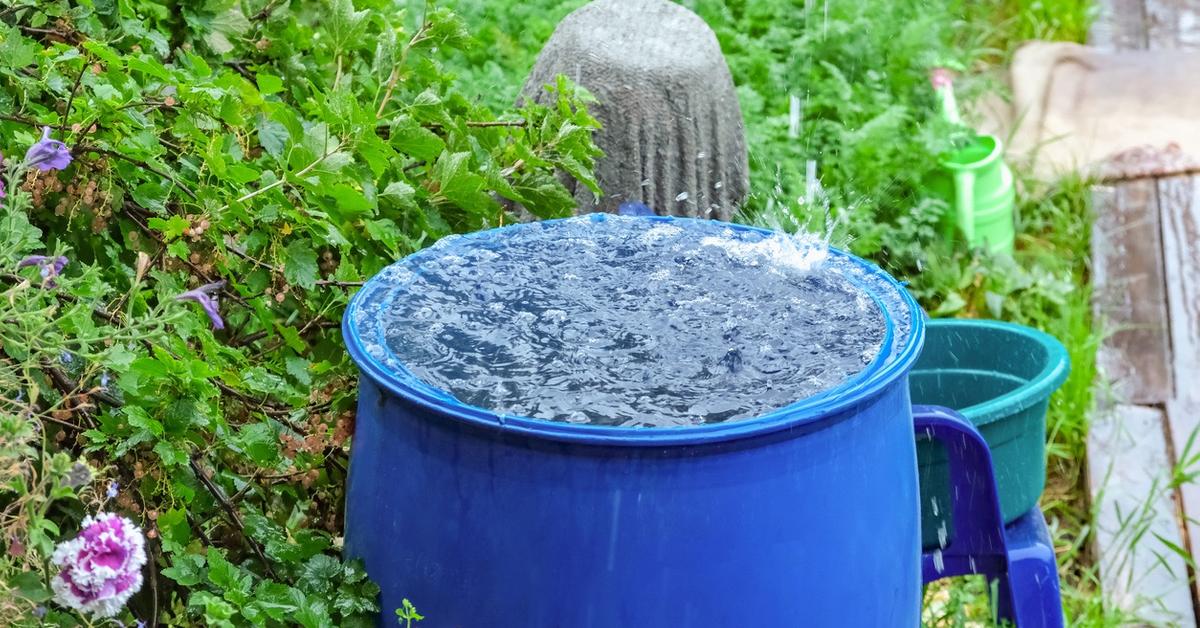
Beyond large commercial enterprises, rainwater harvesting has practical, everyday applications that enhance the lifestyle of Florida residents and visitors. For homeowners, a simple rain barrel connected to a downspout can provide ample water for potted plants, small gardens, or even washing cars, reducing reliance on treated tap water. More elaborate systems can integrate collected rainwater for toilet flushing and laundry, significantly cutting down on household water consumption.
In public spaces and major attractions, rainwater harvesting can contribute to both aesthetics and sustainability. Botanical gardens, like those in Miami or Busch Gardens Tampa Bay, can use collected rainwater for irrigation, maintaining lush landscapes while educating visitors about water conservation. City parks and community gardens can incorporate harvesting systems, providing a local, sustainable water source and serving as educational models for urban residents. Even at the iconic Kennedy Space Center Visitor Complex, rainwater management could be integrated into their expansive grounds, demonstrating innovation in resource management.
These applications not only conserve water but also enhance the visitor experience by showcasing Florida’s commitment to preserving its natural beauty and fostering a responsible lifestyle, whether for a short vacation or a lifetime of residency.
Navigating Challenges and Embracing Innovation
While the benefits of rainwater harvesting in Florida are clear, implementation is not without its challenges. However, with ongoing innovation and a growing public appetite for sustainable solutions, these obstacles are increasingly surmountable.
Overcoming Obstacles: From Regulation to Public Perception
One of the primary challenges stems from navigating building codes and health regulations, particularly when considering potable uses for collected rainwater. Ensuring water quality for drinking requires sophisticated filtration, UV sterilization, and regular testing, which can add to the initial cost and complexity of a system. Local health departments may have specific requirements that must be met to ensure public safety.
Homeowner Association (HOA) rules, as mentioned earlier, can be a significant hurdle. Many HOAs have strict aesthetic guidelines that may not easily accommodate visible rainwater barrels or larger cisterns. Advocating for changes in HOA covenants or finding aesthetically pleasing, integrated solutions (like underground tanks) can help overcome this.
Initial setup costs for comprehensive rainwater harvesting systems can also be a deterrent. While simple rain barrels are inexpensive, larger systems with pumps, multiple tanks, and distribution networks require a more substantial investment. However, considering the long-term savings on water bills and potential property value increase due to sustainable features, the investment often proves worthwhile. Public perception also plays a role; dispelling myths about rainwater quality and promoting the numerous benefits requires ongoing education.

The Future of Water Independence and Sustainable Living in Florida
Despite the challenges, the future of rainwater harvesting and water independence in Florida looks promising. Technological advancements are continuously improving the efficiency, reliability, and affordability of rainwater collection systems. Modular, aesthetically integrated tank designs, smart filtration systems that monitor water quality, and automated distribution networks are making rainwater harvesting more accessible and user-friendly for both residential and commercial applications.
There’s a growing trend towards self-sufficiency and off-grid living, even within urban or suburban settings. This lifestyle choice aligns perfectly with rainwater harvesting, allowing individuals and communities to reduce their environmental footprint and gain greater control over their resources. New residential developments in cities like Tallahassee and Fort Lauderdale are increasingly incorporating sustainable features, including rainwater collection, into their designs, creating smart homes and eco-conscious communities.
Florida, with its unique environment and commitment to preserving its natural wonders, has the potential to be a leader in water conservation innovation. By embracing rainwater harvesting, the state can not only protect its precious water resources but also enhance its appeal as a destination for responsible tourism and sustainable living. This aligns perfectly with a lifestyle focused on environmental awareness, where the simple act of collecting rain can contribute to a healthier planet and a more resilient community.
In conclusion, the question of whether it’s illegal to collect rainwater in Florida can be confidently answered with a resounding “no.” Far from being prohibited, it’s a practice increasingly recognized for its environmental and economic advantages, weaving seamlessly into the fabric of sustainable travel, responsible living, and the forward-thinking management of one of Florida’s most vital resources. As the state continues to grow and evolve, rainwater harvesting stands as a clear example of how thoughtful, sustainable practices can benefit everyone, from the individual homeowner to the largest tourist attraction.
LifeOutOfTheBox is a participant in the Amazon Services LLC Associates Program, an affiliate advertising program designed to provide a means for sites to earn advertising fees by advertising and linking to Amazon.com. Amazon, the Amazon logo, AmazonSupply, and the AmazonSupply logo are trademarks of Amazon.com, Inc. or its affiliates. As an Amazon Associate we earn affiliate commissions from qualifying purchases.