
For many travelers and residents alike, the open road in Florida, with its endless sunshine and diverse landscapes, is an irresistible draw. The Sunshine State is a premier destination for road trips, scenic drives, and particularly, motorcycling. From the vibrant streets of Miami to the historic charm of St. Augustine, and the breathtaking stretches of the Florida Keys, the state offers a mosaic of experiences best explored on two wheels or four. However, amidst the allure of its highways and byways, a crucial question often arises for motorcyclists, especially those accustomed to specific riding practices in other regions: Is lane filtering legal in Florida?
The answer, while seemingly straightforward, carries significant implications for motorcyclists, other drivers, and even the broader tourism landscape of the state. Understanding the legality, safety considerations, and the context surrounding lane filtering is essential for anyone planning to navigate Florida’s roads. This comprehensive guide delves into the specifics of lane filtering, its legal standing in Florida, and what it means for road safety and the overall travel experience in this popular United States destination.
Understanding Lane Filtering and Lane Splitting
Before diving into the legal specifics, it’s vital to clarify what lane filtering entails and how it differs from a related, often confused, practice known as lane splitting. These terms are frequently used interchangeably, but they describe distinct maneuvers with different safety profiles and legal implications.
Defining the Practice
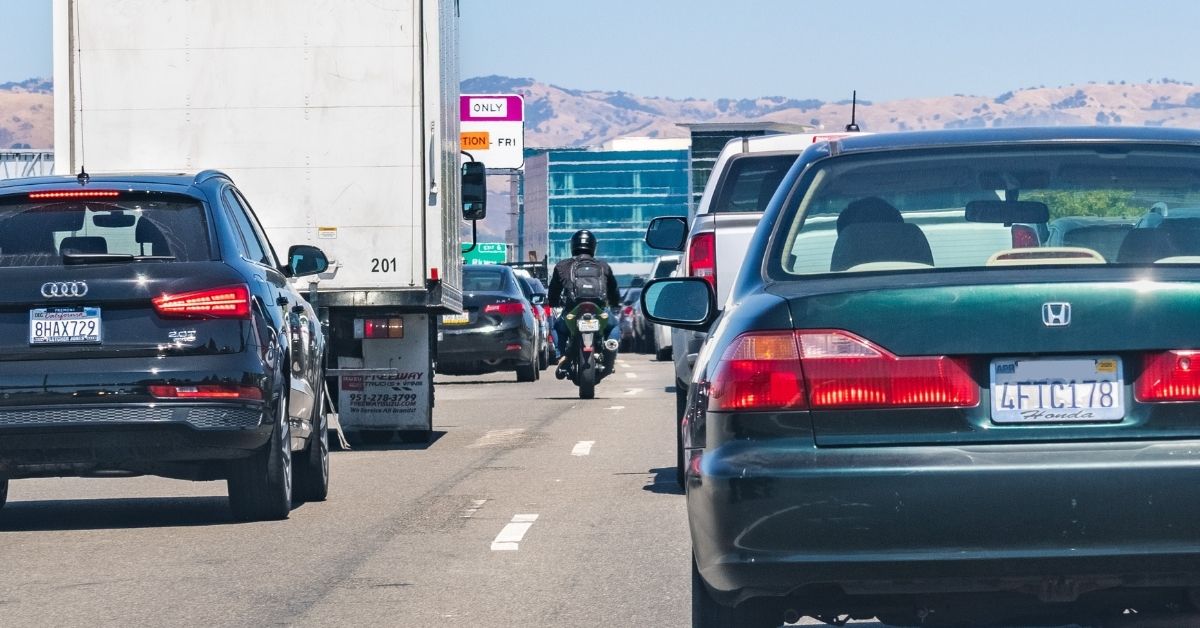
Lane splitting refers to the practice of a motorcyclist riding between lanes of slow-moving or stopped traffic traveling in the same direction. Typically, this occurs on multi-lane highways or arterial roads where traffic is heavily congested. The motorcyclist navigates the space between vehicles, often at a speed significantly higher than the surrounding traffic, to move forward. This practice is most commonly associated with avoiding gridlock and reducing commute times.
Lane filtering, on the other hand, is a more specific and generally slower-speed variant of lane splitting. It involves a motorcyclist moving to the front of a queue of stopped or very slow-moving traffic, usually at an intersection or during heavy congestion, typically at speeds no more than 10-15 mph faster than the surrounding traffic. The primary goal of lane filtering is to position the motorcycle at the front of the traffic, often to mitigate the risk of rear-end collisions and to help the motorcycle avoid overheating in stationary traffic, particularly in hot climates. While lane splitting implies continuous movement through traffic at various speeds, lane filtering is largely confined to low-speed scenarios where traffic is effectively halted.
For the purposes of legality in Florida, both practices are generally viewed under the same legal lens concerning riding between lanes of vehicles.
The Rationale Behind the Practice
Proponents of lane filtering and lane splitting often cite several key benefits for motorcyclists and potentially for overall traffic flow:
- Enhanced Safety: One of the most compelling arguments is the increased safety for motorcyclists. In stop-and-go traffic, motorcycles are vulnerable to rear-end collisions from inattentive drivers. By filtering to the front, motorcyclists remove themselves from this high-risk zone. Additionally, the practice can help prevent engine overheating in air-cooled motorcycles, which can be a significant concern in hot climates like Florida.
- Reduced Congestion: Some studies suggest that if a significant number of motorcyclists engage in lane filtering, it could marginally reduce traffic congestion by effectively removing motorcycles from the main traffic lanes, thereby utilizing road space more efficiently. This contributes to a smoother flow for other vehicles.
- Environmental Benefits: By reducing the time motorcycles spend idling in traffic, lane filtering can potentially lead to lower fuel consumption and reduced emissions, contributing to a greener travel experience.
- Efficiency for Motorcyclists: It allows motorcyclists to bypass traffic jams, reducing travel times and making motorcycling a more efficient mode of transport, particularly in urban areas like Orlando or Tampa.
Despite these arguments, the practice remains highly controversial, primarily due to perceived safety risks for all road users and challenges in enforcement.
The Legal Landscape in Florida
When considering travel and tourism in Florida, understanding the local traffic laws is paramount, especially for motorcyclists. The legal stance on lane filtering and splitting in the Sunshine State is definitive.
Current Florida Statutes
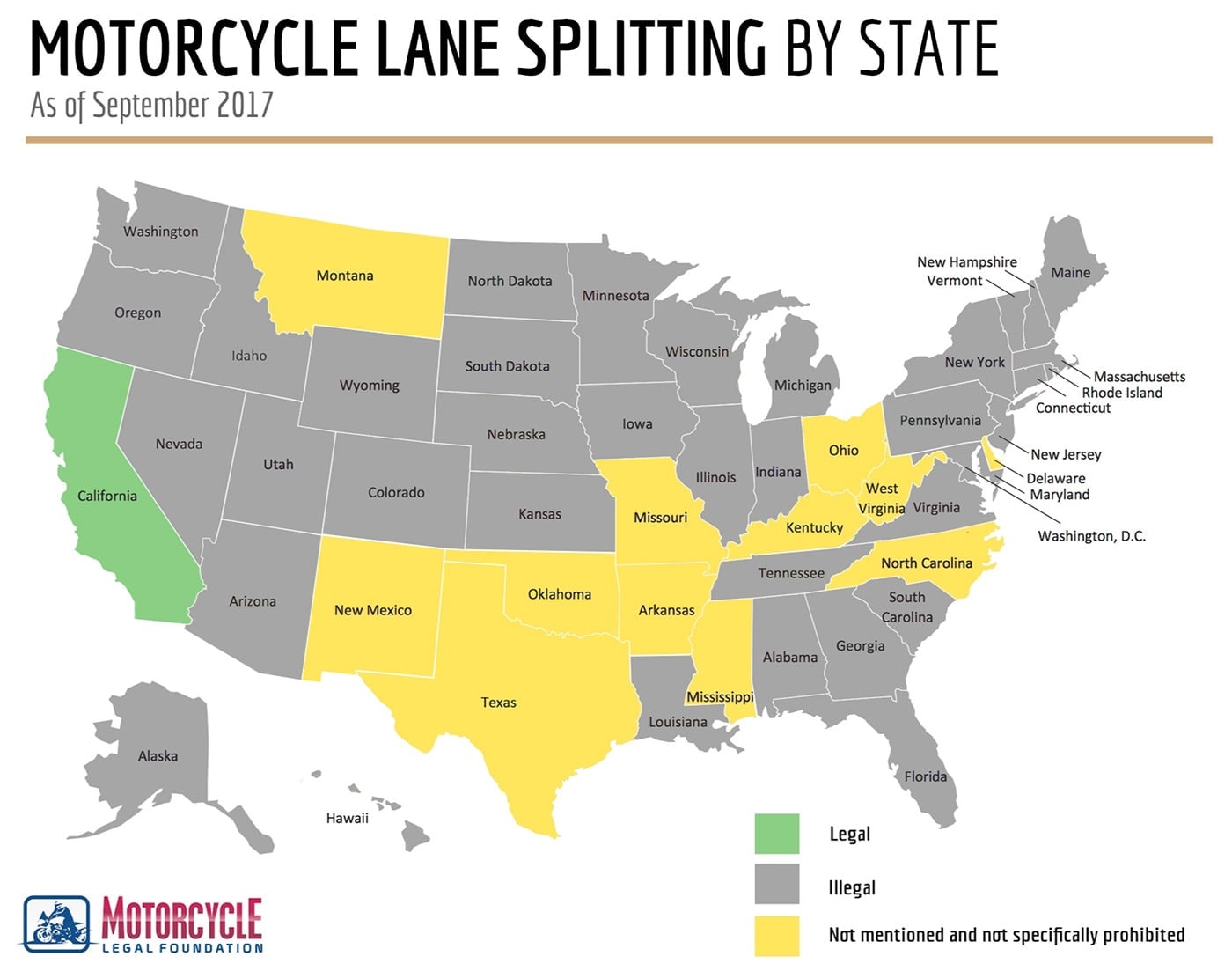
As of the current legal framework, lane filtering and lane splitting are illegal in Florida. The state’s statutes prohibit motorcyclists from riding between vehicles in the same lane or between lanes of traffic. Specifically, Florida Statute 316.209, which governs the operation of motorcycles, explicitly states that “No person shall operate a motorcycle between lanes of traffic or between adjacent lines or rows of vehicles.” This phrasing makes no distinction between high-speed lane splitting and low-speed lane filtering; both actions are prohibited.
This means that motorcyclists in Florida are expected to remain within their designated lane, just like any other vehicle, and to follow the flow of traffic, irrespective of congestion. This strict adherence to single-lane operation is a key aspect of road safety regulations across the state, from the bustling corridors of Interstate 4 near Walt Disney World Resort to the scenic stretches of U.S. Route 1 heading down to Key West.
Penalties and Enforcement
Violating Florida’s lane filtering prohibition can result in significant penalties. Motorcyclists found engaging in either lane splitting or lane filtering can be issued a traffic citation, which typically carries a fine and may result in points being added to their driving record. Accumulating too many points can lead to increased insurance premiums, driver’s license suspension, or even revocation.
Law enforcement agencies across Florida actively enforce traffic laws, and patrols are common on major highways and congested urban routes. Officers are trained to observe and act upon violations, emphasizing the importance of adhering to all traffic regulations for the safety of all road users. For tourists and visitors, it’s crucial to remember that ignorance of the law is not an excuse, and penalties apply equally to residents and non-residents alike. Therefore, enjoying Florida’s scenic routes responsibly means staying within legal boundaries.
Legislative Efforts and Future Prospects
Despite the current prohibition, there have been discussions and occasional legislative efforts to legalize or at least decriminalize lane filtering in Florida. Proponents often look to states like California and Utah, where lane filtering has been legalized under specific conditions, as models for potential changes. These conditions typically include speed limits for filtering (e.g., no more than 10-15 mph faster than surrounding traffic) and restrictions on where it can be performed (e.g., only when traffic is moving at a certain low speed).
However, such legislative attempts in Florida have consistently faced strong opposition, primarily due to concerns about safety, public perception, and the potential for increased accidents. Lawmakers in Tallahassee have historically been cautious, prioritizing the safety of all road users and maintaining the established traffic order. As such, any significant change to Florida’s stance on lane filtering appears unlikely in the immediate future. For the foreseeable future, motorcyclists visiting or residing in Florida must operate under the understanding that lane filtering remains illegal.
Safety Concerns and Public Perception
The debate around lane filtering is not merely a legal one; it’s deeply rooted in safety concerns and public perception, which significantly influence legislative decisions and road behavior.
Risks for Motorcyclists and Other Drivers
While proponents argue for increased safety for motorcyclists in specific scenarios, there are undeniable risks associated with lane filtering that often lead to its prohibition:
- Visibility Issues: One of the most critical risks is that other drivers may not see a motorcyclist filtering between lanes. Drivers often do not expect vehicles to appear suddenly in the small gaps between cars, especially when they are focused on traffic ahead or beside them. This lack of awareness can lead to drivers changing lanes, opening doors, or making sudden movements that result in collisions with filtering motorcyclists.
- Driver Frustration and Aggression: The sight of a motorcyclist bypassing a traffic jam can evoke frustration or even aggression from other drivers, who may perceive it as unfair or reckless. This can lead to hostile interactions or intentional blocking, further increasing accident risks.
- Limited Escape Routes: When filtering, motorcyclists have very limited space to maneuver, making it difficult to react to sudden braking or unexpected movements from surrounding vehicles.
- Emergency Vehicle Access: Improper lane filtering can also impede the progress of emergency vehicles trying to navigate through congested traffic.
Impact on Traffic Flow and Congestion
The actual impact of lane filtering on overall traffic flow and congestion is a subject of ongoing debate. While it can clear motorcycles from congested lanes, thus potentially freeing up space, the net effect on overall vehicle throughput is often minimal or hard to quantify. Opponents argue that the potential for accidents caused by filtering could lead to more significant traffic disruptions. In a state as densely populated and popular with tourists as Florida, maintaining predictable and safe traffic flow is a high priority.
Public Opinion and Awareness
Public opinion in Florida largely reflects the safety concerns. Many drivers are unfamiliar with the concept of lane filtering, or if they are, they often view it as dangerous and a violation of traffic norms. This lack of broad acceptance among the general driving public makes it challenging for any legislative proposal to gain traction. Education campaigns would be necessary to shift public perception, but for now, the prevailing sentiment aligns with the current legal prohibition, prioritizing the traditional “single lane” rule for all vehicles.
Lane Filtering in the Context of Florida Travel and Tourism
Florida’s identity as a global tourism hub means that traffic laws and road safety directly impact the experience of millions of visitors annually. Motorcycling is a significant segment of this tourism.
Motorcycling Tourism in the Sunshine State
Florida is a paradise for motorcyclists. Its warm weather, diverse scenic routes, and popular events attract riders from across the United States and internationally. Iconic rides include the breathtaking journey down Overseas Highway to Key West, the coastal stretches along the Atlantic Ocean near Fort Lauderdale, and the winding roads through central Florida’s natural beauty near Ocala National Forest. Major motorcycle events, such as Bike Week in Daytona Beach and Biketoberfest, draw hundreds of thousands of riders, transforming parts of the state into vibrant hubs of motorcycle culture.
For these riders, understanding Florida’s traffic laws, including the prohibition on lane filtering, is crucial. Visitors, especially those from states or countries where filtering is legal (e.g., Europe or United Kingdom), must adjust their riding habits to comply with local regulations. The joy of exploring Florida’s landmarks like Everglades National Park or attractions like Universal Orlando Resort should not be overshadowed by legal infractions.
Navigating Florida’s Roads Responsibly
For all travelers, whether on a motorcycle, in a rental car, or driving an RV, responsible road behavior is key to a safe and enjoyable Florida experience. This means:
- Adhering to Speed Limits: Florida’s speed limits are strictly enforced, particularly on highways like Interstate 95 and around tourist-heavy areas.
- Maintaining Safe Distances: With heavy traffic common in metropolitan areas, maintaining adequate following distance is essential to prevent accidents.
- Awareness of Surroundings: Drivers should always be aware of motorcycles, which can be harder to see. Motorcyclists, in turn, must ride defensively and assume they are not always visible.
- Respecting Lane Integrity: All vehicles, including motorcycles, are expected to remain within their designated lanes and avoid illegal maneuvers like lane filtering.
For those planning a motorcycling adventure through Florida, incorporating these principles ensures not only compliance with the law but also a safer journey through attractions like Busch Gardens Tampa Bay or the Kennedy Space Center Visitor Complex to the beautiful beaches along the Gulf of Mexico.
Comparison with Other States and Countries
The legality of lane filtering varies significantly across different jurisdictions, highlighting a diverse approach to motorcycle safety and traffic management. Understanding these differences provides context for Florida’s current stance.
Where is Lane Filtering Legal?
While illegal in Florida, lane filtering is permitted under specific conditions in several other parts of the world and a few states in the United States:
- California: California was the first state in the United States to explicitly legalize lane splitting, which is broadly defined to include filtering. The law permits motorcycles to split lanes when traffic is stopped or moving slowly, but does not specify a maximum speed differential. However, the California Highway Patrol provides guidelines advising against splitting at speeds over 30 mph or more than 10 mph faster than traffic.
- Utah: Utah legalized “lane filtering” in 2019, but with very strict limitations. Motorcyclists can filter to the front of traffic at a red light or stop sign only when traffic is completely stopped, and the filtering speed cannot exceed 15 mph.
- Other States: A handful of other states, such as Arizona and Montana, have also passed laws allowing some form of lane filtering under specific, limited circumstances, typically at low speeds and when traffic is stopped.
- Europe and Beyond: Lane filtering (often referred to as ‘filtering’ or ‘white-lining’) is common and legal in many parts of the world, including most of Europe, the United Kingdom, Australia, and parts of Asia. In these regions, it’s often seen as a standard and accepted practice, contributing to the efficiency of motorcycle travel in dense urban environments. Regulations vary, but often involve speed limits relative to traffic and conditions.
Lessons Learned from Other Jurisdictions
The experiences in states and countries where lane filtering is permitted offer valuable insights:
- Clear Regulations are Key: Where lane filtering is legal, success often hinges on clear, well-communicated regulations regarding permissible speeds, conditions, and enforcement. Vague laws can lead to confusion and increased risk.
- Driver Education is Crucial: For lane filtering to be safe, not only must motorcyclists understand the rules, but other drivers must also be educated about the practice and how to react to it. Campaigns to raise awareness among all road users are vital.
- Impact on Accident Rates: Studies on the impact of lane filtering on accident rates have yielded mixed results, often depending on how the practice is defined and regulated. Some studies suggest it can reduce certain types of accidents (e.g., rear-end collisions), while others point to potential increases in different collision types.
- Cultural Acceptance: In regions where filtering has been common for decades, there’s a higher degree of cultural acceptance among drivers, which contributes to safer implementation. In places where it’s a new concept, resistance and lack of awareness can be significant hurdles.
For Florida, the global perspective highlights the complexities of introducing such a change. While the potential benefits for motorcyclists are recognized, the state’s current legal framework reflects a cautious approach, prioritizing uniformity in traffic laws and addressing broad public safety concerns.

Conclusion
In summary, for motorcyclists navigating the captivating roads of Florida, the answer to “Is lane filtering legal?” is a definitive no. Current Florida statutes explicitly prohibit the practice of riding a motorcycle between lanes of traffic or adjacent rows of vehicles, regardless of speed or traffic conditions. This prohibition applies equally to both high-speed lane splitting and low-speed lane filtering, with violations carrying fines and potential points on a driving record.
The state’s stance is largely driven by overarching safety concerns, the perceived risks for all road users, and a general public sentiment that views the practice with apprehension. While legislative efforts to introduce lane filtering have occurred, they have not garnered sufficient support to change the existing laws, meaning the legal landscape is unlikely to shift in the near future.
For residents and the millions of tourists who flock to Florida for its unparalleled travel experiences, vibrant attractions, and scenic beauty, understanding and adhering to these traffic laws is paramount. Whether you’re cruising past the theme parks of Orlando, exploring the art deco charm of South Beach, or embarking on an unforgettable ride through the Florida Keys, responsible and legal operation of your vehicle ensures not only your safety but also the safety and enjoyment of everyone else on the road. Embrace the Sunshine State’s incredible offerings, but always do so within the bounds of its laws, making safety and compliance your top priorities.
LifeOutOfTheBox is a participant in the Amazon Services LLC Associates Program, an affiliate advertising program designed to provide a means for sites to earn advertising fees by advertising and linking to Amazon.com. Amazon, the Amazon logo, AmazonSupply, and the AmazonSupply logo are trademarks of Amazon.com, Inc. or its affiliates. As an Amazon Associate we earn affiliate commissions from qualifying purchases.