
San Francisco holds a unique mystique, often celebrated in song and story, and its weather is an integral part of that allure. More than just a backdrop, the city’s climate dictates everything from your packing choices to your daily itinerary, profoundly shaping the travel experience. For those planning a trip, understanding the nuances of San Francisco’s weather is paramount to a successful and enjoyable visit. Forget the typical Californian stereotypes of endless sunshine; San Francisco offers a microclimate adventure, where layers are your best friend and fog is often a cherished character. From its iconic summer fog to its surprisingly mild winters, navigating the city’s atmospheric personality is key to unlocking its full charm.

San Francisco’s Unique Climate: A Microcosm of Weather
The weather in San Francisco is famously unpredictable and distinct, primarily due to its geographical position. Situated on a peninsula, surrounded by the Pacific Ocean on one side and the San Francisco Bay on the other, the city experiences a Mediterranean climate characterized by mild, wet winters and dry summers. However, this broad classification barely scratches the surface of what makes San Francisco’s weather truly special. Its proximity to the cold Pacific Ocean and the presence of numerous hills create a patchwork of microclimates that can see significant temperature variations within just a few miles. This means that while one neighborhood might bask in sunshine, another just a short Cable Car ride away could be shrouded in a cool, misty embrace.
The Fog City Phenomenon: Karl the Fog and Beyond
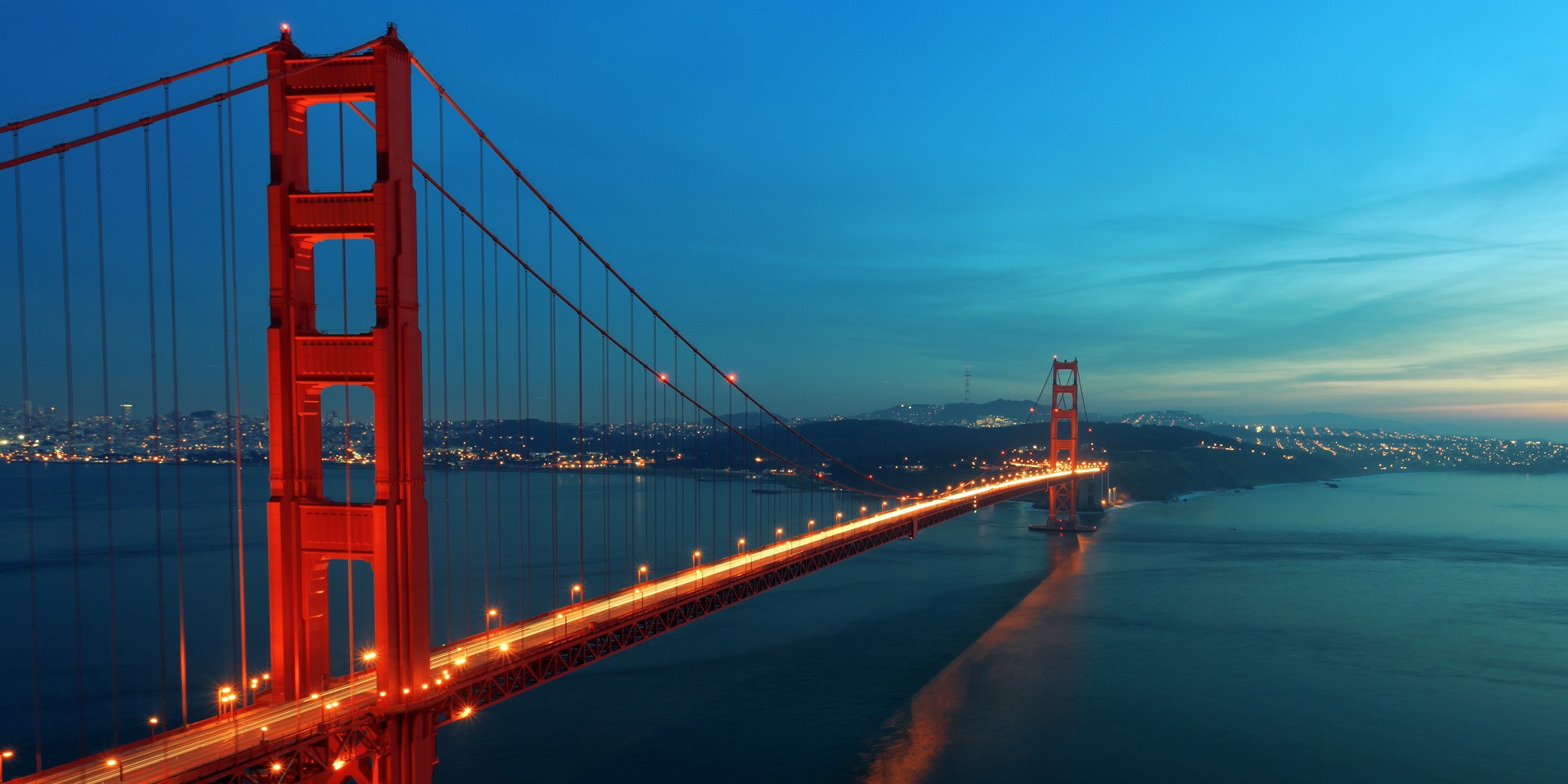
Perhaps the most iconic weather feature of San Francisco is its fog, affectionately known by locals as “Karl the Fog.” This meteorological marvel is not just a visual spectacle but a climatic force that defines much of the city’s character, especially during the summer months. The fog forms when warm, moist air from the Pacific Ocean encounters the cold waters of the California Current. As this air mass moves inland, it gets trapped by the coastal mountain ranges and flows through the Golden Gate Strait and over the city, particularly around the Golden Gate Bridge and into the western neighborhoods.
The fog acts as a natural air conditioner, keeping summer temperatures remarkably cool, often in the mid-60s Fahrenheit (15-18°C), when inland California swelters in 90-degree heat. While it can obscure views of landmarks like the Golden Gate Bridge, the fog also creates dramatic, ethereal scenes that have become synonymous with San Francisco. For travelers, understanding the fog’s prevalence, especially from June to August, is crucial for packing and planning outdoor activities. It often burns off by midday, revealing clear, sunny skies, only to roll back in during the late afternoon or evening. This diurnal pattern means mornings can be chilly and overcast, while afternoons are bright and pleasant, making flexible planning and layers essential for any visit.
Microclimates Explained: From Coastal Chill to Inland Warmth
The concept of microclimates is central to understanding San Francisco’s weather. The city’s varied topography, from its many hills to its proximity to both the ocean and the bay, creates distinct weather patterns within remarkably short distances. For instance, the neighborhoods closest to the Pacific Ocean, such as the Sunset District and Richmond District, tend to be cooler, foggier, and windier, especially in summer. This is where the ocean’s influence is most pronounced, with average summer temperatures often a brisk 60°F (15°C).
As you move eastward, deeper into the city, the fog’s influence lessens, and temperatures rise. Areas like the Mission District and Potrero Hill, shielded by hills, often enjoy significantly warmer and sunnier weather. It’s not uncommon for the Mission District to be 10-15 degrees Fahrenheit warmer than the outer Sunset on the same day. Even downtown, around Union Square, can experience different conditions than the waterfront at Fisherman’s Wharf, where bay breezes add an extra chill. This intricate tapestry of weather means that checking the forecast for specific neighborhoods is advisable for travelers. Knowing which area might offer the warmest afternoon sun can even influence your choice of accommodation, whether you’re seeking a bustling hotel in a sunnier downtown spot or a cozy apartment rental closer to the ocean’s dramatic embrace.
Seasonal Weather Breakdown: Planning Your San Francisco Journey
Understanding San Francisco’s seasonal weather patterns is crucial for any traveler looking to make the most of their visit. Each season offers a distinct experience, influencing everything from the type of attractions you might prioritize to the kind of wardrobe you’ll need. This breakdown aims to guide you through the year, highlighting the unique characteristics of each period.
Spring (March-May): Mild Days and Lingering Chill
Spring in San Francisco is a delightful season, often characterized by a mix of sunshine and lingering cool temperatures. While the city shakes off the last remnants of winter rains, the air remains crisp, and lush greenery abounds. Average temperatures typically range from the mid-50s to mid-60s Fahrenheit (12-18°C). This is a great time to visit for those who enjoy moderate weather and fewer crowds than the peak summer months.
The fog begins to make its presence felt more regularly towards late spring, but it’s generally less pervasive than in summer. Days can be surprisingly sunny and pleasant, perfect for exploring outdoor landmarks like Golden Gate Park or taking a ferry ride to Alcatraz Island. Spring also sees a vibrant bloom of flowers, particularly at the San Francisco Botanical Garden. Packing layers is still essential, as mornings and evenings can be quite cool, and the wind off the bay can be bracing. This season offers a wonderful balance for travel, combining comfortable temperatures with opportunities for both indoor and outdoor activities.
Summer (June-August): Foggy Mornings, Sunny Afternoons
Contrary to popular belief and California stereotypes, summer in San Francisco is often the chilliest and fuzziest time of year. This is peak “Karl the Fog” season, when the marine layer is most prevalent. While inland areas of California experience scorching heat, San Francisco often hovers in the low to mid-60s Fahrenheit (15-18°C). Mornings are typically overcast and cool, with the fog usually burning off by early to mid-afternoon, revealing clear, sunny skies. However, it’s not uncommon for the fog to persist all day, particularly in neighborhoods closer to the ocean.
Despite the fog, summer is a popular time for tourism, drawing visitors with its unique cool escape. Iconic sights like the Golden Gate Bridge are frequently enveloped in mist, creating dramatic photo opportunities. Outdoor activities like visiting Fisherman’s Wharf, strolling through Presidio National Park, or walking Lombard Street are still very much on the agenda, but always with a jacket in hand. For those seeking sun, short day trips to nearby wine regions like Napa Valley or Sonoma Valley offer a stark contrast in climate. Accommodation in San Francisco during summer can be in high demand, so early booking for hotels or apartments is advisable.
Autumn (September-November): The City’s Golden Season
Many locals and seasoned travelers agree that autumn is the absolute best time to experience San Francisco’s weather. The notorious summer fog begins to recede, and the city enjoys its warmest, clearest, and most consistently sunny days. Temperatures typically range from the mid-60s to low-70s Fahrenheit (18-23°C), creating ideal conditions for sightseeing and outdoor activities. The “Indian Summer” phenomenon often extends well into October, offering a delightful respite before the winter rains.
During these months, the views from Twin Peaks or Coit Tower are often unobstructed, providing breathtaking panoramas of the city, the Golden Gate Bridge, and the bay. This is prime time for outdoor dining, exploring the Ferry Building Marketplace, or taking a leisurely bike ride across the bridge to Sausalito. The pleasant weather also enhances experiences like visiting the Painted Ladies in front of the city skyline. While still advisable to pack a light jacket for evenings, the need for heavy layers diminishes significantly. This makes autumn an excellent choice for a trip, offering the most comfortable climate for tourism and exploration.
Winter (December-February): Rainy Spells and Crisp Air
Winter in San Francisco brings its “wet” season, characterized by cooler temperatures and increased rainfall. However, “winter” here is relative; heavy snowfall is virtually unheard of, and temperatures rarely drop below freezing. Average daytime temperatures typically range from the high 40s to mid-50s Fahrenheit (8-13°C). While rain is more common, it often comes in intermittent showers rather than prolonged downpours, leaving plenty of clear, crisp days between storms.
This season offers a different kind of beauty, with vibrant green hillsides and fewer tourists. It’s a fantastic time for indoor cultural activities, such as exploring the California Academy of Sciences, the Exploratorium, or the San Francisco Museum of Modern Art (SFMOMA). Cozy cafes and world-class restaurants in neighborhoods like the Mission District or North Beach provide perfect havens from the chill. While waterproof outerwear and sturdy shoes are essential, a mild winter’s day can still offer stunning views and pleasant walks, especially in places like Muir Woods National Monument, where the redwood forests thrive in the damp conditions. For travelers looking for budget-friendly accommodation, winter can often present better deals on hotels and suites.
Preparing for San Francisco’s Weather: Practical Tips for Travelers
Navigating San Francisco’s mercurial weather requires a strategic approach, especially when planning your travel itinerary and packing list. Embracing the city’s unique climate rather than fighting it will ensure a more enjoyable and comfortable experience, allowing you to focus on the myriad of attractions and cultural experiences it offers.
What to Pack: Layering is Key
If there’s one golden rule for packing for San Francisco, it’s “layer, layer, layer.” Due to the city’s significant microclimates and the rapid changes in weather throughout the day, having adaptable clothing is non-negotiable.
- Base Layers: Start with comfortable t-shirts or long-sleeved tops made of breathable fabric.
- Mid-Layers: A fleece jacket, sweater, or hoodie is essential, even in summer. This provides warmth that can be easily shed if the sun comes out.
- Outerwear: A waterproof and windproof jacket is a must-have for most of the year, particularly for warding off the ocean breeze and unexpected drizzles. A lightweight down jacket is also a good option for cooler evenings.
- Bottoms: Jeans, comfortable trousers, or sturdy leggings are generally appropriate. Shorts are rarely practical for extended periods, even on sunny days.
- Footwear: Comfortable walking shoes are paramount, as San Francisco is best explored on foot. Choose shoes that are suitable for hills and potentially wet pavements.
- Accessories: A scarf can be surprisingly useful for added warmth and style. Sunglasses are also a good idea for those moments when the sun does break through. An umbrella is advisable during the winter months, but many locals prefer a good hooded jacket.
Remember, what might be warm and sunny in the Mission District could be chilly and foggy at Fisherman’s Wharf just a few miles away. Being prepared with versatile clothing will save you from unexpected discomfort and allow you to fully enjoy your excursions.
Activities for Every Forecast: Embracing the Elements
San Francisco’s diverse array of activities ensures that there’s always something engaging to do, regardless of the weather. The key is to have a flexible itinerary and be willing to adjust based on the day’s forecast.
- Foggy Days: Embrace the mysterious ambiance by visiting indoor attractions. Explore world-class museums like the Exploratorium at Pier 15, the California Academy of Sciences in Golden Gate Park, or the San Francisco Museum of Modern Art (SFMOMA). Wander through the vibrant streets of Chinatown or browse the shops and eateries at the Ferry Building Marketplace. A journey to Alcatraz Island can also be particularly atmospheric in the fog.
- Sunny Days: These are perfect for enjoying San Francisco’s outdoor beauty. Walk or bike across the Golden Gate Bridge, explore the sprawling Golden Gate Park, take a scenic drive along the 17-Mile Drive (though outside the city, it’s a popular day trip), or simply relax at Dolores Park in the Mission District. Consider a day trip to the majestic redwood forests of Muir Woods National Monument, which are beautiful in any weather but particularly striking with shafts of sunlight filtering through the canopy.
- Windy Days: While the wind can be brisk, it’s often accompanied by clear skies. These days are great for walking tours of neighborhoods like Haight-Ashbury or North Beach, where you can duck into shops and cafes as needed. Visiting Union Square for shopping or experiencing the city’s culinary scene is also excellent, as many restaurants offer cozy indoor seating.
Accommodation Considerations: Comfort in Any Climate
The weather in San Francisco can also subtly influence your choice of accommodation. From luxury hotels to budget-friendly apartments, considering the climate can enhance your stay.
- Heating and Air Conditioning: While San Francisco rarely experiences extreme heat, some of the sunnier neighborhoods can get quite warm in the late summer and early autumn. Conversely, even mild winters can feel chilly indoors without adequate heating. When booking, especially for long-term stays in apartment rentals, confirm that your chosen accommodation offers sufficient climate control to ensure comfort year-round.
- Location and Microclimate: If consistent sunshine is a priority, consider staying in sunnier eastern neighborhoods like the Mission District, Potrero Hill, or certain areas downtown near Union Square. If you prefer the dramatic, misty atmosphere and cooler temperatures, a hotel or resort closer to the Pacific Ocean or the Golden Gate Bridge might be more appealing.
- Amenities: Look for hotels that offer amenities that cater to the local weather. Indoor pools or spas can be wonderful on cooler days, while cozy lounges with fireplaces provide a perfect retreat after a day of exploring. Boutique hotels often excel at creating a warm and inviting atmosphere, regardless of the weather outside. When reading reviews and comparing accommodation options, factor in how previous guests have found the comfort levels in relation to the weather.
Weather’s Influence on San Francisco Tourism and Lifestyle
The distinct climate of San Francisco isn’t just a talking point; it’s a fundamental aspect that shapes its tourism industry, local culture, and overall lifestyle. From how locals dress to how visitors plan their sightseeing, the weather is an ever-present character in the city’s narrative. This influence extends to every facet of a trip, from the iconic landmarks one visits to the culinary experiences enjoyed.
Iconic Landmarks Through the Lens of Weather
San Francisco’s most famous landmarks are intrinsically linked to its weather. The Golden Gate Bridge, for instance, is arguably most dramatic when partially shrouded in fog, creating a majestic and ethereal scene that has captivated photographers for decades. A clear, sunny day, however, offers unparalleled views of the bridge against a brilliant blue sky, stretching out to Sausalito and beyond. The experience of visiting Alcatraz Island is intensified by the chilling fog, adding to the somber history of the infamous prison.
Even urban landscapes like Lombard Street or the Painted Ladies on Alamo Square offer different visual narratives depending on the light and atmospheric conditions. The vibrant colors of the Victorian houses pop on a sunny day, while a foggy backdrop lends them a classic, cinematic quality. Understanding these variations allows travelers to appreciate the landmarks in multiple dimensions and perhaps even plan return visits to experience them under different weather conditions. This dynamic interplay between landmarks and weather is a core part of the city’s tourism appeal, inviting repeat visits and offering unique experiences each time.
Culinary Delights and Outdoor Experiences
The climate also plays a significant role in San Francisco’s renowned food scene and its outdoor lifestyle. On a rare warm and sunny day, outdoor dining patios in neighborhoods like the Mission District or along the waterfront become highly sought after. Restaurants capitalize on these moments, offering al fresco options that allow diners to savor fresh, local cuisine while enjoying the pleasant temperatures. Cafes with outdoor seating are perfect for people-watching on a mild afternoon.
However, given the city’s generally cool and often foggy climate, many culinary experiences are designed for cozy, indoor enjoyment. Hearty clam chowder at Fisherman’s Wharf tastes all the more comforting on a blustery day. The proliferation of world-class bakeries, coffee shops, and diverse restaurants across the city caters to a clientele seeking warmth and comfort, whether it’s a steaming bowl of pho in Chinatown or a gourmet meal in a dimly lit North Beach trattoria. The weather encourages a vibrant indoor social scene, fostering a culture of intimate dining and lively bar experiences that are less reliant on fair skies.
Tailoring Your Trip: From Luxury Escapes to Budget Adventures
The climate’s influence extends to tailoring different travel styles. For those embarking on a luxury travel experience, understanding the weather can help in selecting premium suites with panoramic views that are best appreciated on clear days, or choosing resorts with opulent indoor amenities like spas and fine dining that provide comfort regardless of the forecast. A luxury stay might involve exclusive tours of Napa Valley during its sunniest season or private culinary experiences in cozy, high-end restaurants during a cool evening.
Conversely, budget travel and family trips also benefit from weather-conscious planning. Knowing when to expect the best weather for outdoor, free activities like exploring Golden Gate Park or visiting Ocean Beach can optimize costs. Families might prefer the less crowded and often milder spring or autumn months to avoid the summer fog and still enjoy attractions. Business stays, too, can be impacted, with weather dictating the ease of commuting or the comfort level during client meetings. Whether you’re planning a romantic getaway, a solo adventure, or a comprehensive family vacation, integrating San Francisco’s unique weather into your travel guide will undoubtedly lead to a more enriched and unforgettable experience. The city’s climate, far from being a hindrance, is a captivating element that adds depth and character to every visit.
LifeOutOfTheBox is a participant in the Amazon Services LLC Associates Program, an affiliate advertising program designed to provide a means for sites to earn advertising fees by advertising and linking to Amazon.com. Amazon, the Amazon logo, AmazonSupply, and the AmazonSupply logo are trademarks of Amazon.com, Inc. or its affiliates. As an Amazon Associate we earn affiliate commissions from qualifying purchases.