
Embarking on a journey through the captivating landscapes of the American Southwest often brings travelers to two of Arizona‘s most iconic cities: Phoenix and Tucson. While Phoenix, the vibrant capital, glimmers with urban sophistication and expansive desert beauty, Tucson, the “Old Pueblo,” offers a rich tapestry of history, culture, and a distinct Southwestern charm. Many visitors find themselves planning an itinerary that includes both, naturally leading to the question: How far is Phoenix from Tucson?
The distance between these two major Arizona cities is manageable, making a day trip or a multi-city tour easily achievable. Whether you’re a first-time visitor or a seasoned desert explorer, understanding the logistics of this route is key to maximizing your Arizona experience. This comprehensive guide will not only detail the exact distance and travel times but also delve into the unique attractions, accommodation options, and lifestyle offerings of both cities, helping you craft an unforgettable Arizona adventure.
The Journey Between Two Arizona Gems
Connecting Phoenix and Tucson is a straightforward journey, predominantly along a major interstate, making it one of the most traveled routes in the state. This section will break down the specifics of the drive, offer insights into alternative transportation, and provide tips for a smooth travel experience.
Distance and Travel Time Demystified
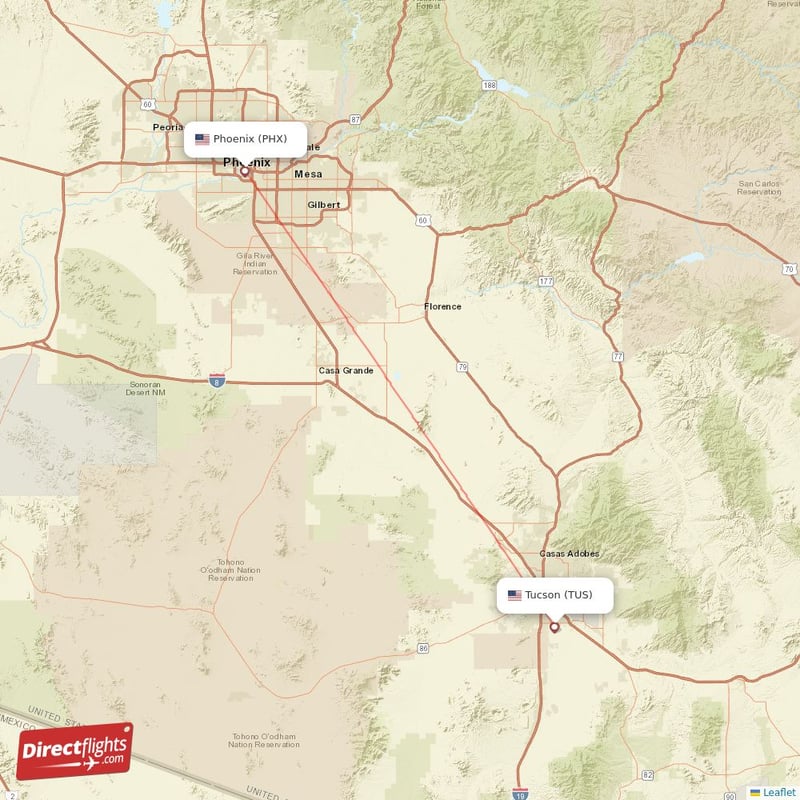
The approximate driving distance between downtown Phoenix and downtown Tucson is around 110 to 120 miles (177 to 193 kilometers), depending on your exact starting and ending points within each metropolitan area. For instance, if you’re traveling from the heart of Phoenix to the center of Tucson, you can expect the journey to cover roughly 115 miles.
The estimated driving time for this route typically ranges from 1 hour and 45 minutes to 2 hours and 15 minutes under normal traffic conditions. However, several factors can influence this duration:
- Traffic: Peak travel times, especially during weekday rush hours (morning and late afternoon) and on weekends, can significantly extend travel times, particularly around the urban areas of both Phoenix and Tucson. Major events in either city can also cause congestion.
- Construction: Roadwork is a common occurrence on busy interstates. Checking for real-time traffic updates and construction alerts before you depart is always advisable.
- Stops: Planning for fuel stops, restroom breaks, or detours to points of interest (like Picacho Peak State Park) will naturally add to your total travel time.
- Weather: While Arizona is known for its sunshine, heavy monsoon rains during the summer or occasional dust storms can impact visibility and slow down travel.
Driving Routes and Scenic Byways
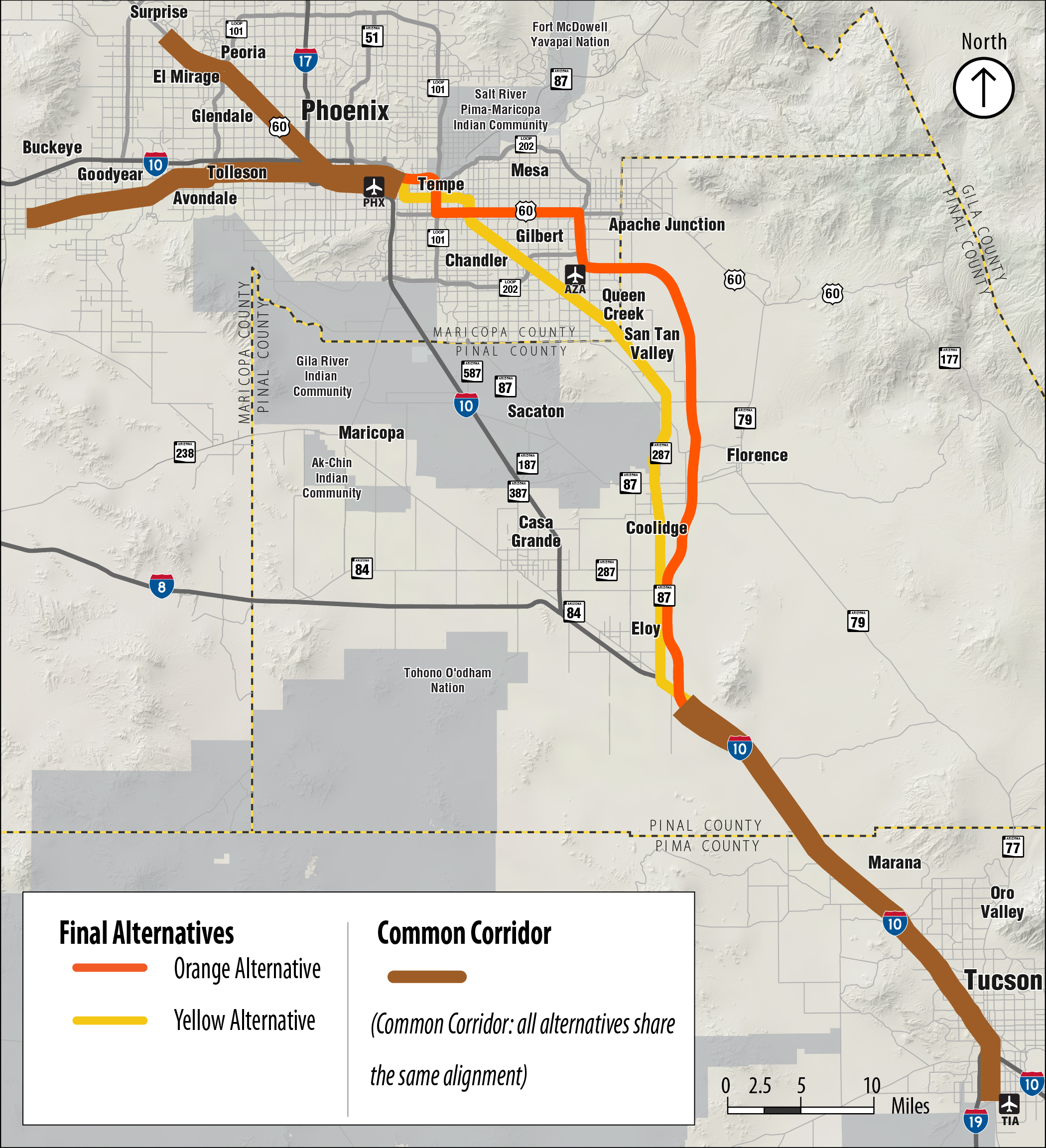
The primary and most efficient route connecting Phoenix and Tucson is via Interstate 10 (I-10). This four- to six-lane freeway runs straight through the desert, offering a generally flat and easy drive.
- The I-10 Experience: The drive along Interstate 10 provides a quintessential Sonoran Desert experience. You’ll witness saguaro cacti dotting the landscape, distant mountain ranges, and vibrant desert flora (especially after a rain). While largely a direct route, there are a few interesting stops along the way.
- Picacho Peak State Park: About halfway between the two cities, this distinctive peak offers hiking trails and panoramic views. It’s an excellent spot for a stretch and a photo opportunity, particularly in spring when wildflowers bloom.
- Biosphere 2: A short detour off I-10 near Oracle (north of Tucson) leads to this iconic research facility. It’s a fascinating visit for those interested in environmental science and unique architecture.
While I-10 is the most direct, for those seeking a more leisurely drive with less highway congestion, minor state routes and county roads offer alternative, though longer, options. These often involve winding through smaller towns or more remote desert landscapes, providing a different perspective on Arizona’s natural beauty. However, for most travelers, sticking to the interstate is the most practical choice.
Alternative Transportation Options
While driving your own vehicle or a rental car offers the most flexibility, other transportation methods are available for the Phoenix to Tucson route.
- Bus Services: Several bus companies, including Greyhound and FlixBus, operate daily services between the two cities. Bus travel is generally the most economical option, with journey times typically ranging from 2.5 to 3 hours, depending on the number of stops. This is a convenient choice for budget travelers or those who prefer not to drive.
- Ride-Sharing and Taxis: Services like Uber and Lyft are readily available in both Phoenix and Tucson. While more expensive than a bus, they offer direct, door-to-door service. A one-way ride can be costly, making it more viable for small groups splitting the fare. Traditional taxi services are also an option but tend to be pricier.
- Flights: Although both cities have major airports (Phoenix Sky Harbor International Airport and Tucson International Airport), direct flights between Phoenix and Tucson are rare and generally not practical due to the short driving distance. The time spent checking in, going through security, and deplaning would easily exceed the driving time, not to mention the higher cost. This option is almost never recommended for inter-city travel within Arizona for such a short distance.
- Amtrak: While Amtrak does have a station in Tucson, it’s part of the Sunset Limited route, and there isn’t a direct or convenient train service connecting to Phoenix. Train travel is not a viable option for this specific route.
Ultimately, driving remains the most popular and efficient way to travel between Phoenix and Tucson, offering the flexibility to explore at your own pace.
Discovering Tucson: The Old Pueblo’s Charm
Once you arrive in Tucson, you’ll quickly understand why it’s celebrated for its unique blend of Native American, Spanish, Mexican, and Anglo influences. Nestled within the Sonoran Desert, surrounded by five mountain ranges, Tucson offers a wealth of cultural experiences, outdoor adventures, and a culinary scene that reflects its rich heritage.
Top Attractions and Landmarks in Tucson
Tucson is a city rich in history and natural beauty, offering a diverse array of attractions for every interest.
- Saguaro National Park: This iconic park, split into two districts (East and West) flanking the city, is dedicated to preserving the majestic saguaro cactus, an emblem of the American Southwest. Visitors can enjoy scenic drives, hiking trails, and unparalleled opportunities for photography amidst these towering giants.
- Arizona-Sonora Desert Museum: More than just a museum, this world-renowned institution combines a zoo, botanical garden, art gallery, and natural history museum, all focused on the unique ecology of the Sonoran Desert. It’s an immersive experience for all ages.
- Mission San Xavier del Bac: Known as the “White Dove of the Desert,” this historic 18th-century Spanish mission is a breathtaking example of colonial architecture and religious art. It remains an active church and a significant cultural landmark.
- Pima Air & Space Museum: One of the largest non-government funded aerospace museums in the world, it houses an incredible collection of over 400 aircraft spanning various eras and nations. Aviation enthusiasts will be enthralled.
- Old Tucson Studios: Step back in time to the Old West at this historic movie set and theme park, where countless Western films and TV shows were produced. Enjoy live action shows, rides, and explore the authentic facades.
- Mount Lemmon: Providing a dramatic change of scenery, a drive up the scenic Catalina Highway to the summit of Mount Lemmon takes you through diverse ecological zones. Enjoy cooler temperatures, hiking, camping, and even skiing in winter at the southernmost ski resort in the continental U.S.
- Catalina State Park: Located at the base of the Santa Catalina Mountains, this park offers miles of hiking, equestrian trails, and birdwatching opportunities amidst saguaros and riparian areas.
Where to Stay in Tucson: Accommodation Choices
Tucson’s accommodation landscape caters to every preference, from luxurious resorts offering world-class amenities to charming boutique hotels and practical budget stays.
- Luxury Resorts: For an opulent escape, Tucson boasts several high-end resorts that blend seamlessly with the desert environment.
- Ritz-Carlton, Dove Mountain: Nestled in the foothills of the Tortolita Mountains, this resort offers championship golf, a serene spa, and stunning desert views.
- Loews Ventana Canyon Resort: Set against the backdrop of the Santa Catalina Mountains, this resort features two Fazio-designed golf courses, multiple pools, and a natural waterfall.
- JW Marriott Starr Pass Resort & Spa: Known for its cascading pools, lazy river, and a golf course that winds through the Sonoran Desert, it offers a truly immersive experience.
- Omni Tucson National Resort: Famous for its two championship golf courses and tranquil setting, it’s a haven for golf enthusiasts and those seeking relaxation.
- Boutique Hotels: For a more intimate and unique experience, downtown Tucson and its surrounding historic districts offer charming boutique hotels and guesthouses, often reflecting local art and culture.
- Budget-Friendly Options: Numerous well-known hotel chains provide comfortable and affordable accommodations throughout the city, suitable for travelers on a tighter budget.
- Long-Term Stays and Vacation Rentals: For extended visits or family trips, consider booking a vacation rental or an apartment-style suite, which often come with kitchen facilities and more space, offering a “home away from home” experience.

Culinary Delights and Local Culture in Tucson
Tucson holds the distinction of being the first UNESCO City of Gastronomy in the United States, a testament to its vibrant culinary scene and deep historical connection to food.
- Southwestern and Mexican Flavors: The city’s food culture is heavily influenced by its proximity to Mexico, with an abundance of authentic Mexican and Sonoran-style cuisine. Don’t miss trying a Sonoran hot dog, a local specialty wrapped in bacon and topped with various condiments.
- Farm-to-Table and Innovative Dining: Beyond traditional fare, Tucson boasts a growing number of innovative restaurants focusing on local ingredients and fusion cuisine, ranging from upscale dining to casual eateries.
- Arts and Heritage: Explore the historic barrios with their colorful adobe homes, visit art galleries, and immerse yourself in the vibrant cultural scene. The University of Arizona adds a youthful energy, with various events and performances throughout the year.
Exploring Phoenix: The Valley of the Sun’s Vibrancy
As the fifth-largest city in the U.S., Phoenix is a sprawling metropolis that masterfully blends urban sophistication with its stunning desert surroundings. Known as the “Valley of the Sun,” it’s a hub for business, luxury tourism, and outdoor activities, offering a contrasting yet equally compelling experience to Tucson.
Must-Visit Attractions and Landmarks in Phoenix
Phoenix and its surrounding communities, like Scottsdale, offer an expansive list of attractions that showcase the region’s natural beauty, rich cultural heritage, and modern innovations.
- Desert Botanical Garden: A true desert oasis, this garden features an unparalleled collection of desert plants from around the world, displayed along beautifully maintained trails. It’s a serene place to learn about desert flora and enjoy seasonal events.
- Heard Museum: Dedicated to the advancement of American Indian art and culture, the Heard Museum houses an impressive collection of traditional and contemporary art, textiles, and jewelry, providing a deep dive into Native American heritage.
- Musical Instrument Museum (MIM): This world-class museum features a vast collection of musical instruments and artifacts from every country in the world, with engaging exhibits that allow visitors to hear the instruments played. It’s an unforgettable sensory experience.
- South Mountain Park and Preserve: One of the largest municipal parks in North America, this expansive preserve offers miles of hiking, biking, and equestrian trails, culminating in breathtaking panoramic views of the city from Dobbins Lookout.
- Taliesin West: The winter home and architectural school of Frank Lloyd Wright, Taliesin West is a UNESCO World Heritage site and a masterpiece of desert architecture. Guided tours offer insight into Wright’s innovative design principles.
- Camelback Mountain: An iconic Phoenix landmark, this mountain offers challenging hiking trails (Echo Canyon and Cholla trails) and rewards climbers with stunning 360-degree views of the metropolitan area.
- Old Town Scottsdale: A vibrant district adjacent to Phoenix, known for its Western-themed shops, art galleries, lively nightlife, and a diverse range of restaurants. It’s perfect for a stroll and exploration.
Premier Accommodation in Phoenix
Phoenix and its surrounding areas, particularly Scottsdale, are renowned for their luxurious resorts, catering to leisure travelers, golfers, and business guests alike.
- Luxury Resorts: The “Valley of the Sun” is synonymous with world-class hospitality, featuring some of the most acclaimed resorts in the country.
- The Boulders Resort & Spa Scottsdale: Famous for its dramatic rock formations, championship golf courses, and serene spa, offering a secluded desert sanctuary.
- Arizona Biltmore, A Waldorf Astoria Resort: An architectural marvel influenced by Frank Lloyd Wright, this historic resort boasts multiple pools, golf courses, and a timeless elegance.
- Fairmont Scottsdale Princess: A vibrant and family-friendly resort known for its numerous pools, a large spa, and seasonal events that make it a destination in itself.
- Four Seasons Resort Scottsdale at Troon North: Perched high in the Sonoran foothills, offering exquisite accommodations, unparalleled service, and access to pristine golf courses.
- Boutique and Downtown Hotels: The downtown Phoenix area has seen a resurgence with new boutique hotels and modern high-rise accommodations, perfect for those seeking an urban experience near cultural attractions and nightlife.
- Family-Friendly Options: Many resorts and hotels throughout the metropolitan area cater specifically to families, offering kids’ clubs, large pools with waterslides, and engaging activities.
- Business Stays: With its bustling economy, Phoenix offers a wide range of business-oriented hotels and convention centers, equipped with all the necessary amenities for corporate travelers.
Phoenix’s Dynamic Food Scene and Lifestyle
The culinary landscape in Phoenix is as diverse and expansive as the city itself, reflecting its growth as a major metropolitan center.
- Upscale Dining and Innovative Cuisine: From celebrity chef restaurants to innovative farm-to-table establishments, Phoenix offers a sophisticated dining experience. Expect to find a blend of Southwestern, contemporary American, and international flavors.
- Casual Eateries and Food Trucks: Beyond fine dining, the city’s neighborhoods are brimming with casual cafes, lively gastropubs, and a thriving food truck scene, offering everything from local favorites to exotic street food.
- Shopping and Nightlife: Phoenix and Scottsdale are retail havens, with upscale malls and unique boutiques. The nightlife is vibrant, ranging from chic rooftop bars and lounges to lively music venues and clubs.
- Arts and Sports: The city boasts a thriving arts scene with numerous theaters, galleries, and performance venues. Sports enthusiasts will find professional teams for all major leagues, making it a year-round destination for sporting events.
Planning Your Arizona Adventure: Tips for a Seamless Trip
Venturing from Phoenix to Tucson and exploring both cities offers an incredible Arizona experience. A few practical considerations can enhance your journey and ensure a memorable trip.
Best Time to Visit and Weather Considerations
The Sonoran Desert climate dictates the ideal times for travel.
- Fall, Winter, and Spring (October to April): This is by far the most popular and pleasant time to visit Arizona. Temperatures are mild and comfortable, perfect for outdoor activities like hiking, golfing, and exploring. Days are sunny, and evenings are cool. This is peak tourist season, so expect higher prices and larger crowds.
- Summer (May to September): Summers in Phoenix and Tucson are intensely hot, with daily temperatures often exceeding 100°F (38°C). While many resorts offer “coolcation” deals and indoor attractions provide refuge, outdoor activities are best limited to early mornings or evenings. The summer monsoon season (July-September) can bring dramatic thunderstorms and flash floods. If traveling in summer, stay hydrated, wear sun protection, and plan activities accordingly.
Road Trip Essentials and Safety Tips
For those driving the Phoenix to Tucson route, a few essentials will ensure a safe and comfortable journey.
- Vehicle Check: Ensure your car is in good working order, especially tires, brakes, and fluid levels.
- Hydration: Always carry plenty of water, even for short drives, especially during warmer months. Dehydration can happen quickly in the desert climate.
- Snacks: Pack some non-perishable snacks for the road.
- Navigation: While Interstate 10 is straightforward, a GPS or map app is always recommended. Download offline maps in case of patchy signal in remote areas.
- Sun Protection: Sunglasses, hats, and sunscreen are crucial, even when driving.
- Emergency Kit: A basic emergency kit with a first-aid kit, jumper cables, and a flashlight can be invaluable.
- Desert Wildlife: Be aware of wildlife, especially at dawn and dusk.
- Dust Storms: In summer, large dust storms (haboobs) can occur, severely reducing visibility. If caught in one, pull safely off the road, turn off your lights, and wait for it to pass.
Combining Your Visits: Itinerary Ideas
Integrating both Phoenix and Tucson into your itinerary allows for a comprehensive Arizona experience.
- 3-Day Desert Immersion:
- Day 1-2 (Phoenix/Scottsdale): Explore the Desert Botanical Garden, hike Camelback Mountain, visit the Heard Museum or Musical Instrument Museum, and enjoy Scottsdale’s dining and nightlife.
- Day 3 (Tucson): Drive to Tucson in the morning. Visit Saguaro National Park (West), then the Arizona-Sonora Desert Museum, and finish with dinner in Tucson.
- 5-Day Cultural & Natural Wonders:
- Day 1-2 (Phoenix/Scottsdale): Same as above, focusing on the urban and natural attractions.
- Day 3 (Travel & Tucson West): Drive to Tucson, check into your accommodation. Spend the afternoon at Saguaro National Park (West) and the Arizona-Sonora Desert Museum.
- Day 4 (Tucson East & Culture): Explore Saguaro National Park (East), visit Mission San Xavier del Bac, and delve into downtown Tucson’s UNESCO City of Gastronomy offerings.
- Day 5 (Day Trip Options): Consider a day trip to Mount Lemmon, or explore the Pima Air & Space Museum or Old Tucson Studios.
- Longer Trips: For an extended vacation, consider adding other Arizona destinations like Sedona for its red rocks or the majestic Grand Canyon to create the ultimate Southwest road trip.
In conclusion, the journey from Phoenix to Tucson is an easy and enjoyable one, connecting two distinct yet equally captivating Arizona destinations. Whether you’re drawn to the vibrant urban pulse of Phoenix or the historic charm of Tucson, exploring both cities promises a rich tapestry of experiences that celebrate the unique spirit of the American Southwest. Pack your bags, hydrate, and prepare for an unforgettable adventure under the Arizona sun!
LifeOutOfTheBox is a participant in the Amazon Services LLC Associates Program, an affiliate advertising program designed to provide a means for sites to earn advertising fees by advertising and linking to Amazon.com. Amazon, the Amazon logo, AmazonSupply, and the AmazonSupply logo are trademarks of Amazon.com, Inc. or its affiliates. As an Amazon Associate we earn affiliate commissions from qualifying purchases.