
Florida, often affectionately known as the Sunshine State, is a magnet for travelers, those seeking new lifestyles, and individuals dreaming of a permanent move. From the thrilling theme parks of Orlando to the vibrant beaches of Miami and the serene beauty of the Florida Keys, its allure is undeniable. Whether you’re planning a long-term stay, considering residency, or simply need a reliable form of identification for your extended Florida adventures, obtaining a Florida ID is a crucial step. It’s more than just a piece of plastic; it’s your key to seamless travel, hassle-free accommodation, and a deeper immersion into the local culture and lifestyle that makes Florida so unique.
Understanding the requirements and process for obtaining a Florida ID can seem daunting, but with this comprehensive guide, you’ll navigate the journey with ease. We’ll break down everything you need to know, from the types of IDs available to the specific documents required and the steps involved in the application process. Prepare to unlock all that the Sunshine State has to offer with your official Florida identification.
The Gateway to the Sunshine State: Why a Florida ID Matters
For anyone settling into Florida, whether for work, study, retirement, or simply an extended holiday, a local identification card becomes indispensable. It serves as official proof of identity and residency within the state, opening doors to various services and enhancing your overall experience. Beyond the obvious legal requirements, a Florida ID significantly streamlines many aspects of daily life and travel within the United States.
More Than Just Identification: Accessing Florida’s Wonders
Imagine checking into your chosen resort in Naples, renting a car to explore the historic streets of St. Augustine, or even just verifying your age to enjoy a local craft brewery in Tampa. In all these scenarios, a Florida ID makes the process smooth and straightforward. While a passport might suffice for some situations, carrying an official state ID is often more convenient and preferred for domestic transactions. It’s especially vital for accessing age-restricted venues, completing financial transactions, or even picking up packages.
For travelers, particularly those on extended trips or considering a move, a Florida ID can be a game-changer. It simplifies domestic air travel, acting as a REAL ID Act compliant document for boarding flights within the United States (after the enforcement deadline). This makes navigating airports like Miami International Airport or Orlando International Airport a breeze, allowing you to focus on your destinations rather than identity verification hurdles. For long-term stays, it’s often a prerequisite for setting up utilities, banking, or even enrolling children in local schools.
Essential for Residents and Long-Term Visitors
If you’re establishing residency in Florida, obtaining a Florida ID (or driver’s license) is a fundamental step. It’s required for registering to vote, applying for certain state benefits, and establishing your presence for tax purposes. For individuals who maintain multiple residences or spend significant portions of the year in Florida, having a local ID solidifies your connection to the state, simplifying numerous administrative tasks. It’s a testament to your commitment to the Florida lifestyle, whether that involves a vibrant city life in Fort Lauderdale or a tranquil coastal existence in Sarasota.
Decoding Florida IDs: Driver’s Licenses vs. State Identification Cards
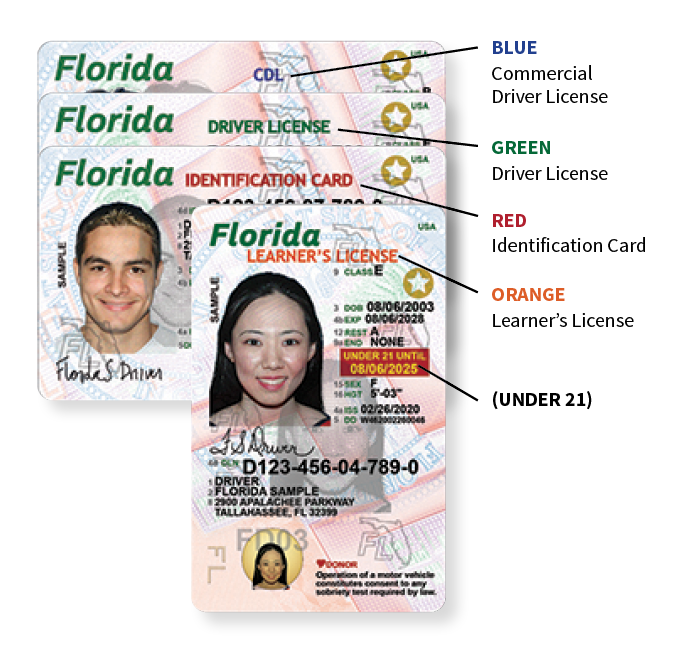
Before embarking on the application process, it’s essential to understand the two primary forms of identification available through the Florida Department of Highway Safety and Motor Vehicles (FLHSMV) or county tax collector’s offices: a Florida Driver’s License and a Florida Identification Card. While both serve as official proof of identity, their primary functions differ significantly.
Understanding Your Options: Driver’s License for Mobility
A Florida Driver’s License is the most common form of identification for residents. It permits you to legally operate a motor vehicle within the state and across the United States. If you plan to drive in Florida, whether for daily commutes, road trips to Everglades National Park, or exploring hidden attractions, this is the document you’ll need. Obtaining a driver’s license typically involves written tests, a vision test, and a practical driving test, in addition to the identity and residency verification required for all Florida IDs. The type of license you get will depend on the class of vehicle you intend to drive (e.g., Class E for standard non-commercial vehicles).
The State ID Card: A Non-Driving Alternative
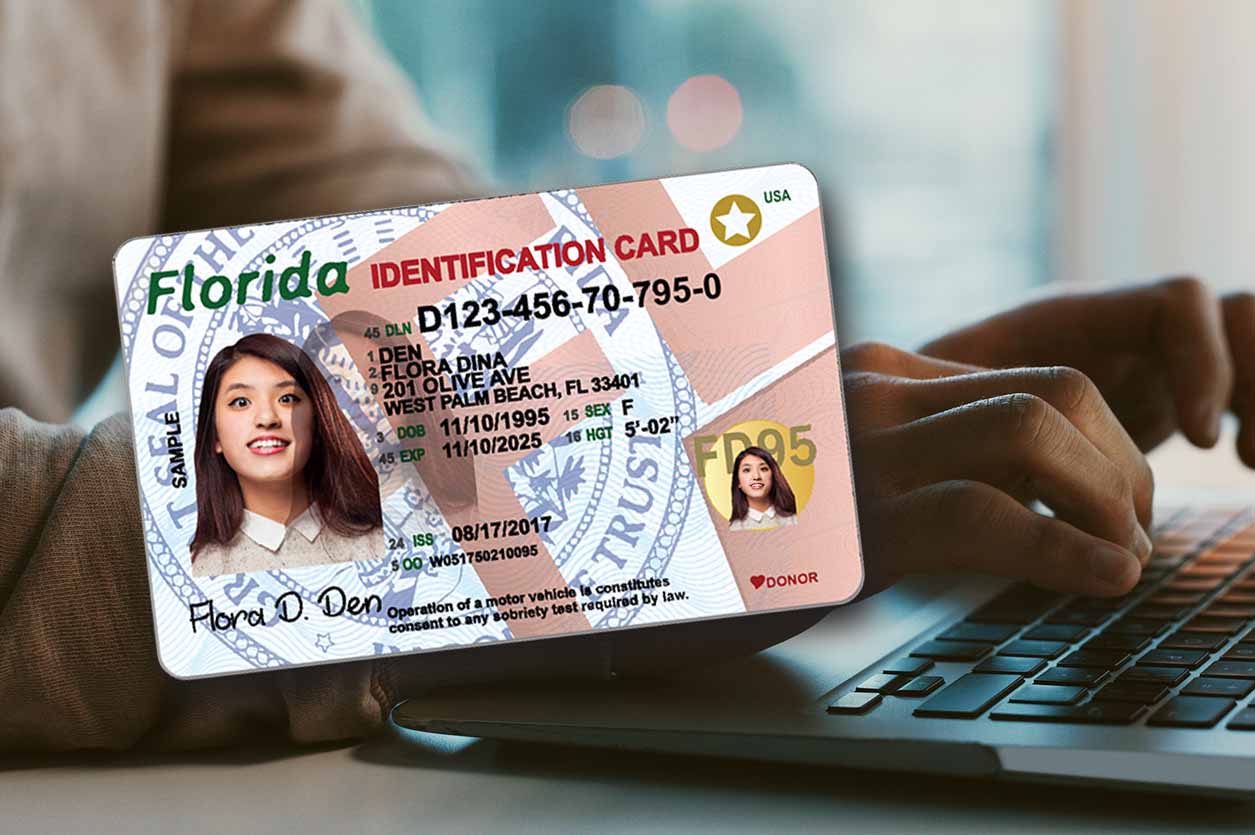
For those who do not drive, or who already hold a valid driver’s license from another state but wish to establish Florida residency for other purposes, the Florida Identification Card is the ideal choice. This card serves as official proof of identity and age but does not grant driving privileges. It’s a perfect option for visitors on extended stays, individuals who prefer public transport or ride-sharing services, or seniors who no longer wish to drive. The documentation requirements are similar to those for a driver’s license, making the application process straightforward once you have your paperwork in order. Both cards are issued with a “REAL ID” star, indicating compliance with federal security standards, which will be crucial for domestic air travel and access to certain federal facilities in the future.
Navigating the Documentation Maze: What to Bring
The cornerstone of a successful Florida ID application is having the correct documentation. Florida requires applicants to provide multiple documents from specific categories to establish identity, residency, and social security presence. It is crucial to bring original documents or certified copies as photocopies are generally not accepted.
Proof of Identity: Establishing Who You Are
This is perhaps the most critical category. You’ll need one primary document to establish your full legal name and date of birth. Common acceptable documents include:
- Original or Certified Birth Certificate: Must be issued by a government agency (e.g., state or county health department). Hospital birth certificates are usually not accepted.
- Valid U.S. Passport or Passport Card: Unexpired and issued by the United States Department of State.
- Certificate of Naturalization (Form N-550 or N-570): For naturalized citizens.
- Certificate of Citizenship (Form N-560 or N-561): For those born abroad to U.S. citizens.
- Valid Alien Registration Card (Green Card, Form I-551): For permanent residents.
- Employment Authorization Card (Form I-766): For non-citizens authorized to work in the U.S..
If your name has changed since your birth certificate (e.g., due to marriage, divorce, or court order), you must also provide original supporting documents for each name change. This could include a marriage certificate, divorce decree, or court order. The name on your primary identity document must match your current legal name, or all connecting legal name change documents must be provided to create a clear chain of evidence.
Proof of Residency: Confirming Your Florida Connection
To obtain a Florida ID, you must demonstrate that you reside in the state. This typically requires two different documents showing your Florida residential address. Acceptable documents include:
- Utility Bills: Electricity, water, natural gas, internet, or landline phone bills from the last 60 days. Cell phone bills are generally not accepted.
- Lease Agreement or Mortgage Statement: A valid written lease agreement for a Florida residence, or a mortgage statement.
- Bank Statement: From a Florida bank, dated within the last 60 days.
- Mail from Government Agencies: Documents from federal, state, county, or municipal government agencies (e.g., Social Security Administration, IRS, local tax collector) dated within the last 60 days.
- School Transcripts or Enrollment Papers: From a Florida school, for students.
- Homeowner’s or Renter’s Insurance Policy or Bill:
- Vehicle Registration Certificate: If your vehicle is already registered in Florida and shows your current address.
Make sure these documents clearly display your name and the Florida address you wish to have on your ID. If you’ve just moved to Florida and don’t yet have two forms of proof of residency, you might need to wait until you receive a second document, or present a “Certification of Address” form from someone whose address you are living at, accompanied by their proof of residency.
Social Security Information: A Crucial Component
All applicants for a Florida ID or driver’s license must provide proof of their Social Security Number (SSN). Acceptable documents include:
- Social Security Card: The original card.
- W-2 Form: Showing your SSN.
- Pay Stub: Displaying your SSN.
- SSA-1099 Form: From the Social Security Administration.
The name on your Social Security card or document must match the name on your primary identity document. If there’s a discrepancy, you may need to update your Social Security Administration records first.
Special Circumstances: Non-Citizens and Minors
For non-citizens, the requirements will vary based on your visa status. You will typically need to present your valid foreign passport, visa, and I-94 (Arrival/Departure Record), along with any other documents issued by U.S. Citizenship and Immigration Services (USCIS). The validity of your Florida ID will often be tied to your authorized period of stay in the United States.
For minors applying for an ID card, a parent or legal guardian must accompany them, provide their own identification, and sign a parental consent form. Additionally, proof of the minor’s identity, two proofs of residential address (which can be the parent’s if the minor resides with them), and their Social Security Number are required.
The Application Process: Steps to a Smooth Experience
Once you’ve gathered all your original documents, the final steps involve visiting an official office and completing the application. Being prepared can significantly reduce wait times and ensure a smooth experience.
Locating Your Local DMV or Tax Collector’s Office
In Florida, driver’s licenses and ID cards are issued by the Florida Department of Highway Safety and Motor Vehicles (FLHSMV) or through authorized county Tax Collector’s offices. You can find the nearest service center by visiting the FLHSMV website. Many offices allow you to make appointments online, which is highly recommended to avoid long queues, especially in popular areas like Orlando or Miami. Choose a time when the office is typically less busy, often mid-morning on a weekday.
What to Expect During Your Visit
Upon arrival, you will typically:
- Check-in: Present your appointment confirmation (if applicable) and initial documents.
- Queue: Even with an appointment, there might be a short wait.
- Document Verification: A clerk will review all your original documents to ensure they meet the requirements. This is where having everything organized saves time.
- Application Form: You will complete an application form, providing personal details.
- Vision Test (for Driver’s License): If applying for a driver’s license, you’ll undergo a quick vision screening.
- Photo: Your photo will be taken for the ID card. Ensure you meet the photo requirements (e.g., no hats, clear face).
- Fingerprints and Signature: Your fingerprints might be scanned, and you will provide a digital signature.
- Payment: Pay the applicable fees.
Your new Florida ID card will usually be mailed to your residential address within a few weeks. You may receive a temporary paper ID to use in the interim.
Fees and Validity Periods
The fees for a Florida Driver’s License or Florida Identification Card are subject to change, so it’s always best to check the official FLHSMV website for the most current pricing. Typically, a first-time Class E driver’s license costs around $48, while a standard ID card is approximately $25. These documents are generally valid for eight years for U.S. citizens and permanent residents, or for the duration of one’s authorized stay for non-citizens.
Maximizing Your Florida Experience: How Your ID Enhances Your Journey
With your new Florida ID in hand, the Sunshine State truly opens up. This small card transforms from a bureaucratic necessity into a practical tool, elevating your travels, simplifying accommodation, and enriching your entire lifestyle in Florida.
Seamless Travel and Accommodation Bookings
Imagine booking a spontaneous weekend getaway to a luxurious resort in Palm Beach or a charming boutique hotel in Key West. Your Florida ID ensures quick and easy check-ins, often a requirement for most hotels and accommodation providers. It’s universally accepted for car rentals, allowing you to pick up a vehicle and embark on scenic drives along the Gulf Coast or across the Overseas Highway. For domestic flights from major hubs like Jacksonville or Fort Myers, your REAL ID Act compliant Florida ID will be your reliable boarding pass through airport security.
Exploring Attractions and Local Culture
Your Florida ID is also your pass to enjoying the myriad attractions and rich local culture. Whether it’s verifying your age for admission to bars and nightclubs in South Beach‘s Art Deco Historic District, securing resident discounts at Walt Disney World Resort or Universal Studios Florida, or even simply checking out a book from a local library, your ID is essential. It also plays a role in establishing eligibility for certain recreational licenses, such as fishing or hunting, if you wish to explore Florida’s incredible natural landmarks and outdoor activities.

Enjoying the Florida Lifestyle
Beyond the big attractions, a Florida ID is integral to embracing the daily lifestyle. From opening a bank account at a local branch in Tallahassee to signing up for a gym membership or receiving packages, it provides necessary verification. For those engaging in tourism and longer stays, it helps you feel more integrated into the community, making everyday tasks smoother and more efficient. It gives you peace of mind, knowing that you have a universally accepted and government-issued document proving your identity and connection to your Florida home base.
In conclusion, securing a Florida ID is an investment in convenience, security, and the full enjoyment of life in the Sunshine State. By understanding the requirements and preparing your documents, you can ensure a smooth process and quickly gain access to all the wonders that Florida offers, from world-class destinations to vibrant local culture and an unparalleled lifestyle.
LifeOutOfTheBox is a participant in the Amazon Services LLC Associates Program, an affiliate advertising program designed to provide a means for sites to earn advertising fees by advertising and linking to Amazon.com. Amazon, the Amazon logo, AmazonSupply, and the AmazonSupply logo are trademarks of Amazon.com, Inc. or its affiliates. As an Amazon Associate we earn affiliate commissions from qualifying purchases.