
Miami, Florida, often evokes images of sun-drenched beaches, vibrant nightlife, and swaying palm trees – a quintessential tropical escape. For any traveler planning a visit, one of the most pressing questions is inevitably about the weather, specifically, “What’s the temperature like?” Understanding Miami’s climate isn’t just about knowing whether to pack shorts or a sweater; it’s fundamental to planning your activities, choosing the right accommodation, and ultimately, ensuring your trip is as enjoyable as possible. The city boasts a tropical monsoon climate, characterized by hot, humid summers and warm, dry winters, making it a year-round destination, albeit with distinct seasonal nuances. This article will delve into the intricacies of Miami’s temperatures, guiding you through what to expect month by month and how to tailor your travel plans for an unforgettable experience, whether you’re seeking lively South Beach vibes or exploring the unique ecosystems of Everglades National Park. From budgeting your trip to selecting the perfect luxury resort, temperature plays a surprisingly significant role in every aspect of your Miami adventure.
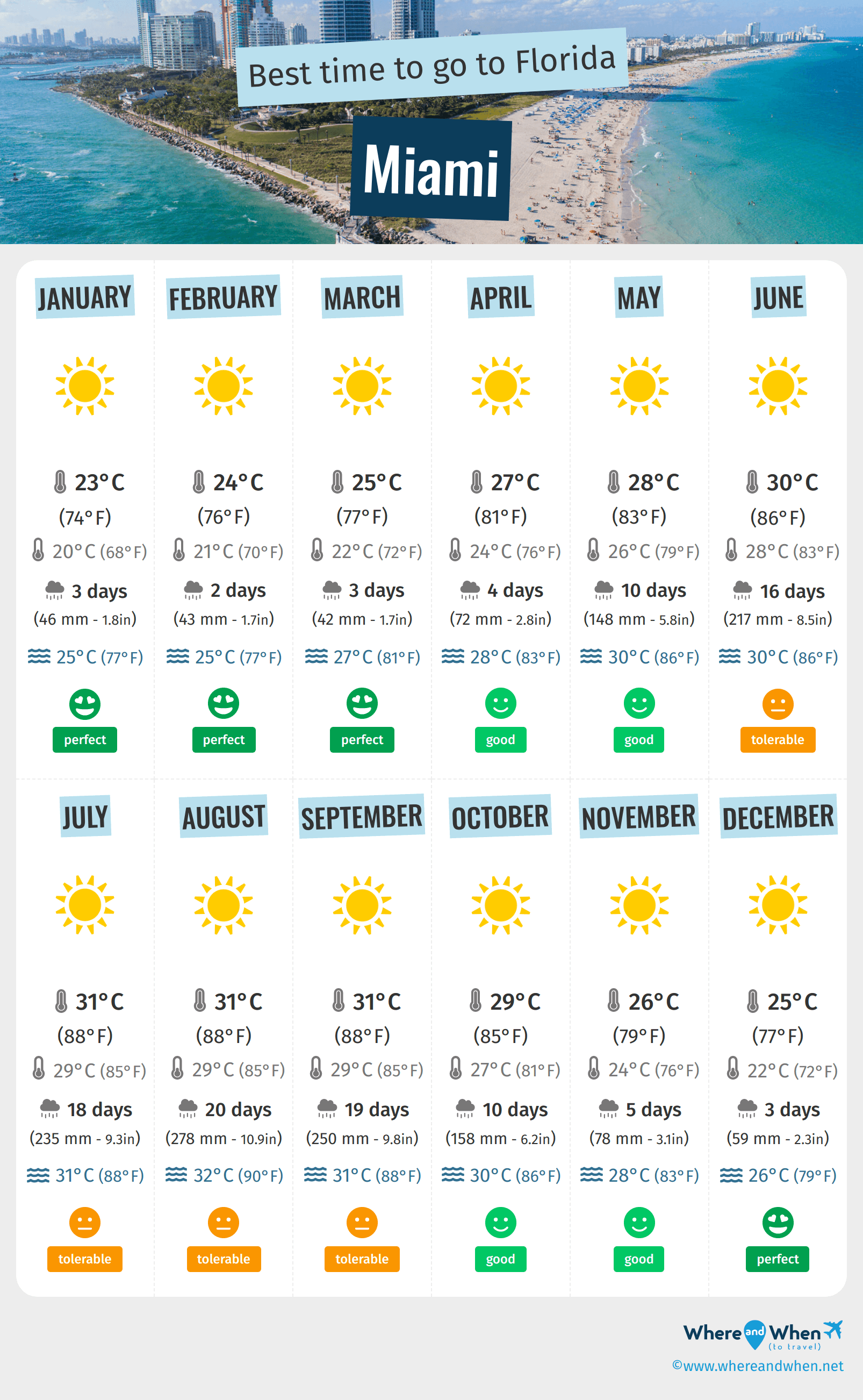
Miami’s Climate: A Year-Round Tropical Paradise with Seasonal Shifts
Miami’s allure lies in its consistently warm temperatures, making it a popular getaway from colder climes. However, calling it “warm” year-round doesn’t fully capture the distinct seasonal experiences it offers. The city essentially has two main seasons: a warm, wet season and a drier, slightly cooler season, both influenced by its proximity to the Atlantic Ocean and the Gulf of Mexico. These patterns dictate everything from the type of clothing you’ll need to the best time for specific activities, influencing the overall lifestyle and tourism experiences available.
Understanding Miami’s Seasons: Wet vs. Dry
The division of Miami’s climate into wet and dry seasons is crucial for travel planning. Each period presents unique advantages and challenges.
The Dry Season (November to April): This is arguably Miami’s peak tourist season, and for good reason. Temperatures during these months are comfortably warm, humidity levels are significantly lower, and rainfall is minimal.
- Temperatures: Daytime highs typically range from 70°F to 80°F (21°C to 27°C), with evenings cooling down to the low 60s°F (16-18°C). These are ideal conditions for exploring outdoor attractions, lounging on the beaches, or enjoying al fresco dining.
- Humidity: The lower humidity makes the warm temperatures feel much more pleasant and conducive to outdoor activities like visiting Little Havana or taking a boat tour.
- Rainfall: Expect plenty of sunshine and very few rainy days, making this the perfect time for uninterrupted beach relaxation and sightseeing.
The Wet Season (May to October): While still a popular time to visit, especially for budget-conscious travelers or those who thrive in genuine tropical heat, the wet season brings a different set of climatic conditions.
- Temperatures: Expect consistently hot temperatures, with daytime highs often in the upper 80s°F to low 90s°F (30°C to 34°C). Overnight lows rarely dip below the mid-70s°F (24-26°C).
- Humidity: This is when Miami truly earns its tropical reputation, with very high humidity levels that can make the temperatures feel even warmer and more oppressive.
- Rainfall: Afternoon thunderstorms are a daily occurrence, often brief but intense downpours that clear up as quickly as they arrive. While they can be refreshing, they necessitate planning for indoor activities or being prepared with an umbrella. This period also coincides with Hurricane Season (June 1st to November 30th), a factor that travelers should be aware of and plan for with travel insurance.
Average Monthly Temperatures and What to Expect
To provide a more granular understanding, let’s break down Miami’s temperatures throughout the year.
- January: Average high 76°F (24°C), low 60°F (16°C). Pleasant, sunny, and very popular for snowbirds.
- February: Average high 78°F (26°C), low 62°F (17°C). Similar to January, excellent beach weather.
- March: Average high 80°F (27°C), low 64°F (18°C). Still comfortable, but starting to warm up. Spring break draws large crowds.
- April: Average high 83°F (28°C), low 68°F (20°C). The end of the dry season, warmer but still manageable.
- May: Average high 87°F (31°C), low 73°F (23°C). The start of the wet season, noticeable increase in heat and humidity.
- June: Average high 89°F (32°C), low 75°F (24°C). Hot, humid, and frequent afternoon showers.
- July: Average high 90°F (32°C), low 76°F (24°C). Peak summer heat and humidity, often the hottest month.
- August: Average high 90°F (32°C), low 76°F (24°C). Continues July’s pattern, hot and humid with daily rain.
- September: Average high 89°F (32°C), low 75°F (24°C). Still very hot and humid, high risk for tropical storms.
- October: Average high 86°F (30°C), low 72°F (22°C). Slowly starting to cool, but still warm and humid, with hurricane season still active.
- November: Average high 81°F (27°C), low 66°F (19°C). A welcome shift towards cooler, drier weather, marking the beginning of peak season.
- December: Average high 78°F (26°C), low 63°F (17°C). Ideal conditions for holiday travel, often perfect weather for outdoor activities and festivals like Art Basel Miami Beach.
Beyond the Thermometer: How Weather Influences Your Miami Experience
The numbers on the thermometer tell only part of the story. How you experience Miami’s climate significantly impacts your travel enjoyment, dictating everything from your daily itinerary to your packing list. Understanding these influences can help you plan a trip that perfectly aligns with your preferences, whether you’re drawn to Miami’s famous landmarks or its vibrant local culture.
Optimal Activities for Each Season
Miami’s diverse attractions can be enjoyed year-round, but certain activities truly shine in specific weather conditions.
Dry Season (November – April): This is prime time for anything outdoors.
- Beach & Water Sports: With pleasant temperatures and abundant sunshine, lounging on South Beach, paddleboarding, kayaking, or enjoying boat tours are highly recommended.
- Outdoor Exploration: Day trips to Everglades National Park for airboat rides or wildlife spotting are much more comfortable. Exploring neighborhoods like Little Havana, Wynwood Walls, or the historic architecture of Coral Gables is a joy.
- Festivals & Events: Many of Miami’s major outdoor festivals, such as Art Basel Miami Beach in December, Miami Music Week and Ultra Music Festival in March, or the South Beach Wine & Food Festival, are scheduled during these cooler, drier months to maximize participant comfort.
Wet Season (May – October): Don’t let the heat and rain deter you; strategic planning can still lead to a fantastic trip.
- Indoor Attractions: Dive into Miami’s rich cultural scene. Visit world-class museums like the Pérez Art Museum Miami (PAMM) or the Phillip and Patricia Frost Museum of Science. Explore the opulent Vizcaya Museum & Gardens (with indoor elements to escape the heat).
- Shopping: Take advantage of Miami’s extensive shopping opportunities at air-conditioned malls such as Aventura Mall, Dadeland Mall, or the trendy Brickell City Centre.
- Water-Based Activities: While afternoon storms are common, they often pass quickly. Enjoy early morning swims, explore the vast selection of hotel pools, or indulge in indoor spa treatments at luxurious resorts like the Fontainebleau Miami Beach or The Biltmore Hotel.
Packing Essentials for Miami’s Diverse Weather
Packing smart for Miami means being prepared for both tropical heat and potential sudden downpours, even in the “dry” season.

- Lightweight Clothing: Regardless of when you visit, breathable fabrics like cotton, linen, and moisture-wicking materials are essential. Think shorts, sundresses, t-shirts, and swimwear.
- Sun Protection: Sunscreen (high SPF), sunglasses, and a wide-brimmed hat are non-negotiable. The Florida sun is intense year-round.
- Rain Gear: For the wet season, a compact umbrella or a light, packable raincoat is highly recommended. Even in the dry season, an unexpected shower can occur.
- Footwear: Comfortable sandals or flip-flops are perfect for daytime. If you plan on nightlife or upscale dining, bring dressier options. Waterproof shoes might be handy during the wet season.
- Light Layer: Even in the hottest months, many indoor spaces (restaurants, malls, hotels) are heavily air-conditioned. A light sweater, cardigan, or shawl can be a lifesaver.
Navigating Hurricane Season
The wet season overlaps with Atlantic Hurricane Season, which officially runs from June 1st to November 30th. While direct hurricane hits are rare, tropical storms or depressions can bring several days of heavy rain and wind, potentially disrupting travel plans.
- Stay Informed: Monitor weather forecasts from reliable sources like the National Hurricane Center.
- Travel Insurance: Consider purchasing travel insurance, especially if traveling during these months. It can protect you against unexpected cancellations or delays due to severe weather.
- Flexibility: Build some flexibility into your itinerary if possible, allowing for potential changes.
Choosing Your Miami Accommodation Based on Weather and Lifestyle
The type of accommodation you choose can greatly enhance your comfort and enjoyment in Miami, particularly when considering the varying temperatures and weather patterns. From luxurious resorts to cozy apartments, each option offers distinct advantages tailored to different lifestyles and climatic preferences.
Resorts and Hotels for Every Climate Preference
Miami boasts an incredible array of lodging options, many designed to maximize enjoyment of its tropical climate.
- Beachfront Resorts (Year-Round Appeal): For those whose primary goal is to soak up the sun and enjoy the ocean, iconic resorts like the Fontainebleau Miami Beach, The Ritz-Carlton, South Beach, or Loews Miami Beach Hotel offer direct beach access, expansive pool areas, and plenty of indoor amenities for those rainy afternoons or intensely hot days. During the dry season, their outdoor spaces are heavenly. In the wet season, their air-conditioned comfort and diverse dining options become invaluable.
- Downtown & Urban Hotels (Business & City Exploration): Hotels in areas like Downtown Miami or Brickell, such as the JW Marriott Marquis Miami or the Kimpton EPIC Hotel, cater more to business travelers or those focused on urban exploration, dining, and nightlife. While they might have pools, their main draw isn’t direct beach access. These options are excellent during the wet season when you might spend more time indoors or navigating between air-conditioned venues.
- Historic Hotels (Charm & Culture): For a different vibe, consider historic gems like The Biltmore Hotel in Coral Gables with its iconic pool and golf course, or boutique hotels in South Beach’s Art Deco Historic District. These offer a blend of indoor elegance and charming outdoor spaces, perfect for enjoying the cooler dry season evenings.
- Villas & Apartments (Long-term Stays & Family Trips): For extended stays or family trips, renting a villa or apartment through platforms like Airbnb or VRBO can provide more space and amenities. Look for properties with private pools, especially if traveling in the hotter months, as a personal cool-down spot is a luxury. Good air conditioning is paramount for any rental in Miami.
Maximizing Comfort: Amenities to Look For
When booking your Miami accommodation, certain amenities become more critical depending on the time of year.
- Exceptional Air Conditioning: This is non-negotiable year-round, but especially vital during the wet season. Ensure your chosen hotel or rental has robust and reliable AC.
- Inviting Pools: A refreshing pool is a must-have in Miami’s heat. Many resorts offer multiple pools, some even with chilled water during peak summer.
- Indoor Activities & Spa Services: On days when the heat or rain is too much, having on-site dining, bars, a gym, or a full-service spa means you don’t have to leave your comfortable surroundings. Resorts like the Carillon Miami Wellness Resort specialize in such offerings.
- Outdoor Spaces (for the Dry Season): If visiting during the cooler months, look for hotels with attractive outdoor patios, rooftop bars, or garden areas where you can comfortably relax and enjoy the pleasant evenings.
Experiencing Miami’s Culture and Food Under Any Sky
Miami’s vibrant culture and world-renowned culinary scene are accessible regardless of the temperature outside. The city’s establishments and event organizers are well-versed in adapting to its tropical climate, ensuring visitors can indulge in its unique offerings throughout the year.
Culinary Delights Year-Round
Miami’s food scene is a testament to its diverse cultural tapestry, heavily influenced by Cuban, Caribbean, and Latin American flavors.
- Outdoor Dining (Dry Season Favored): When the weather is mild, there’s nothing quite like dining al fresco. Explore the outdoor patios in Coconut Grove, the sidewalk cafes of South Beach, or enjoy authentic Cuban coffee and pastries in Little Havana. Rooftop bars and restaurants offer stunning views and a pleasant breeze during cooler evenings.
- Indoor Dining (Wet Season & Summer Essential): During the hotter and wetter months, Miami’s vast array of air-conditioned restaurants provides welcome refuge. From upscale establishments like Zuma Miami or Komodo to casual eateries, you’ll find every cuisine imaginable. Embrace the opportunity to explore Miami’s innovative gastronomy without concern for the weather. Food halls, such as Time Out Market Miami, offer a communal, indoor dining experience perfect for any forecast.
- Refreshing Treats: No matter the temperature, Miami is the perfect place for cooling treats. Indulge in artisanal ice cream, refreshing fruit smoothies, or a classic “batido” (milkshake) from a Cuban ventanita.

Festivals and Events: Weather Considerations
Miami is a city that loves to celebrate, hosting numerous festivals and events throughout the year. Event organizers are adept at planning around the climate.
- Dry Season Festivals: The majority of large-scale, outdoor festivals take place during the dry season. Events like Art Basel Miami Beach (December), the South Beach Wine & Food Festival (February), Carnaval Miami (March), and the Ultra Music Festival (March) benefit from the comfortable temperatures and low chance of rain, attracting visitors from all over the world. These are peak times for tourism and often require booking accommodation well in advance.
- Wet Season Events: While fewer large outdoor events occur, the wet season still hosts a variety of indoor cultural events, concerts, and conventions. Many venues offer both indoor and covered outdoor spaces, providing flexibility. For example, some art walks in Wynwood or Little Havana might shift focus to galleries and indoor establishments during rainy evenings. Local markets might move indoors or operate under large tents. Always check the specific event details for weather contingencies.
In conclusion, understanding “What’s the temperature in Miami, Florida?” is more than just a quick fact; it’s the key to unlocking the perfect Miami experience. While the city consistently offers warm, tropical vibes, its distinct wet and dry seasons significantly impact what you’ll enjoy most and how you should prepare. From planning your Everglades National Park adventure in the cooler dry months to exploring Pérez Art Museum Miami on a humid summer afternoon, being temperature-aware ensures you make the most of this vibrant destination. Pack light, stay hydrated, and be ready to embrace both glorious sunshine and a refreshing afternoon shower, and Miami will reward you with an unforgettable journey filled with culture, relaxation, and adventure.
LifeOutOfTheBox is a participant in the Amazon Services LLC Associates Program, an affiliate advertising program designed to provide a means for sites to earn advertising fees by advertising and linking to Amazon.com. Amazon, the Amazon logo, AmazonSupply, and the AmazonSupply logo are trademarks of Amazon.com, Inc. or its affiliates. As an Amazon Associate we earn affiliate commissions from qualifying purchases.