
The question “Who owns Disneyland Florida?” often sparks a common misconception. While the legendary Disneyland Park is indeed located in Anaheim, California, the vast, sprawling theme park and resort complex in Florida is actually known as Walt Disney World Resort. This distinction is crucial when discussing ownership, governance, and the unique history of this iconic travel destination.
At its core, Walt Disney World Resort is owned and operated by The Walt Disney Company. However, understanding the full scope of this ownership involves delving into a fascinating and complex web of corporate structure, municipal governance, and recent political developments that have reshaped the landscape of this entertainment giant’s domain in the Sunshine State. From the initial vision of Walt Disney himself to the modern-day challenges, the story of Walt Disney World’s ownership is as intricate as its magical attractions. This article will explore the historical context, the unique governmental district that allowed for its development, and the significant changes that have recently occurred, offering a comprehensive look at who truly holds the keys to the kingdom.
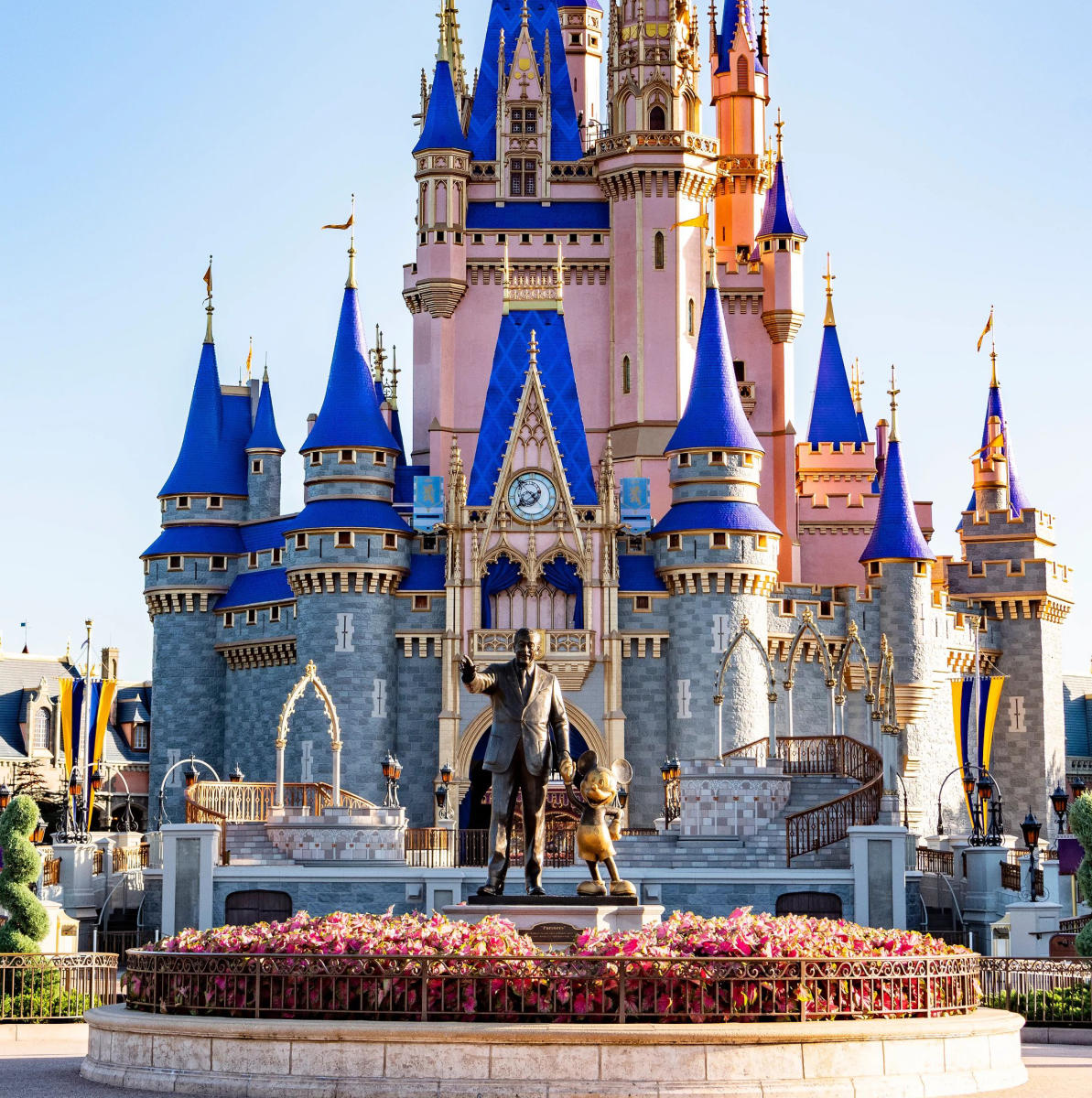
The Walt Disney Company: Master of Its Domain
The primary owner of Walt Disney World Resort is undeniably The Walt Disney Company, a global entertainment and media conglomerate. This ownership extends to the vast majority of the land, the four world-renowned theme parks – Magic Kingdom Park, EPCOT, Disney’s Hollywood Studios, and Disney’s Animal Kingdom Theme Park – as well as its two exciting Disney Water Parks, numerous Disney Resort Hotels, the Disney Springs shopping and dining district, golf courses, and an extensive transportation network. This level of integrated ownership allows Disney to maintain unparalleled control over the guest experience, from accommodation to entertainment.
A Visionary Beginning: The Purchase of Florida Land
The story of Disney’s ownership in Florida began in the early 1960s with a clandestine land acquisition strategy led by Walt Disney himself. Following the immense success of Disneyland in California, Walt envisioned a much larger, more ambitious project on the East Coast – a veritable “Experimental Prototype Community of Tomorrow” (EPCOT) that would serve as a living laboratory for urban planning and innovation, alongside a new theme park. To realize this grand vision, Walt understood the critical need for vast acreage to prevent the unchecked commercialization that had sprung up around Disneyland in Anaheim.
Beginning in 1964, using dummy corporations and shell companies, The Walt Disney Company secretly began purchasing large tracts of undeveloped swampland and cattle pastures in central Florida, primarily in Orange County and Osceola County, southwest of Orlando. The mystery surrounding these purchases, with land prices soaring from $100 per acre to $1,000 per acre in a short period, captivated local media. It wasn’t until October 1965 that Walt Disney publicly revealed his plans for “The Florida Project” and Walt Disney World. By then, Disney had acquired approximately 27,400 acres, or nearly 43 square miles – an area roughly the size of San Francisco. This enormous landholding provided the canvas for the comprehensive resort experience that Walt envisioned.
The Magic Kingdom and Beyond: Developing Walt Disney World
After Walt Disney’s passing in 1966, his brother Roy O. Disney stepped in to ensure that his brother’s vision would be realized. Roy famously delayed his own retirement to oversee the completion of the first phase, insisting that the entire complex be named “Walt Disney World” in honor of its founder. The construction effort was monumental, transforming swamps into a meticulously planned landscape featuring canals, roads, utilities, and artificial hills.
The first gate, Magic Kingdom Park, opened on October 1, 1971, ushering in a new era of tourism for Florida. Over the decades, The Walt Disney Company continued to invest billions into the resort’s expansion. EPCOT opened in 1982, followed by Disney-MGM Studios (later Disney’s Hollywood Studios) in 1989, and Disney’s Animal Kingdom Theme Park in 1998. Each park, along with dozens of hotels, extensive shopping and dining areas, and a vast infrastructure, represents a significant capital investment by Disney. The company directly owns and manages these assets, making it the undeniable proprietor of the entire Walt Disney World experience, from the smallest souvenir shop to the grandest resort suites.
The Reedy Creek Improvement District: A Unique Governance Model
The story of Disney’s ownership is incomplete without understanding the unique governmental structure that underpinned its development for over half a century: the Reedy Creek Improvement District (RCID). This special district, created by the Florida Legislature in 1967 at Disney’s behest, granted the company an unprecedented level of self-governance over its property in Orange and Osceola Counties.
Autonomy and Development: How RCID Functioned
The formation of the Reedy Creek Improvement District was a pivotal moment for The Walt Disney Company’s ambitions in Florida. Walt Disney argued that his vision for EPCOT, with its experimental urban planning and advanced infrastructure, would require a level of control and flexibility that conventional local government structures could not provide. The Florida government, eager to attract the economic benefits and tourism revenue that such a massive project would bring, agreed.
The RCID essentially functioned as its own county government. Its board of supervisors, historically appointed by landowners within the district (primarily Disney subsidiaries), held powers typically reserved for municipalities and counties. These powers included:
- Zoning and Land Use: RCID could set its own building codes, land use regulations, and environmental standards, allowing Disney to build and expand without needing approvals from Orange or Osceola County.
- Infrastructure Development: It was responsible for designing, financing, and constructing essential infrastructure such as roads, utilities (water, sewer, electricity), and drainage systems. This autonomy allowed for rapid and efficient development tailored to Disney’s specific needs.
- Emergency Services: RCID maintained its own fire department and emergency medical services, ensuring quick responses within the vast resort.
- Bonding Authority: The district could issue tax-exempt bonds to finance its infrastructure projects, offering significant financial advantages.
In essence, RCID allowed Disney to act as its own government, streamlining bureaucracy and ensuring that development aligned perfectly with the company’s long-term strategic goals for Walt Disney World. This model was instrumental in transforming the desolate swamp into one of the world’s premier travel destinations.
The Transition: From RCID to the Central Florida Tourism Oversight District
The nearly six-decade-long era of RCID’s existence came to an end following a highly publicized dispute between The Walt Disney Company and Florida Governor Ron DeSantis. The controversy stemmed from Disney’s public opposition to the Parental Rights in Education Act, colloquially known as the “Don’t Say Gay” law, passed by the Florida Legislature in 2022.
In response to what he termed Disney’s “wokeness” and intervention in state politics, Governor DeSantis signed legislation in April 2022 to dissolve the Reedy Creek Improvement District. This move was seen as a direct punitive measure against Disney. While the initial legislation was complex and faced legal challenges regarding its implications for RCID’s outstanding debt, a revised bill was passed and signed into law in February 2023. This legislation officially abolished RCID and replaced it with a new state-controlled entity: the Central Florida Tourism Oversight District (CFTOD).
The transition marked a significant shift in the governance of Walt Disney World. No longer would Disney effectively control its own municipal government. Instead, the powers of the former RCID were transferred to the CFTOD board, whose members are now appointed directly by the Florida Governor and confirmed by the Florida Senate.
Understanding the New Central Florida Tourism Oversight District
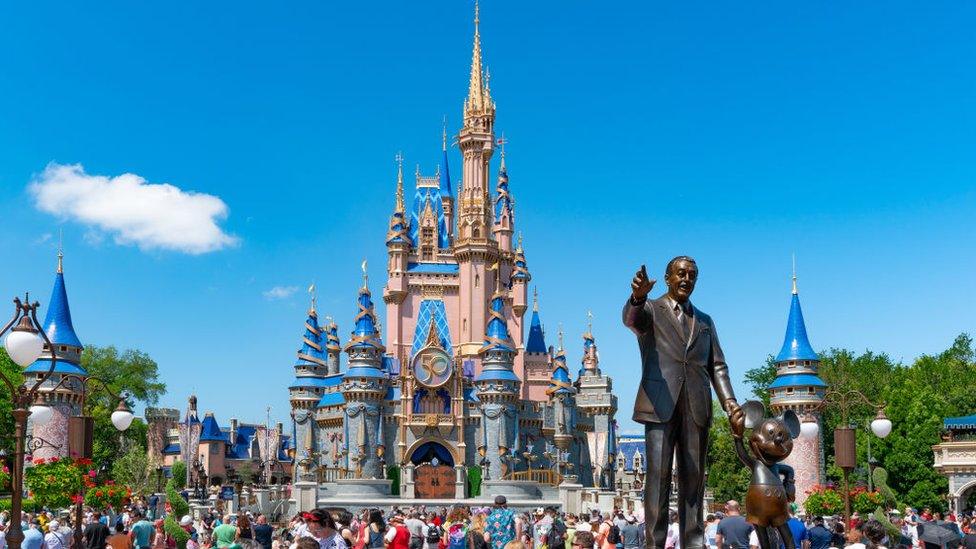
The establishment of the Central Florida Tourism Oversight District has fundamentally altered the relationship between The Walt Disney Company and the local governing authority responsible for its property. While the district still oversees essential services and infrastructure, the locus of control has irrevocably shifted from Disney’s hands to state appointees.
Key Changes and Implications for Disney
The most significant change under the CFTOD is the composition of its governing board. Under RCID, board members were landowners or representatives of landowners within the district, effectively giving Disney control. The CFTOD board, by contrast, is composed of five individuals appointed by Governor DeSantis, none of whom are directly affiliated with Disney. This change removes Disney’s direct influence over crucial decisions regarding zoning, building codes, and infrastructure development within its own resort.
Before the new CFTOD board officially took over, The Walt Disney Company took preemptive action. The outgoing RCID board, still controlled by Disney’s allies, approved a series of development agreements and covenants that significantly limited the powers of the incoming CFTOD board for decades to come. These agreements effectively granted Disney ongoing control over land use, building heights, and other critical aspects of future development, while requiring the district to obtain Disney’s approval for any major changes.
This maneuver ignited further legal battles. The CFTOD board quickly challenged the validity of these agreements in state court, arguing they were unlawfully approved in secret. In response, Disney filed a lawsuit against Governor DeSantis and the new CFTOD board in the U.S. District Court for the Northern District of Florida, alleging that the state’s actions constituted a politically motivated retaliation in violation of Disney’s First Amendment rights and contractual obligations. While the federal suit was dismissed, the state court litigation continues.
The implications for Disney are profound. While the company still owns the physical land and assets, its previous near-absolute autonomy in development and self-governance has been significantly curtailed. This could potentially lead to increased bureaucratic hurdles, slower project approvals, and a need to negotiate with a board that may not always align with Disney’s business interests.
Impact on Visitors and Future Development
For the millions of visitors who flock to Walt Disney World Resort each year, the direct impact of the CFTOD transition might not be immediately apparent in their daily vacation experiences. The core attractions, hotels, and services continue to operate under Disney’s direct management. However, the long-term effects could influence future development and investment decisions within the resort.
The uncertainty surrounding the legal disputes and the changed regulatory environment might introduce a degree of caution into Disney’s future expansion plans in Florida. Major new attractions, resorts, or infrastructure projects might face longer approval processes or require more extensive negotiations with the CFTOD board than under the previous RCID structure. This could potentially affect the pace of innovation and growth that guests have come to expect from Walt Disney World.
Conversely, proponents of the CFTOD argue that it brings greater accountability and transparency to the governance of such a significant area within Florida. The new structure aims to ensure that Disney’s interests are balanced with those of the wider public, as represented by state-appointed officials. Whether this translates into tangible benefits or drawbacks for visitors and the resort’s development remains a subject of ongoing observation and debate.
Beyond Ownership: The Business of Magic
While the legal and governmental aspects of ownership are complex, the practical reality is that The Walt Disney Company is still very much in charge of the day-to-day operations and strategic direction of Walt Disney World Resort. Their ownership extends far beyond just land titles; it encompasses the intellectual property, the brand, the operational expertise, and the very essence of the “magic” that draws millions.
Disney’s Vast Holdings within Walt Disney World
Within its massive 43-square-mile footprint, Disney owns an astonishing array of assets:
- Theme Parks: Magic Kingdom, EPCOT, Hollywood Studios, and Animal Kingdom are the crown jewels, housing countless rides, shows, and dining establishments, all owned and operated by Disney.
- Resort Hotels: Over two dozen Disney Resort Hotels, ranging from value resorts to deluxe villas like the Grand Floridian Resort & Spa and the Contemporary Resort, offer diverse accommodation options for every budget and lifestyle. These are critical components of the integrated travel experience.
- Retail and Entertainment Districts: Disney Springs provides shopping, dining, and entertainment, with many venues directly owned by Disney, while others operate as tenants.
- Transportation: Disney owns and operates an intricate internal transportation system, including buses, monorails, boats, and the Disney Skyliner gondola system, ensuring seamless movement for guests.
- Infrastructure: Beyond the common areas, Disney also owns and maintains immense backstage areas, warehouses, administrative buildings, and environmental preserves that are crucial for the resort’s functioning.
This extensive ownership allows Disney to control every facet of the guest journey, creating an immersive experience unparalleled in the tourism industry. From booking accommodation to dining and entertainment, guests interact almost exclusively with Disney-owned or Disney-licensed entities, contributing directly to the company’s revenue streams.
Economic Influence and Tourism in Florida
Walt Disney World Resort is not merely an attraction; it is an economic engine for central Florida and the entire state. It is one of the largest single-site employers in the United States, providing tens of thousands of jobs directly and indirectly. Its presence has spurred massive growth in surrounding areas like Orlando and Kissimmee, leading to the development of countless other hotels, restaurants, and supporting businesses that cater to the millions of tourists it attracts annually.
The dispute over the special district has highlighted the immense economic power Disney wields. The company’s significant tax contributions, its role in drawing tourism dollars, and its global brand recognition are invaluable assets to Florida’s economy. The ongoing legal and political wrangling underscores the complex relationship between a mega-corporation like Disney and the state government within which it operates, especially when it is also a major landmark and travel driver.

Conclusion: The Enduring Legacy of Disney in Florida
While the question “Who owns Disneyland Florida?” technically points to a non-existent entity, the spirit of the inquiry seeks to understand the ownership of Walt Disney World Resort in the Sunshine State. The answer, despite recent governmental shifts, remains firmly rooted in The Walt Disney Company.
Disney purchased the vast acreage, designed and constructed the entire resort, and continues to own and operate the parks, hotels, and most of the vital infrastructure that makes Walt Disney World a global tourism powerhouse. The unique self-governing status, once provided by the Reedy Creek Improvement District, was a historical anomaly that significantly aided Disney’s development. Its replacement by the Central Florida Tourism Oversight District represents a new chapter in this relationship, one marked by increased state oversight and ongoing legal challenges.
Despite these changes, Walt Disney World Resort remains a monumental achievement of private enterprise and vision, a cherished landmark and a premier travel destination. Its ownership by The Walt Disney Company ensures a consistent brand experience, ongoing innovation in its attractions, and a continued commitment to offering memorable experiences for visitors from around the globe. The magic, it seems, is still very much in Disney’s hands.
LifeOutOfTheBox is a participant in the Amazon Services LLC Associates Program, an affiliate advertising program designed to provide a means for sites to earn advertising fees by advertising and linking to Amazon.com. Amazon, the Amazon logo, AmazonSupply, and the AmazonSupply logo are trademarks of Amazon.com, Inc. or its affiliates. As an Amazon Associate we earn affiliate commissions from qualifying purchases.