
When one hears the name Las Vegas, a kaleidoscope of images typically floods the mind: glittering casinos, world-class entertainment, opulent resorts, and a vibrant nightlife that pulses through the desert night. Yet, for all its modern-day renown as the “Entertainment Capital of the World,” the literal English translation of “Las Vegas” is far more humble and rooted in its natural origins: “The Meadows.” This seemingly simple phrase encapsulates a fascinating history, illustrating how a desert oasis evolved into a global icon of travel, tourism, and lifestyle. Understanding the name is the first step in uncovering the multifaceted identity of this extraordinary city in the heart of Nevada, United States.

The Literal Translation: “The Meadows”
The name “Las Vegas” originated in the mid-19th century when early Spanish explorers and traders, including adventurer Antonio Armijo in the early 1800s, traversed the arid landscapes of what is now the American Southwest. They encountered an unexpected sight amidst the harsh Mojave Desert: vast, lush meadows fed by natural artesian springs. These springs provided life-sustaining water, creating patches of verdant grasslands that stood in stark contrast to the surrounding parched environment. It was these green expanses that prompted the Spanish to christen the area “Las Vegas,” meaning “The Meadows.”
A Desert Oasis: The Springs and Early Settlements
For centuries, these springs were a critical stopover for indigenous peoples and later for travelers along the Old Spanish Trail, a trade route connecting Santa Fe, New Mexico, with Los Angeles, California. The natural abundance of water was a true rarity, making the area an invaluable respite for weary travelers and their livestock in an otherwise unforgiving terrain. The springs essentially dictated the early geography and importance of the location. This natural resource laid the groundwork for future development, transforming a crucial waypoint into a permanent settlement.
The establishment of Fort Baker in 1864 further solidified the area’s strategic importance, providing protection for settlers and miners. The fort’s presence underscored the necessity of this oasis in a region where resources were scarce. As more people discovered the area, drawn by the promise of water and a favorable climate, the small settlement began to grow, slowly shedding its identity as merely a stopping point. The springs of Las Vegas served as a beacon, a tangible landmark in a vast wilderness, foreshadowing the city’s future as a magnet for people seeking opportunity and escape.
From Railroad Stop to Boomtown
The true catalyst for Las Vegas’s transformation came with the advent of the railroad. In 1905, the San Pedro, Los Angeles and Salt Lake Railroad established a division point and water stop in what is now Downtown Las Vegas. This single event irrevocably altered the trajectory of the small desert town. The availability of rail transport facilitated growth, attracting new businesses and residents. Land auctions began, marking the formal birth of the modern city.
The early 20th century saw a period of steady, albeit modest, expansion for Las Vegas. The construction of the Hoover Dam in the 1930s brought thousands of workers to the region, many of whom sought entertainment and recreation in the nearby city during their off-hours. This influx of a male-dominated workforce, combined with Nevada’s legalization of gambling in 1931, provided the perfect storm for the city’s meteoric rise. It was during this period that “Las Vegas” began to shed its literal meaning of “The Meadows” and started to acquire its modern, metaphorical connotations. The city became a haven for those looking for excitement, a place where fortunes could be made or lost with the turn of a card or the roll of a dice. The spirit of risk and reward, combined with readily available entertainment, laid the foundation for the global phenomenon it would become.
Beyond the Name: A Metaphor for Modern Marvels
Today, “Las Vegas” means far more than its botanical translation. It has evolved into a powerful metaphor for extravagance, opportunity, escapism, and the pursuit of pleasure. It signifies a place where imagination runs wild, where architectural wonders replicate global landmarks, and where a vibrant energy permeates every corner. In the context of travel and tourism, Las Vegas represents an entire spectrum of experiences, from luxury leisure to budget-friendly adventures, family fun to high-stakes business dealings.
The Entertainment Capital of the World
The most prominent meaning of Las Vegas today is undoubtedly its status as the “Entertainment Capital of the World.” This reputation is built on an unparalleled array of shows, concerts, nightclubs, and unique attractions. Visitors from across the globe flock to see residencies by legendary musicians, cutting-edge productions by groups like Cirque du Soleil, and magic shows by world-renowned illusionists. The city’s entertainment landscape is dynamic, constantly reinventing itself to offer the latest and most spectacular performances.
Beyond the ticketed shows, the entire city is an experience. The Fremont Street Experience in Downtown Las Vegas offers dazzling light shows and live music, while the iconic Las Vegas Strip is a spectacle in itself, with its dancing fountains, erupting volcanoes, and themed resorts. These attractions, combined with a pervasive atmosphere of excitement, create an environment where entertainment is not just an option but an omnipresent force. For many, Las Vegas means pure, unadulterated fun, a destination designed specifically for enjoyment and making unforgettable memories.
A Culinary Epicenter and Shopping Paradise
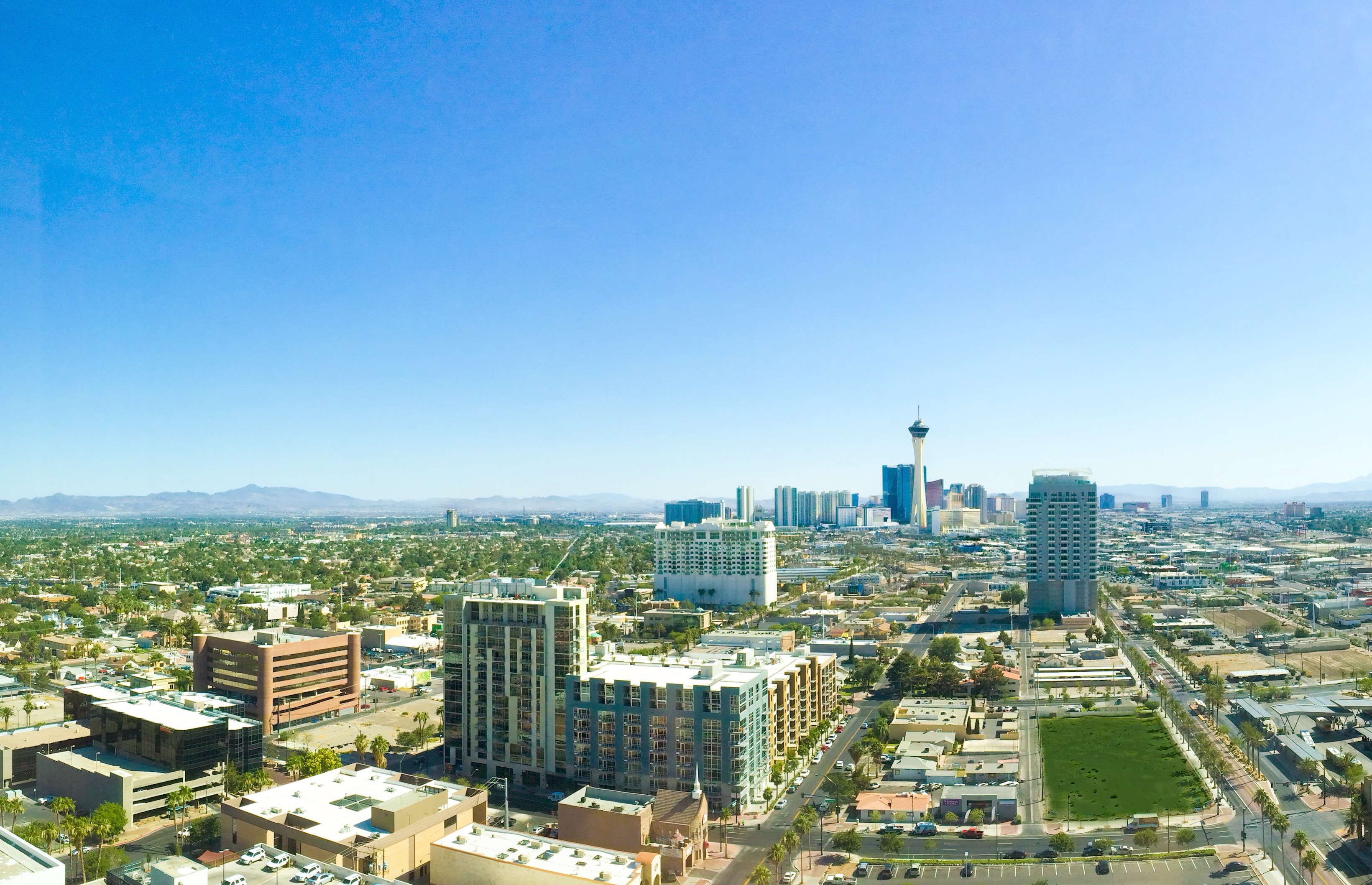
Las Vegas’s transformation into a culinary powerhouse has redefined its identity. No longer just about cheap buffets, the city now boasts an astonishing concentration of celebrity chef restaurants, Michelin-starred dining establishments, and diverse gastronomic experiences catering to every palate and budget. From exquisite fine dining at places like Joël Robuchon at the MGM Grand to vibrant casual eateries, the food scene is as dynamic and varied as its entertainment. This evolution has attracted foodies and gourmands, positioning Las Vegas as a significant destination for culinary tourism. The meaning of Las Vegas now includes a journey of taste, where visitors can savor flavors from around the globe without leaving the desert.
Similarly, shopping in Las Vegas has become an attraction in its own right. High-end boutiques, luxury brands, and expansive shopping centers like The Forum Shops at Caesars Palace or The Grand Canal Shoppes at The Venetian Resort Las Vegas offer an unparalleled retail therapy experience. For many, a trip to Las Vegas includes indulging in designer fashion, unique souvenirs, or simply enjoying the lavish displays. This blend of world-class dining and shopping solidifies Las Vegas’s reputation as a comprehensive lifestyle destination, appealing to those who seek more than just gaming.
Las Vegas: An Icon of Travel, Tourism, and Lifestyle
In the contemporary world, “Las Vegas” serves as a benchmark for what a modern tourism hub can achieve. It embodies innovation in hospitality, a commitment to diverse experiences, and an understanding of the evolving needs of global travelers. The city doesn’t just offer activities; it curates entire lifestyles, from the height of luxury to accessible family adventures, and from high-octane thrill-seeking to serene relaxation. It’s a place that continually redefines travel and accommodation, proving that even a desert can blossom into a global phenomenon.
The Allure of Accommodation: Resorts and Beyond
The concept of “resort” takes on a monumental meaning in Las Vegas. Here, hotels are not merely places to sleep; they are destinations in themselves, offering an immersive experience that often includes casinos, multiple restaurants, pools, spas, shopping malls, theaters, and nightclubs, all under one roof. Iconic establishments like the Bellagio, The Venetian Resort Las Vegas, Caesars Palace, The Mirage, Wynn Las Vegas, and Cosmopolitan of Las Vegas are celebrated for their distinctive themes, extravagant amenities, and unparalleled service. The architecture itself is a landmark, with replicas of the Eiffel Tower, the canals of Venice, or the Statue of Liberty creating an immediate sense of global adventure.
Accommodation in Las Vegas extends beyond the grand resorts, though they remain the city’s signature. There are also boutique hotels, serviced apartments, and long-term stay options, catering to different preferences and budgets. The city’s robust booking and review ecosystem allows travelers to compare options easily, ensuring that every visitor finds their ideal temporary home, whether they prioritize luxury, convenience, or cost-effectiveness. The sheer scale and variety of lodging options are a testament to Las Vegas’s commitment to tourism and its meaning as a welcoming host for millions each year.
Landmarks and Experiences: Beyond the Strip
While the dazzling Las Vegas Strip is undeniably the city’s most famous landmark, the true meaning of Las Vegas for many lies in the broader experiences it offers, extending into the natural beauty of Nevada. The immediate surroundings offer striking natural landmarks that provide a stark contrast to the city’s neon glow. Red Rock Canyon National Conservation Area, just a short drive away, presents breathtaking desert landscapes, hiking trails, and rock climbing opportunities, appealing to outdoor enthusiasts. The majestic Hoover Dam, an engineering marvel, is another popular day trip, offering historical insights and stunning views of Lake Mead.
Further afield, the awe-inspiring Grand Canyon is easily accessible, making Las Vegas a prime gateway for exploring one of the world’s most spectacular natural wonders. These excursions showcase another dimension of what Las Vegas means: a base for exploring the diverse landscapes of the American Southwest. The city successfully blends its man-made wonders with access to profound natural beauty, offering a comprehensive tourism package that appeals to a wide range of interests.
Diverse Lifestyles: From Luxury to Family Fun
“Las Vegas” has also become synonymous with a variety of lifestyles it supports and promotes. For the luxury traveler, it represents bespoke experiences, high-roller suites, private jet services, and exclusive access to the best dining and entertainment. It’s a city where indulgence is celebrated, and convenience is paramount. For those traveling on a budget, Las Vegas still offers incredible value, with affordable hotels, complimentary attractions, and numerous ways to enjoy the city without breaking the bank.
Increasingly, Las Vegas has embraced its role as a family-friendly destination. Beyond the casinos, attractions like theme parks, aquariums, interactive museums, and child-friendly shows cater to younger visitors. This shift demonstrates the city’s adaptability and its commitment to broadening its appeal, showing that “Las Vegas” can mean fun for all ages. Furthermore, as a global hub for conventions and trade shows, it serves as a significant destination for business stays, seamlessly blending work with opportunities for leisure and networking. This multifaceted appeal ensures that “Las Vegas” is not just a niche travel spot but a versatile destination that can be tailored to almost any traveler’s lifestyle and purpose.

The Enduring Legacy and Future of Las Vegas
The journey from “The Meadows” to a global entertainment and tourism powerhouse is a remarkable one. The literal meaning of “Las Vegas” connects us to its humble beginnings as a life-giving oasis. However, its contemporary meaning transcends mere geography and botany. It represents human ambition, ingenuity, and the relentless pursuit of dreams and excitement. It is a city that thrives on reinvention, constantly pushing boundaries in hospitality, entertainment, and urban development.
In English, “Las Vegas” has become a proper noun that carries an implicit understanding of a grand spectacle, a place where reality often feels suspended, and every visit promises a unique story. It’s a testament to how a place can evolve to symbolize far more than its original name implies. As Las Vegas continues to grow and diversify, from developing new attractions and districts to integrating sustainable practices, its meaning will undoubtedly continue to expand. Yet, at its core, it will always be “The Meadows”—a remarkable patch of vitality, flourishing against all odds, attracting those who seek something extraordinary. It remains an essential destination for anyone looking to experience the zenith of modern travel and lifestyle.
LifeOutOfTheBox is a participant in the Amazon Services LLC Associates Program, an affiliate advertising program designed to provide a means for sites to earn advertising fees by advertising and linking to Amazon.com. Amazon, the Amazon logo, AmazonSupply, and the AmazonSupply logo are trademarks of Amazon.com, Inc. or its affiliates. As an Amazon Associate we earn affiliate commissions from qualifying purchases.