
The sprawling metropolis of Los Angeles, known globally for its shimmering sunsets, cinematic landscapes, and vibrant urban culture, holds more than just a surface-level allure. Beneath its bustling streets, a captivating and often mysterious world exists: a labyrinth of tunnels that has sparked curiosity, fueled urban legends, and served the city’s practical needs for over a century. For travelers, history buffs, and urban explorers alike, the question of what lies beneath Los Angeles is not merely a technical inquiry but an invitation to uncover hidden narratives, forgotten histories, and impressive feats of engineering. From Prohibition-era speakeasy passages to modern subway lines, and from utility conduits vital for daily life to whispers of ancient civilizations, the subterranean layers of Los Angeles offer a unique lens through which to understand this iconic California city.
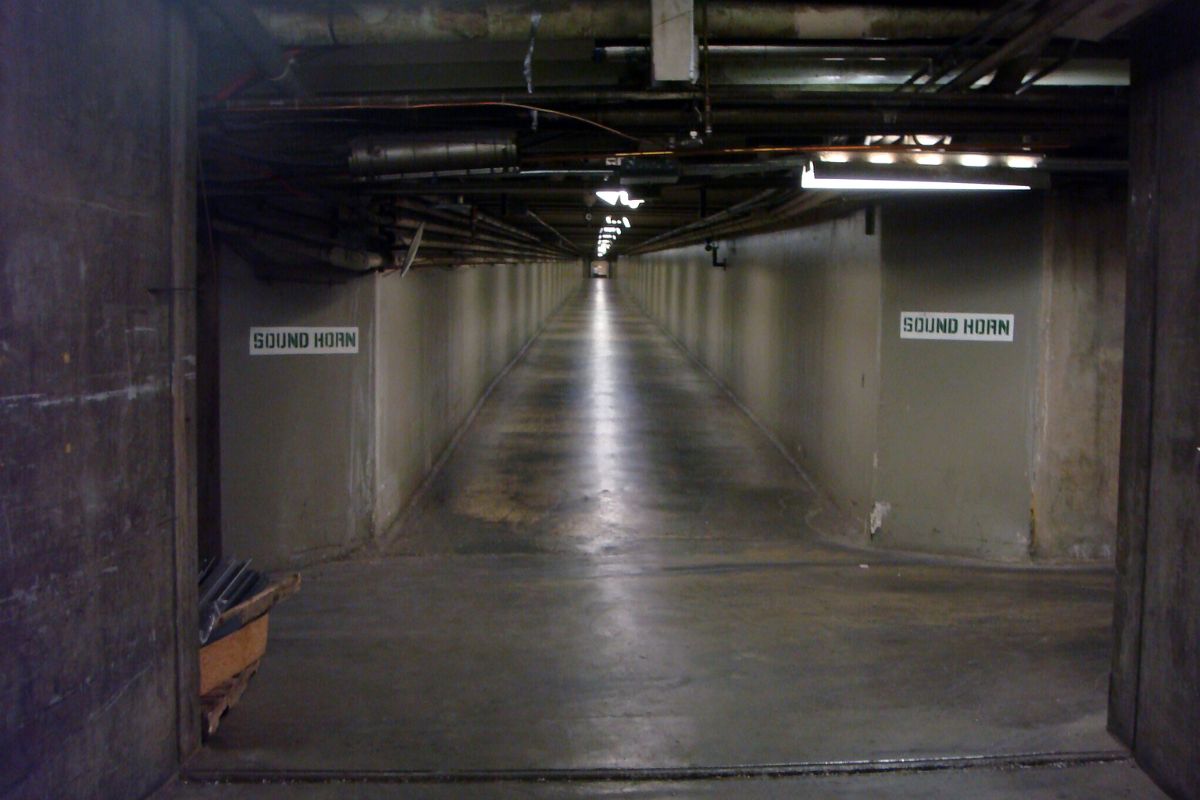
The Enigma Beneath the Surface: Unveiling Los Angeles’s Subterranean World
The idea of a secret network of tunnels beneath a major city like Los Angeles conjures images of intrigue and adventure. While some tales are indeed the stuff of legend, a significant portion of Los Angeles’s subterranean world is very real, serving historical, practical, and infrastructural purposes. Delving into these hidden passages provides an unparalleled glimpse into the city’s past and its ongoing evolution, offering a different kind of destination for the curious traveler.
Historical Passageways: From Prohibition to Public Transport
The history of tunnels in Los Angeles is deeply intertwined with its development as a modern city. The early 20th century, particularly the era of Prohibition (1920-1933), saw the creation of numerous clandestine passages that today form some of the most fascinating legends of Downtown Los Angeles. These weren’t grand, publicly funded projects, but rather discreet networks designed for illicit activities. Many speakeasies and hidden bars, often disguised as legitimate businesses, utilized tunnels to connect to basements, other establishments, or even street-level delivery points. This allowed for the discreet movement of illegal alcohol, patrons seeking a forbidden thrill, and a quick escape route should law enforcement raid a venue.
One of the most famous examples is believed to exist beneath the historic Biltmore Hotel, a grand dame of Los Angeles luxury. While the hotel itself is an iconic landmark, whispers of its secret passages connecting to nearby buildings or discreet exits persist, painting a vivid picture of its roaring twenties past. These tunnels, often narrow and utilitarian, were essential to the underground economy and vibrant nightlife of the time. Exploring the historical architecture of areas like Spring Street and Broadway in Downtown Los Angeles might not offer direct tunnel access, but the buildings themselves often hold clues to these hidden histories, from concealed doors to unusual basement layouts. For those interested in local culture and history, a walking tour of Downtown Los Angeles often includes anecdotes about these Prohibition-era secrets, enriching the experience of exploring this vibrant district.
Beyond the illicit, Los Angeles also developed a network of utility and service tunnels. These included steam tunnels, once crucial for heating and power delivery to large commercial buildings, and freight tunnels designed to move goods discreetly beneath busy streets. While most are now defunct or repurposed, they represent a significant chapter in the city’s industrial and logistical history. These largely inaccessible conduits highlight the intricate planning and infrastructure required to support a burgeoning metropolis.
Furthermore, early attempts at public transportation also involved subterranean passages. The Pacific Electric Red Car system, once the largest electric railway system in the world, boasted a few tunnels, most notably the Subway Terminal Building and its associated tunnel which ran from Downtown Los Angeles to the Ambassador Hotel area. This subway tunnel, active from 1925 to 1955, was a marvel of its time, designed to alleviate surface traffic. Though no longer in use for passenger service, parts of its infrastructure still exist, a silent testament to Los Angeles’s early ambitions for mass transit. These historical tunnels, while mostly off-limits to the public, represent a fascinating piece of the city’s past, illustrating how infrastructure evolves and adapts over time.
Engineering Marvels: Modern Tunnels for Infrastructure
Today, the most extensive and publicly accessible network of tunnels in Los Angeles belongs to its modern public transportation system: the Metro Rail. This sprawling network of subway and light rail lines is a testament to contemporary engineering, providing a vital artery for daily commuters and an efficient way for tourists to navigate the city. The Metro’s various lines, including the B Line (Red Line) and D Line (Purple Line), plunge deep beneath the city’s core, connecting key districts like Downtown Los Angeles, Hollywood, and the Wilshire Corridor.
Riding the Metro Rail offers a direct experience of Los Angeles’s underground. Stations like Pershing Square and Union Station are not just transit hubs but often architectural marvels in their own right, featuring public art installations and intricate designs that reflect the city’s diverse culture. For visitors staying in nearby Hotels or Accommodation in Downtown Los Angeles, the Metro offers convenient access to attractions such as the Hollywood Walk of Fame, the Walt Disney Concert Hall, and the Grand Central Market, all while showcasing the sophisticated underground infrastructure that powers the city. The construction of these subway tunnels, particularly through earthquake-prone terrain, represents significant engineering achievements, utilizing advanced boring machines and seismic-resistant designs. They are a modern Landmark of ingenuity, integral to the city’s functionality and a practical choice for sustainable urban Travel.
Beyond the Metro, Los Angeles also has numerous road tunnels that serve to ease traffic flow and navigate challenging topography. The 2nd Street Tunnel, for example, is a recognizable landmark in its own right, famous for its unique tiled walls and frequent appearances in films and television shows. It provides a direct route through Bunker Hill, a historic district, connecting Downtown Los Angeles to areas further west. Other significant tunnels include those leading into and out of the Hollywood Bowl, designed to manage the ingress and egress of thousands of concert-goers, and various smaller underpasses and utility corridors that crisscross the city. These tunnels, though perhaps less glamorous than the mythical ones, are essential veins and arteries, managing traffic, water, electricity, and telecommunications beneath the surface, ensuring the smooth operation of this vast urban center.
Beyond the Myths: Separating Fact from Fiction
The allure of underground spaces naturally gives rise to captivating stories, and Los Angeles is no exception. Its subterranean world is ripe with tales that blend historical facts with fantastical speculation, often leaving locals and visitors alike wondering where reality ends and legend begins. Understanding these myths is part of appreciating the city’s unique cultural tapestry, but it’s equally important to distinguish them from the verifiable truths of Los Angeles’s tunnels.
Whispers of Secret Societies and Lost Civilizations
Perhaps the most enduring and widely circulated myth about Los Angeles’s tunnels involves a lost city of “lizard people.” This fantastical tale gained prominence in 1934 when a geophysicist named G. Warren Shufelt claimed to have discovered a vast network of tunnels beneath Los Angeles, complete with gold tablets and an elaborate underground city built by an ancient race of lizard-like beings. Shufelt asserted that these tunnels connected significant landmarks and were part of a larger system extending throughout the Southwest United States. His claims, published in the Los Angeles Times, sparked a brief frenzy and even led to an archaeological dig near Downtown Los Angeles, though nothing resembling Shufelt’s description was ever found.
While this story is undeniably a product of imaginative fiction, it reflects a universal fascination with what lies hidden beneath our feet. For the traveler interested in the quirky side of local culture, learning about such legends adds a layer of depth to the Los Angeles experience. It speaks to the city’s ability to inspire grand narratives, both on screen and in urban folklore. These stories, though untrue, contribute to the mystique of Los Angeles and its perceived secrets, making it an even more intriguing destination.
Other persistent myths include elaborate networks of tunnels used by secret societies or for covert government operations. These tales often involve hidden chambers beneath prominent buildings, connecting to distant, undisclosed locations. While there have been historical instances of secret passages (like those from the Prohibition era), the idea of vast, undiscovered underground cities or modern covert networks that remain entirely hidden from public knowledge is largely unfounded. Such large-scale constructions would require immense resources, leave significant archaeological traces, and be incredibly difficult to keep secret in an era of advanced mapping and construction technologies. However, the human imagination thrives on mystery, and these narratives continue to circulate, adding to the rich tapestry of Los Angeles lore.
The Reality of Utility and Transport Networks
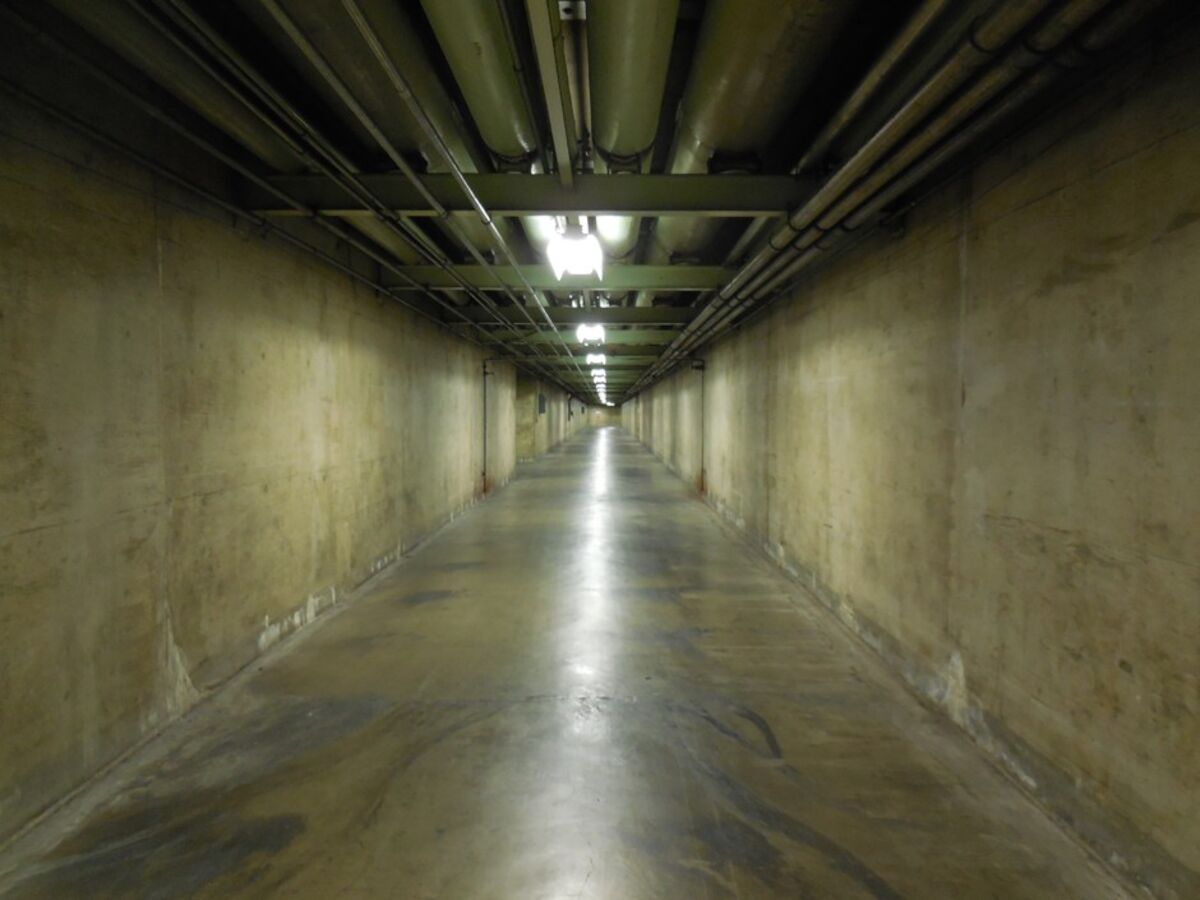
The reality of Los Angeles’s subterranean infrastructure is far more grounded, though no less impressive. Beyond the public Metro system, the city relies on a vast, intricate network of utility tunnels and conduits that are largely invisible to the surface dweller. These include massive water pipelines that transport water from distant reservoirs to the thirsty metropolis, sewer lines that manage wastewater, and extensive electrical and telecommunications conduits that power and connect millions of homes and businesses. These systems are the unsung heroes of urban living, crucial for everything from your morning coffee to your high-speed internet connection.
While not tourist attractions in themselves, the existence of these vital arteries underscores the complex engineering and ongoing maintenance required to sustain a city the size of Los Angeles. They represent a different kind of “hidden world”—one that is meticulously planned, constantly monitored, and absolutely essential. For those interested in the logistical aspects of urban development or simply the sheer scale of human engineering, appreciating these underlying networks offers a fascinating perspective on what makes a modern city function. These subterranean systems are not secret in the mythical sense, but their very nature keeps them out of sight and, often, out of mind, until one considers the profound impact they have on daily life.
Exploring the Depths: Accessing Los Angeles’s Underground
While many of Los Angeles’s historical and utility tunnels remain inaccessible for safety or security reasons, there are still ways for curious travelers and residents to experience the city’s underground, connecting with its past and present infrastructure. This exploration offers a unique perspective on Los Angeles, moving beyond its sun-drenched surface attractions to reveal its deeper layers.
Public Access: Metro and Pedestrian Tunnels
The most direct and widely available way to experience Los Angeles’s underground is by utilizing the Metro Rail system. A journey on the B Line or D Line subway takes you deep beneath the bustling streets, offering a tangible sense of the city’s subterranean scale. As you descend into stations like Pershing Square or Union Station, you’re not just entering a transit hub but stepping into a modern engineering marvel. The clean, efficient trains, combined with art installations and often impressive architectural designs within the stations, make for a pleasant and insightful experience. For those relying on public transport during their Los Angeles visit, the subway becomes an intrinsic part of the Travel experience, connecting various Landmarks and neighborhoods. It’s an ideal way to explore Downtown Los Angeles, Hollywood, and other key areas without the hassle of traffic, offering a glimpse into the city’s forward-thinking approach to urban mobility.
Beyond the subway, a few pedestrian tunnels offer public access, providing shortcuts or connections in dense urban areas. The tunnel connecting the Los Angeles City Hall to its parking structure, for instance, or pedestrian underpasses near major freeways, offer functional underground experiences. While not as grand as mythical caverns, these everyday tunnels highlight the practical applications of subterranean construction in managing urban flow.
One historical experience, though not a deep tunnel in the traditional sense, is riding the Angels Flight Railway. This iconic funicular, while operating above ground, connects the historic Grand Central Market with the top of Bunker Hill, near the Walt Disney Concert Hall. Its historical significance and quirky charm give a nod to the ingenuity of early Los Angeles transportation, making it a beloved attraction for both tourists and locals.
For those staying at Hotels or Accommodation in Downtown Los Angeles, exploring the historical districts like Spring Street and Broadway on foot allows for a discovery of buildings rumored to have once connected to the Prohibition-era tunnels. While direct access is unlikely, the architecture and local anecdotes paint a vivid picture, making the surface exploration a journey into the city’s hidden past.
Restricted Zones: The Intricate Web of Utilities
The majority of Los Angeles’s non-public tunnels fall into the category of utility infrastructure. These include vast networks for water distribution, sewage, storm drains, electrical conduits, and telecommunications cables. Access to these tunnels is highly restricted, primarily for safety, security, and operational reasons. They are active, potentially hazardous environments, often containing live electrical cables, flowing water, or confined spaces with limited ventilation. Unauthorized entry is illegal and extremely dangerous.
Despite their inaccessibility, understanding the existence and purpose of these utility tunnels enhances one’s appreciation for the city’s modern functioning. They represent an enormous, ongoing engineering effort to support millions of residents and a sprawling economy. From the massive aqueducts bringing water from hundreds of miles away, to the intricate sewer systems processing the city’s waste, these subterranean veins are the silent, unseen heroes of urban Lifestyle. Their existence is a powerful reminder of the hidden complexities that underpin the seemingly effortless vibrancy of Los Angeles. While not a tourist attraction, their role is paramount in making Los Angeles a livable and enjoyable destination.
A Unique Perspective for Travelers: Subterranean Tourism
For the adventurous traveler seeking a deeper understanding of Los Angeles, the exploration of its subterranean world, even if largely metaphorical, offers a uniquely enriching experience. This form of “subterranean tourism” isn’t about spelunking through unknown caverns but rather about engaging with the hidden layers of history, infrastructure, and urban folklore that exist just beneath the surface. It provides a distinct alternative to the typical sightseeing itinerary, appealing to those who appreciate the nuances of a city’s past and the ingenuity of its present.
Connecting with Los Angeles’s Hidden History
Embracing the narrative of Los Angeles’s tunnels allows visitors to connect with the city’s past in a tangible way. Walking tours of Downtown Los Angeles, for instance, often highlight buildings and areas associated with Prohibition-era tunnels. While you might not enter a secret passage, standing where illicit activities once thrived, or learning about the architects and proprietors who built these clandestine routes, paints a vivid picture of a bygone era. These historical anecdotes bring to life the vibrant, sometimes gritty, history of Los Angeles in the early 20th century. Destinations like the Alexandria Hotel or the Oviatt Building are steeped in these tales, and local guides can bring these stories to life, offering a truly immersive cultural experience.
Furthermore, visiting museums or historical societies in Los Angeles can provide insights into the city’s early transportation efforts, including the Pacific Electric Red Car system and its tunnels. Exhibits might showcase old maps, photographs, and artifacts that illuminate the challenges and innovations of building a transit system in a rapidly expanding city. This historical context enriches any subsequent ride on the modern Metro Rail, allowing travelers to appreciate the continuum of Los Angeles’s efforts to connect its diverse communities. For those passionate about Tourism that goes beyond the surface, this historical dive offers unparalleled depth.

Future Prospects: Innovation in Underground Spaces
As Los Angeles continues to grow and innovate, the role of subterranean spaces is only set to expand. Future developments might include further extensions of the Metro Rail, potentially connecting to major hubs like Los Angeles International Airport (LAX) with underground lines, making airport transfers seamless and efficient for travelers. There is also ongoing discussion about repurposing old tunnels or creating new ones for advanced transportation systems, such as Elon Musk’s Boring Company concepts, which aim to create high-speed subterranean networks to alleviate traffic.
These futuristic visions highlight the continuing importance of underground infrastructure in urban planning. For the modern traveler, understanding these future prospects adds an exciting dimension to their visit, offering a glimpse into how Los Angeles is constantly evolving to meet the demands of urban Lifestyle. The city’s engagement with subterranean solutions demonstrates its commitment to innovation, sustainability, and efficiency, all of which contribute to its appeal as a dynamic and forward-thinking destination.
In conclusion, the question “Are there tunnels under Los Angeles?” elicits a resounding “yes,” but the answer is far more complex and intriguing than a simple confirmation. From the shadowy passages of Prohibition to the gleaming modern arteries of the Metro Rail, and from fantastical legends to essential utility networks, Los Angeles’s underground world is a rich tapestry of history, engineering, and imagination. For those planning a trip to Los Angeles, taking the time to explore these hidden dimensions offers a unique and profound connection to the city, transforming a simple visit into an unforgettable journey into its depths. So, next time you’re navigating the bustling streets of Los Angeles, remember the vibrant, intricate world that exists just beneath your feet – a testament to the city’s enduring allure and its ceaseless capacity for surprise.
LifeOutOfTheBox is a participant in the Amazon Services LLC Associates Program, an affiliate advertising program designed to provide a means for sites to earn advertising fees by advertising and linking to Amazon.com. Amazon, the Amazon logo, AmazonSupply, and the AmazonSupply logo are trademarks of Amazon.com, Inc. or its affiliates. As an Amazon Associate we earn affiliate commissions from qualifying purchases.