
Las Vegas, a name synonymous with dazzling lights, world-class entertainment, and luxurious resorts, holds a unique position among global cities. It’s a destination that captivates millions of travelers each year, beckoning them with promises of unforgettable experiences. Yet, beneath the veneer of its vibrant tourist economy lies a thriving, dynamic residential community. When asking “What’s the population of Las Vegas?”, the answer is far more nuanced than a simple number; it’s a story of urban development, economic drivers, and a lifestyle shaped by its extraordinary setting in the Nevada desert.
Understanding the demographic landscape of Las Vegas requires differentiating between the official city limits and the broader metropolitan area, a distinction crucial for grasping the true scale of its resident base. This article delves into the figures, explores the historical forces behind its rapid expansion, examines the diverse demographics that call this desert oasis home, and considers how its robust tourism and hospitality industries intertwine with the daily lives of its residents. For anyone interested in travel, accommodation, or the intriguing lifestyle of this iconic United States city, understanding its population dynamics offers a richer perspective on its past, present, and future.
Unpacking the Numbers: City vs. Metropolitan Area
The question of Las Vegas’s population is often met with confusion, primarily because the official city boundaries encompass only a fraction of the urban sprawl that most people associate with “Vegas.” To accurately answer, we must consider two distinct geographical definitions: the City of Las Vegas proper and the much larger Las Vegas-Henderson-Paradise Metropolitan Statistical Area (MSA).
The City of Las Vegas Proper
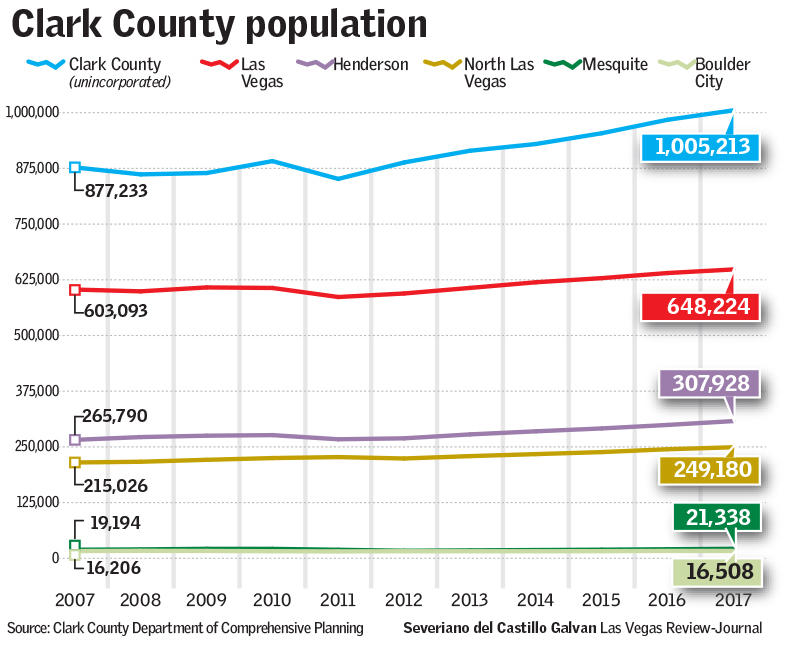
As of recent estimates, the population within the formal city limits of Las Vegas hovers around 650,000 to 700,000 residents. This figure represents those living in the municipality governed by the City of Las Vegas council. The city proper encompasses a significant urban area, including Downtown Las Vegas with its historic Fremont Street Experience, and numerous residential neighborhoods, parks, and local businesses. While bustling, it does not include the famous Las Vegas Strip or many of the surrounding residential communities that are often perceived as part of Las Vegas.
The Las Vegas-Henderson-Paradise Metropolitan Statistical Area (MSA)
For a comprehensive understanding of the resident population, one must look to the Las Vegas-Henderson-Paradise MSA. This expansive region provides a more accurate reflection of the urbanized area commonly referred to as “Las Vegas.” The MSA includes the cities of Las Vegas and Henderson, as well as the unincorporated town of Paradise – which is where the majority of the Las Vegas Strip actually lies, along with other major employment centers and residential communities. This broader metropolitan area encompasses nearly all of Clark County, Nevada, which is home to the vast majority of the state’s population.
The population of the Las Vegas-Henderson-Paradise MSA is significantly larger, typically ranging from 2.3 million to 2.5 million residents. This figure includes not only the bustling core but also rapidly growing suburbs like Henderson (a major city in its own right) and North Las Vegas, along with other thriving communities that depend on the metropolitan economy. This larger number truly reflects the human scale of the urban environment that supports the legendary hotels, attractions, and diverse lifestyles found here.
A Desert Oasis of Growth: Historical Context and Drivers
The rapid growth of Las Vegas from a small desert railroad stop to a sprawling metropolitan hub is one of the most remarkable urban development stories in the United States. Its population trajectory has been steep and continuous, driven by a unique confluence of economic opportunity, strategic infrastructure, and an irresistible allure.
From Railroad Stop to Resort City
Las Vegas was officially founded in 1905, primarily as a watering stop for the railroad connecting Los Angeles, California, and Salt Lake City, Utah. Its real transformation began in the 1930s with two pivotal developments. First, the construction of the Hoover Dam on the Colorado River brought thousands of workers and families to the region, providing a foundation for a larger permanent population. Second, Nevada legalized gambling in 1931, laying the groundwork for the entertainment and tourism industry that would define Las Vegas for generations.
After World War II, the rise of lavish casinos and resorts on what would become the Las Vegas Strip catalyzed an unprecedented population boom. People flocked to the city for job opportunities in the burgeoning hospitality sector, lured by the promise of prosperity and a unique lifestyle that blended work with unparalleled entertainment.
Economic Magnets: Tourism, Hospitality, and Beyond
Today, the primary engine of Las Vegas’s population growth remains its robust economy, deeply rooted in tourism, conventions, and hospitality. The sheer volume of hotels, resorts, restaurants, and entertainment venues creates hundreds of thousands of jobs, attracting people from across the United States and beyond. Major employers include iconic names like MGM Resorts International, Caesars Entertainment, and countless smaller businesses that support the ecosystem of travel and accommodation.
While the gaming and entertainment industry remains central, Las Vegas has also made concerted efforts to diversify its economy. Sectors such as healthcare, technology, logistics, and renewable energy are growing, drawing new residents with different skill sets and further stabilizing the local job market. This diversification helps mitigate the historical reliance on a single industry, making the metropolitan area more resilient and attractive for long-term residency.
Lifestyle and Allure
Beyond job opportunities, several lifestyle factors contribute to Las Vegas’s appeal as a place to live. Its sunny, arid climate, with over 300 days of sunshine annually, is a significant draw for many seeking an escape from harsher weather conditions. Furthermore, Nevada’s lack of a state income tax is a powerful incentive for individuals and businesses alike, making the take-home pay more attractive compared to states like California.
The relative affordability of housing, when compared to major coastal cities, has historically made Las Vegas an accessible option for families and young professionals. While housing costs have risen, the overall cost of living can still be competitive. The unique blend of urban amenities, proximity to stunning natural landmarks like Red Rock Canyon National Conservation Area and Lake Mead, and a vibrant social scene contribute to a dynamic lifestyle that caters to a wide range of preferences, from luxury travel enthusiasts to families seeking suburban comfort.
The Dynamic Demographics of the Entertainment Capital
The population of Las Vegas is not just about numbers; it’s about the people who form its vibrant community. The city’s unique history and economic drivers have cultivated a diverse demographic landscape, marked by a rich mix of cultures, ages, and backgrounds. This diversity contributes to the city’s unique flavor, extending beyond the glitz of the Strip into its residential neighborhoods and local culture.
A Melting Pot in the Desert
Las Vegas is a true melting pot, attracting residents from all corners of the United States and the world. Hispanic/Latino residents constitute a significant portion of the population, reflecting diverse origins from Mexico, Central America, and South America. This community plays a vital role in the city’s labor force, cultural scene, and culinary offerings. Additionally, there are sizable Asian, African American, and Pacific Islander communities, each contributing to the rich tapestry of the city. This multicultural environment means that alongside the international flavors of the resort corridor, residents can find authentic cuisine, cultural festivals, and community centers that cater to a wide array of traditions and backgrounds.

Age and Household Composition
The population of Las Vegas is characterized by a relatively balanced age distribution, though with some notable trends. There’s a strong presence of working-age adults, many drawn by opportunities in the service industry, trade, and professional sectors. The city is also a popular destination for retirees, attracted by the climate, no state income tax, and the abundance of entertainment and recreational options. While often perceived as a city for adults, the metropolitan area boasts numerous family-friendly communities, particularly in suburbs like Henderson and North Las Vegas, with growing school districts, parks, and community amenities designed for families. This blend of demographics contributes to a dynamic social fabric, where different generations and lifestyles coexist and contribute to the city’s evolving identity.
Resident vs. Tourist Impact
Perhaps one of the most distinctive aspects of Las Vegas’s population dynamic is the sheer scale of its visitor economy. Each year, tens of millions of tourists descend upon the city, temporarily swelling its daytime population to figures that dwarf its resident count. This constant influx of visitors, while the lifeblood of the city’s economy, profoundly impacts infrastructure, traffic, and the overall rhythm of life for residents.
The city’s infrastructure, from Harry Reid International Airport to its extensive road network, must be capable of handling both the daily needs of its residents and the massive surges created by tourism and major conventions. Public services, emergency response, and even the availability of local attractions are all influenced by this dual demand. For residents, this means navigating a city that is always “on,” with 24/7 services and amenities, but also one where popular areas can become heavily congested with visitors. The unique challenges and opportunities presented by this resident-tourist interplay are central to the Las Vegas lifestyle.
Infrastructure and Accommodation: Supporting a Growing Population and Visitor Economy
The ongoing growth of Las Vegas’s population, coupled with its role as a global travel destination, necessitates continuous development in infrastructure and accommodation. The city’s physical landscape is a testament to its dual purpose: providing homes and services for its millions of residents, while simultaneously offering world-class hotels and facilities for its even larger annual visitor count.
Hotels and Resorts: More Than Just Tourist Stays
The iconic hotels and resorts of Las Vegas are far more than mere places for tourists to sleep. They are massive economic engines, major employers, and defining landmarks that shape the city’s identity and contribute significantly to its population dynamics. Properties like Bellagio, Caesars Palace, The Venetian, MGM Grand, and Wynn Las Vegas employ tens of thousands of people, from service staff to executives, forming a substantial portion of the local workforce. Many residents’ lifestyles are directly tied to these establishments, whether through employment, entertainment, or the services they provide.
The demand for accommodation for visitors drives a constant cycle of development, renovation, and expansion, ensuring that Las Vegas remains at the forefront of the global hospitality industry. This, in turn, fuels the construction sector and supports countless ancillary businesses, creating a ripple effect of job creation and population growth throughout the metropolitan area. The diversity of hotel suites, from luxury villas to budget-friendly apartments, also reflects the wide range of visitors and residents who interact with the city’s offerings.
Residential Development
As the metropolitan population has swelled, so has the need for residential housing. Over the decades, Las Vegas has seen continuous expansion of its suburban areas, with master-planned communities springing up around the core city. These developments, particularly in Henderson and North Las Vegas, offer a wide array of housing options, from single-family homes to modern apartments and condominiums. This growth is supported by a robust real estate market, attracting new residents seeking both a vibrant urban experience and a comfortable suburban lifestyle.
The development extends beyond housing to include schools, shopping centers, medical facilities, and recreational amenities. These elements are crucial for creating livable communities that cater to the diverse needs of families, young professionals, and retirees, ensuring that Las Vegas is not just a place to visit, but a place to build a life.
Transportation and Public Services
Managing the infrastructure for millions of residents and tens of millions of visitors is a monumental task. The Clark County Department of Aviation oversees Harry Reid International Airport, one of the busiest airports in the United States, which serves as a critical gateway for both tourists and residents. The city’s road networks, including major interstates and surface streets, are continuously upgraded to handle significant traffic volumes. Public transportation systems, though still developing, aim to provide alternatives for both residents commuting to work and tourists navigating the Strip and Downtown Las Vegas.
Furthermore, essential public services—water, power, waste management, and emergency services—are scaled to meet the demands of a rapidly expanding metropolitan area in an arid environment. Sustainable practices, especially concerning water conservation from sources like Lake Mead and the Colorado River, are paramount to ensuring the long-term viability and growth of the Las Vegas population.
Las Vegas Beyond the Strip: Landmarks and Local Life
While the glittering lights and iconic resorts of the Las Vegas Strip dominate its global image, the city’s allure extends far beyond its famous entertainment corridor. For its millions of residents, Las Vegas offers a rich tapestry of landmarks, local culture, and community life that solidifies its status as a vibrant place to live, not just visit. Exploring these facets provides a deeper understanding of the diverse lifestyle available in this desert metropolis.
Famous Landmarks and Attractions for Residents Too
Las Vegas’s geographical location in the Nevada desert offers breathtaking natural landmarks that are cherished by residents and accessible to travelers seeking outdoor experiences. The Red Rock Canyon National Conservation Area, just a short drive from the city, provides stunning red rock formations, hiking trails, and rock climbing opportunities, serving as a vital escape into nature for many. Lake Mead, formed by the Hoover Dam on the Colorado River, offers boating, fishing, and water sports, providing a refreshing contrast to the urban environment. These natural wonders are integral to the Las Vegas lifestyle, offering year-round outdoor activities for individuals and families.
Closer to the city center, the revitalized Downtown Las Vegas area, with its Fremont Street Experience and arts district, offers a different kind of landmark and attraction. While popular with tourists, Downtown Las Vegas has cultivated a unique local atmosphere, featuring independent shops, acclaimed restaurants, and a thriving arts and culture scene that appeals deeply to residents. These areas offer a sense of community and local charm that complements the grandeur of the Strip.
Community and Culture
Beyond the major landmarks and attractions, the true heart of Las Vegas for its residents lies in its diverse neighborhoods and evolving local culture. Areas like Summerlin and Green Valley in Henderson are prime examples of master-planned communities that offer extensive amenities, top-rated schools, and a strong sense of community. These areas are designed for family lifestyle, with numerous parks, recreational facilities, and community events that foster neighborly connections.
The city’s food scene extends far beyond the celebrity chef restaurants of the Strip, boasting a vast array of authentic international cuisine, local diners, and burgeoning craft breweries that cater to local tastes. Las Vegas also supports a growing performing arts scene, museums, and sports teams, providing diverse cultural and entertainment options for its inhabitants. These aspects of local life demonstrate that Las Vegas is not merely an adult playground, but a multifaceted urban center where millions have built their homes and established a vibrant community. The continuous development of these local amenities and cultural offerings is crucial for maintaining a high quality of life for its growing population, solidifying its identity as a truly dynamic and livable city.
In conclusion, understanding the population of Las Vegas involves appreciating its dual nature as both a global tourism hub and a rapidly expanding residential metropolis. While the city proper houses a significant population, the metropolitan area truly reflects the scale of this desert oasis, home to over 2.3 million people. Driven by a booming hospitality industry, strategic economic diversification, and an attractive lifestyle, Las Vegas continues to grow. Its diverse demographics, intricate infrastructure, and rich local culture beyond the Strip paint a picture of a dynamic city that is much more than just its famous landmarks; it’s a thriving home for millions.
LifeOutOfTheBox is a participant in the Amazon Services LLC Associates Program, an affiliate advertising program designed to provide a means for sites to earn advertising fees by advertising and linking to Amazon.com. Amazon, the Amazon logo, AmazonSupply, and the AmazonSupply logo are trademarks of Amazon.com, Inc. or its affiliates. As an Amazon Associate we earn affiliate commissions from qualifying purchases.