
California, a state synonymous with innovation, glamour, and unparalleled natural beauty, beckons millions of travelers each year, drawn to its diverse landscapes, vibrant cities, and world-class hospitality. From the sun-drenched beaches of San Diego to the majestic peaks of Yosemite National Park, and the bustling urban hubs of Los Angeles and San Francisco, the Golden State offers an array of experiences that cater to every taste and budget. Integral to this rich tapestry of tourism and lifestyle is the pervasive presence of licensed establishments where visitors and residents alike can enjoy alcoholic beverages. Whether it’s a sophisticated cocktail at a luxury hotel bar in Beverly Hills, a casual pint at a beachfront restaurant, or a wine tasting tour through Napa Valley, the availability of alcohol is a cornerstone of California’s social and economic fabric.
However, for entrepreneurs eyeing a slice of California’s lucrative hospitality pie, the path to serving alcoholic beverages is paved with regulations and, crucially, significant financial investment in a liquor license. The question “How much is a liquor license in California?” is far more complex than a simple figure, encompassing a range of factors that can escalate costs from a few hundred dollars in state fees to hundreds of thousands on the open market. This guide delves into the nuances of obtaining a liquor license in California, exploring the different types, the factors influencing their price, and the broader implications for businesses within the travel, accommodation, and lifestyle sectors.
The Indispensable Role of a Liquor License in California’s Hospitality Landscape
At the heart of California’s appeal as a premier travel destination is its vibrant and diverse hospitality sector. Hotels, resorts, restaurants, bars, and entertainment venues are not just places to stay or dine; they are integral components of the travel experience, often serving as cultural touchstones and social hubs. For many of these establishments, the ability to serve alcoholic beverages is not merely an amenity but a fundamental aspect of their business model and a significant revenue driver.
Imagine a stay at a luxurious resort in Palm Springs without the option of poolside cocktails, or a gourmet dining experience in San Francisco without a meticulously paired wine list. These scenarios underscore why a liquor license is an indispensable asset for businesses operating within California’s tourism and lifestyle industries. It directly impacts a business’s capacity to attract customers, enhance their experience, and remain competitive. The regulatory body overseeing all alcoholic beverage sales in the state is the California Department of Alcoholic Beverage Control (ABC), which sets the rules and administers licenses. Understanding their framework is the first step in demystifying the cost.
Navigating the Complexities: Types of Licenses and Their Initial Costs
The first layer of complexity in determining the cost of a liquor license in California lies in understanding the different categories available. The ABC offers a variety of licenses, each tailored to specific types of establishments and their intended operations.
Understanding Different License Categories
Generally, liquor licenses in California fall into two broad categories: “On-Sale” and “Off-Sale.”
- On-Sale licenses permit the sale of alcoholic beverages for consumption on the premises where they are sold. These are typically sought by restaurants, bars, hotels, and clubs.
- Off-Sale licenses allow for the sale of alcoholic beverages in sealed containers for consumption off the premises. This category includes grocery stores, liquor stores, and convenience stores.
Within these broad categories, numerous specific license types exist, each designated by a number:
- Type 47 (On-Sale General Public Eating Place): This is one of the most common licenses for restaurants that wish to sell beer, wine, and distilled spirits for consumption on their premises. It requires that the sale of food be the primary business activity.
- Type 48 (On-Sale General Public Premises): This license is typically for bars, nightclubs, and some hotels where the primary business is not necessarily food service, but rather the sale of alcohol. These are generally more expensive and harder to acquire due to stricter quotas.
- Type 42 (On-Sale Beer & Wine Public Premise): For establishments that only wish to serve beer and wine, often catering to cafes, smaller restaurants, or specific event venues.
- Type 20 (Off-Sale Beer & Wine): Allows for the retail sale of packaged beer and wine for consumption off the premises, common for markets and convenience stores.
- Type 21 (Off-Sale General): Permits the sale of beer, wine, and distilled spirits in package form for consumption off the premises, typically for larger liquor stores.
Each license type has its own set of privileges, restrictions, and, critically, its own price point determined by both state fees and, often, market demand.
The “Initial” Price Tag: State Fees vs. Market Value
When inquiring about the cost, it’s essential to distinguish between the fixed state application fees and the fluctuating market value of a license.
-
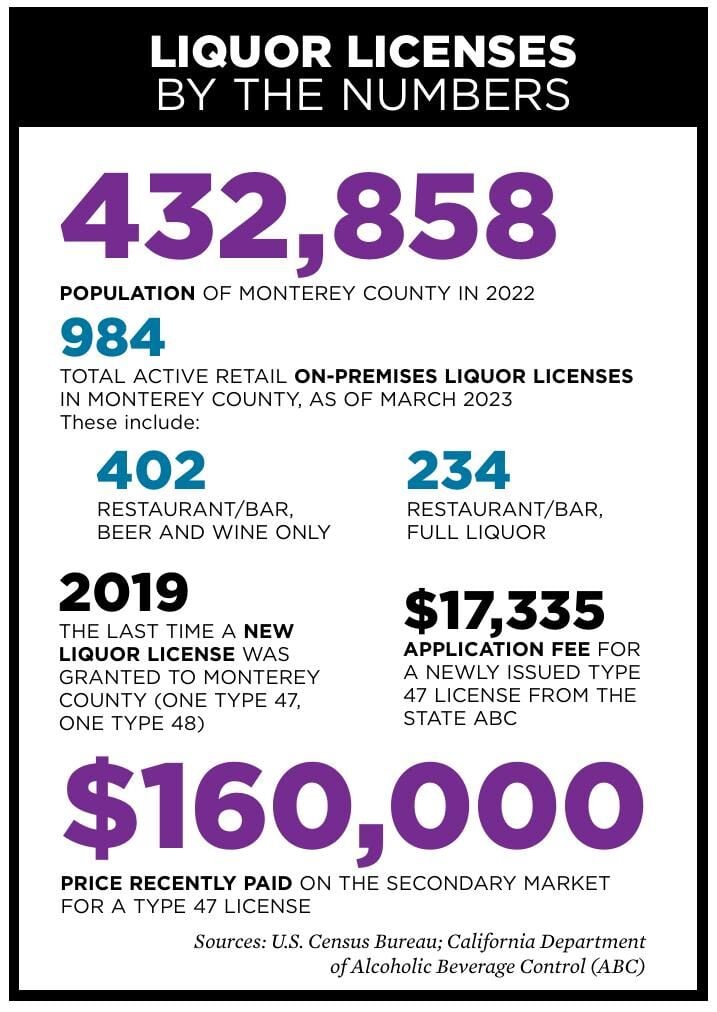
State Application Fees: The ABC charges relatively modest application fees for processing new license applications or transfers. These fees are set by the state legislature and are uniform across California. For example, a new Type 47 license might have a state fee of around $13,800, while a Type 48 could be slightly higher. These fees cover the administrative costs of the ABC’s investigation and processing.
-
Market Value for Quota Licenses: This is where the true cost dramatically escalates, often into the hundreds of thousands of dollars. Many of the most sought-after licenses, particularly Type 47 and Type 48 (On-Sale General licenses), are subject to a quota system. This means the ABC limits the number of these licenses issued in each county based on population. If a county has reached its quota, new licenses cannot be issued directly from the state. Instead, prospective buyers must purchase an existing license from a current license holder on the open market. This scarcity creates a competitive marketplace where prices are driven by supply and demand. In populous and tourist-heavy counties like Los Angeles or Orange County, these licenses can fetch exorbitant prices, making the initial state fee seem negligible by comparison.
What Drives the Price: Key Factors Influencing Liquor License Costs
The market value of a liquor license in California is a highly variable figure, influenced by several critical factors that prospective business owners must consider.
Geographic Location: A Tale of Two Cities (and Counties)
Location is arguably the single most significant determinant of a liquor license’s market value.
- High-Demand Urban and Tourist Areas: In major metropolitan areas and popular tourist destinations, liquor licenses are far more expensive. In cities like Los Angeles, San Francisco, San Diego, and affluent regions like Napa Valley or Beverly Hills, the high concentration of businesses, combined with limited license availability, pushes prices sky-high. A Type 47 or 48 license in these areas can easily cost anywhere from $75,000 to over $300,000, and in some prime locations, even higher. This directly impacts the cost of opening a new hotel, resort, or flagship restaurant in these key tourism hubs.
- Less Populated Areas: Conversely, in less densely populated counties or rural areas, the demand for liquor licenses is lower, and therefore, the market value drops significantly. In some areas, licenses might even be available directly from the ABC if the quota hasn’t been met, meaning businesses would only pay the state application fee. This stark contrast highlights the importance of precise geographic planning when budgeting for a hospitality venture in California.
The Power of Transferability: Buying an Existing License
Due to the quota system, buying an existing license from another business owner is often the only viable path for obtaining a full liquor license in high-demand areas. This process involves a transfer of ownership through the ABC.
- Brokerage Fees: Many buyers and sellers utilize the services of liquor license brokers who specialize in navigating this complex market. Brokers charge fees, typically a percentage of the sale price, adding another layer to the overall cost.
- Due Diligence Costs: The transfer process requires extensive due diligence, including legal reviews, escrow services, and financial assessments, all of which incur additional costs. A reputable attorney specializing in ABC law is often a crucial partner to ensure a smooth transfer and avoid future legal complications. The condition of the license (e.g., whether it has any outstanding violations or liens) can also affect its market value.
Type of Establishment and Lifestyle Niche
The nature of the business itself also plays a role in the type of license required and, by extension, its cost.
- Luxury Hotels and Resorts: High-end accommodations often seek comprehensive “On-Sale General” licenses (Type 47 or 48) to offer full bar services across multiple venues—restaurants, room service, event spaces, and poolside bars. The ability to provide a complete beverage program enhances the luxury experience and justifies higher room rates and service charges. For example, a major hotel brand looking to establish a new presence in San Jose or Santa Barbara would factor this significant license cost into their initial investment.
- Casual Dining and Bars: A casual restaurant might opt for a Type 42 (Beer & Wine) license, which is significantly cheaper and easier to obtain than a full liquor license. Bars or nightclubs, however, require a Type 48, which comes with a premium.
- Specialized Venues: Wineries in Sonoma County and breweries, while also selling alcohol, operate under different license categories (e.g., Type 02 for wineries, Type 23 for small beer manufacturers) that have different fee structures and regulations, often more favorable for their specific production-and-sale model. These licenses facilitate the popular wine tourism and craft beer scenes across California.
Beyond the Purchase Price: The Full Financial Picture
Acquiring a liquor license in California is not a one-time transaction; it involves a series of steps, potential hidden costs, and ongoing obligations that contribute to the overall investment.
The Application and Approval Journey
Even after a license has been purchased on the open market, the transfer or new application process with the ABC is intricate and time-consuming.
- Timeframe: The approval process can take anywhere from a few months to over a year, depending on the complexity of the application, the responsiveness of the applicant, and any public protests. This delay can significantly impact a business’s opening schedule and financial projections.
- Investigation and Public Notice: The ABC conducts a thorough investigation into the applicant’s background and the proposed premises. Public notices must be posted, allowing local residents, businesses, or law enforcement agencies to protest the issuance or transfer of a license. Protests can lead to hearings and further delays, often requiring legal representation.
- Conditional Licenses: In some cases, a conditional license might be issued with specific stipulations (e.g., restricted hours, limitations on live entertainment) to address community concerns, which might impact the business’s operational flexibility.
Hidden Costs and Ongoing Requirements
The financial commitment doesn’t end with the license purchase and transfer fees.
- Legal Counsel and Consulting: Navigating ABC regulations, escrow procedures, and potential protests almost always requires legal expertise. Attorney fees can easily add tens of thousands of dollars to the total cost. Consultants specializing in ABC licensing can also be invaluable, though they come at a price.
- Permitting and Renovations: The type of liquor license sought might necessitate specific building code compliance or renovations (e.g., kitchen requirements for a Type 47, soundproofing for a Type 48). These construction and permitting costs must be factored in.
- Annual Renewal Fees: Once obtained, a liquor license requires annual renewal fees paid to the ABC. While not as substantial as the initial purchase, these are recurring operational expenses.
- Compliance Training: Businesses are responsible for ensuring their staff are trained in responsible beverage service (RBS), which is mandated by California law. This includes training on identifying intoxicated patrons, preventing sales to minors, and understanding relevant laws.
Impact on Business Valuation and Investment in California Tourism
Despite the high costs and complexities, a liquor license is often viewed as a significant asset for businesses in California. For hotels, restaurants, and entertainment venues, the license enhances their revenue potential, customer appeal, and overall business valuation. Investors looking to enter California’s thriving tourism market—whether through developing new luxury accommodations, acquiring existing hospitality businesses, or launching innovative lifestyle concepts—must recognize the liquor license as a critical component of their financial models and due diligence. Its presence significantly increases a business’s attractiveness and potential for return on investment.
Liquor Licenses and the Golden State Lifestyle
Beyond the dollars and regulations, liquor licenses are fundamental to the quintessential California lifestyle and the experiences it offers. The availability of diverse drinking establishments elevates the travel experience, from the casual tourist seeking a local craft beer in Sacramento to the connoisseur exploring the renowned wineries of Wine Country in Napa Valley and Sonoma County.
Licensed establishments are not just places of commerce; they are vital cultural spaces. They host events, foster local communities, and contribute to the vibrant nightlife and dining scenes that draw people to cities like Hollywood and San Francisco. The ability to offer an array of alcoholic beverages allows hotels to provide full-service amenities, catering to guests’ preferences and enhancing their overall stay. Restaurants can curate unique culinary journeys, pairing exceptional food with fine wines and spirits. From enjoying a post- Disneyland drink to celebrating a successful business deal, these venues enrich the personal and professional lives of those in California. The investment in a liquor license, therefore, is not just a cost of doing business; it’s an investment in the social fabric and economic vitality of one of the world’s most desirable destinations.
In conclusion, the cost of a liquor license in California is a multifaceted figure, ranging from state fees in the thousands to market values potentially exceeding hundreds of thousands of dollars. This significant investment is influenced by the type of license, geographic location, and whether it’s a new issuance or a transfer. For any business venturing into the Golden State’s dynamic travel, accommodation, and lifestyle sectors, understanding these complexities and budgeting accordingly is paramount. Despite the costs, a liquor license remains an essential asset, enabling businesses to thrive, enhance visitor experiences, and contribute to the enduring allure of California.
LifeOutOfTheBox is a participant in the Amazon Services LLC Associates Program, an affiliate advertising program designed to provide a means for sites to earn advertising fees by advertising and linking to Amazon.com. Amazon, the Amazon logo, AmazonSupply, and the AmazonSupply logo are trademarks of Amazon.com, Inc. or its affiliates. As an Amazon Associate we earn affiliate commissions from qualifying purchases.