
Embarking on a journey to the enchanting Hawaiian Islands is a dream for many, a vibrant tapestry of pristine beaches, lush rainforests, and a unique cultural heritage awaiting exploration. Before you can dip your toes into the warm waters of the Pacific Ocean or hike through volcanic landscapes, there’s the question of the journey itself: “How long is the flight to Hawaii?” While the allure of paradise often overshadows the practicalities of travel, understanding flight durations and what to expect during your journey is crucial for a smooth and enjoyable experience. This guide will delve into the various factors influencing your flight time, offer tips for a comfortable trip, and provide a glimpse into the diverse experiences that make Hawaii a premier travel destination, ensuring you arrive refreshed and ready to embrace the aloha spirit.
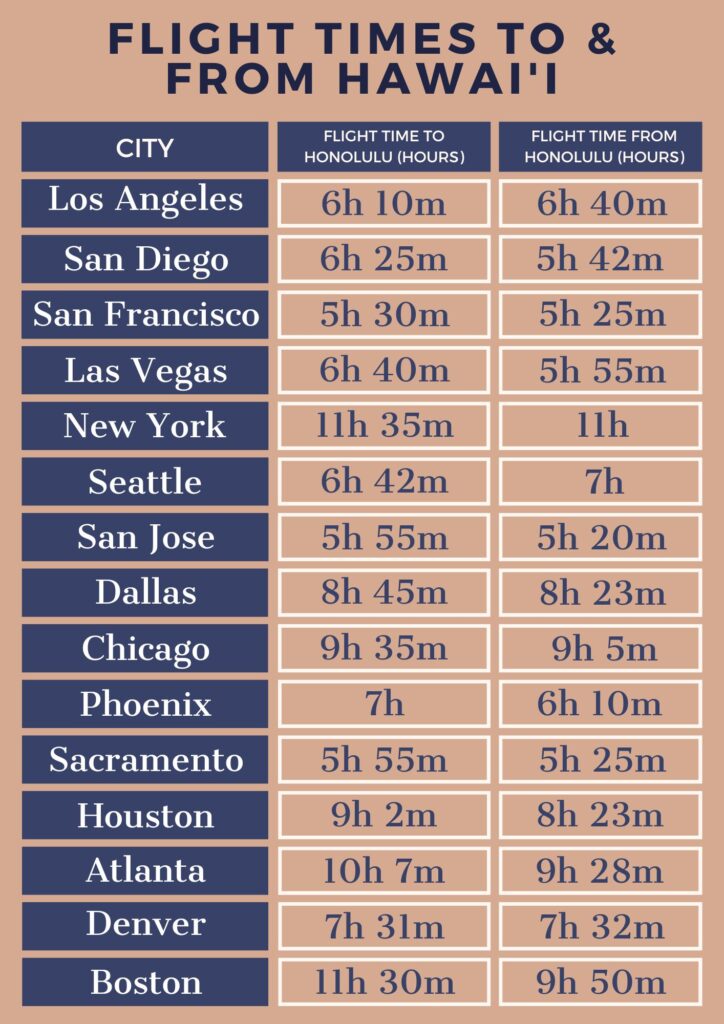
The flight to Hawaii is, by its very nature, a trans-pacific voyage. Nestled in the heart of the Pacific Ocean, Hawaii is one of the most remote landmasses on Earth, making the journey an integral part of the adventure. For travelers from the United States mainland, the flight represents a significant commitment of time, typically ranging from a few hours for those departing from the West Coast to a full day of travel for East Coast residents, including potential layovers. International travelers, particularly from Asia or Oceania, face even longer journeys, underscoring the importance of careful planning and preparation. Our goal is to provide comprehensive insights into what to expect, from the moment you book your ticket to the instant you step off the plane onto Hawaiian soil, ensuring your anticipation builds rather than diminishes during the transit.
Charting Your Course: Understanding Flight Durations to Hawaii
The duration of your flight to Hawaii is largely dependent on your departure city, with direct flights offering the quickest routes. However, various elements, including wind patterns, specific aircraft models, and the presence of layovers, can all play a significant role in the total travel time. Knowing these nuances helps in setting realistic expectations and planning accordingly.
From the Mainland USA: East vs. West Coast Departures
The geographical expanse of the United States means a considerable difference in flight times to Hawaii based on your departure point.
-
West Coast Departures: This is the most common and generally the shortest route for North American travelers. Major gateway cities like Los Angeles, San Francisco, Seattle, and Portland offer numerous direct flights to Honolulu (Oahu), Kahului (Maui), or Kona (Hawaii Island).
- From Los Angeles or San Francisco: Expect flights to range from 5 hours 30 minutes to 6 hours.
- From Seattle or Portland: Flights are slightly longer, typically 6 hours to 6 hours 30 minutes.
- From cities like Phoenix or Denver: You’re looking at 6 hours 30 minutes to 7 hours 30 minutes for direct flights.
-
Midwest and East Coast Departures: Travelers from these regions will experience significantly longer flights, and direct options are less frequent. Often, a layover on the West Coast is necessary, adding several hours to the total travel time.
- From Chicago, Houston, or Dallas: Direct flights, when available, can take 8 hours to 9 hours. More commonly, a flight will involve a stop in Los Angeles or San Francisco, pushing total travel time (including layover) to 10-14 hours.
- From New York, Atlanta, or Miami: Direct flights are the longest, typically 10 to 11 hours. With a layover, the journey can easily extend to 12-18 hours, making it an all-day affair.
International Gateways: Journeys from Asia and Oceania
Hawaii also serves as a popular destination for international travelers, particularly from the Pacific Rim.
- From Tokyo or Osaka, Japan: Direct flights to Honolulu typically range from 7 hours to 8 hours.
- From Seoul, South Korea: Expect flights of around 8 hours 30 minutes to 9 hours.
- From Sydney or Melbourne, Australia: These are considerably longer, ranging from 9 hours 30 minutes to 10 hours 30 minutes.
- From Auckland, New Zealand: Flights are usually around 8 hours 30 minutes to 9 hours.
Factors Influencing Your Flight Time
Beyond the straight distance, several variables can subtly alter your actual time in the air.
- Wind Patterns: The prevailing jet stream, a strong current of air found several miles above the Earth’s surface, can significantly impact flight durations. Flights heading westbound (towards Hawaii from the mainland United States) often contend with headwinds, making them slightly longer. Conversely, eastbound return flights benefit from tailwinds, often reducing travel time by 30 minutes to an hour.
- Aircraft Type: Different aircraft have varying cruising speeds and ranges. Modern, long-haul jets like the Boeing 787 Dreamliner or Airbus A350 are designed for efficiency and comfort on extended flights.
- Air Traffic Control and Routes: Air traffic congestion, especially around major hubs, can sometimes lead to slight delays or altered flight paths, which may add a few minutes to the total time.
- Direct vs. Connecting Flights: While direct flights are always faster in terms of air time, connecting flights inherently add layover time, increasing your overall travel duration. When booking, consider the trade-off between a potentially cheaper connecting flight and the convenience of a direct route, especially for longer journeys.
Preparing for Your Pacific Journey: Tips for a Comfortable Flight
A long flight, especially across the Pacific Ocean, demands preparation. Ensuring your comfort and mitigating potential issues like jet lag can make a world of difference in how you start your Hawaiian adventure.
In-Flight Comfort and Entertainment
The key to a pleasant long-haul flight lies in self-care and smart packing.
- Dress in Layers: Airplane cabins can fluctuate in temperature. Wearing comfortable, loose-fitting clothing and layers allows you to adjust easily.
- Stay Hydrated: The dry cabin air can be dehydrating. Drink plenty of water before and during your flight, and limit alcohol and caffeine.
- Move Around: To prevent stiffness and reduce the risk of deep vein thrombosis, get up and walk around the cabin periodically. Perform simple stretches in your seat.
- Pack Smart for Carry-On: Include essentials like a neck pillow, eye mask, earplugs or noise-canceling headphones, a book or e-reader, and any personal medications. Many airlines offer extensive in-flight entertainment, but having your own options (downloaded movies, podcasts) is a good backup.
- Snacks: While airlines provide meals, having your favorite healthy snacks can keep hunger at bay and offer a familiar comfort.
Managing Jet Lag: Arriving Refreshed
Hawaii operates on Hawaii Standard Time (HST), which is GMT-10. This means a significant time difference from the mainland United States (e.g., 5 hours behind Pacific Time, 6 hours behind Mountain Time, and 8 hours behind Eastern Time).
- Adjust Before You Go: A few days before your flight, gradually shift your sleep schedule closer to Hawaiian time. Even an hour or two can help.
- Hydrate and Avoid Alcohol: As mentioned, this helps your body adjust.
- Set Your Watch to Hawaii Time: Do this as soon as you board the plane. This psychological trick helps you mentally prepare.
- Embrace the Sun: Upon arrival, expose yourself to natural light, especially in the morning. This helps reset your body’s circadian rhythm.
- Stay Active (Mildly): Gentle exercise or a swim can help you feel more energetic.
- Sleep Smart: Try to avoid long naps on arrival day. Push through until a reasonable bedtime in Hawaii to establish a new sleep pattern quickly.
Choosing the Right Airline and Class
The airline you choose and your class of service can significantly impact your long-haul experience.
- Airlines: Major carriers like Hawaiian Airlines, United Airlines, Delta Air Lines, American Airlines, and Alaska Airlines offer direct flights to Hawaii from various mainland United States cities. Each has its own reputation for service, amenities, and loyalty programs. Researching reviews and comparing offerings can lead to a more satisfactory flight.
- Class of Service: While economy class is the most common, consider upgrading if your budget allows.
- Premium Economy: Offers more legroom, wider seats, and enhanced meal service, providing a noticeable step up in comfort without the full cost of business class.
- Business or First Class: These options transform the long journey into an experience of luxury, with lie-flat seats, gourmet dining, priority boarding, and dedicated service. For journeys exceeding 8-10 hours, this can be a worthwhile investment, ensuring you arrive completely refreshed.
Beyond the Journey: Unveiling the Hawaiian Experience
Once you’ve successfully navigated your flight and landed at Daniel K. Inouye International Airport in Honolulu or one of the other island airports, the true adventure begins. Hawaii is not just a single destination but a collection of distinct islands, each offering its own unique charm, attractions, and pace of life.
The Allure of Each Island: Oahu, Maui, Kauai, and Hawaii Island
Choosing which island to visit (or islands, if you’re ambitious) is a delightful dilemma.
- Oahu: Known as “The Gathering Place,” Oahu is home to the bustling capital city of Honolulu and iconic landmarks such as Waikiki Beach, Pearl Harbor, and the challenging hike up Diamond Head. It’s the most developed island, offering a blend of city life, world-class surfing on the North Shore, and historical sites.
- Maui: “The Valley Isle” is renowned for its stunning beaches, luxurious resorts in areas like Kaanapali Beach and Kapalua, and the breathtaking scenic drive along the Hana Highway. It’s also famous for sunrise views from Haleakala Volcano and whale watching during winter months.
- Kauai: “The Garden Isle” lives up to its name with verdant landscapes, dramatic cliffs of the Na Pali Coast, and the impressive Waimea Canyon, often called the “Grand Canyon of the Pacific.” It’s ideal for adventurers seeking hiking, kayaking, and a more serene, natural experience.
- Hawaii Island (Big Island): The largest and youngest of the islands, Hawaii Island offers an incredible diversity of landscapes, from active volcanoes in Volcanoes National Park to snow-capped Mauna Kea, black sand beaches, and the vibrant towns of Kona and Hilo. It’s a land of extremes and natural wonders.
Accommodation Choices: From Luxury Resorts to Budget-Friendly Stays
Hawaii caters to every type of traveler and budget, offering a wide array of accommodation options.
- Luxury Resorts: For those seeking an indulgent escape, Hawaii boasts world-class resorts like the Ritz-Carlton, Four Seasons, Grand Hyatt, and Waldorf Astoria properties. These resorts often feature oceanfront suites, multiple pools, spas, fine dining, and curated experiences, particularly concentrated in areas like Waikiki, Wailea, Kaanapali, Poipu, and Princeville.
- Mid-Range Hotels: Brands like Hilton, Marriott, and Outrigger Hotels offer comfortable, well-appointed rooms with excellent amenities at a more accessible price point. Many are located near popular attractions and offer good value.
- Boutique Hotels and Guesthouses: For a more personalized and intimate experience, consider boutique hotels or locally-owned guesthouses. These often provide a deeper connection to local culture and a unique charm.
- Vacation Rentals: Apartments, villas, and houses available through platforms like Airbnb or VRBO are ideal for families, groups, or those seeking a longer-term stay with kitchen facilities, offering flexibility and often significant cost savings on food.
- Budget-Friendly Options: Hostels, especially in Honolulu, and some older hotels can provide economical choices for backpackers or budget-conscious travelers. Camping is also an option in designated state and county parks, offering an immersive nature experience.
When booking, consider the amenities crucial to your trip: beachfront access, family-friendly pools, business facilities, or proximity to specific landmarks. Reading reviews and comparing prices on reputable booking sites is essential for finding the perfect accommodation.
Diving Deep into Hawaiian Culture and Activities
Beyond the beaches and resorts, Hawaii offers a rich tapestry of cultural experiences and outdoor activities.
- Local Culture: Immerse yourself in the aloha spirit by attending a traditional luau, learning about Polynesian history at museums like the Bishop Museum, or visiting local markets. Engage with the community, learn a few Hawaiian phrases, and respect local customs.
- Food Scene: Hawaiian cuisine is a delicious fusion of Polynesian, Asian, and American influences. Don’t miss out on local favorites like poke, kalua pig, fresh seafood, shaved ice, and tropical fruits. Explore local diners, food trucks, and farmers’ markets for authentic flavors.
- Activities: The islands are a playground for adventure seekers.
- Water Sports: Surfing, snorkeling, scuba diving (explore vibrant coral reefs and marine life), paddleboarding, kayaking, and outrigger canoeing are readily available.
- Hiking: Trails range from easy coastal walks to challenging volcanic ascents. Popular hikes include Diamond Head (Oahu), Pillbox Hike (Oahu), and trails within Volcanoes National Park (Hawaii Island).
- Wildlife Viewing: Spot humpback whales during winter, green sea turtles, spinner dolphins, and colorful endemic birds.
- Relaxation: Of course, simply unwinding on a pristine beach, enjoying a spa treatment, or watching a spectacular sunset is an activity in itself.
Planning Your Hawaiian Escape: Logistics and Lifestyle
A trip to Hawaii requires more than just booking a flight; it involves careful planning to maximize your experience while managing practical aspects like budget and travel style.
Budgeting for Paradise: Smart Travel Strategies
Hawaii can be an expensive destination, but smart strategies can help make it more accessible.
- Flights: Book in advance, be flexible with your travel dates (mid-week and off-season flights are often cheaper), and consider flying into a less popular airport if it offers savings, then taking an inter-island flight.
- Accommodation: As discussed, a range of options exists. Consider vacation rentals for longer stays or for groups. Look for packages that combine flights and hotels.
- Food: While fine dining is abundant, eating like a local can save money. Visit grocery stores, farmers’ markets, food trucks, and local plate lunch spots. Pack your own snacks for day trips.
- Transportation: Renting a car is often essential for exploring the islands, especially Maui, Kauai, and Hawaii Island. Book your rental car well in advance, especially during peak season. Oahu offers public transportation (TheBus) and ride-sharing services, making a car less critical if you plan to stay mainly in Honolulu.
- Activities: Many of Hawaii’s best attractions, like beaches, hiking trails, and scenic drives, are free or low-cost. Prioritize which paid tours or activities are most important to you.
Family Adventures and Romantic Getaways
Hawaii is incredibly versatile, suitable for diverse travel lifestyles.
- Family Trips: Resorts with kids’ clubs, calm beaches ideal for swimming (e.g., Poipu Beach, Anini Beach), and educational attractions like the Maui Ocean Center or Honolulu Zoo make Hawaii a fantastic family destination. Vacation rentals often provide the space and amenities needed for families.
- Romantic Getaways: For couples, the islands offer breathtaking sunsets, secluded beaches, world-class dining, and luxurious spas. Maui and Kauai are particularly popular for honeymoons and anniversaries, with boutique hotels and adult-only resorts providing intimate settings.
- Adventure Travel: With endless opportunities for surfing, hiking, diving, and exploring volcanoes, Hawaii is a mecca for adventure enthusiasts.
- Business Stays: While primarily a leisure destination, Honolulu also hosts conferences and business events, with many hotels offering full business facilities.
Essential Travel Tips Before You Go
A few final pointers can ensure your trip is as seamless as possible.
- Inter-island Travel: If you plan to visit multiple islands, factor in the time and cost of inter-island flights (typically 20-45 minutes). Book these in advance, especially during peak season.
- Pack Sun Protection: The Hawaiian sun is intense. Bring reef-safe sunscreen, hats, and sunglasses.
- Respect the Culture (Malama Aina): “Malama Aina” means to care for the land. Be mindful of environmental impact, respect sacred sites, and support local businesses.
- Check Entry Requirements: For international travelers, ensure all visa and entry requirements are met. For domestic travelers from the United States, Hawaii is a state, so no passport is needed.
The flight to Hawaii is a bridge to paradise, a journey that transports you not just geographically but also spiritually. While the duration varies, the anticipation of crystal-clear waters, vibrant culture, and unparalleled natural beauty makes every hour of travel well worth it. By understanding the logistics, preparing for the journey, and planning your island adventures, you ensure that your Hawaiian escape begins and ends with the true spirit of aloha.
LifeOutOfTheBox is a participant in the Amazon Services LLC Associates Program, an affiliate advertising program designed to provide a means for sites to earn advertising fees by advertising and linking to Amazon.com. Amazon, the Amazon logo, AmazonSupply, and the AmazonSupply logo are trademarks of Amazon.com, Inc. or its affiliates. As an Amazon Associate we earn affiliate commissions from qualifying purchases.