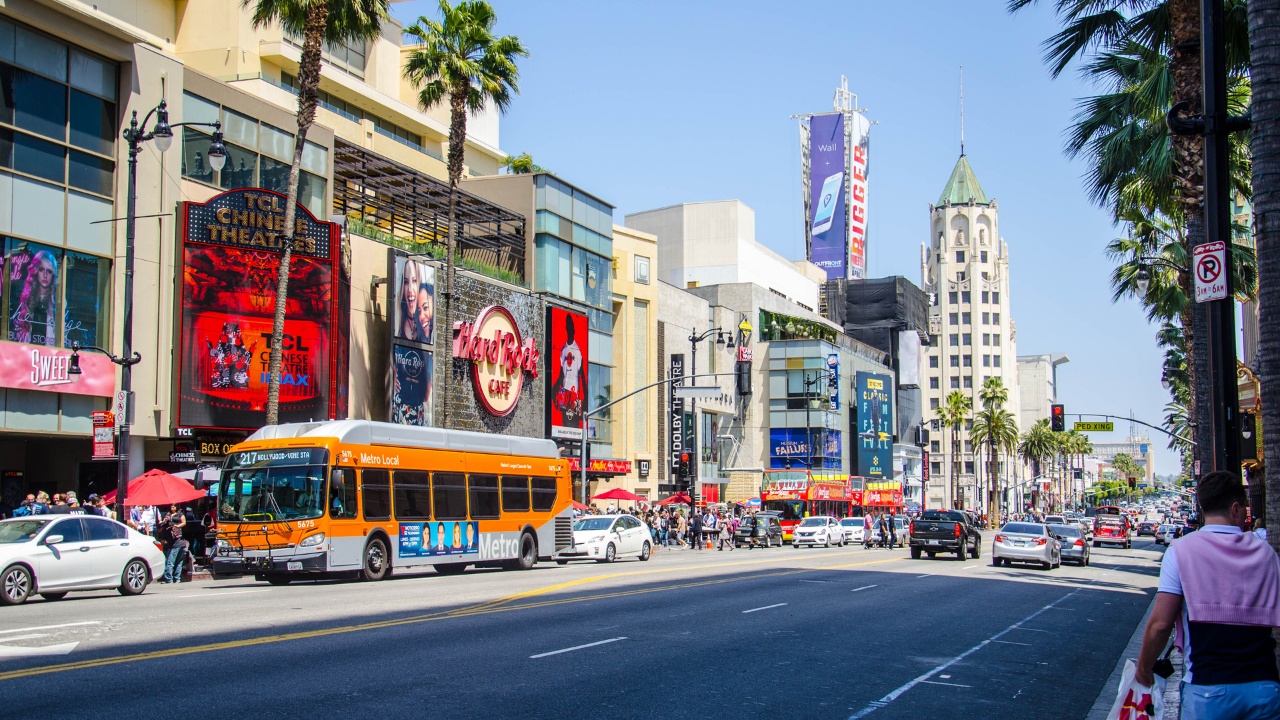
For any traveler embarking on a journey to the Golden State, understanding the local time isn’t merely about setting a watch; it’s the fundamental cornerstone of a well-planned, seamless, and enjoyable California experience. From coordinating flights and hotel check-ins to maximizing visits to iconic landmarks and savoring the vibrant local culture, the simple question, “What time is it in California right now?” unlocks a world of practical considerations for every aspect of your travel and tourism adventure.
California, as a whole, observes a single time zone, simplifying logistics within the state but making international or cross-country planning a crucial exercise. This article delves into the intricacies of California time, its implications for your itinerary, and offers invaluable tips to ensure your visit is perfectly synchronized with the rhythm of this dynamic state. Whether you’re chasing the sunrise over the Pacific Ocean, booking a table at a Michelin-starred restaurant in San Francisco, or planning a thrilling day at a Los Angeles theme park, knowing the precise time is your first step towards an unforgettable California lifestyle.
Navigating California’s Time Zone: PST/PDT Unveiled
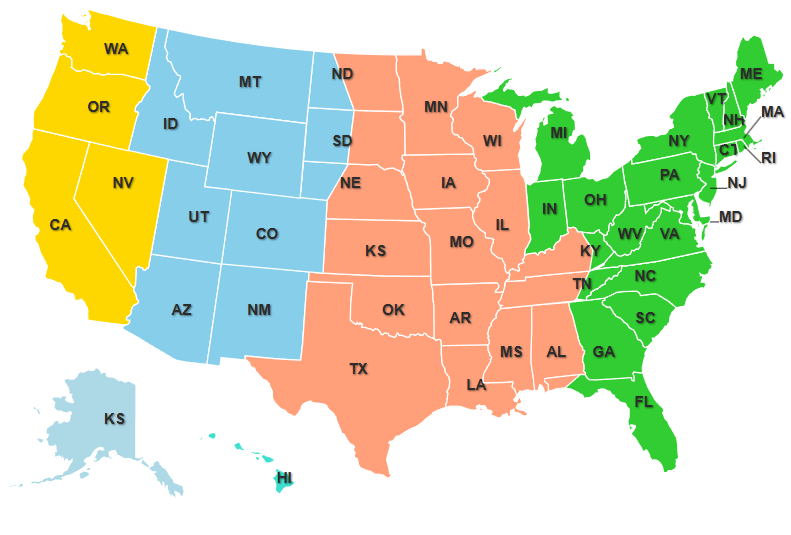
The first piece of essential information for any visitor to California is its time zone. Unlike some larger states or countries, the entire state of California operates on a unified time system, which fluctuates between Pacific Standard Time (PST) and Pacific Daylight Time (PDT) depending on the season. This consistency within the state simplifies internal travel but highlights the importance of understanding the shift for those arriving from different global locations.
Understanding Pacific Standard Time (PST) and Pacific Daylight Time (PDT)
California primarily uses the Pacific Time Zone. During the standard time period, from early November to mid-March, it’s known as Pacific Standard Time (PST), which is UTC-8 (Coordinated Universal Time minus 8 hours). This means that if it’s noon UTC, it’s 4 AM PST. However, like much of the United States, California observes Daylight Saving Time. This means that from mid-March to early November, the clocks spring forward by one hour, shifting to Pacific Daylight Time (PDT), which is UTC-7. During this period, if it’s noon UTC, it’s 5 AM PDT.
This transition, while seemingly minor, can have significant implications for travelers, especially those arriving close to the changeover dates. For instance, if you book an early morning flight that lands just after the spring forward, you might unexpectedly lose an hour, impacting immediate plans. Conversely, gaining an hour in the fall might give you a pleasant surprise of extra time, but it’s always better to be prepared. All major cities, from San Diego in the south to Sacramento in the north, and all the way to coastal Eureka, adhere to this singular time zone.
Why This Matters for Your Travel Plans
Understanding the current time zone – whether PST or PDT – is more than just academic knowledge; it’s a critical component of successful travel planning. For international travelers, especially those arriving from Europe or Asia, the time difference can be substantial. For example, London is typically 8 hours ahead of California during PDT and 9 hours during PST. Tokyo is 16 hours ahead during PDT.
This time difference directly affects:
- Connecting Flights: Miscalculating time zones could lead to missed connections, especially when transiting through different time zones within the United States. Always verify flight times in local time for both departure and arrival.
- Meetings and Business Calls: For those on a business stay or needing to stay in touch with work, knowing the precise time difference is paramount to scheduling calls that don’t fall in the middle of the night for colleagues back home, whether they are in New York City (Eastern Time) or Paris (Central European Time).
- Booking and Confirmations: When reserving hotels, tours, or activities online from a different time zone, ensure that the displayed times are clearly specified as California local time to avoid confusion. Many booking platforms default to the user’s local time, which can be a source of error.
The Traveler’s Clock: Why California Time Impacts Your Trip
Beyond the initial adjustment, California’s local time profoundly influences the day-to-day rhythm of your trip. From making the most of a sunny morning to securing coveted evening reservations, synchronizing with the local clock is key to an enriched experience.
Optimizing Your Itinerary: From Sunrise to Sunset
California’s diverse landscapes and attractions mean there’s something to do at almost any hour, but understanding the optimal timing for each activity can elevate your journey from good to spectacular.
- Morning Adventures: Early mornings in California are often cool and clear, ideal for invigorating activities. Imagine catching the breathtaking sunrise over the Golden Gate Bridge in San Francisco or heading out for a serene hike in Yosemite National Park before the crowds gather. Surfing lessons at Huntington Beach or Malibu are often best at dawn for calmer waters.
- Daytime Explorations: Theme parks like Disneyland Park in Anaheim or Universal Studios Hollywood in Los Angeles open their gates in the morning and close late, requiring careful time management to experience all their offerings. Similarly, exploring museums in San Francisco or strolling the boulevards of Beverly Hills demands conscious planning around opening and closing times.
- Evening Delights: California’s evenings come alive with dining, entertainment, and vibrant nightlife. Securing dinner reservations at acclaimed restaurants in Napa Valley or West Hollywood often requires booking weeks or even months in advance, and showing up on time is crucial. Catching a show at the Pantages Theatre or enjoying live music on the Sunset Strip all hinge on adhering to curtain times. Even simply enjoying a sunset from the Santa Monica Pier or Griffith Observatory needs you to be in the right place at the right time.
Accommodation and Logistics: Check-ins, Check-outs, and Reservations
The local time governs almost every logistical aspect of your accommodation and onward travel.
- Hotel Check-in/Check-out: Most hotels across California – from luxury resorts like The Ritz-Carlton, Laguna Niguel to charming boutique apartments in Carmel-by-the-Sea – maintain standard check-in times (typically 3 PM or 4 PM local time) and check-out times (usually 11 AM or noon local time). Arriving too early or departing too late without prior arrangements can lead to additional fees or delays.
- Airport Transfers and Car Rentals: Coordinating airport pickups, whether by shuttle, ride-share, or pre-booked private transfer, necessitates accurate knowledge of your arrival time. Similarly, car rental agencies operate within specific business hours, and picking up or dropping off a vehicle outside these times can incur extra charges or require special arrangements.
- Dining Reservations: California’s culinary scene is world-renowned, and popular restaurants, particularly in major cities like San Francisco or Los Angeles, often require reservations made weeks or even months in advance. Punctuality is key, as many establishments have strict policies regarding late arrivals. For instance, a booking at a celebrated eatery in Napa Valley for a 7 PM seating means being there by 7 PM PST/PDT, not your home time zone equivalent.
Beyond the Clock: Adjusting to California Time for a Seamless Experience
For many travelers, especially those crossing multiple time zones, the biggest challenge isn’t just knowing the time but feeling the time. Adjusting to California’s rhythm is crucial for minimizing jet lag and maximizing your energy for exploration.
Conquering Jet Lag: Tips for East-to-West Travelers
Travelers arriving from the east (e.g., East Coast United States, Europe, Asia) often face the challenge of jet lag. Your body’s internal clock, or circadian rhythm, struggles to catch up with the new local time. However, a few strategies can help mitigate its effects:
- Pre-Adjust Gradually: A few days before your trip, try to shift your sleep schedule by an hour or two closer to California time.
- Hydrate and Avoid Alcohol/Caffeine: Staying well-hydrated before and during your flight, and limiting alcohol and excessive caffeine, can significantly aid your body in adjusting.
- Embrace Sunlight: Upon arrival, expose yourself to natural light, especially in the mornings. This helps reset your body’s internal clock. Consider a morning walk along Venice Beach or a stroll through Balboa Park in San Diego.
- Stay Active: Gentle exercise can help. Many hotels, from a Four Seasons Hotel in Beverly Hills to the Post Ranch Inn in Big Sur, offer excellent fitness amenities to help you stay on schedule.
- Adjust Sleep Immediately: Try to go to bed at a reasonable California bedtime, even if you don’t feel tired initially. Creating a comfortable sleep environment in your hotel suite or villa can also help.
Maximizing Your California Lifestyle: Time-Sensitive Activities
Many of California’s most celebrated experiences are inherently time-sensitive.
- Wine Tasting Tours: In regions like Napa Valley and Sonoma County, wineries typically open mid-morning and close in the late afternoon. Planning your visits to avoid peak lunch hours or ensure you complete your tastings before closing is essential.
- Outdoor Adventures: Hiking trails in Joshua Tree National Park or Redwood National Park are best enjoyed in the cooler morning or late afternoon hours. Similarly, skiing or snowboarding at Lake Tahoe operates on specific lift schedules.
- Cultural Attractions: Museums, galleries, and historical landmarks like Alcatraz Island in San Francisco or the Hollywood Walk of Fame have set operating hours. Checking these in advance and arriving early can often help you beat the crowds.
- Beach Life: While California’s beaches are beautiful all day, specific activities thrive at certain times. Surfing, as mentioned, is often best early, while beach volleyball or sunset strolls are popular in the late afternoon and evening.
Planning Across Time Zones: A Global Perspective for California Travel
For the ultimate smooth journey, planning your California trip requires a careful consideration of time differences, not just upon arrival, but throughout your booking process and during your stay when interacting with others outside the PST/PDT bubble.
Booking Flights and Accommodations from Afar
When you’re organizing your California adventure from another country like Canada, Mexico, the United Kingdom, France, or Japan, every confirmation email and booking detail needs a critical eye.
- Double-Check All Times: Always verify that flight departure and arrival times, hotel booking confirmations, and tour start times are listed in local time for California. If not explicitly stated, assume it refers to the location of the service (e.g., Los Angeles International Airport for flights arriving there).
- Utilize Time Zone Converters: Online tools and smartphone apps that convert time zones instantly are invaluable. Before making a reservation, use these to ensure you’re not booking a tour for the wrong time slot in California’s local time.
- Communicate Clearly with Providers: If you have any doubts, don’t hesitate to contact your hotel (e.g., Fairmont San Francisco, Waldorf Astoria Beverly Hills), tour operator, or airline to confirm schedules in California time. This small step can prevent significant headaches upon arrival.
Staying Connected: Communication with Home and Business
While your trip to California is an escape, staying connected with family, friends, or work colleagues is often a necessity.
- Mind the Gap: Be perpetually aware of the time difference. A casual call to a friend in Miami (Eastern Time) could mean waking them up if you forget the 3-hour difference. Similarly, a video conference with a team in Singapore might require an extremely early morning or late evening slot for you in California.
- Schedule Smart: Use calendar tools that automatically adjust for time zones when scheduling calls or events. Communicate your availability clearly in California time, allowing others to convert it to their local time.
- Emergency Contacts: Ensure that your emergency contacts back home are aware of the time difference so they know when to expect or not expect communication from you.
In conclusion, while the question “What time is it in USA California right now?” seems straightforward, its implications for a traveler are vast and varied. By understanding PST/PDT, planning meticulously, and actively managing jet lag, you can ensure that your clock aligns perfectly with the Golden State, allowing you to fully immerse yourself in all the incredible destinations, attractions, and experiences it has to offer. So, set your watch, embrace the rhythm, and get ready for an extraordinary California journey.