
Mention “snow” and “Florida” in the same breath, and you’re likely to be met with a skeptical look, perhaps even a chuckle. The Sunshine State is globally renowned for its endless warmth, pristine beaches, and sun-drenched days, making the idea of a winter wonderland seem utterly outlandish. Yet, against all odds, snow has indeed fallen in Florida, albeit as a rare and often fleeting phenomenon. These exceptional events etch themselves into the state’s meteorological history, becoming local legends and surprising anecdotes for those who experienced them.
For travelers accustomed to Florida’s balmy climes, the thought of encountering snowflakes might seem like a delightful, if improbable, fantasy. Our exploration delves into the fascinating history of snow in the Sunshine State, identifying the regions that have witnessed this frosty spectacle and unraveling the unique atmospheric conditions that must align for such an event to occur. We’ll examine historical snowfall events, tracing their geographical reach and considering their impact on everything from local communities to the state’s vibrant tourism industry. Beyond the rare white dustings, we’ll also touch upon how Florida’s iconic attractions manage to bring a taste of winter charm to their guests, ensuring that the magic of snow, real or simulated, can be experienced even in the subtropics. Prepare to uncover a side of Florida that defies its sunny reputation, a testament to the unpredictable wonders of nature.

A Glimpse into Florida’s Icy Past: Historical Snowfall Events
The narrative of snow in Florida is less about blizzards and more about fleeting flurries, a curious anomaly in a state famous for its warmth. Each recorded snowfall event is a significant marker in its history, often talked about for generations. These rare occurrences typically coincide with extreme cold fronts pushing unusually far south, bringing freezing temperatures and the necessary moisture for precipitation. While the snow rarely accumulates significantly or lasts long, the sheer novelty of it transforms everyday life, captivating residents and providing a unique perspective on the state’s often-unwavering climate. Understanding these historical events offers a rare insight into the meteorological vulnerabilities of even the warmest climates and how the state has reacted to such unusual weather phenomena.
The Earliest Recorded Instances
While unofficial accounts might stretch further back, documented snowfalls in Florida begin in the early 19th century, painting a vivid picture of a wilder, less developed frontier. One of the earliest credible reports dates back to January 1800, when a significant cold snap brought snow to a wide swath of the southeastern United States, likely affecting parts of North Florida. Another notable early event occurred in February 1835, described as one of the most severe cold waves in Florida’s history. Accounts from this period suggest that snow fell as far south as Jacksonville, covering trees and disrupting early colonial life. These events were more than just weather anomalies; they were significant disruptions in an era where infrastructure was rudimentary, impacting agriculture, transportation, and daily survival.
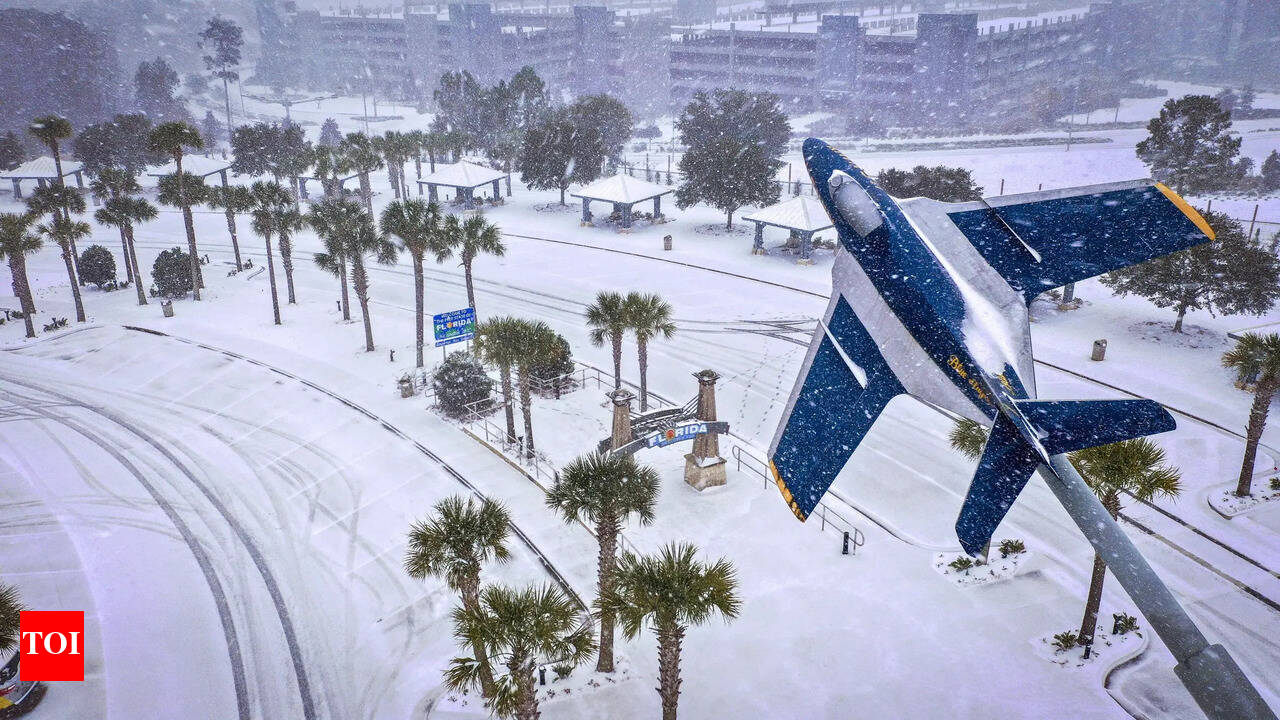
As the state developed through the late 19th century, more detailed meteorological records began to emerge, chronicling sporadic dustings. For example, a severe cold spell in February 1899 brought snow to the northern and central parts of the state, including Palatka and even as far south as Tampa. This event was particularly devastating for Florida’s burgeoning citrus industry, wiping out entire groves and highlighting the economic vulnerability to extreme weather. These early instances set a precedent, showing that while rare, snow was an undeniable, if infrequent, visitor to the Sunshine State, leaving its mark on the historical record and the collective memory of its inhabitants.
Notable 20th-Century Snow Events
The 20th century saw several memorable snow events that solidified their place in Florida’s weather lore. Each occasion brought a unique set of circumstances and left a lasting impression. Beyond the famed 1977 snowfall, other instances captured headlines and delighted or disoriented locals.
In February 1958, a significant cold front brought snow and ice to North Florida, affecting areas like Tallahassee and the Panhandle. While not as widespread as later events, it was enough to cause disruptions and create a rare, picturesque landscape in a region accustomed to mild winters. Similar, though often lighter, dustings occurred in various parts of the state throughout the 1960s, typically confined to the northern counties bordering Georgia and Alabama. These events were usually brief, with snow melting almost as soon as it hit the ground, offering only a fleeting glimpse of a traditional winter scene.
The early 1980s and 1990s also had their share of snowy surprises. January 1989 saw light snow reported in areas of North Florida, and a notable cold air mass in December 1989 brought flurries to parts of Central Florida, including the Orlando metropolitan area. This particular event, occurring right before Christmas, added a touch of unexpected holiday magic for many families visiting or residing near the theme parks. Another memorable, albeit less widespread, event occurred in March 1993, when the “Storm of the Century” – a massive blizzard impacting much of the eastern United States – brought snow to portions of the Florida Panhandle, showcasing the reach of severe winter systems even into the Deep South. These isolated but impactful events continued to fuel the legend of snow in the Sunshine State, demonstrating that even a subtropical paradise is not entirely immune to winter’s embrace.

The Infamous 1977 Snowfall
Without a doubt, the most legendary and widespread snowfall in Florida’s modern history occurred on January 19, 1977. This event remains etched in the collective memory of Floridians and stands as the most southerly snowfall ever recorded in the continental United States. An exceptionally potent Arctic cold front plunged deep into the peninsula, bringing with it a frigid air mass that pushed temperatures well below freezing across almost the entire state. Coupled with adequate moisture from the Gulf of Mexico and the Atlantic Ocean, the conditions were perfect for a widespread snow event.
On that historic morning, residents awoke to a surreal sight: a white blanket covering yards, palm trees, and even beaches. Snow flurries were reported as far south as Miami Beach, and accumulation was recorded in many areas that had never seen snow before, nor have they since. Cities like Tampa, Orlando, and even Homestead, south of Miami, witnessed snow. In Jacksonville, accumulation reached up to an inch in some places, leading to playful snowball fights and widespread disbelief. Schools closed, roads became slick (a rare hazard for Florida drivers), and daily life paused as people marveled at the extraordinary spectacle.
The 1977 snowfall was more than just a weather event; it was a cultural phenomenon. News channels ran endless segments, local newspapers published souvenir editions, and photographs of snow-covered orange groves and palm trees became instant classics. For many Floridians, especially those in the central and southern parts of the state, it was their first and only experience with natural snow. This event highlighted the immense power of extreme weather systems to defy geographical norms and left an indelible mark on Florida’s history, cementing January 19, 1977, as the day snow truly came to the Sunshine State.
Geographical Reach: Which Parts of Florida See Snow?
When discussing snow in Florida, it’s crucial to understand that its occurrence is heavily influenced by geography. The peninsula’s long, narrow shape and its proximity to both the Gulf of Mexico and the Atlantic Ocean create distinct climatic zones, making some areas marginally more susceptible to snow than others. Generally, the further north you go, the higher the (still very low) probability of seeing snowflakes. However, even within these general trends, historical records show that extraordinary weather events can sometimes defy expectations, pushing the boundaries of what is considered climatically possible.
North Florida: The Most Likely Candidate
If you’re hoping to catch a glimpse of natural snow in Florida, your best, albeit still slim, chance lies in the northernmost reaches of the state. North Florida, encompassing the Panhandle and the northeastern regions, shares a climate more akin to its neighbors Georgia and Alabama than to the tropical south. Cities like Tallahassee, Pensacola, Jacksonville, and Gainesville have experienced snow on multiple occasions throughout history, including some instances with measurable accumulation.
These areas are more exposed to cold air masses that sweep down from the central United States. When a strong Arctic front combines with sufficient moisture from the Gulf of Mexico or the Atlantic Ocean – a critical factor for precipitation – conditions can align for snow. While often light flurries, there have been occasions, such as the 1977 event, or more recently in January 2018 when Tallahassee received over an inch of snow, causing temporary closures and a rare winter landscape. For visitors to North Florida during winter, particularly December through February, while snow isn’t something to plan a trip around, understanding its historical possibility adds a unique layer to the region’s character, contrasting sharply with the palm trees and Spanish moss that usually define its aesthetic.
Central Florida’s Rare Occurrences
Moving south into Central Florida, the likelihood of snow diminishes dramatically, becoming a truly exceptional event. This region, home to major tourist hubs like Orlando and Tampa Bay, is typically characterized by mild, pleasant winters, making any hint of snow a once-in-a-lifetime experience for many residents. Despite its generally warmer climate, Central Florida has, on very rare occasions, witnessed snow flurries.
The most famous instance, of course, was the pervasive 1977 snowfall, which brought measurable snow to Orlando and a brief dusting to Tampa and St. Petersburg. Imagine waking up at your resort near Walt Disney World or Universal Studios Florida to find a thin blanket of white – a truly surreal moment for any vacationer or local. Beyond 1977, minor flurries were observed in December 1989 across parts of the Orlando area, and again briefly in January 2010. These were typically very light, melting almost immediately upon contact with the ground or the warmer surfaces of buildings and roads.
For travel planning, it’s safe to say that snow is not a factor when considering hotels, attractions, or activities in Central Florida. The appeal here remains sun, theme parks, and outdoor adventures, even in winter. However, these rare snow events add a fascinating footnote to the region’s climate story, serving as powerful reminders of the unpredictable beauty of nature and the unusual experiences that can sometimes arise even in the most unlikely of places.
South Florida: A Near Impossibility
When we reach South Florida, the idea of snow transitions from rare to nearly impossible. This region, which includes bustling cities like Miami, Fort Lauderdale, and extends down to the tropical Florida Keys and Key West, boasts a true tropical or subtropical climate. Winters are typically warm and dry, with temperatures rarely dipping below 60°F (15°C) during the day, even in the coldest months. For snow to fall here, an extraordinary confluence of exceptionally cold air and moisture would be required – a meteorological perfect storm that has occurred only once in recorded history.
That sole, remarkable instance was the widespread 1977 snowfall, which saw flurries reported as far south as Miami Beach and even Homestead. While accumulations were nonexistent and the snow quickly melted, the mere presence of snowflakes in these typically sun-drenched locales was an unprecedented event. Imagine the scene: palm trees dusted with white, confused iguanas, and locals bundled up in every piece of winter clothing they owned, rushing outside to witness the spectacle. This event became a defining moment for a generation of Miamians, a story often recounted to new residents who struggle to believe it.
Since 1977, South Florida has not seen natural snow. The region’s proximity to the Caribbean and the warming influence of the Atlantic Ocean mean that sustained freezing temperatures at the surface, combined with the necessary moisture and upper-level cold air, are almost never met. For anyone traveling to South Florida, whether for luxury travel, a family trip, or simply to escape winter elsewhere, the expectation should firmly be sunshine and warmth. The rarity of snow here only underscores the region’s identity as a year-round tropical paradise, where swimsuits are always in season, and snowflakes remain a distant, legendary memory.
The Impact of Snow on Florida’s Travel and Tourism
While snow in Florida is an exceedingly rare event, its occurrence, however brief, sends ripples through the state, particularly impacting its colossal travel and tourism industry. Florida’s appeal is intrinsically linked to its warm weather, making any deviation a source of both novelty and potential disruption. How people react, from delighted locals to bewildered tourists, provides fascinating insights into the unique dynamic of unexpected weather in a sunshine-dependent destination. For the millions who flock to the state annually, a snowy day presents a scenario far removed from their typical expectations of beach vacations and theme park adventures.
A Novelty for Locals and Visitors
When snow falls in Florida, it instantly becomes the talk of the town, an event that transcends typical weather reports. For locals, especially those in Central and South Florida who have never experienced it, the sight of even a few flakes can lead to widespread excitement and a rush to witness the phenomenon. Children, typically unfamiliar with the concept, marvel at the delicate crystals, perhaps attempting their first “snowball” with a handful of melting slush. It’s a shared cultural experience, sparking impromptu gatherings, snowball fights (if enough accumulates), and a flurry of social media posts. The novelty factor is immense, transforming ordinary landscapes into extraordinary scenes for a few fleeting hours.
For visitors, particularly those from colder climates who specifically came to Florida to escape winter, the reaction can be a mix of surprise, amusement, and sometimes, a touch of disappointment. Imagine arriving at your resort near Disney Springs or a Fort Lauderdale beach hotel, only to find snow flurries. While it might not be the sunbathing experience they anticipated, it undeniably becomes a unique travel story – a truly rare “only in Florida” moment. Tour guides and hotel staff often share anecdotes of guests’ reactions to the 1977 snow, highlighting its indelible place in Florida’s quirky history. This novelty factor, though short-lived, reinforces the unpredictable charm that even a sun-drenched destination can hold.
Effects on Attractions and Infrastructure
Even a light dusting of snow or sustained freezing temperatures in Florida can have disproportionate effects on its infrastructure and world-famous attractions, precisely because the state is not equipped for such conditions. Unlike northern states, Florida’s roads and bridges are not routinely treated with salt or ploughed, and ice-related driving skills are virtually nonexistent among the local populace. Consequently, even a thin layer of ice or snow can lead to hazardous driving conditions, causing accidents and significant traffic disruptions. Airports, while more robust, may experience delays due to de-icing procedures (if equipment is even available) or simply due to ripple effects from colder regions to the north.
For the state’s beloved theme parks, such as Walt Disney World or Universal Studios Florida, cold weather, let alone snow, can impact operations. Many water rides and even some outdoor thrill rides may temporarily close if temperatures drop below a certain threshold for guest safety and comfort. Animal parks like Busch Gardens Tampa Bay or SeaWorld Orlando may need to take special precautions to protect their exotic animals from uncharacteristic cold. Accommodations, from luxury villas to budget hotels, might see an unusual surge in demand for heating (if available) or extra blankets, and amenities like outdoor pools could become unusable. While these disruptions are infrequent and temporary, they underscore the state’s specialized infrastructure, designed for heat, not ice, and highlight the challenges of managing such an unexpected climatic event in a heavily touristed region.
Simulated Snow Experiences
While natural snow is a rare occurrence in Florida, the desire for that magical winter feeling is undeniable, particularly during the holiday season. Recognizing this, many of Florida’s premier attractions have mastered the art of simulated snow, offering guests a delightful taste of a winter wonderland without the frigid temperatures. This strategy not only caters to visitors from colder climates who miss the snow but also creates a novel experience for Floridians themselves.
Walt Disney World is arguably the most famous proponent of artificial snow. During its festive “Mickey’s Very Merry Christmas Party” at Magic Kingdom and throughout the holiday season, Main Street, U.S.A. transforms into a snowy spectacle. Special effects machines release a soap-based “snoap” that looks remarkably like falling snow, creating a truly enchanting atmosphere as guests watch the parades and fireworks. Similarly, Universal Studios Florida and Islands of Adventure, especially within The Wizarding World of Harry Potter, often feature “snow” on rooftops and festive decorations that evoke a frosty, holiday ambiance. Even Disney Springs and Universal CityWalk get in on the action, offering a light dusting of simulated snow to enhance the holiday shopping and dining experience.
These simulated snow events are a brilliant example of how Florida’s tourism industry adapts and innovates. They allow visitors to enjoy the quintessential winter charm, complete with twinkling lights and festive decorations, while still basking in the pleasant Florida warmth. For those planning a holiday trip to Central Florida, these experiences are a guaranteed way to “see” snow without having to contend with the extreme cold, ice, or travel disruptions that come with natural snowfall, blending the best of both worlds into an unforgettable vacation experience.
Beyond the Snow: Experiencing Florida’s Winter Charm
While the occasional snowflake in Florida captures headlines, the true essence of a Florida winter lies not in its rarity but in its consistent, mild beauty. For many, escaping the harsh winters of northern climates is the primary draw, and Florida delivers on that promise year after year. The cooler, drier air during the winter months (roughly November to March) creates an ideal environment for outdoor activities, exploration, and relaxation, making it a prime destination for various travel lifestyles, from budget-conscious adventurers to luxury seekers.
Embracing Cooler Temperatures (Without Snow)
Florida’s typical winter is characterized by delightful weather that is a stark contrast to the extreme cold and snow of many other regions. Average daytime temperatures range from the mid-60s to mid-70s Fahrenheit (18-24°C), often accompanied by low humidity and abundant sunshine. These conditions are perfect for those who enjoy being outdoors without the oppressive heat and humidity of summer. It’s ideal for long walks on the beach, exploring nature trails, or simply enjoying al fresco dining.
This pleasant climate attracts a significant number of “snowbirds” – visitors from colder states and countries who spend their winters in Florida. They come for the consistent warmth, the vibrant outdoor lifestyle, and the opportunity to extend their active seasons. Local culture often embraces these cooler temperatures, with outdoor festivals, art shows, and farmers’ markets becoming more prevalent. For travelers, understanding that “winter” in Florida means comfortable, sunny days rather than blustery cold, is key to planning the perfect escape. It’s a time when you can still enjoy swimming in heated pools, golfing, or boating without breaking a sweat, a testament to the state’s enduring appeal as a warm-weather haven.
Winter Activities and Destinations
Florida’s winter months open up a plethora of activities and make certain destinations particularly appealing. The comfortable temperatures are ideal for exploring natural landmarks and engaging in outdoor pursuits that might be too warm in summer. For nature enthusiasts, winter is prime time for wildlife viewing. Manatees, seeking warmer waters, congregate in springs and coastal areas, making places like Crystal River and Blue Spring State Park excellent for viewing these gentle giants. Birds, including many migratory species, also flock to Florida’s wetlands, making Everglades National Park or the St. Marks National Wildlife Refuge spectacular for birdwatching.
The cooler weather is also perfect for visiting theme parks, as crowds tend to be slightly lower than peak summer or spring break, and the comfortable temperatures make walking around all day far more enjoyable. Beyond Orlando’s mega-parks, historical sites like St. Augustine, the nation’s oldest city, become even more charming to explore on foot. Coastal towns such as Sarasota, Naples, or Destin offer pristine beaches for shelling, leisurely strolls, and stunning sunsets without the intense summer heat. From eco-tours and fishing charters to exploring botanical gardens and vibrant city centers, Florida’s winter provides an unparalleled opportunity for diverse experiences, catering to every interest and lifestyle.
Accommodation Choices for Winter Visits
Florida’s winter season is a peak time for tourism, meaning accommodation options are abundant but often command higher prices due to demand. Travelers have a vast array of choices, from luxurious resorts to quaint vacation rentals, catering to every preference and budget. For those seeking opulence, cities like Palm Beach, Miami, and Naples offer five-star hotels and private villas with world-class amenities, spas, and gourmet dining, perfect for a high-end luxury travel experience. Many resorts, particularly in Central Florida and along the coasts, feature heated pools, golf courses, and comprehensive family-friendly programs, making them ideal for family trips.
For more budget-conscious travelers or those seeking a local experience, options like apartment rentals, boutique hotels in charming towns, or even long-term stays in communities catering to snowbirds are readily available. Websites dedicated to accommodation booking, reviews, and comparison are invaluable resources during this busy season, allowing travelers to find the best deals and ensure their chosen lodging meets their specific needs, whether that’s proximity to attractions, pet-friendly policies, or specific amenities. Booking in advance is highly recommended, especially for popular destinations and during holiday periods. Whether you envision a beachfront condo, a cozy inn in a historic district, or a spacious suite near the theme parks, Florida’s diverse accommodation landscape ensures that every winter visitor finds their perfect home away from home, ready to enjoy the state’s pleasant winter charm.
In conclusion, while snow in Florida remains a captivating anomaly, a rare historical footnote, it is far from the defining characteristic of the state’s winter experience. These fleeting white dustings serve as a testament to the unpredictable nature of weather, creating unique memories for those fortunate enough to witness them. However, for the vast majority of visitors, Florida’s winter means comfortable, sunny days perfect for exploring its renowned attractions, relaxing on its pristine beaches, and immersing oneself in its vibrant culture.
From the historical accounts of the 1977 snowfall that reached Miami, to the more frequent, though still rare, flurries in North Florida, these events highlight the state’s climatic diversity. Yet, the enduring appeal of the Sunshine State lies in its consistent warmth, its capacity to offer simulated snow experiences for festive charm, and its plethora of outdoor activities that thrive in the cooler, drier months. Whether you’re seeking a luxury escape or a budget-friendly adventure, booking your accommodation in Florida during winter promises a delightful experience, free from the worries of severe cold, and rich with opportunities for memorable travel. The story of snow in Florida is a fascinating anecdote, but the true magic of a Florida winter is in its endless sunshine, welcoming warmth, and the promise of an unforgettable getaway.
LifeOutOfTheBox is a participant in the Amazon Services LLC Associates Program, an affiliate advertising program designed to provide a means for sites to earn advertising fees by advertising and linking to Amazon.com. Amazon, the Amazon logo, AmazonSupply, and the AmazonSupply logo are trademarks of Amazon.com, Inc. or its affiliates. As an Amazon Associate we earn affiliate commissions from qualifying purchases.