
The question of whether Nevada adheres to Pacific Time is one that often sparks curiosity, especially among travelers planning a trip to the Silver State. While much of the American West aligns with the vast expanse of the Pacific, Nevada’s timekeeping is a fascinating blend, influenced by its unique geographical position and historical context. This exploration delves into the temporal zones of Nevada, unraveling the nuances that define its clock.
Understanding North American Time Zones
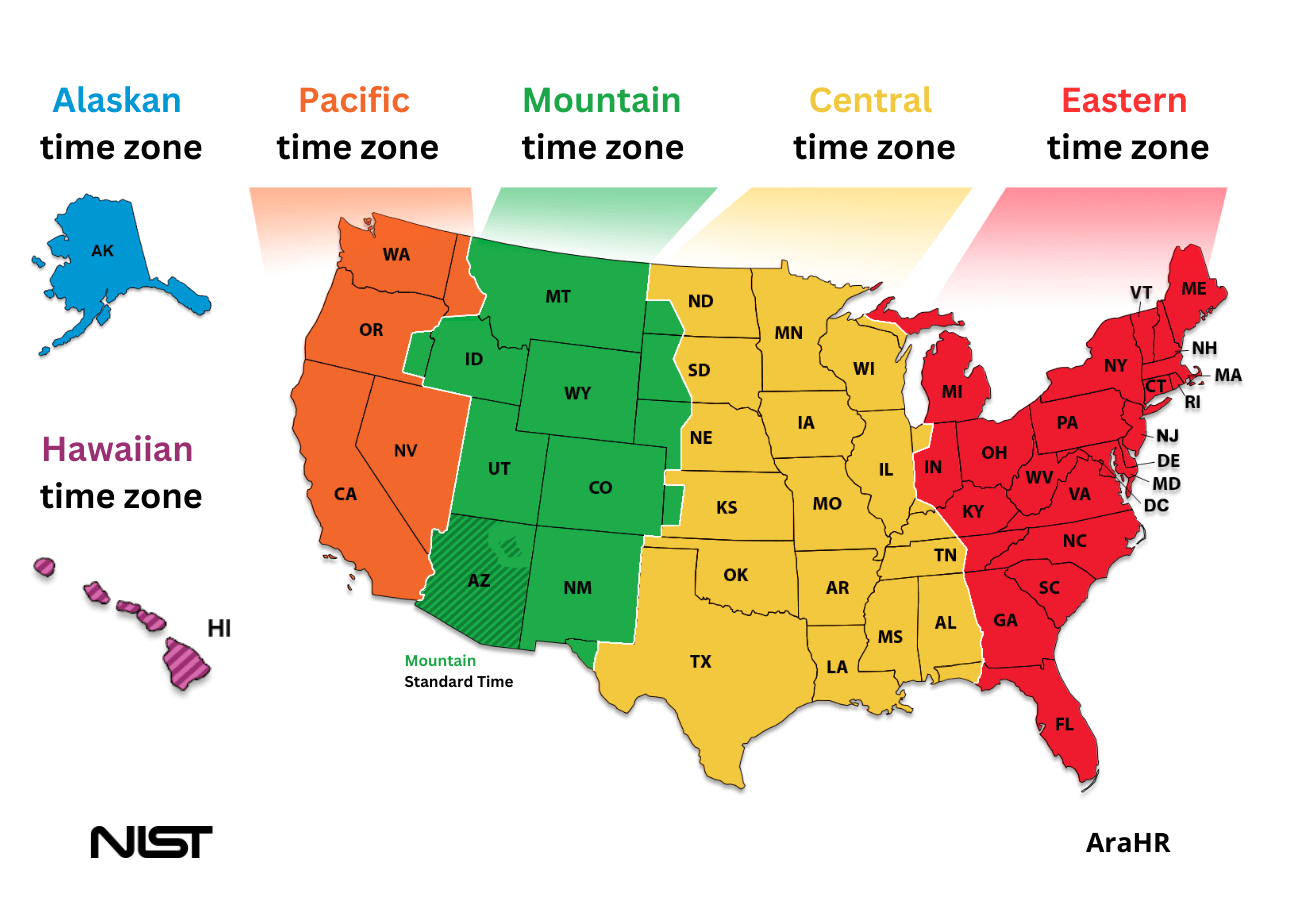
Before pinpointing Nevada’s time zone, it’s essential to grasp the foundational structure of timekeeping across the continent. The United States, with its continental span, is divided into six primary time zones. These zones are established by the U.S. government and are based on meridians of longitude, each generally representing a 15-degree difference, translating to one hour.
The Major Time Zones
The primary time zones in the contiguous United States, moving from east to west, are:
- Eastern Standard Time (EST): This zone covers the easternmost parts of the country, including cities like New York City and Miami.
- Central Standard Time (CST): Located west of the Eastern zone, this encompasses states from Texas to the Great Lakes region.
- Mountain Standard Time (MST): This zone runs through the Rocky Mountain states.
- Pacific Standard Time (PST): This zone governs the westernmost continental states, including California.
- Alaska Standard Time (AKST): Covering the vast expanse of Alaska.
- Hawaii-Aleutian Standard Time (HST): Encompassing Hawaii and the western Aleutian Islands.
Each of these zones observes Daylight Saving Time (DST), shifting forward one hour during the warmer months. This adds another layer of complexity, with the acronyms changing to Eastern Daylight Time (EDT), Central Daylight Time (CDT), Mountain Daylight Time (MDT), and Pacific Daylight Time (PDT).
The Role of Geography and State Lines
While time zones are theoretically based on longitude, the actual demarcation lines often follow state and county boundaries for administrative and practical reasons. This can lead to situations where a single state might observe different time zones, or where a state’s majority is in one zone, but significant portions extend into another. This is where Nevada’s temporal identity becomes particularly interesting.
Nevada’s Dual Time Zone Identity
The definitive answer to “Is Nevada Pacific Time?” is a nuanced one. The majority of Nevada operates within the Pacific Time Zone. However, a significant and historically relevant portion of the state observes Mountain Time. This duality is a key characteristic of Nevada’s temporal landscape.
The Pacific Time Majority
The most populous and economically significant areas of Nevada, including the major metropolitan areas of Las Vegas and Reno, are firmly rooted in the Pacific Time Zone. This means that during standard time, they are on PST (UTC-8), and during Daylight Saving Time, they switch to PDT (UTC-7).
This alignment with California, Arizona (though Arizona largely opts out of DST), and other western states facilitates business, travel, and communication across these interconnected regions. For travelers arriving from or heading to these neighboring states, the time synchronization is a considerable convenience. For instance, a flight from Los Angeles International Airport to McCarran International Airport in Las Vegas would experience no time change upon arrival.
The Mountain Time Exception: West Wendover and Elko County
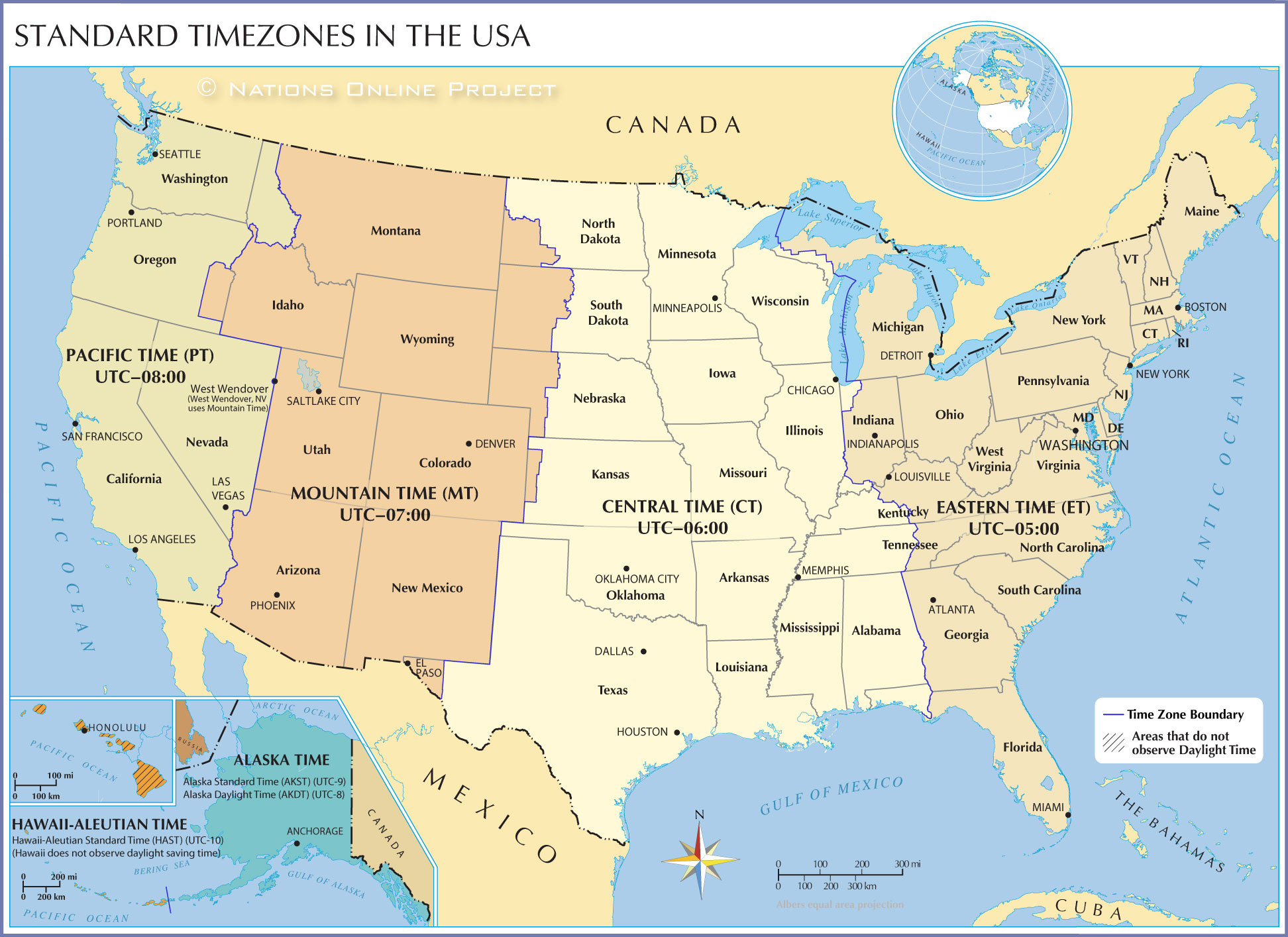
The exception to the Pacific Time rule in Nevada lies primarily in the eastern part of the state, with West Wendover being the most prominent example. This city, situated directly on the border with Utah, operates on Mountain Time. The rationale behind this is deeply intertwined with its economic and social connections to its neighboring Utah communities.
West Wendover, Utah, observes Mountain Time, and the proximity and constant flow of people and commerce between the two cities made it practical for Nevada’s West Wendover to adopt the same time zone. This ensures seamless interaction for residents and businesses that operate across the state line.
Furthermore, the westernmost portion of Elko County, specifically the area west of the western boundary of Elko County, falls within the Pacific Time Zone. However, the majority of Elko County, including the city of Elko itself, is in the Mountain Time Zone. This creates a unique situation within a single county, where different parts of it operate on different times. The line of demarcation for this change is generally understood to be near the western boundary of Elko County. This distinction, while less frequently encountered by the average tourist, is a crucial detail for those navigating this specific region.
Historical and Economic Influences on Time Zones
The way time zones are drawn is rarely a purely arbitrary decision. They are often shaped by historical development, economic ties, and the practicalities of daily life for the communities involved. Nevada’s time zone arrangement is a prime example of these influences at play.
The Influence of Neighboring States
The decision for most of Nevada to adopt Pacific Time is heavily influenced by its extensive border with California. The two states share major population centers like Reno and Lake Tahoe, and economic activity flows freely between them. Aligning time zones simplifies business transactions, travel, and communication, making it easier for companies operating in both states and for individuals who commute or frequent the other.
Conversely, the adoption of Mountain Time in parts of eastern Nevada reflects its stronger ties with Utah. Cities like West Wendover are geographically and economically closer to their Utah counterparts than to the major population centers of western Nevada. This creates a more cohesive experience for residents and businesses in these border regions.
The Practicalities of a Nomadic Population
Nevada has a unique demographic and economic landscape, characterized by transient populations, particularly in areas associated with the gaming and tourism industries. The presence of large casinos and entertainment complexes means that residents and visitors alike are accustomed to a 24/7 operation, where the exact hour can sometimes feel less rigid. However, for logistical purposes such as transportation schedules, broadcasting, and coordinating with businesses in other states, a consistent time zone framework is indispensable. The decision to align with the Pacific Time Zone for its major hubs helps to streamline these operations and maintain consistency with a significant portion of the Western United States.
Navigating Nevada with Time Zone Awareness
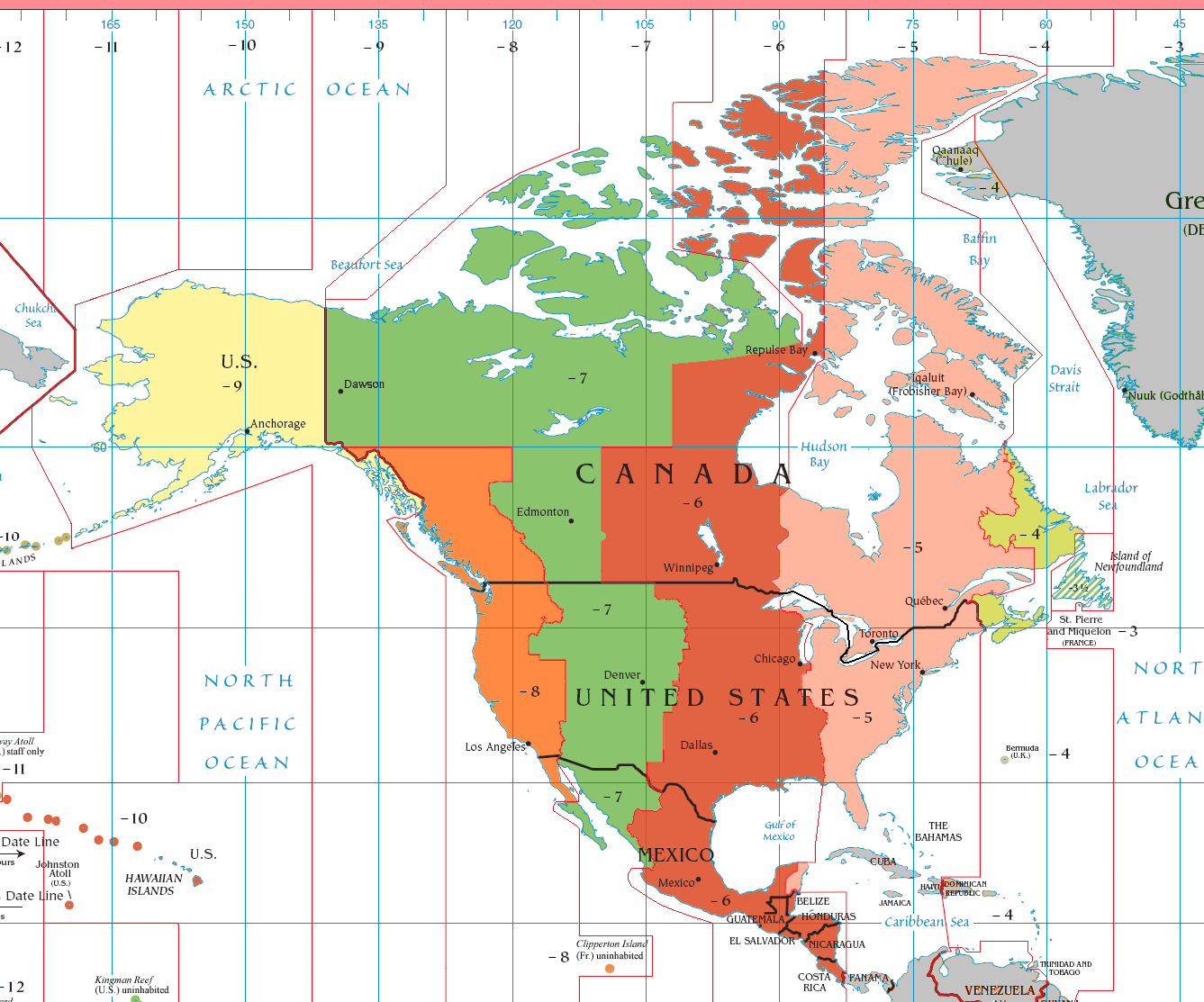
For travelers planning a visit to Nevada, understanding its time zone nuances is crucial for a smooth and hassle-free experience. While the majority will find themselves in sync with Pacific Time, awareness of the exceptions is key to avoiding confusion.
Key Travel Considerations
When planning a trip to Nevada, consider the following:
- Major Cities: If your itinerary includes Las Vegas, Reno, or the surrounding areas, you will be operating on Pacific Time. This includes popular destinations like the Las Vegas Strip and the vibrant downtown district of Reno.
- Eastern Border: If your travels take you to the eastern edge of the state, particularly to West Wendover or areas within Elko County that are east of the specified boundary, you will need to adjust your watch to Mountain Time. This means you will be one hour ahead of Pacific Time.
- Transportation and Communication: Always double-check flight schedules, train times, and any communication from hotels or tour operators, as they will invariably be listed in the local time of the destination. Confirming the time zone can prevent missed appointments or tours.
- Daylight Saving Time: Remember that both Pacific and Mountain Time zones observe Daylight Saving Time from the second Sunday in March to the first Sunday in November. During this period, the time difference between the two zones in Nevada remains constant – one hour.
By keeping these temporal distinctions in mind, visitors to Nevada can better navigate its diverse landscapes and ensure their plans align perfectly with the local rhythm of time. The state’s unique approach to timekeeping, while seemingly complex, is a reflection of its rich history and its dynamic relationship with its neighboring regions.
LifeOutOfTheBox is a participant in the Amazon Services LLC Associates Program, an affiliate advertising program designed to provide a means for sites to earn advertising fees by advertising and linking to Amazon.com. Amazon, the Amazon logo, AmazonSupply, and the AmazonSupply logo are trademarks of Amazon.com, Inc. or its affiliates. As an Amazon Associate we earn affiliate commissions from qualifying purchases.